
If you are weighing up an electric shower vs mixer shower in the UK, the right choice usually comes down to three things: your home’s water pressure, how much work you are willing to do during installation, and what you want to spend both upfront and over time. On paper the decision can look simple, but in real homes it rarely is. A shower that sounds ideal in a brochure can feel underpowered, expensive to run or awkward to fit once you factor in your boiler, pipework and Bathroom layout.
For most households, the best answer is not about which type is universally better, but which one suits the property. A flat with a combi boiler, a Victorian terrace with gravity-fed hot water, and a modern family home with a pressurised system can all have very different results from the same shower. In this guide, we will compare electric and mixer showers in practical terms, with a focus on UK water pressure, running costs and installation considerations, so you can make a more confident choice for your bathroom.
If you are planning a wider refresh, it also helps to think beyond the valve itself. Shower position, storage, waterproofing and finishing details all affect how the space works day to day, especially in a busy household. That is why many people review the whole bathroom setup before committing to a shower type.
Electric shower vs mixer shower: the quick answer
An electric shower heats cold mains water on demand using an internal heating element. It does not rely on your boiler or hot water cylinder for the shower itself. A mixer shower blends hot and cold water from your home’s existing supply, so its performance depends heavily on the wider plumbing system.
In simple terms:
- Choose an electric shower if you want a relatively straightforward replacement, independent hot water for showering, and a practical option where boiler capacity is limited.
- Choose a mixer shower if you have suitable pressure and hot water supply, and you want a stronger, more luxurious flow with better temperature stability from a good-quality thermostatic unit.
That said, there are trade-offs. Electric showers can feel less powerful in winter, while mixer showers can disappoint badly if the home’s pressure or hot water system is not up to the job.
How each shower type works
How an electric shower works
An electric shower takes in cold mains water and passes it over a heating element inside the unit. The water is heated instantly as it flows through. Because it heats water on demand, there is no need to use stored hot water from a cylinder or rely on the boiler to supply hot water to the shower.
This makes electric showers popular in UK homes where people want a dependable shower even if the boiler is older, the hot water tank is limited, or several people are using hot water elsewhere in the house.
How a mixer shower works
A mixer shower draws in both hot and cold water and blends them to the desired temperature. Standard mixer showers can be manual, while thermostatic mixer showers actively regulate temperature and are generally the better choice for family homes.
The key point is that a mixer shower is only as good as the system feeding it. If your boiler delivers strong mains pressure and adequate hot water, a mixer can be excellent. If your system is weak or unbalanced, it can be underwhelming.
Water pressure requirements in UK homes
Water pressure is often the deciding factor, and it is where many buying mistakes happen. People understandably focus on style and price, but pressure is what determines whether the shower will actually feel good to use.
Electric showers and pressure
Electric showers use cold mains water, so they need a decent mains supply. However, the flow rate is limited by how quickly the unit can heat the water. That means even with respectable incoming pressure, the shower may not feel especially forceful, particularly in winter when incoming mains water is colder and the unit has to work harder.
In the UK, this seasonal difference matters. In colder months, many electric showers reduce flow to maintain temperature, so the shower can feel noticeably less powerful than it does in summer.
Mixer showers and pressure
Mixer showers can offer a much better flow rate than electric models, but only when paired with the right plumbing setup. Typical UK scenarios include:
- Combi boiler: often a good match for a thermostatic mixer shower, provided the boiler can deliver sufficient hot water flow.
- Unvented cylinder: usually excellent for mixer showers, with strong, balanced pressure.
- Gravity-fed system: may need a pump for a satisfying mixer shower, depending on head height and pipework.
- Older low-pressure systems: can struggle unless specifically designed around a low-pressure compatible shower.
Expert tip: Before buying any shower, check not just your water pressure but your flow rate. Pressure alone does not tell the full story. A shower can have acceptable bar pressure on paper but still deliver a disappointing experience if the litres per minute are too low.
If you are unsure, a plumber can test both static pressure and flow rate in minutes. That small cost can save a much more expensive installation mistake.
Comparison table: electric vs mixer shower
| Feature | Electric shower | Mixer shower |
|---|---|---|
| Water source | Cold mains only, heated inside the unit | Uses existing hot and cold supplies |
| Best for | Homes needing independent shower hot water or simple replacements | Homes with good pressure and reliable hot water supply |
| Flow strength | Usually moderate; can reduce in winter | Often stronger and more satisfying if system is suitable |
| Dependence on boiler | Low for showering | High |
| Installation complexity | Can be straightforward as a like-for-like swap; more complex if new wiring is needed | Can be simple or complex depending on pipework, valve position and system compatibility |
| Running costs | Often higher per shower due to electricity use | Usually lower if using efficient gas boiler; can be higher with immersion-heated water |
| Temperature stability | Generally decent, but affected by flow and incoming water temperature | Very good with a quality thermostatic valve |
| Look and finish | Bulkier wall-mounted unit | Usually neater, more premium appearance |
| Common limitation | Less powerful spray than many expect | Poor performance if pressure or hot water supply is inadequate |
Running costs: which is cheaper to use?
For many households searching electric vs mixer shower UK, running costs are a major concern. The honest answer is that electric showers often cost more per use than mixer showers supplied by an efficient gas boiler, but there are exceptions.
Electric shower running costs
Electric showers typically draw between 8.5kW and 10.5kW, with some higher-powered models available. Electricity in the UK is usually more expensive per unit than gas, so an electric shower can be relatively costly to run, especially in a household with multiple daily showers.
However, electric showers only heat the water you use, when you use it. That can be efficient in a smaller household where people shower briefly and there is no need to heat a full cylinder of water.
Mixer shower running costs
A mixer shower using hot water from a modern gas combi boiler or efficient unvented system is often cheaper to run than an electric shower. Gas remains, in most cases, the more economical fuel for water heating.
But if your hot water is heated mainly by an immersion heater on standard electricity tariffs, the cost advantage may disappear. Likewise, a powerful mixer shower with high flow can use more hot water overall, so a long shower may still be expensive simply because you are using more water and energy.
The practical takeaway
If your home has an efficient gas boiler and good pressure, a mixer shower often wins on both comfort and running cost. If your setup is less straightforward, an electric shower may still be the more practical and predictable option, even if the cost per shower is a little higher.
Installation considerations for UK homes
Installation is where budget assumptions often unravel. The shower unit itself may not be the expensive part; it is the plumbing, electrics, wall finishes and compliance work that can push costs up.
Installing an electric shower
Electric showers need a dedicated electrical circuit of the correct rating, appropriate cabling, and protection via the consumer unit. In the UK, that means work should be carried out by a qualified electrician and comply with Part P building regulations where applicable.
If you are replacing an existing electric shower with a similar-rated model in the same position, installation can be relatively straightforward. If you are installing a new electric shower from scratch, expect more disruption. Running a new heavy-duty cable, upgrading the consumer unit or changing pipe entry points can all add to the cost.
You should also think about the visual impact. Electric showers are practical, but the unit is more visible and bulkier than a concealed mixer setup.
Installing a mixer shower
Mixer showers vary a lot. An exposed mixer on an existing wall can be fairly simple to fit. A concealed thermostatic mixer in a tiled shower enclosure is more involved, especially if walls need opening up and pipework rerouting.
Compatibility matters too. A mixer shower is not just a tap for the shower; it must suit the home’s hot water system, pressure and pipe sizes. In some older UK properties, especially where gravity-fed systems remain, a pump may be needed to get the performance people expect.
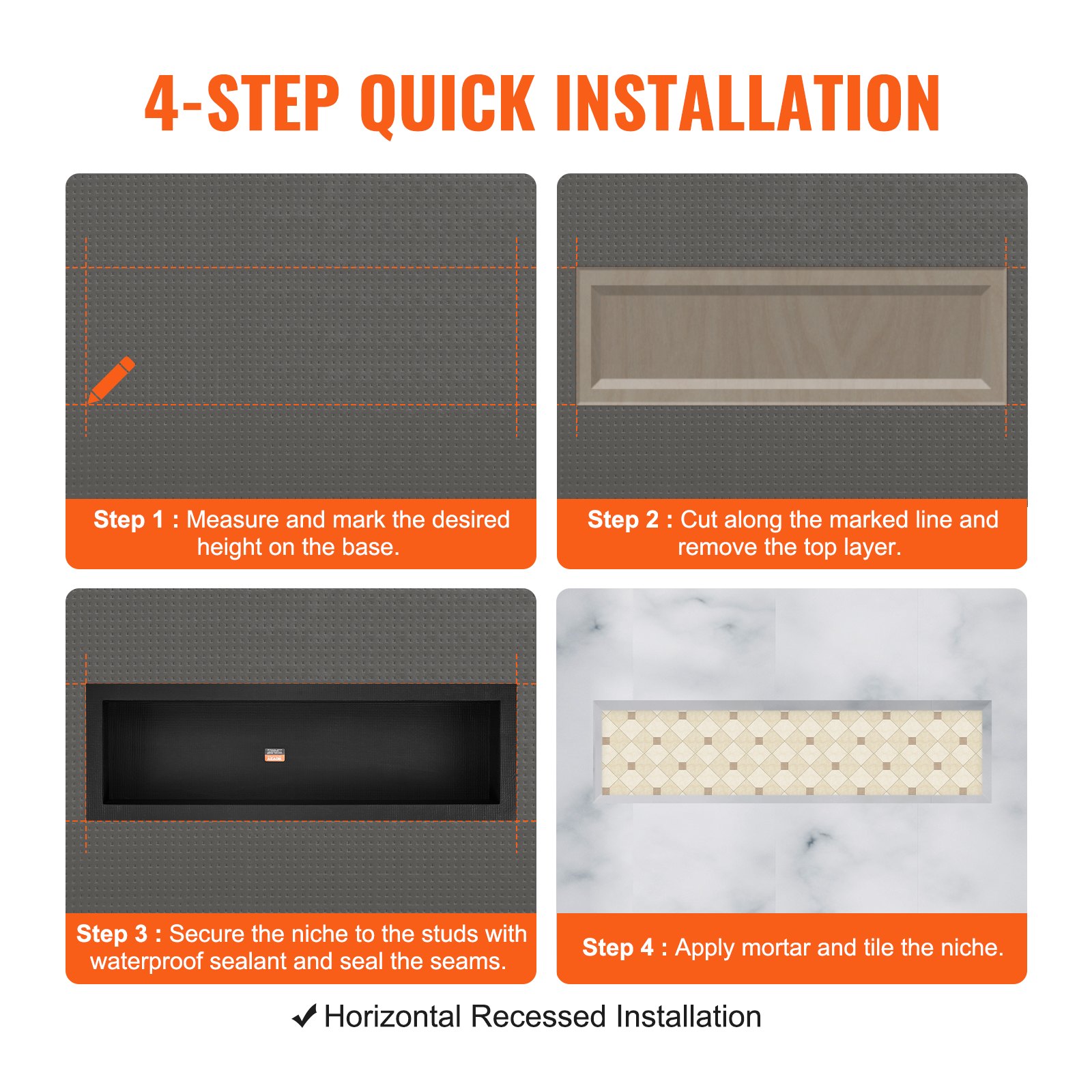
If you are renovating fully, this is often the right time to install a more polished concealed mixer and improve waterproofing at the same time. Products such as a well-planned shower niche or a proper curb system can make the finished space more practical as well as smarter.
Which is better for small bathrooms and en-suites?
In compact UK bathrooms and en-suites, both shower types can work, but they suit different priorities.
Electric showers are often chosen for en-suites because they are independent. If one person is showering while someone else uses hot water in the kitchen, the system is less likely to be affected. That independence can be very useful in family homes.
Mixer showers usually win on looks in smaller spaces. A concealed valve with a slim riser rail creates a cleaner, less cluttered wall. If you are aiming for a more premium finish, a mixer often feels more integrated into the room design.
For accessibility and everyday comfort, details matter too. A sturdy rail, non-slip surface and seating option can make a shower safer and more convenient for all ages.
Safety, comfort and family use
For households with children or older family members, temperature control should be high on the list. A good thermostatic mixer shower is hard to beat for anti-scald protection and stable temperature, provided the plumbing system is suitable.
Electric showers can also be safe and reliable, but they are more sensitive to changes in flow and incoming water temperature. In everyday use, that can mean a little more fiddling to get the preferred setting right, particularly between seasons.
If safety is a priority, it is worth looking at the whole showering environment, not just the shower type. Accessories such as a non-slip mat, grab rail or wall-mounted seat can make a real difference in a busy family bathroom.
When an electric shower is the better choice
- You want a practical replacement for an existing electric shower.
- Your boiler or hot water cylinder is limited or unreliable.
- You need an independent shower for an en-suite or loft conversion.
- You prefer not to rely on stored hot water.
- You are willing to accept a less powerful flow in exchange for flexibility.
Electric showers are not glamorous, but they are often dependable. In many UK homes, that counts for a lot.
When a mixer shower is the better choice
- Your home has a combi boiler or unvented cylinder with good pressure.
- You want a stronger, more luxurious shower experience.
- You value a neater, more design-led look.
- You are renovating and can address pipework and waterproofing properly.
- You want the benefits of a thermostatic valve for family use.
A mixer shower is often the nicer option to live with day to day, but only if the system behind it can support it.
Useful upgrades to consider during installation
If you are already updating your shower area, a few well-chosen additions can improve the result significantly:
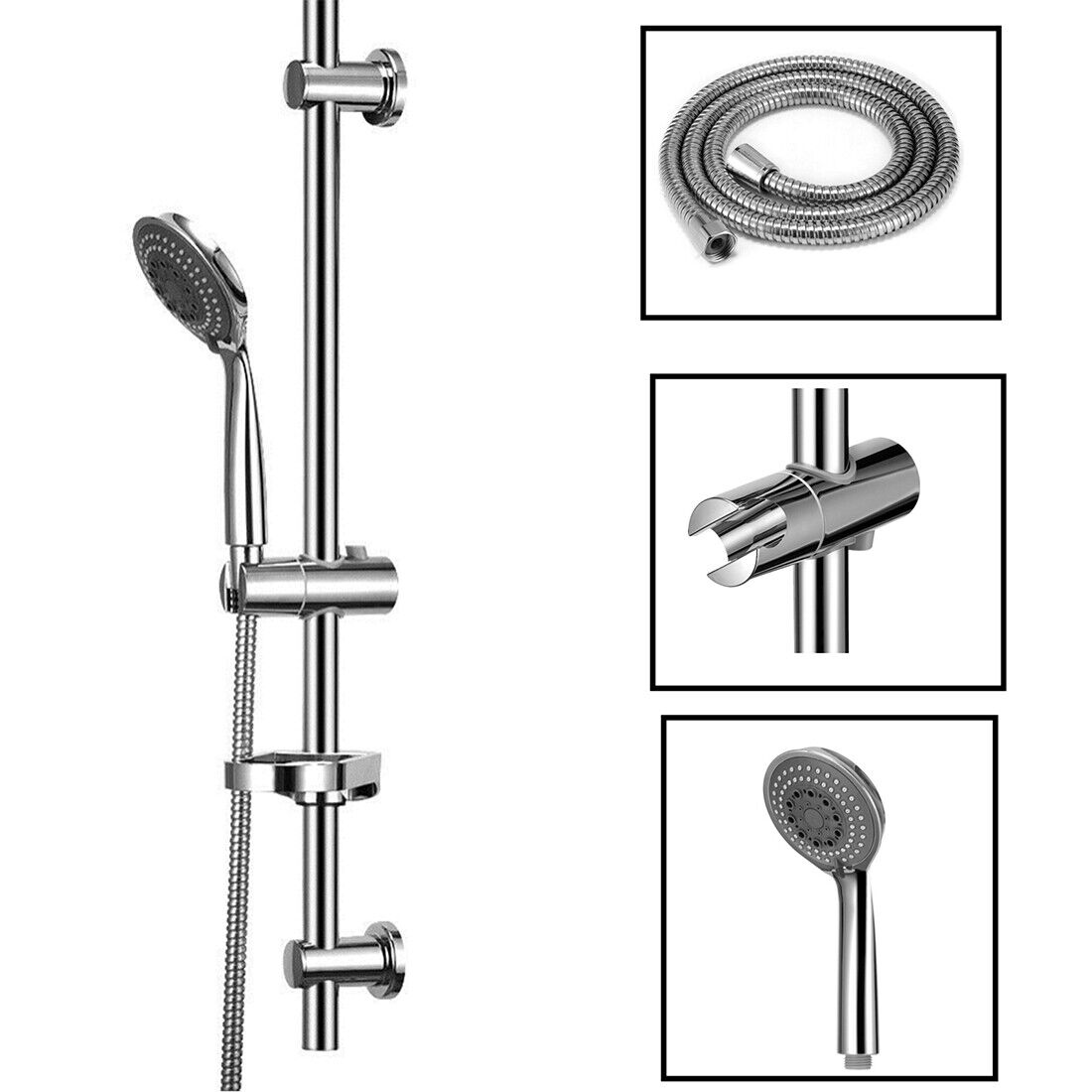
- A quality riser rail can make it easier to adjust shower height for different users.
- A recessed niche helps keep bottles off the floor and makes Cleaning easier.
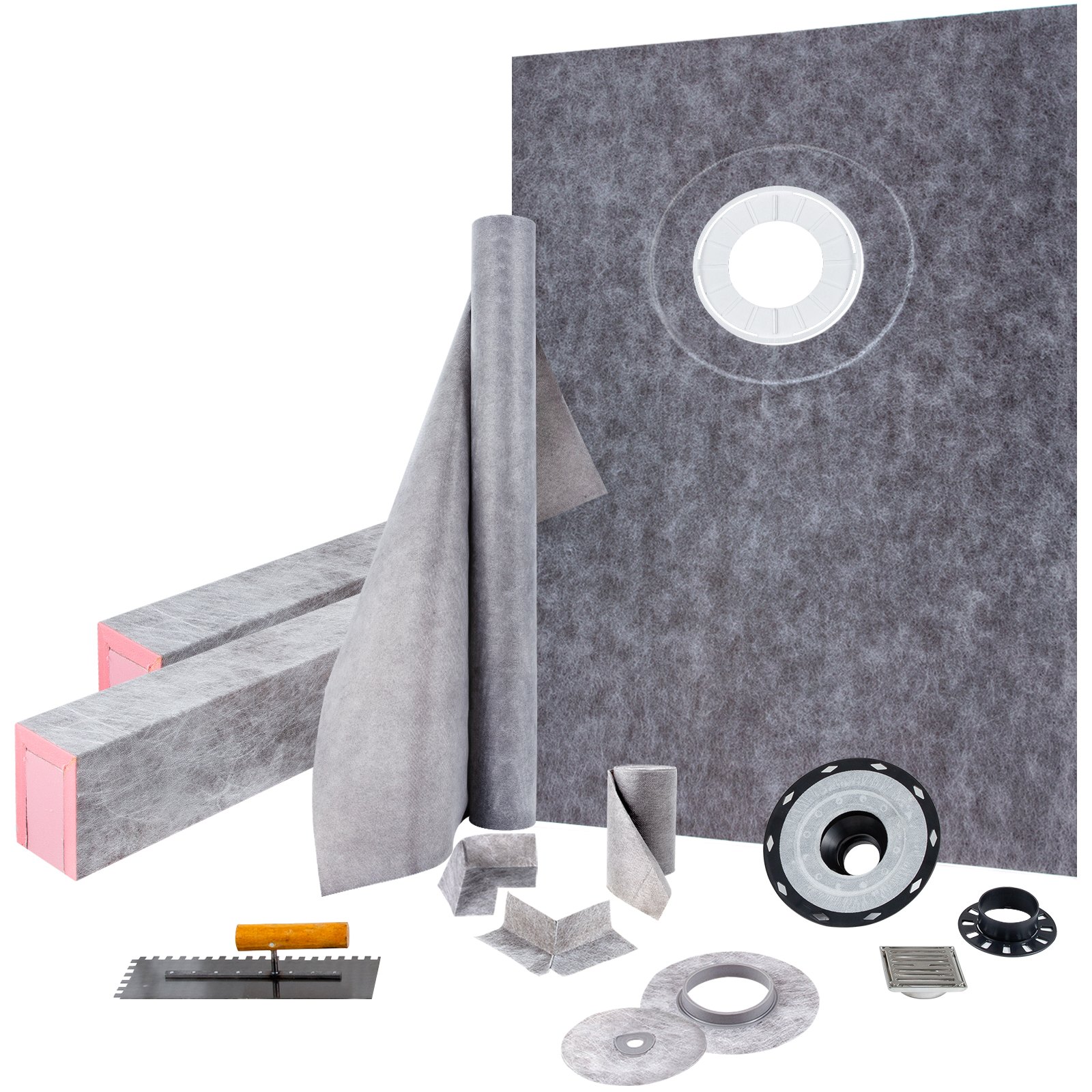
- A proper shower curb kit supports better waterproofing in walk-in shower builds.
- Safety additions such as non-slip mats or shower seating can make the room more comfortable for all ages.
These are the details that often separate a shower that merely works from one that feels genuinely well planned.
Final verdict
For most UK households, the electric vs mixer shower decision comes down to this: if your plumbing system is strong and reliable, a mixer shower is usually the better all-round experience. If your priority is independence, practicality and easier replacement in a home with limited hot water performance, an electric shower can be the smarter choice. Start with your water pressure and hot water setup, not the brochure photos, and you are far more likely to end up with a shower that suits your home properly.
FAQs
Is an electric shower or mixer shower better in the UK?
Neither is automatically better. An electric shower is often better for homes that need independent hot water for showering or a straightforward replacement, while a mixer shower is usually better for homes with good pressure and a reliable hot water system.
Do mixer showers have better pressure than electric showers?
Often yes, but only if the home’s plumbing system can support them. A mixer shower on a combi boiler or unvented cylinder can feel much stronger than an electric shower, while a mixer on a poor low-pressure system may be disappointing.
Are electric showers more expensive to run than mixer showers?
Usually yes, especially compared with a mixer shower supplied by an efficient gas boiler. Electric showers use electricity to heat water instantly, and electricity is generally more expensive than gas in the UK. However, usage habits and your hot water system still affect the real cost.
Can I replace a mixer shower with an electric shower?
Yes, but it is not always simple. An electric shower needs a suitable cold mains supply and a dedicated electrical circuit of the correct rating. If those are not already in place, installation can be more involved and costly than expected.
Which shower is best for low water pressure?
It depends on the type of low pressure. Electric showers rely on mains cold water and may still be workable in some homes, but they are not a magic fix for poor supply. For gravity-fed systems, a properly matched mixer shower with a pump can sometimes deliver better results.