Choosing the right mattress firmness can make the difference between waking up refreshed and spending every morning with an aching back, numb shoulders or restless sleep. If you’ve searched for a mattress firmness guide UK shoppers can actually use, the key thing to know is this: there isn’t one ‘best’ firmness for everyone. The right feel depends on your sleep position, body weight, whether you share a bed, and even the practical realities of UK homes such as room size, bed frame choice and how warm your bedroom gets.
In most cases, people don’t need the firmest mattress on the market; they need the one that keeps their spine supported while still relieving pressure. That often means a medium or medium-firm feel, but side sleepers, lighter adults, children and couples can all need something slightly different. Below, we’ll break down soft, medium and firm mattresses in plain English, explain what works for different sleepers, and help you match your mattress to your bed and bedroom furniture without wasting money on the wrong option.
What mattress firmness actually means
Mattress firmness describes how soft or hard a mattress feels when you lie on it. It is not exactly the same as support. A mattress can feel plush on top but still support your spine well underneath, while a very hard mattress can feel supportive at first yet create pressure points that disturb sleep.
Most retailers describe firmness on a scale from soft to firm:
Soft: more sink-in comfort, usually better pressure relief, but less ideal for some sleepers who need more lift through the hips.
Medium: a balanced feel with cushioning and support; often the safest all-round choice.
Medium-firm: slightly sturdier support with some comfort on top; popular for couples and back sleepers.
Firm: less sinkage, more push-back support; can suit heavier sleepers or those who prefer a flatter feel.
One important trade-off: firmness labels are not standardised across the mattress industry. A medium from one brand may feel closer to a medium-firm from another. That’s why it helps to think about your sleeping habits first, rather than shopping by label alone.
How sleep position affects the right firmness
Side sleepers
Side sleepers usually need more cushioning around the shoulders and hips. If the mattress is too firm, these areas can take too much pressure, leading to pins and needles, shoulder pain or a sore lower back.
For most side sleepers in the UK, a soft to medium mattress works best, with medium being the safest middle ground. Lighter adults often prefer a softer feel because they don’t sink as deeply into the mattress. Heavier side sleepers may still need pressure relief, but with stronger support underneath, so medium or medium-firm often works better than very soft.
Back sleepers
Back sleepers usually benefit from a mattress that supports the natural curve of the spine without letting the hips dip too far. Too soft, and the lower back can collapse; too firm, and the lumbar area may not feel properly cushioned.
For many back sleepers, medium to medium-firm is ideal. This gives enough structure to keep the body aligned while still feeling comfortable over a full night.
Front sleepers
Front sleeping tends to need a firmer feel because the midsection carries a lot of weight. If the mattress is too soft, the hips can sink and strain the lower back. It’s also worth saying honestly that front sleeping is often the hardest position on the back and neck, regardless of mattress quality.
If you sleep on your stomach most of the night, look for a medium-firm to firm mattress. A very plush mattress is rarely the best choice here.
Combination sleepers
If you move between your side, back and front, you need a mattress that doesn’t feel restrictive. Too soft can make turning over harder; too firm can feel unforgiving when you land on your side.
A medium or medium-firm mattress is usually the best compromise for combination sleepers, especially in shared UK homes where one mattress may need to suit more than one person over time.
Soft, medium or firm: which one suits you best?
Firmness
Best for
Main benefits
Possible drawbacks
Soft
Lighter adults, many side sleepers, those wanting pressure relief
Comfortable cushioning at shoulders and hips, cosy feel
May lack support for heavier people or front sleepers; can feel warmer
Medium
Mixed sleep positions, many couples, guest rooms
Balanced comfort and support, versatile choice
May feel too soft for some front sleepers or too firm for very light side sleepers
Medium-firm
Back sleepers, combination sleepers, many couples, heavier side sleepers
Good spinal support with some cushioning, widely suitable
Can feel slightly too taut for sensitive shoulders and hips
Firm
Front sleepers, heavier sleepers, those who prefer little sinkage
Strong support, flatter sleeping surface, easier movement
Can create pressure points, especially for side sleepers and lighter bodies
Body weight matters more than many shoppers realise
The same mattress can feel completely different depending on your build. This is one reason mattress buying advice can seem contradictory.
Lighter sleepers often experience mattresses as firmer because they don’t sink in as much. A soft or medium feel may suit them better.
Average-weight sleepers usually get the truest feel from the advertised firmness, so medium and medium-firm are often reliable choices.
Heavier sleepers tend to compress comfort layers more deeply, which can make a mattress feel softer. They often need medium-firm or firm support, especially in double and king-size beds.
This matters in UK homes because many shoppers are choosing mattresses alongside compact bed frames, Ottoman Beds or guest beds where support from the base also plays a role. If you’re upgrading your whole sleep setup, it’s worth looking at sturdy bedroom furniture and practical bed bases together rather than treating the mattress as a separate decision.
Expert tip: If you’re torn between two firmness levels, choose based on your dominant sleep position first, then your body weight second. For couples, the heavier partner usually has more influence on support needs, while the lighter partner is more likely to notice pressure discomfort.
How to choose mattress firmness for couples
Partner compatibility is where mattress shopping gets tricky. One person may love a cloud-soft bed while the other wants something far sturdier. In real homes, the goal is rarely to find a mattress that feels perfect to both people in isolation; it’s to find one that both can sleep on comfortably night after night.
Why medium-firm is often the safest compromise
For couples, medium-firm is often the sweet spot. It tends to offer enough support for back and front sleepers while still giving moderate pressure relief for side sleepers. It also performs well when partners have different body weights.
That said, it isn’t a universal answer. If both of you are lighter and sleep on your sides, medium may be a better fit. If one of you is a committed front sleeper and the other sleeps on their back, medium-firm usually makes more sense than medium.
Motion transfer and edge support
Firmness is only part of the story for shared beds. If one partner gets up early or turns frequently, motion transfer matters. Pocket sprung and hybrid mattresses often do a better job than open coil models at reducing disturbance across the bed.
Edge support is also worth checking, especially in smaller UK bedrooms where couples may choose a double rather than a king to save floor space. Strong edges make the full sleep surface more usable and help the mattress feel more stable when two people share it.
Different needs, one mattress
If you and your partner have very different preferences, look for a mattress in the medium to medium-firm range with a comfort layer that softens the initial feel. This often gives enough contouring for the lighter or side-sleeping partner without sacrificing support for the other.
In some cases, separate mattresses on zip-and-link bases can work brilliantly, but that’s usually more relevant in larger bedrooms and more specialist setups than the average UK home.
UK-specific considerations: room size, climate and bed base choice
Smaller bedrooms and bed sizes
Many UK homes, especially period terraces, new-build second bedrooms and city flats, have tighter bedroom layouts than people expect. That often means choosing between a double, small double or king based on available space rather than preference alone. A mattress that feels slightly firmer can sometimes make movement easier on a smaller sleep surface, particularly for couples.
If you’re furnishing a compact room, combining the right mattress with a practical bed frame can make a noticeable difference. Ottoman and storage beds, such as a double with underbed storage, help you maximise floor space without overcrowding the room.
Temperature and ventilation
UK bedrooms can swing between chilly winter nights and stuffy summer heatwaves, especially in loft conversions and newer insulated homes. Softer mattresses with deep foam comfort layers can sleep warmer because they allow more body sinkage and less airflow around you. Firmer or more breathable hybrid designs often feel cooler.
This doesn’t mean soft mattresses are a bad choice; just be realistic if you already sleep hot. Breathable bedding, a well-ventilated room and a slatted base can help.
Bed base support
Your mattress won’t perform properly on the wrong base. Slatted frames are common in the UK and usually work well, but gaps that are too wide can affect support and longevity. Ottoman beds and upholstered frames should still provide a stable base underneath the mattress.
If you’re replacing a worn bed as well as the mattress, it’s sensible to choose a supportive frame from the start. For example, a storage-focused option like the bedroom furniture range can be practical in smaller homes while still giving the mattress a solid foundation.
Common mattress firmness mistakes
Assuming firm is always best for back pain
This is probably the biggest myth. A mattress that is too firm can worsen discomfort by putting pressure on joints and failing to cushion the natural curves of the body. Many people with back pain do better on medium-firm rather than extra firm.
Buying for the first five minutes, not the full night
A plush mattress can feel lovely in a showroom or when first lying down, but if your hips sink too much over several hours, the comfort won’t last. Equally, a firm mattress can feel supportive at first and become uncomfortable by morning.
Ignoring the bed frame
An old sagging base can make even a good mattress feel wrong. If your current bed frame creaks, dips or lacks support, replacing only the mattress may not solve the problem.
Not thinking about who will use the bed
Guest beds, children’s beds and Sofa Beds often need a different approach. A guest room mattress usually benefits from a medium feel because it suits the widest range of sleepers. Children and teenagers may also need a balanced feel that supports growth without feeling hard.
Matching firmness to different bed types in real homes
Your mattress choice should work with the bed you actually have, not an idealised showroom setup. In family homes, rentals and multipurpose rooms, the bed frame often shapes what feels practical.
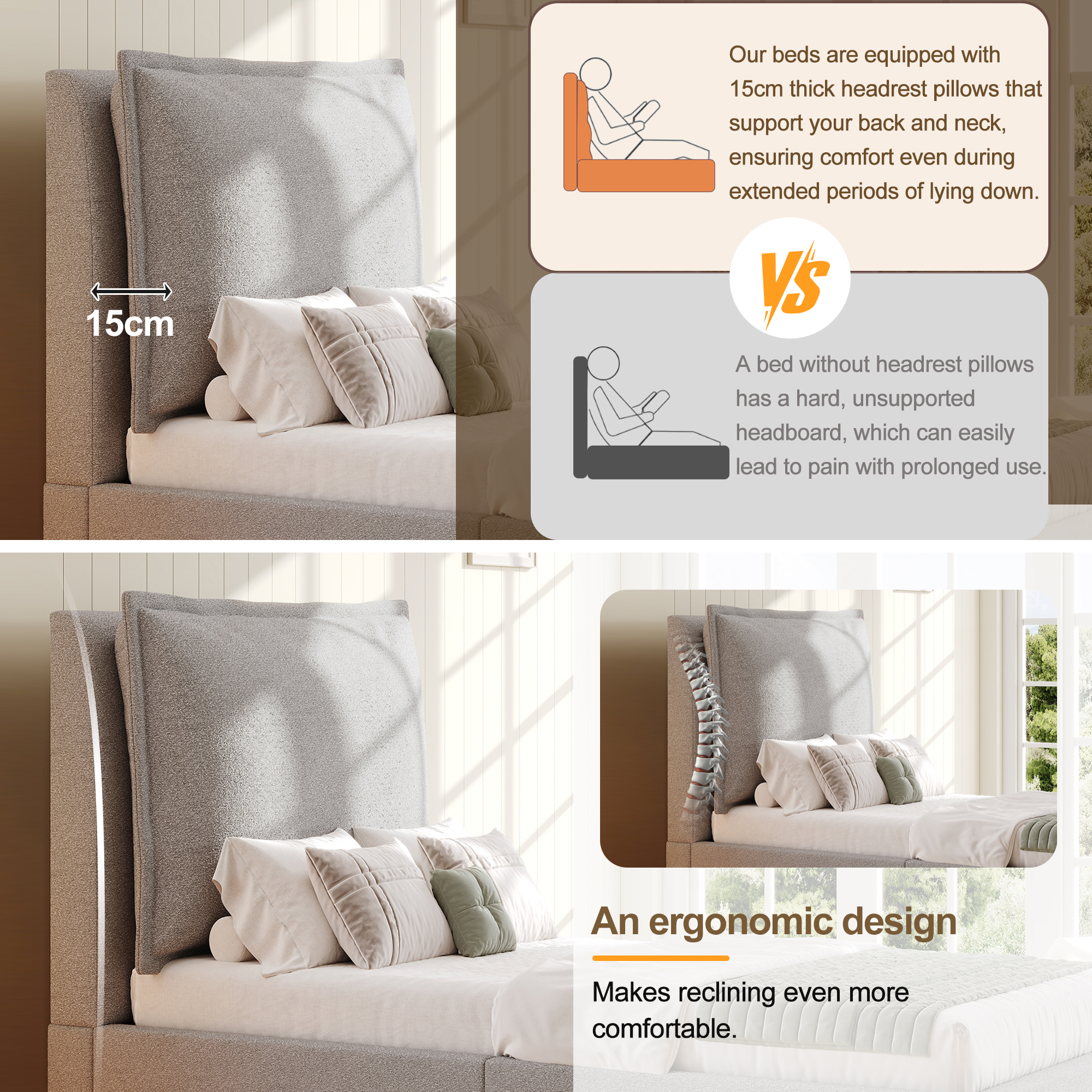
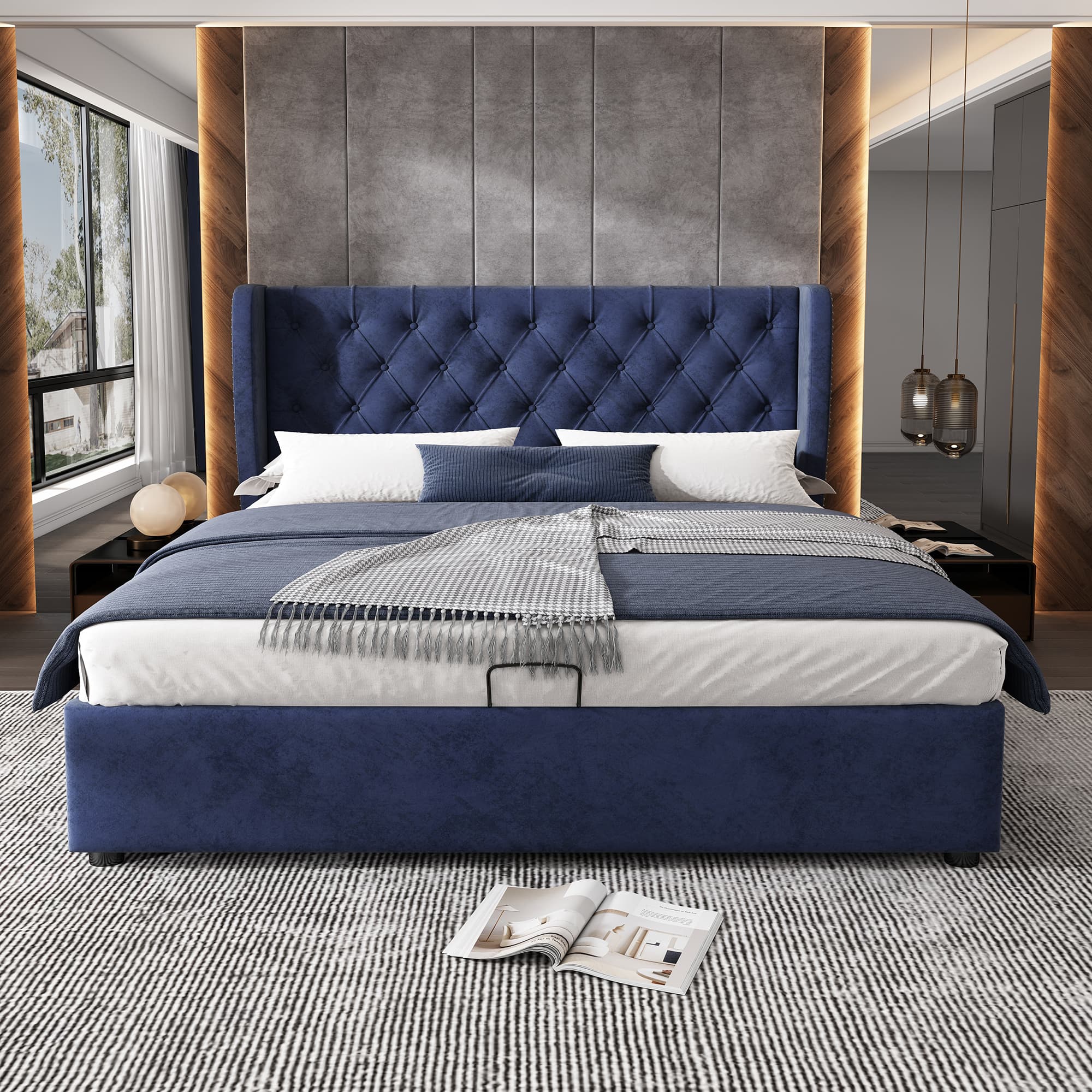
For example, a storage bed such as the double ottoman bed with storage can be a smart choice in smaller bedrooms where wardrobe space is limited. If you’re furnishing a main bedroom with a classic upholstered style, the upholstered double bed with storage drawers offers useful practicality, and pairing it with a medium or medium-firm mattress tends to suit a broad range of sleepers.
For children, teens or guest spaces, bed size and usage matter just as much as firmness. A compact option like the upholstered single bed with storage can work well with a medium mattress that feels comfortable for occasional guests yet supportive enough for regular use. And in flexible spaces such as a study or spare room, a daybed or sofa bed like the upholstered day bed with trundle often works best with a medium feel, since it needs to suit different sleepers and sleeping positions.
The trade-off is simple: the more varied the users, the more sensible it is to stay near the middle of the firmness scale.
A simple step-by-step way to choose
Start with sleep position. Side sleepers usually lean softer; back sleepers often suit medium-firm; front sleepers usually need firmer support.
Factor in body weight. Lighter sleepers can go softer; heavier sleepers often need more support.
If sharing, choose the compromise carefully. Medium-firm is often safest, but not always.
Think about heat. If you sleep warm, avoid very deep sinkage unless the mattress is specifically breathable.
Check your bed base. A poor frame can undermine the mattress.
Be realistic about room size. In smaller UK bedrooms, mattress feel and usable bed space go hand in hand.
If you’re still unsure, medium is the safest choice for most single sleepers, while medium-firm is the safest for most couples. Neither is perfect for everyone, but both are usually more forgiving than going to either extreme.
FAQs
What is the best mattress firmness for side sleepers in the UK?
Most side sleepers do best with a soft to medium mattress because it cushions the shoulders and hips. Medium is usually the safest choice, especially if you change position during the night or share the bed.
Is a firm mattress better for back pain?
Not always. Many people with back pain find medium-firm better than very firm because it supports the spine without creating pressure points. The best option depends on your sleep position, body weight and whether your current bed base is still supportive.
What mattress firmness is best for couples?
Medium-firm is often the best compromise for couples because it balances comfort and support for different body types and sleep positions. If both partners are lighter side sleepers, medium may feel more comfortable.
Do heavier people need a firmer mattress?
Usually, yes. Heavier sleepers tend to sink further into the mattress, so medium-firm or firm often gives better support and alignment. However, heavier side sleepers may still need enough cushioning to avoid pressure at the shoulders and hips.
Does mattress firmness feel different in UK homes?
It can do, especially because UK bedrooms are often smaller and can vary in temperature through the year. A mattress that sleeps warm may feel less comfortable in a compact, insulated room, and a smaller bed size can make firmness feel more noticeable when sharing.
Choosing the right mattress firmness comes down to balancing comfort, support and the realities of how you actually sleep. For most UK homes, a medium mattress suits many solo sleepers, while medium-firm is often the most practical choice for couples; if you’re upgrading your whole setup, pair that decision with a supportive bed frame and smart storage to get the best result.
Villalta Home Editorial is the in-house byline used for buying guides and product roundups on villaltaco.uk. Each guide is written by the editorial team, drawing on the catalogue's measurable data — real dimensions, materials, UK use cases, price bands — and on hands-on research into how products actually perform in UK homes. Every post tagged with this byline is reviewed and approved by Juan Antonio Villalta Pacheco, the founder and editor, before it goes live. See our editorial standards for the full process.
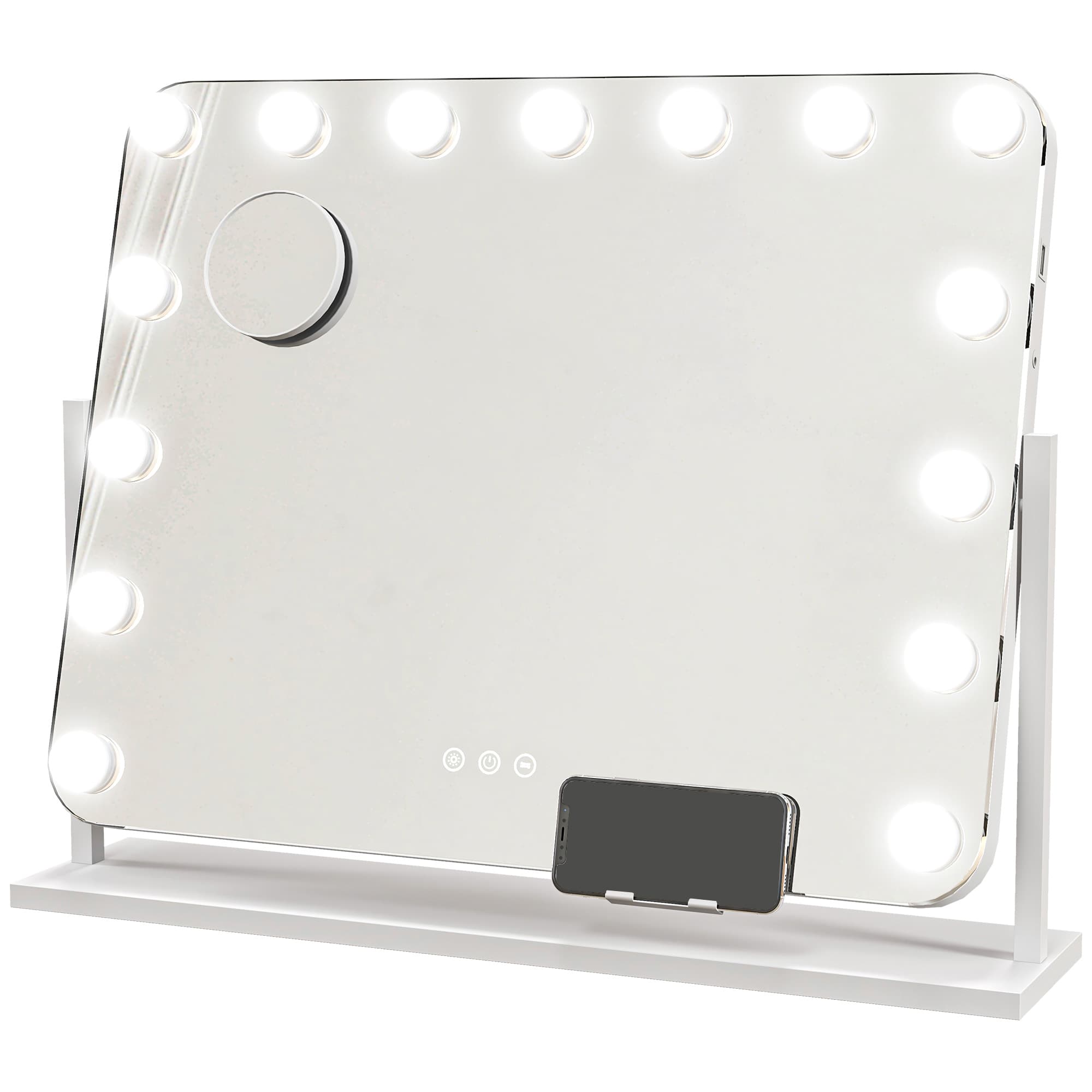
Most UK bedrooms have one ceiling pendant and a warm bedside lamp — the worst light for putting on makeup. A small LED mirror with three colour modes fixes it. Five tested picks from about £36 to around £61, from the best daily tabletop to the splurge that doubles as a jewellery cabinet.
Five real storage beds from £78.99 to £281.99 for UK box rooms, rental bedrooms and compact doubles, chosen for useful drawers, lift-up storage, charging shelves and honest space trade-offs.