
If you are weighing up a robot vacuum vs stick vacuum in 2026, the short answer is this: a cordless stick vacuum still cleans more thoroughly in most UK homes, but a good robot vacuum keeps floors looking noticeably better with far less effort. Which one is "better" depends less on marketing claims and more on your flooring, pet hair, layout and tolerance for doing the job yourself.
That matters because British homes are rarely simple test-lab spaces. We have narrow hallways, mixed flooring, deep-pile bedroom carpet, wool rugs, draught-trapping skirting boards and plenty of pet hair caught along stairs and edges. In the cleaning category, these two machines solve different problems. One is best at regular maintenance; the other is still the stronger choice for deep, targeted Cleaning.
Below, we compare real-world cleaning performance, pet hair handling and how each type copes with common UK carpet types so you can decide whether to buy one, the other, or both.
Robot vacuum vs stick vacuum: the quick verdict
For raw cleaning performance, a cordless stick vacuum wins. It gives you stronger suction on demand, better control, easier stair cleaning and more effective work on corners, upholstery and spot mess. If you have children, shedding pets or heavier traffic through the hall and lounge, a stick vacuum is still the machine most likely to leave the room genuinely clean rather than simply tidier.
A robot vacuum, however, wins on consistency. Because it can run daily with very little input, it often keeps dust, crumbs and surface hair under control better than a stick vacuum that only comes out once a week. In homes with hard floors, low-pile rugs and a fairly open plan, that convenience can make more difference than peak suction figures.
So the honest answer is:
- Choose a robot vacuum if you want automated daily maintenance and your floors are mostly hard flooring or low-pile carpet.
- Choose a cordless stick vacuum if you care most about deep cleaning, stairs, upholstery and heavy pet hair.
- Choose both if you want the easiest routine: robot for daily upkeep, stick for weekly deeper cleans.
How they actually clean in real homes
Robot vacuums: best for maintenance cleaning
Robot vacuums have improved significantly by 2026. Mapping is smarter, obstacle avoidance is less clumsy and many models now lift or adjust around rugs more effectively than early generations. On hard floors such as laminate, LVT, engineered wood and tile, they are often very good at collecting fine dust, biscuit crumbs, fluff and everyday debris.
Where they still struggle is in the places that matter when a room is genuinely dirty: along edges, under radiators, around chair legs, on stair treads, under low furniture with hanging fabric, and on thicker carpets where grit settles deeper in the pile. They also tend to make several passes to achieve what a stick vacuum can do in one deliberate go.
That does not make them poor cleaners. It means they are best understood as little-and-often machines rather than deep-cleaning tools.
Cordless stick vacuums: best for deliberate, deeper cleaning
A cordless stick vacuum gives you what robot vacuums cannot: pressure, precision and adaptability. You can angle the floorhead into skirting board edges, switch attachments for upholstery, lift the machine to clean stairs and target the exact patch where cereal, mud or cat litter has gathered.
On UK carpets, especially medium pile twists and denser bedroom carpet, that matters. Dirt does not just sit on top. It works down into the fibres, particularly in winter when wet shoes and central heating combine to dry and trap grit. A decent stick vacuum with a proper motorised floorhead still lifts more embedded debris than most robot vacuums.
The trade-off is obvious: you have to do the work, and battery runtime can still be limiting in larger homes.
Comparison table: which suits which job?
| Feature | Robot vacuum | Cordless stick vacuum |
|---|---|---|
| Everyday dust and crumbs | Excellent if run daily | Very good, but only when you use it |
| Deep carpet cleaning | Fair to good on low pile; limited on thick carpet | Excellent on most carpet types with the right head |
| Pet hair on hard floors | Very good for frequent maintenance | Excellent for fast pickup and corners |
| Pet hair on carpet and upholstery | Fair on carpet, poor on upholstery | Much better, especially with mini motorised tools |
| Edges and skirting boards | Often leaves a line of dust | Better control and closer cleaning |
| Stairs | Cannot do them | Best option |
| Under furniture | Good if clearance allows | Depends on wand angle and floorhead height |
| Noise and disruption | Usually quieter, can run while you do other tasks | Shorter, louder cleaning sessions |
| Best for UK flats | Good if layout is simple and floors are mostly hard | Great if storage space is tight and stairs are involved |
| Best for larger family homes | Useful as a helper, not always enough alone | Still the primary cleaner in most cases |
Pet hair handling: where the difference really shows
If you live with a Labrador, spaniel, long-haired cat or even a rabbit that sheds surprisingly heavily, pet hair is often the deciding factor.
Robot vacuums with pet hair
On hard floors, robot vacuums are genuinely handy for pet homes. Daily runs stop tumbleweed hair gathering under Dining Chairs and along hallway edges. That can make the house feel cleaner all week, especially in spring and autumn moulting periods.
But there are caveats. Hair wrap is still an issue on many brush rollers, even with anti-tangle claims. Long hair and pet fur can also clog smaller internal passages more quickly than on a full-size stick vacuum. And while robots collect surface fur from carpet, they are less convincing when hair has woven itself into the pile or settled on stairs, Sofas and beds.
Stick vacuums with pet hair
A cordless stick vacuum is usually stronger on pet hair because it combines suction with agitation and lets you work slowly over problem areas. You can also switch to a handheld mode for stairs, pet beds, upholstery and car boots. For homes with persistent shedding, that flexibility is hard to beat.
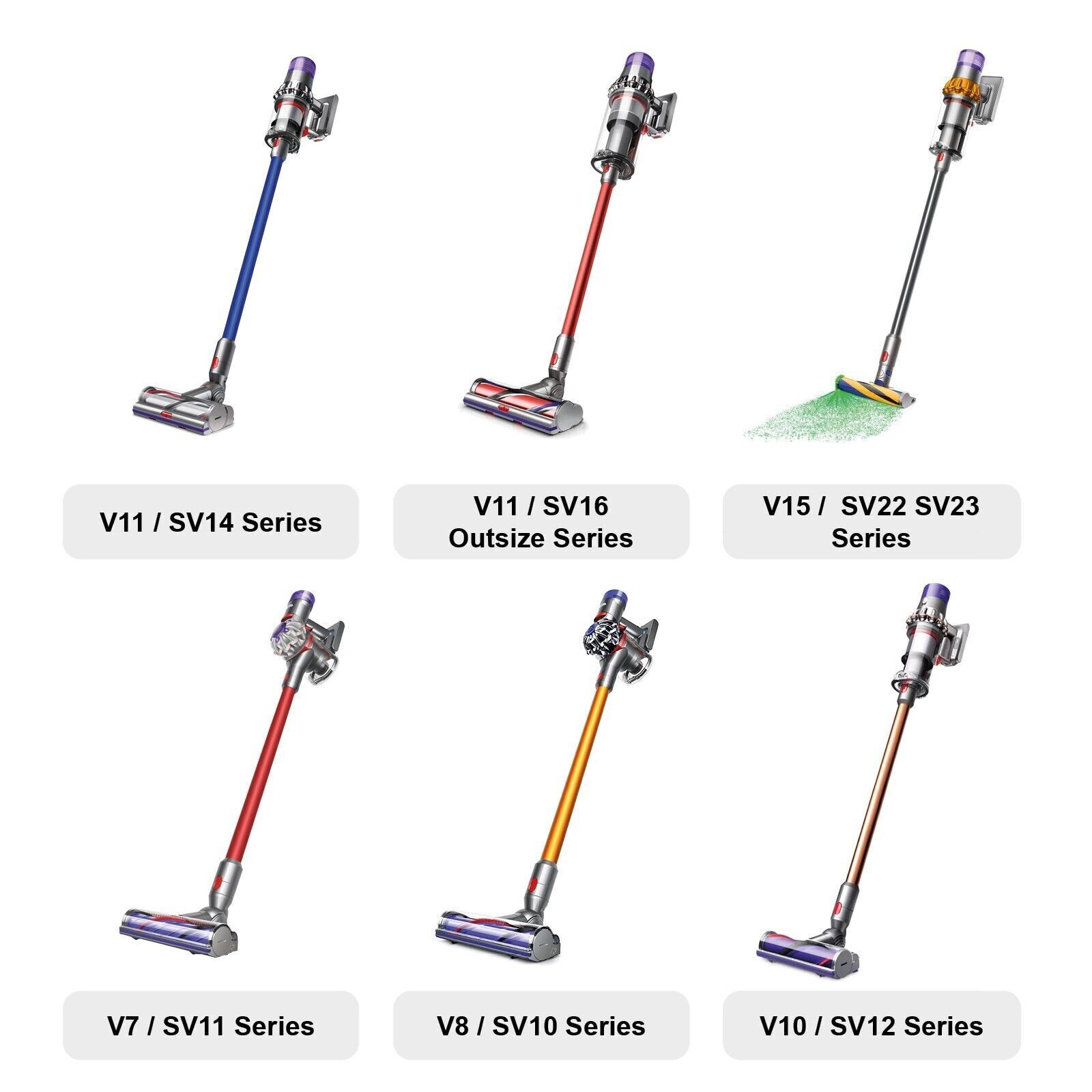
If you already own a compatible machine, adding a specialist floorhead can help. For example, a Dyson-compatible brush head for V7-V15 deep cleans all floor can improve pickup on mixed flooring if your original head is worn or not ideal for your surfaces.
Expert tip: In pet homes, cleaning frequency matters as much as machine type. A robot vacuum run every day plus a stick vacuum used once or twice weekly usually outperforms one powerful vacuum used only at the weekend.
How they cope with common UK carpet types
Flooring makes a bigger difference than many buyers expect. "Works on carpet" can mean very different things depending on pile height, density and material.
Low-pile synthetic carpet
This is the easiest carpet type for robot vacuums. In newer flats and modern homes with flatter polypropylene carpet, many robots do a respectable job of collecting dust and surface debris. A stick vacuum still cleans deeper, but the gap is smaller here.
Medium-pile twist carpet
This is common in UK bedrooms, landings and lounges. Robot vacuums can keep the surface presentable, but they often leave behind finer grit and hair that sits lower in the fibres. A stick vacuum with a motorised brush bar remains the better performer for a proper clean.
Deep-pile or plush carpet
This is where robot vacuums often falter. Some struggle physically to climb onto thicker pile; others reduce effectiveness because the brush roll and suction path are not designed for deeper agitation. If you have plush carpets upstairs, a robot may be useful downstairs only, while a stick vacuum handles the rest.
Wool carpet and rugs
Wool is durable but can shed naturally, especially when new. Some aggressive brush bars can be too harsh, while some robots are too weak to remove embedded dust. Here, a stick vacuum used on an appropriate setting is usually the safer, more effective option. Always check the carpet maker's care guidance.
UK home layouts: why convenience is not the same as coverage
Many robot vacuum reviews are based on open, obstacle-light spaces. Plenty of UK homes are not like that. Victorian terraces, semis and compact new-builds often include tighter turns, thresholds between rooms, narrower under-sofa clearance and staircases that break up the cleaning area.
In a one-level flat with mostly hard flooring, a robot vacuum can cover a large proportion of the home with minimal fuss. In a two-storey house with bedrooms upstairs, rugs throughout and a lot of furniture legs, the convenience drops. You may still benefit from a robot downstairs, but you will almost certainly need a stick vacuum for stairs and bedrooms.
Storage is another practical issue. A cordless stick vacuum takes wall or cupboard space, but a robot also needs a sensible docking area with enough clearance. In smaller homes, that can be awkward in hallways or kitchens.
Running costs, maintenance and lifespan
Robot vacuum upkeep
Robot vacuums save labour, but they are not maintenance-free. Sensors need wiping, bins need frequent emptying, side brushes wear out and rollers need de-tangling. If your home has lots of hair, thread or carpet fluff, maintenance can be more regular than buyers expect.
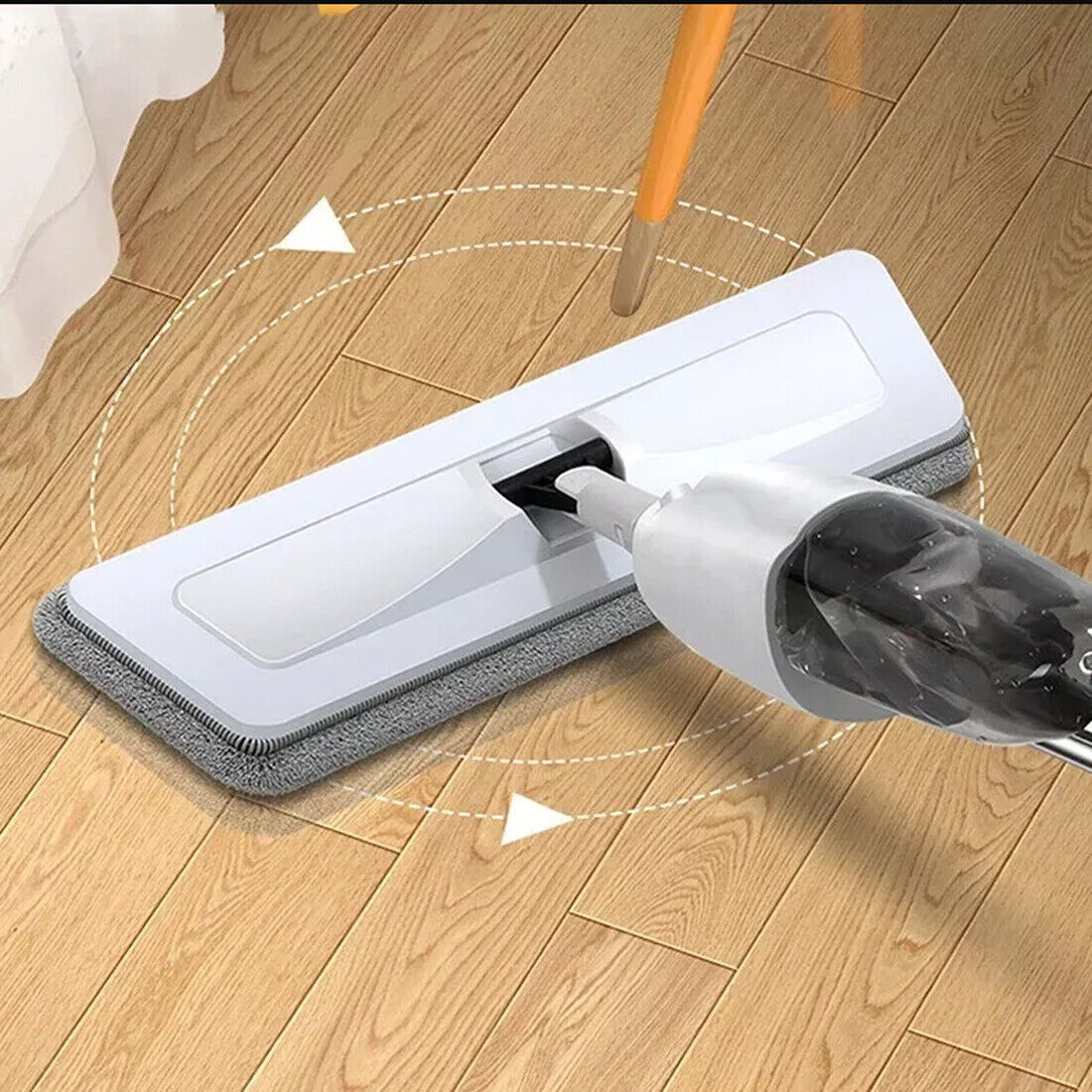
Mop-and-vac robots also sound appealing, but the mopping side is usually best for light hard-floor freshening rather than replacing a proper mop. For sticky kitchen marks or muddy paw prints, a manual solution such as a spray mop microfibre refillable is often quicker and more hygienic.
Stick vacuum upkeep
Stick vacuums are simpler to understand and easier to troubleshoot. Filters need washing or replacing, bins need emptying and brush rolls can still wrap with hair, but repairs and replacement parts are often more straightforward. Battery degradation remains the main long-term concern, especially if the vacuum is left permanently on charge in a cold utility room or garage.
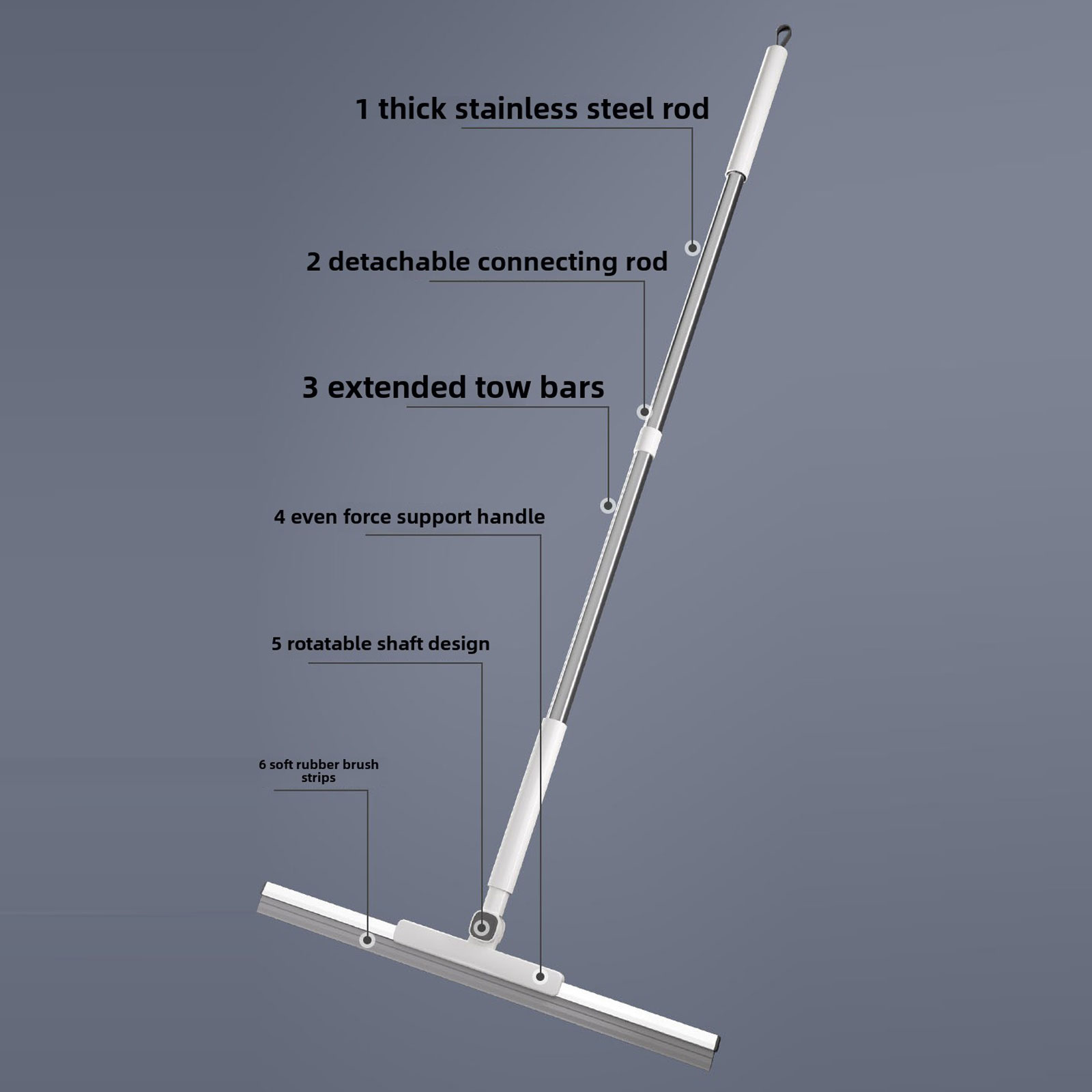
For quick dry debris between deeper vacuum sessions, an old-fashioned manual helper can still earn its keep. A folding broom and dustpan set with wiper blade is often faster than dragging out any vacuum for broken cereal, soil by the back door or fireplace ash.
Who should buy a robot vacuum in 2026?
A robot vacuum makes sense if most of the following sound like your home:
- You have hard floors or mostly low-pile carpet.
- You want daily maintenance more than occasional deep cleaning.
- You dislike vacuuming enough that automation will actually improve cleanliness.
- Your layout is reasonably open and not dominated by stairs.
- You are happy to do occasional rescue cleaning with another tool.
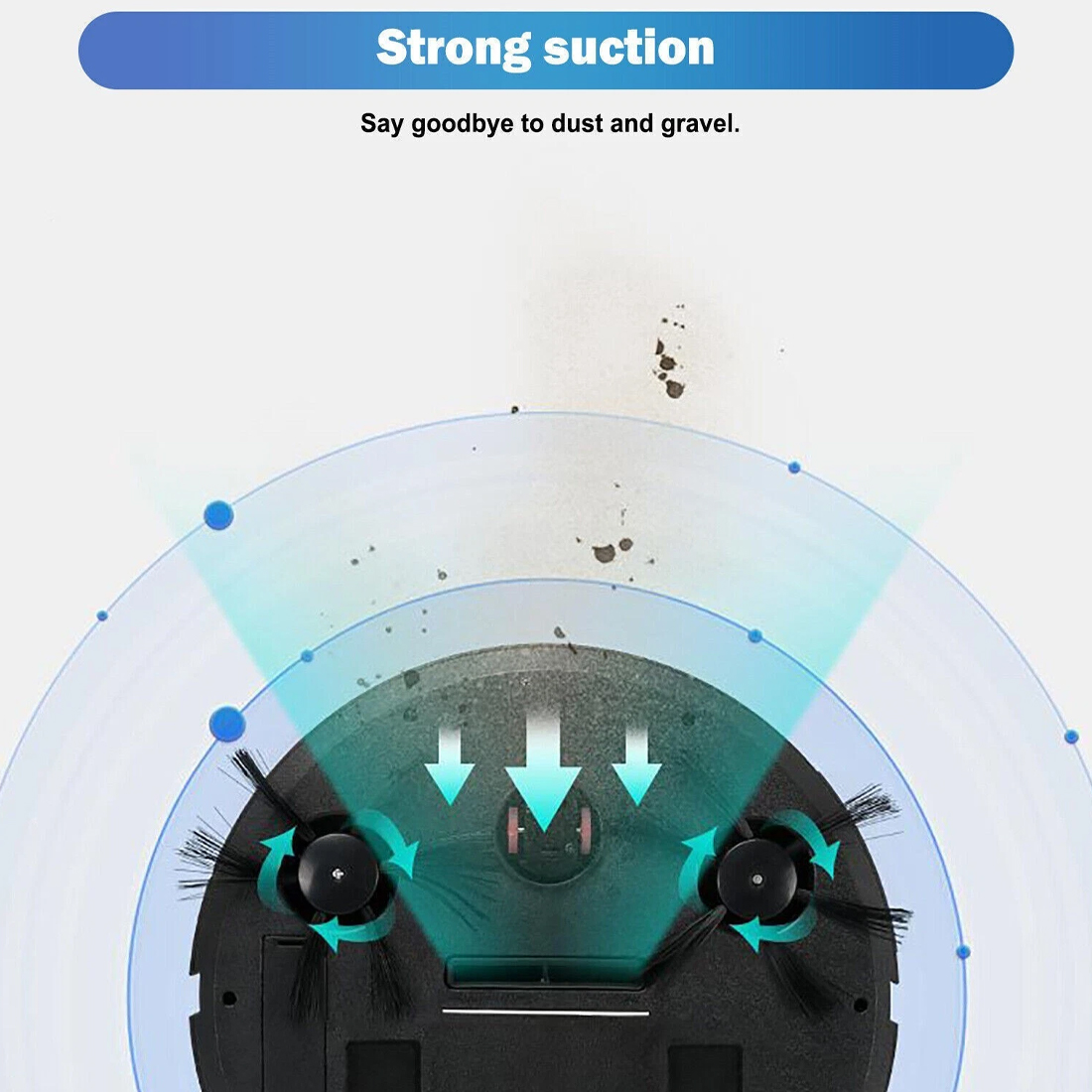
It is especially useful for busy households where floors get dusty quickly but no one has time to vacuum every day. A model such as the smart robot vacuum cleaner with atomizing humidifier functio can be a practical maintenance option, provided expectations are realistic about carpet depth and edge cleaning.
Who should buy a cordless stick vacuum in 2026?
A cordless stick vacuum is the better choice if these points fit:
- You have pets that shed heavily.
- You have stairs, upholstery and mixed flooring.
- You want one machine to handle both quick spills and deeper weekly cleans.
- You have medium or thick carpet.
- You care about corners, skirting edges and targeted cleaning.
For many households, especially family homes in the UK, a stick vacuum remains the most sensible all-rounder. It is still the machine most likely to cope with hallway grit in January, biscuit crumbs in the lounge and pet hair on the stairs in one session.
The best setup for many homes: not either/or, but both
If budget allows, the most effective setup is often a robot vacuum for maintenance and a stick vacuum for proper cleaning. That is not a cop-out; it reflects how people actually live. The robot keeps the visible mess under control, while the stick vacuum handles edges, stairs, upholstery and embedded dirt.
Think of the robot as reducing the frequency and effort of vacuuming, not eliminating it. That distinction matters. Too many buyers expect a robot to replace a full vacuum entirely, then feel disappointed when carpeted bedrooms still need attention.
For more practical buying advice and everyday home care ideas, browse Villalta Home Co.'s cleaning range and guides.
FAQs
Does a robot vacuum clean as well as a cordless stick vacuum?
Not usually. A robot vacuum is excellent for regular maintenance on hard floors and low-pile carpet, but a cordless stick vacuum generally cleans deeper, especially on carpets, stairs, edges and upholstery.
Which is better for pet hair: robot vacuum or stick vacuum?
A stick vacuum is better for heavy pet hair overall, particularly on carpet, stairs and furniture. A robot vacuum is still very useful for daily fur collection on hard floors, so pet owners often benefit most from using both.
Are robot vacuums good on UK carpets?
They are usually fine on low-pile synthetic carpets and some medium-pile options, but performance drops on thicker, denser or plush carpets. If your home has deep-pile bedroom carpet or lots of rugs, a stick vacuum will usually do a better job.
Is a robot vacuum enough for a two-storey UK house?
Rarely on its own. It can be helpful downstairs for routine maintenance, but it cannot clean stairs and may struggle to replace a full vacuum in carpeted bedrooms and tighter upstairs spaces.
Should I buy a robot vacuum or a stick vacuum first?
If you do not already own a capable vacuum, buy the stick vacuum first. It is more versatile and better for deep cleaning. A robot vacuum is the better second purchase once your main cleaning needs are covered.
For most UK households in 2026, the cordless stick vacuum still cleans better in the strictest sense. But if your goal is cleaner-looking floors with less daily effort, a robot vacuum can be a smart addition. Buy the stick vacuum first for all-round performance; add a robot later if convenience is what your routine is missing.