
If you are weighing up vinyl plank vs laminate flooring in the UK, the short answer is this: vinyl usually wins for bathrooms, kitchens, utility rooms and busy family homes, while laminate often gives you a stiffer, more wood-like feel underfoot for less money in dry rooms. The right choice depends less on trends and more on how your home is actually used, how damp it gets, whether you have underfloor heating, and what you can realistically spend per square metre.
That matters in British homes because our conditions are not always kind to flooring. We deal with muddy shoes, wet dogs, radiators drying one room while condensation creeps into another, and plenty of older properties with uneven subfloors. So rather than repeating showroom claims, this guide looks at waterproofing, durability, underfloor heating compatibility and real-world cost, with honest trade-offs to help you choose well.
Vinyl plank vs laminate at a glance
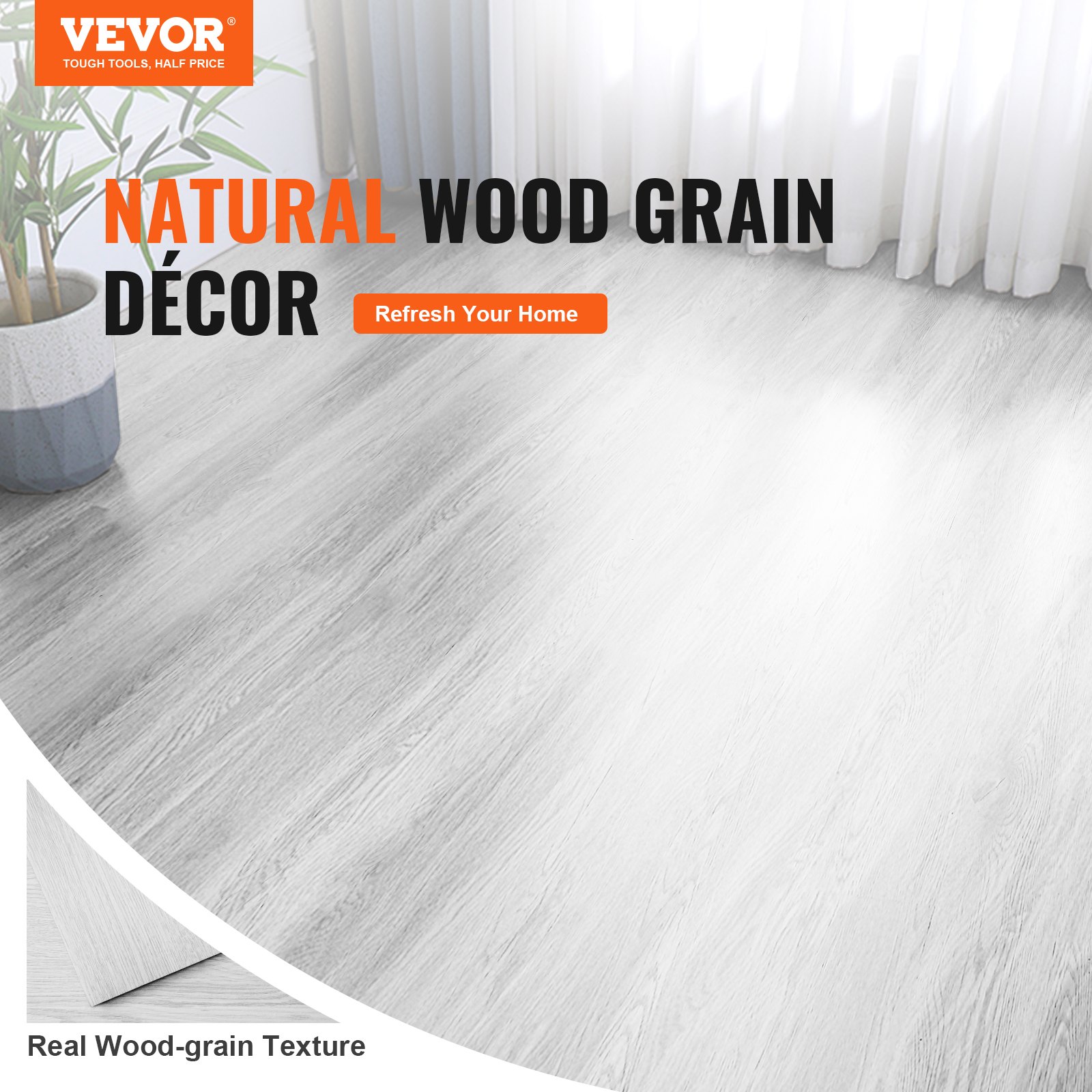
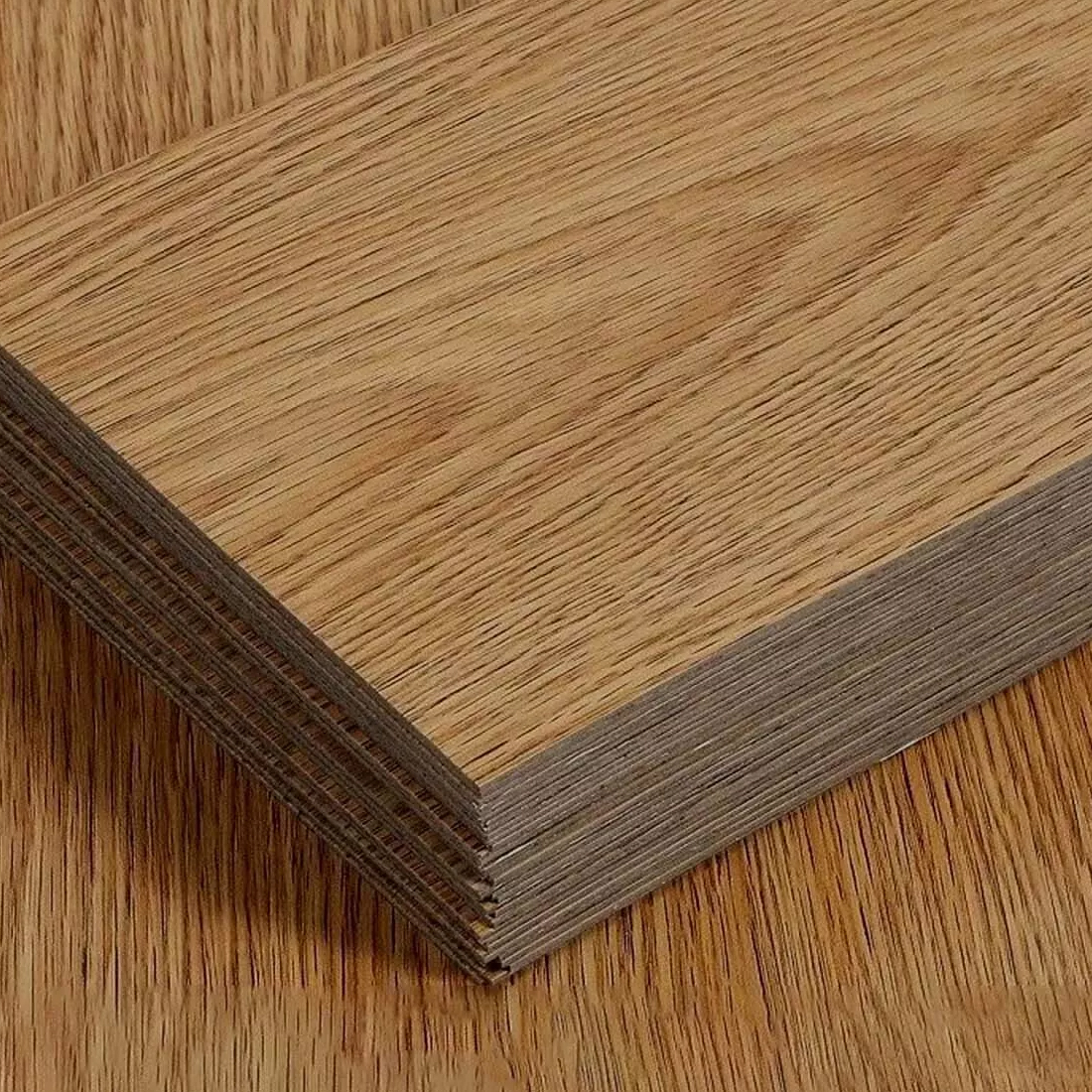
Both floors are designed to mimic timber boards, and both can look convincing from a standing height. But they are built very differently. Vinyl plank flooring is typically made from PVC-based layers with a printed design and a protective wear layer. Laminate flooring usually has a fibreboard core, a photographic decor layer and a melamine-style top surface.
That construction difference is why vinyl and laminate behave so differently around water, heat and impact. If you are browsing flooring tiles and wood-look options, it helps to think beyond appearance and focus on where the floor is going and what it needs to cope with.
| Feature | Vinyl plank flooring | Laminate flooring |
|---|---|---|
| Water resistance | Usually very good to fully waterproof, depending on product and seams | Water-resistant options exist, but standard laminate is vulnerable to swelling |
| Durability in busy homes | Good against spills and scuffs; softer surface can dent under heavy furniture | Good scratch resistance; edges and core can suffer if moisture gets in |
| Underfloor heating | Often compatible at low temperatures; check max surface temperature | Often compatible too, but thickness and board construction matter more |
| Feel underfoot | Softer, slightly warmer, quieter | Firmer, more wood-like, often noisier without good underlay |
| Subfloor tolerance | Needs a very smooth subfloor, especially glue-down and thin self-adhesive types | Can disguise minor imperfections better with underlay |
| Typical UK cost per sqm | Roughly £12-£45+ per sqm | Roughly £10-£35+ per sqm |
| Best rooms | Kitchens, bathrooms, hallways, utility rooms, rentals | Bedrooms, lounges, dining rooms, studies |
Waterproofing: where vinyl usually pulls ahead
Why vinyl is the safer choice around spills
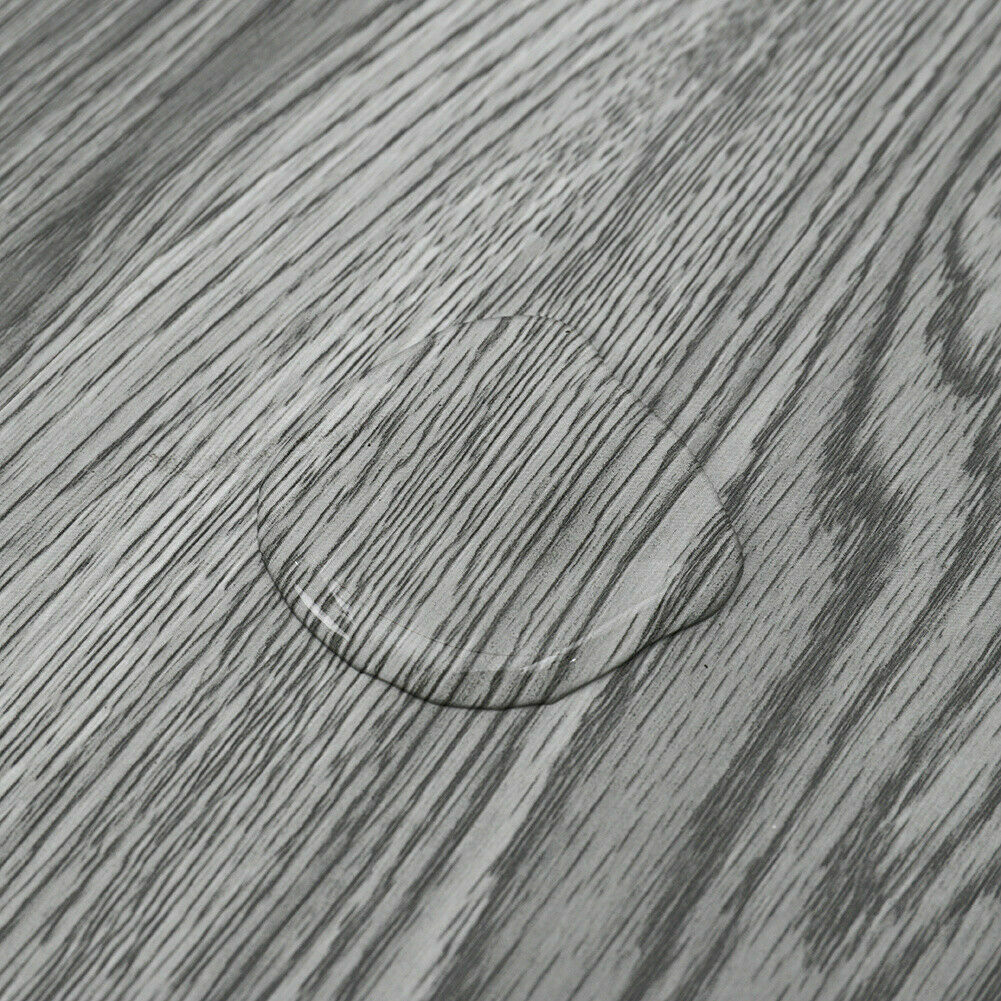
For most UK households, waterproofing is the biggest divider. Vinyl plank flooring is generally the better option where water is a routine part of life. In a kitchen, Bathroom or entrance hall, that matters. Good-quality vinyl planks do not swell in the same way laminate can, and many are marketed as fully waterproof. That does not mean every installation is invincible, though. Water can still get beneath badly fitted planks, around room edges or through weak joins.
In practical terms, vinyl is more forgiving when someone drops an ice tray, the dog comes in soaked, or the washing machine leaks briefly before you notice. If you want a timber-look floor in a splash-prone room, vinyl is usually the lower-risk bet.
Where laminate can struggle
Laminate has improved a lot, and some modern ranges are sold as water-resistant or splash-resistant. But standard laminate still has a fibreboard core, and once moisture works into the joints or edges, swelling is hard to reverse. In older UK homes where humidity can fluctuate, that is worth taking seriously.
Laminate is not automatically a bad choice, but it is one of those products that tends to punish small fitting mistakes. A tiny gap at a threshold, a wet mopping habit, or a spill left overnight can shorten its life. For dry rooms, that may be a reasonable trade-off. For bathrooms, it usually is not.
Expert tip: If waterproofing is your top priority, do not just look for the word “waterproof” on the box. Check whether the product itself is waterproof, whether the click joints are water-tight, and whether the manufacturer allows installation in bathrooms. Those are not always the same thing.
Durability: scratches, dents and everyday wear
Vinyl in family homes
Vinyl plank flooring copes well with everyday life, especially where spills, grit and frequent Cleaning are part of the routine. It is often quieter underfoot than laminate and can feel slightly warmer, which many people notice in kitchens and ground-floor rooms. That said, vinyl is not indestructible. Because it is a softer material, heavy furniture can leave dents, and sharp objects can gouge the surface.
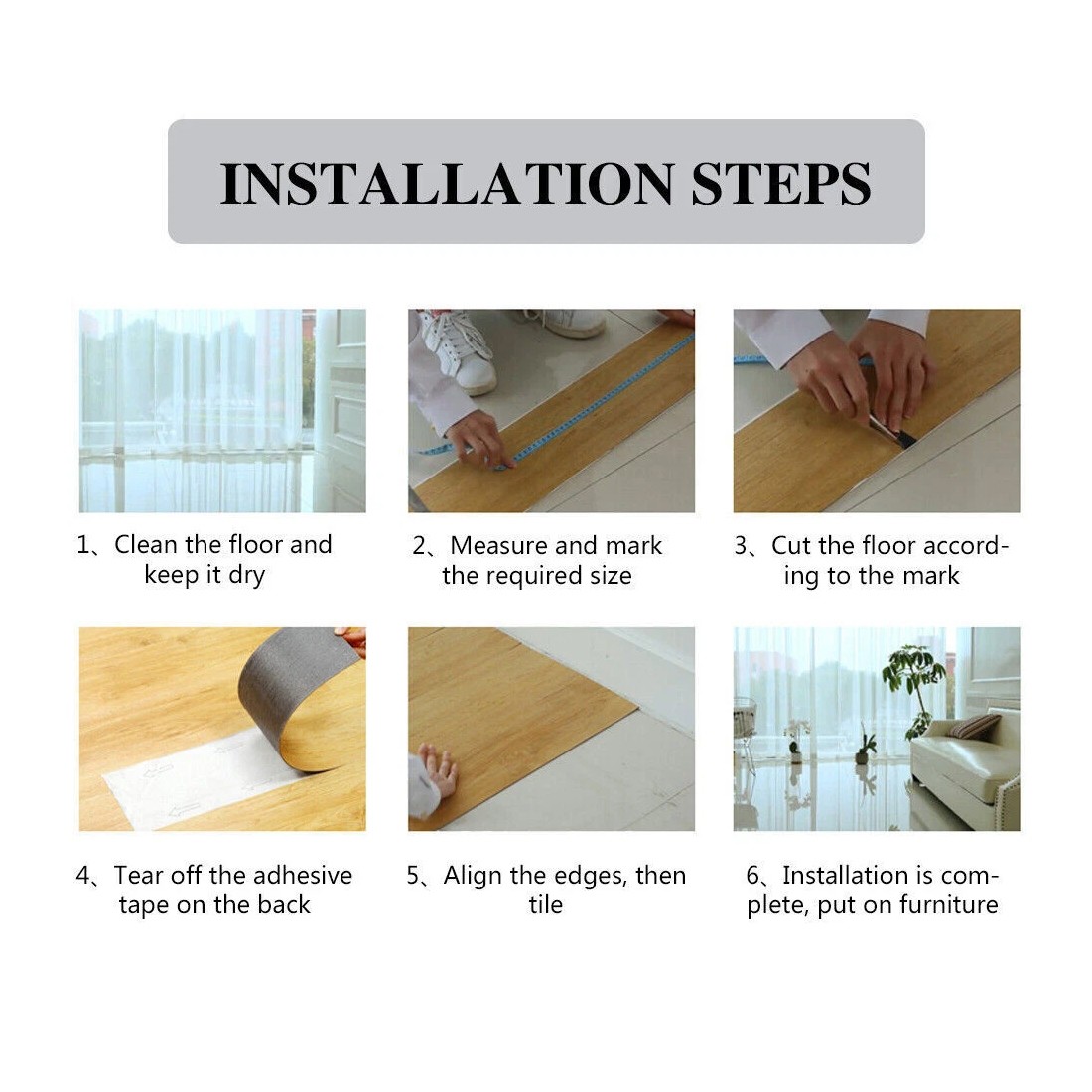
This is especially true with thinner self-adhesive products. They can be excellent value and useful for quick updates, but they rely heavily on a clean, level subfloor and they do not offer the same solidity as thicker click vinyl. If you are considering easy-fit options, products such as self-adhesive vinyl floor tiles or self-adhesive vinyl flooring wood effect planks can work well in lighter-duty spaces, but they are best chosen with realistic expectations.
Laminate and surface toughness
Laminate often has the edge when it comes to resisting light scratching from chairs, toys and general footfall, particularly in mid-range and better products with a decent AC rating. It also tends to feel more rigid and substantial underfoot, which some homeowners simply prefer. In living rooms and bedrooms, that can make laminate feel closer to real wood than budget vinyl does.
The trade-off is that once laminate is damaged, repair is less forgiving. Chipped edges, swollen joints and moisture-related lifting are more obvious than the marks many vinyl floors pick up. So the question is not just “which lasts longer?” but “what kind of wear is more likely in your home?”
Best choice by room
In many UK homes, the answer is mixed rather than all-or-nothing. Vinyl often makes more sense in kitchens, cloakrooms and hallways. Laminate is often a good-value choice for bedrooms, home offices and lounges. If you are trying to create continuity throughout the ground floor, vinyl may be the more practical compromise because it handles entrances and kitchen zones more confidently.
Underfloor heating compatibility
Both vinyl plank and laminate can work with underfloor heating, but neither should be bought without checking the manufacturer guidance. This is one area where assumptions cause expensive mistakes.
Vinyl with underfloor heating
Vinyl is often compatible with water-based and electric underfloor heating systems, provided the floor temperature stays within the product limit, commonly around 27°C. It transfers heat well because it is relatively thin, and many people like the softer feel underfoot. In a modern extension or kitchen-diner, that can be a very practical combination.
However, vinyl does not like excessive heat. If the system runs too hot, or if the floor is exposed to strong direct sun as well, planks can expand or shift. This is especially important in south-facing rooms with large bifold doors, which are increasingly common in UK renovations.
Laminate with underfloor heating
Laminate can also be suitable over underfloor heating, but the board thickness, density and underlay all affect performance. A thick laminate with the wrong underlay may slow heat transfer more than you expect. It can still work perfectly well, but it rewards careful specification rather than guesswork.
In older homes where underfloor heating is being retrofitted, laminate may also be less forgiving if moisture from a new screed has not fully dried. That is not a flaw in laminate so much as a site-condition issue, but it is a common one.
Expert tip: Before fitting any floating floor over underfloor heating, ask for the total tog value of the flooring and underlay together. A floor can be “compatible” on paper but still perform poorly if the build-up insulates too much heat.
Cost per square metre in the UK
On headline price alone, laminate often looks slightly cheaper than vinyl. In broad terms, expect budget laminate from around £10 to £15 per sqm, with decent mid-range products around £18 to £30 per sqm. Vinyl plank flooring starts at a similar level for thin peel-and-stick styles, but better click vinyl or luxury vinyl plank often lands between £20 and £45 per sqm, with premium options beyond that.
Those figures only tell part of the story. The true installed cost depends on:
- Subfloor preparation
- Underlay requirements
- Moisture barriers
- Trims and thresholds
- Adhesive, where needed
- Labour, if you are not fitting it yourself
Vinyl can become more expensive if your subfloor needs levelling, because thin products show every dip and ridge. Laminate can be cheaper to lay over a slightly imperfect floor with the right underlay, but if moisture protection is needed, those extras add up too.
For a typical UK bedroom of around 10-12 sqm, the difference may only be modest in total pounds. For an open-plan ground floor of 30 sqm or more, the gap can become more noticeable. Still, replacing a failed floor is far more expensive than choosing the right one first, so the cheapest per-sqm option is not always the best value.
Installation and subfloor realities
Vinyl needs a better base than many people expect
One of the least glamorous but most important truths is that vinyl, especially thinner plank and tile formats, needs a smooth, stable subfloor. If you lay it over cracked screed, flaky adhesive residue or old floorboards with movement, imperfections can telegraph through. In rental refreshes and quick makeovers, this is where disappointment often starts.
If you are looking at wood-look surfaces within the wider flooring tiles category, vinyl can be a smart and stylish option, but only if the prep work is not skipped. In many cases, spending on smoothing compound is what makes the finished floor look expensive.
Laminate is often easier for DIY
Laminate is usually more forgiving for competent DIYers. Click systems are widely available, underlay is straightforward, and the boards can bridge minor imperfections better than thin vinyl can. It is still important to leave expansion gaps and acclimatise the boards properly, especially in colder months.
That said, laminate can sound hollow or drummy if laid poorly, and cheap underlay is often to blame. If you dislike noise underfoot, do not underestimate the value of a better acoustic underlay.
What suits different UK homes?
Period terraces and older properties
Older homes can have uneven subfloors, draughts and more variation in indoor humidity. Laminate may be simpler in upstairs bedrooms and living rooms, but vinyl is often safer downstairs where wet weather and muddy entrances are part of daily life. In Victorian terraces, hallways and galley kitchens are classic vinyl zones.
New builds and modern extensions
In newer homes with level screeds and underfloor heating, both materials can work well. Vinyl often has the practical edge in open-plan spaces because it handles kitchen spills better and can flow through the room with fewer worries. Laminate still makes sense where budget is tight and the area is mainly dry.
Rental properties and quick updates
For landlords and homeowners refreshing a property before sale, peel-and-stick or self-adhesive vinyl can be appealing because it is affordable and fast to install. Just be realistic: it is a cosmetic solution rather than a forever floor. In lower-traffic rooms, that may be perfectly acceptable.
So which should you choose?
Choose vinyl plank flooring if your priority is waterproofing, easy cleaning, quieter footfall and compatibility with busy, spill-prone rooms. It is usually the more practical choice for kitchens, bathrooms, utility rooms and family hallways. Just budget properly for subfloor prep and avoid assuming every vinyl product is heavy-duty.
Choose laminate if you want a cost-effective wood-look floor for dry rooms, prefer a firmer feel underfoot and want something that often looks more substantial than budget vinyl. It remains a strong choice for bedrooms, lounges and studies, provided moisture is not a recurring issue.
For many UK homes, the most sensible answer is not vinyl everywhere or laminate everywhere, but the right floor in the right room.
FAQs
Is vinyl plank better than laminate for UK kitchens?
Usually, yes. Vinyl plank flooring is generally better in kitchens because it handles spills and splashes more safely than standard laminate. If you cook often, have children or pets, or use the back door regularly, vinyl is normally the lower-risk option.
Can you use laminate flooring in a bathroom?
You can use some water-resistant laminate products in bathrooms if the manufacturer specifically approves it, but standard laminate is not the best choice there. In most cases, vinyl is the more reliable bathroom flooring option because it is less likely to swell if moisture gets into the joints.
Which is cheaper per square metre, vinyl or laminate?
Laminate is often slightly cheaper per square metre at entry and mid level, but installation costs can narrow the gap. Vinyl may cost more upfront, especially in click formats, yet it can offer better long-term value in wet or high-traffic rooms where laminate may fail sooner.
Is vinyl or laminate better with underfloor heating?
Both can work with underfloor heating if the product is approved for it and the floor temperature stays within the manufacturer limit. Vinyl often transfers heat efficiently because it is thinner, while laminate can perform well too if paired with the correct underlay and installed over a properly dried subfloor.
What lasts longer in a busy family home?
It depends on the type of wear. Laminate can resist light scratching well in dry rooms, while vinyl usually copes better with spills, wet shoes and general kitchen or hallway use. In many family homes, vinyl lasts better downstairs and laminate performs well upstairs.
If you want one simple recommendation, go for vinyl where water and mess are part of daily life, and laminate where comfort, appearance and value matter more than waterproofing. A room-by-room approach usually gives the best result.