In a rented Victorian terrace in Clapton, I once watched a handsome 55 cm headboard vanish behind two pillows and a 26 cm-deep mattress. The room was only 2.8 m by 3.1 m, with a chimney breast stealing 38 cm from one side, so the owner had picked a low bed to keep the space calm. Lovely idea. Useless for reading. By page six, she was wedged against the wall with a cushion sliding into the skirting board. For anyone who reads in bed most nights, headboard height for reading is less about hotel grandeur and more about where your shoulders actually land.
This guide gives the measurements I’d use, the upholstery I’d choose, and the fixing method that causes the least faff in a real UK bedroom.
How I’m thinking about this
I measure headboard height from the top of the mattress, not from the floor. Floor measurements are misleading because a divan with a 24 cm mattress sits very differently from an ottoman bed with a 31 cm pillow-top mattress. For a typical UK double or king-size mattress, the sweet spot for reading is usually 60 cm to 75 cm above the mattress surface. That gives most adults enough support from lower back to upper shoulders without creating a great upholstered wall behind the bed.
Room scale matters too. A 130 cm-tall headboard can look balanced in a 3.8 m-wide bedroom with high ceilings, but in a Manchester new-build box room it may feel bossy. I’m also looking at whether the headboard can be cleaned, whether the fabric grips pillows, and whether it fixes to the wall or to the bed frame. If you’re browsing wider bedroom furniture, check the mattress depth and bedside table height before falling for the prettiest shape.
The best headboard height for reading
For most adults, I’d start with a headboard that rises 65 cm to 70 cm above the mattress. If your mattress top is 62 cm from the floor, that means an overall headboard height of roughly 127 cm to 132 cm. It looks substantial without shouting, and it gives you enough upholstered surface to lean into with one proper reading pillow.
Under 55 cm above the mattress, the headboard becomes decorative rather than useful. It may suit someone who only reads for ten minutes before kip, but taller readers will end up bracing against the wall. Over 80 cm above the mattress, the support is generous, though the visual weight climbs quickly. In a narrow terraced-house bedroom, a very tall padded headboard can make the bed feel as if it has been pushed forward into the room, even when it hasn’t moved an inch.
Reading style
Height above mattress
Typical total height from floor
Works best with
Caveat
Occasional paperback, one pillow
45-55 cm
105-115 cm
Low upholstered or timber headboard
Too low for many adults over about 5 ft 9 in
Nightly reading, upright posture
60-70 cm
120-135 cm
Padded linen, velvet or boucle
Needs careful measuring if your mattress is over 28 cm deep
Tablet reading, two pillows
70-80 cm
130-145 cm
Deep padded wall-mounted panel
Can dominate a small bedroom wall
Hotel-style sitting up in bed
85-100 cm
145-165 cm
Floor-standing statement headboard
Often awkward on narrow stairs and harder to move house
Upholstery makes more difference than you think
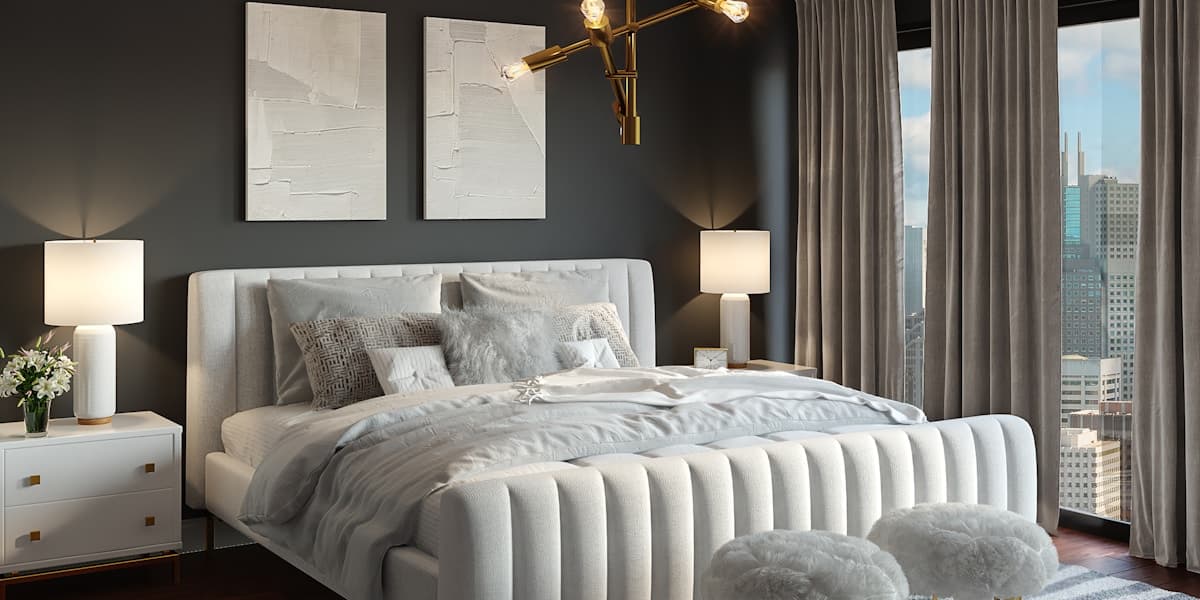
A reading headboard needs a bit of give. Hard timber can look beautiful, especially in a pale oak room with linen bedding, but after 20 minutes your shoulder blades will know about it. If you love timber, use a large rectangular cushion or a wedge pillow, and accept that the headboard is doing more visual work than ergonomic work.
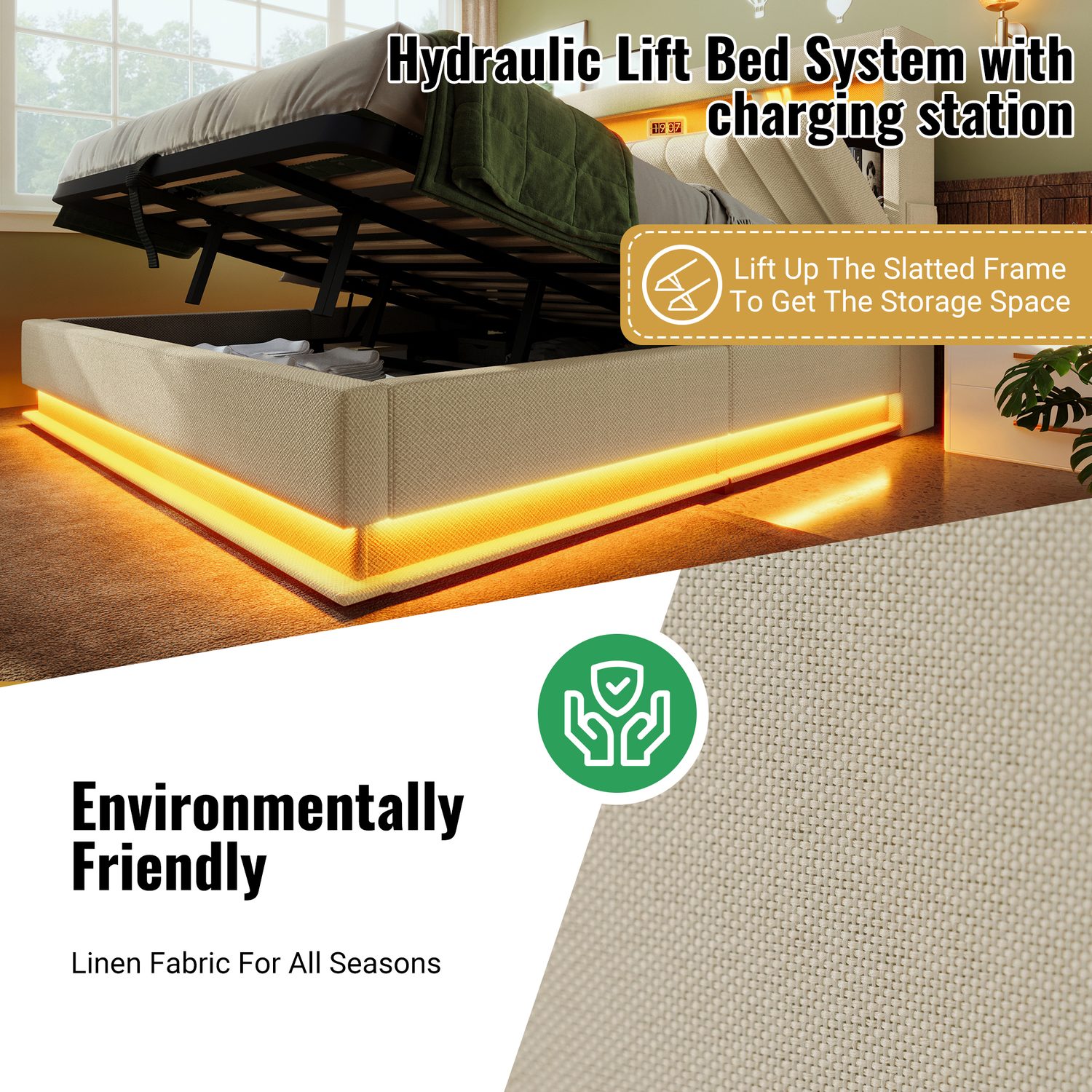
Linen-look upholstery is the safest all-rounder. It reads softer than painted wood, doesn’t shine under bedside lamps, and tends to grip pillows well. The downside is that pale beige linen can mark where hair products or hand cream touch it, especially along the top edge. A textured beige ottoman bed such as Villalta Home Co.’s 4ft6 double ottoman bed in beige linen with LED headboard is the sort of practical route I’d consider for a small flat, though built-in Lighting still means planning for a BS 1363 socket near the bed.
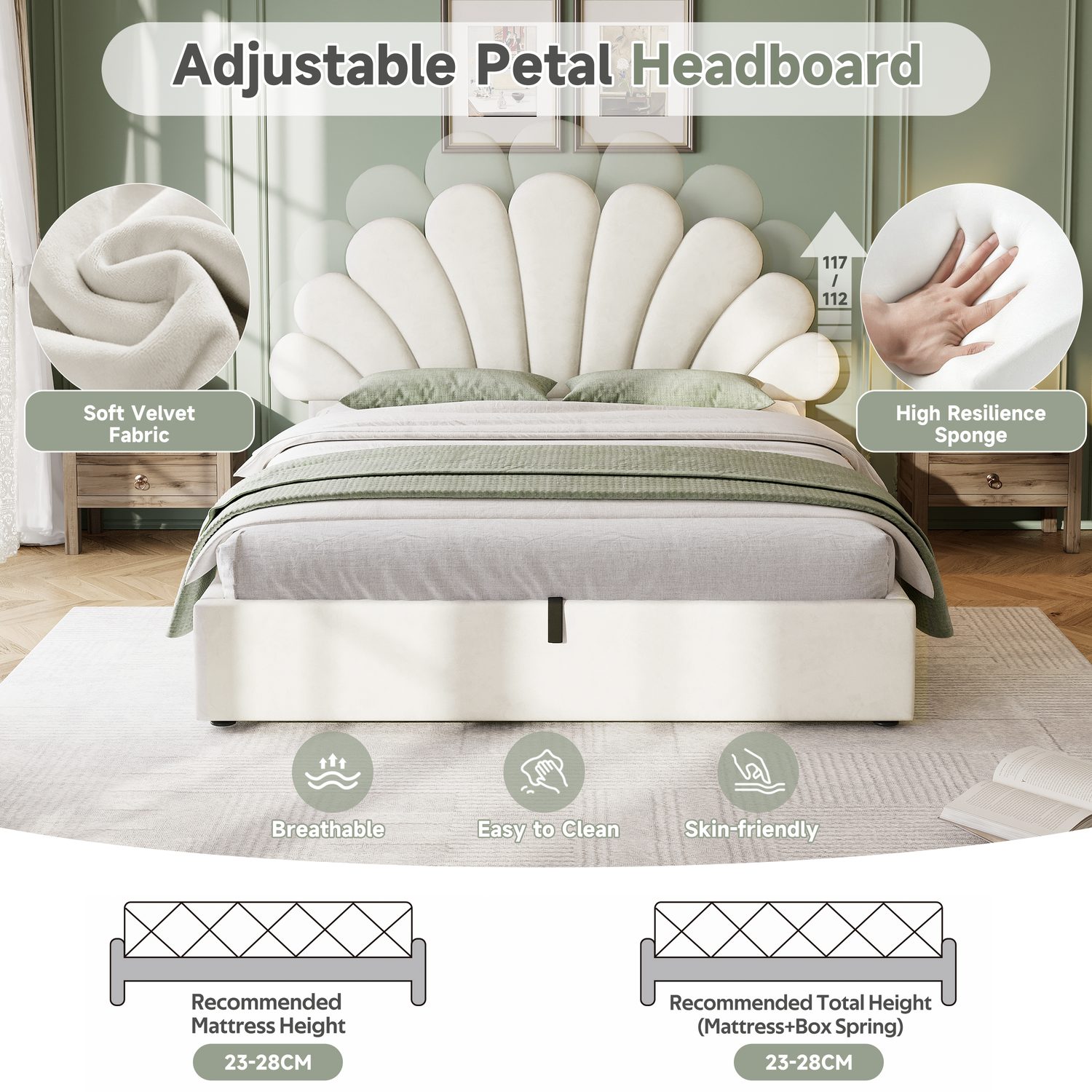
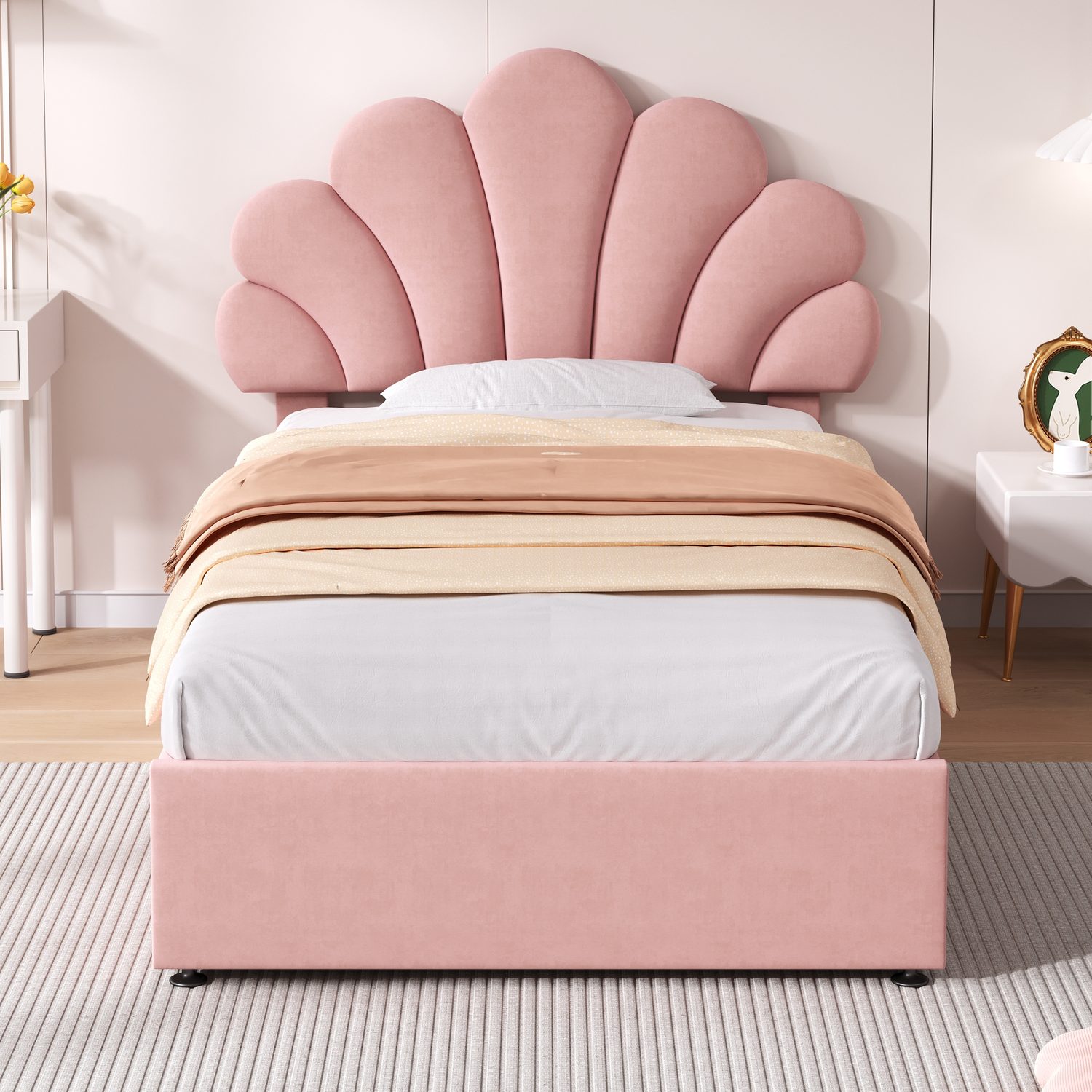
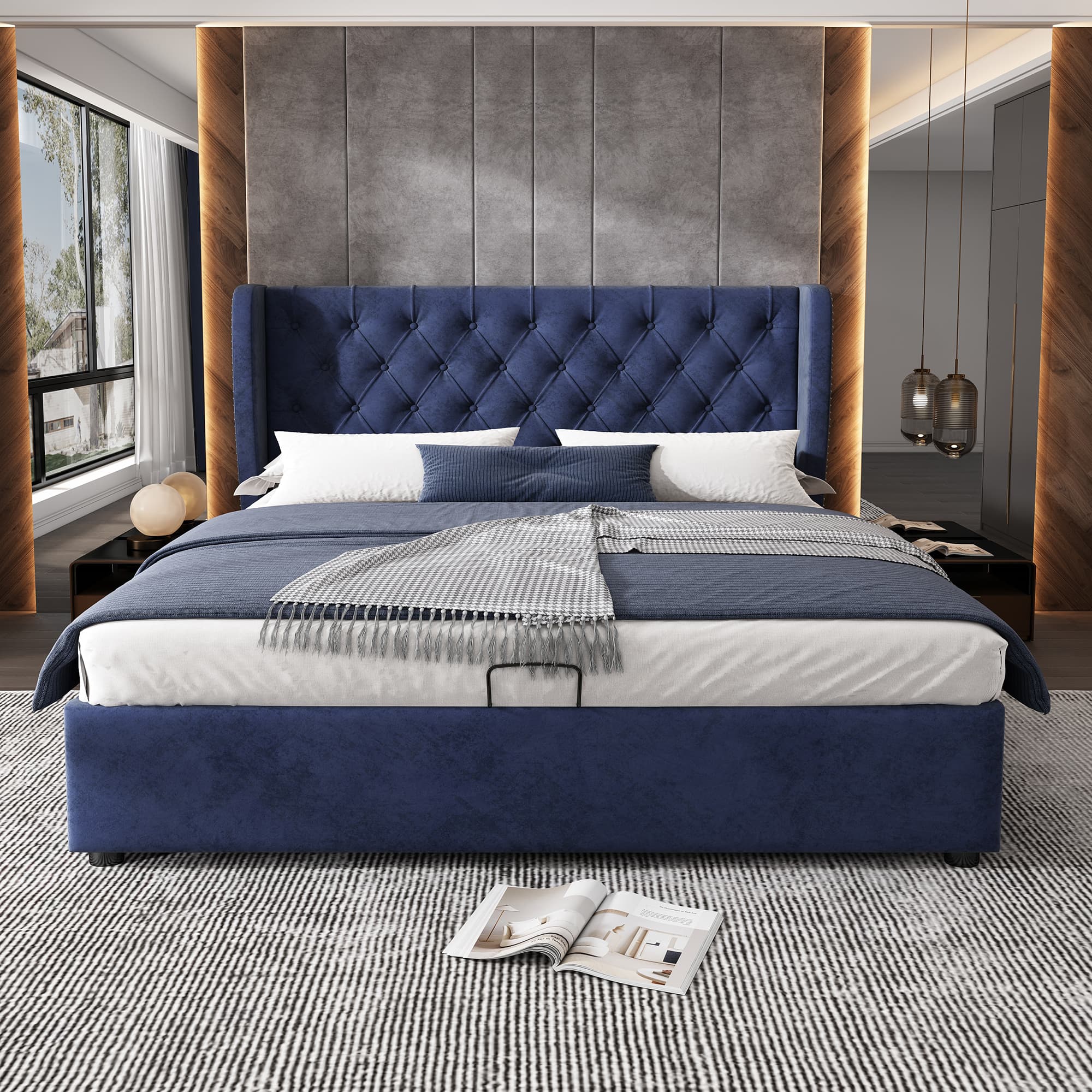
Velvet feels more indulgent and is kinder against bare shoulders, which is why I like it in guest rooms and quieter bedrooms. It does show pressure marks. Dark blue velvet can look patchy in raking morning light, and pink velvet in a child’s room will show every sticker, hairclip and biscuit crumb. Villalta’s upholstered hydraulic double bed with adjustable petal headboard is relevant here because adjustability helps if two people sit at different heights, but the shaped panels are more of a style statement than a minimalist solution.
Padding depth: aim for comfort, not marshmallow
I’d look for 4 cm to 8 cm of padding on a reading headboard. Less than that and you feel the board behind it; much more and pillows can sink, which sounds cosy but often leaves your neck tipped forward. Buttoned headboards are pretty, yet the dips can catch dust and create lumpy pressure points. Channelled headboards are better if the channels run vertically and are shallow. Deep horizontal channels can become crumb shelves. Not glamorous, but true.
Chartered physiotherapists at the CSP give a useful rule for sitting in bed: support the lower back and bring the book or tablet up towards you, rather than curling your neck down towards it.
Wall-fixed, bed-fixed or floor-standing?
Bed-fixed headboards bolt directly to the frame. They’re common, cheaper to install and usually fine if the bed frame is solid. The catch is wobble. If the frame flexes, the headboard moves with it, which can feel flimsy when you lean back with a hardback. Check that the brackets are metal, not thin pressed strips, and tighten them after the first fortnight.
Wall-fixed headboards feel calmer. They don’t shift with the bed, and you can set the height exactly where your shoulders need it. This is my favourite option for serious readers, especially with a deep mattress. The snag is drilling. In rented flats, you’ll need permission, and in older brick walls the job can get messy. Use the right plugs for masonry or plasterboard; a heavy upholstered panel hung on wishful thinking is a dodgy thing to sleep under.
Floor-standing headboards sit behind the bed and usually fix lightly to the base or wall. They look expensive because they create that fitted, hotel-like plane. They’re also heavy. Before ordering one, measure the staircase turn, the landing width and the gap between banister and wall. A 150 cm-wide double headboard may fit the bedroom beautifully and still refuse to go up the stairs.
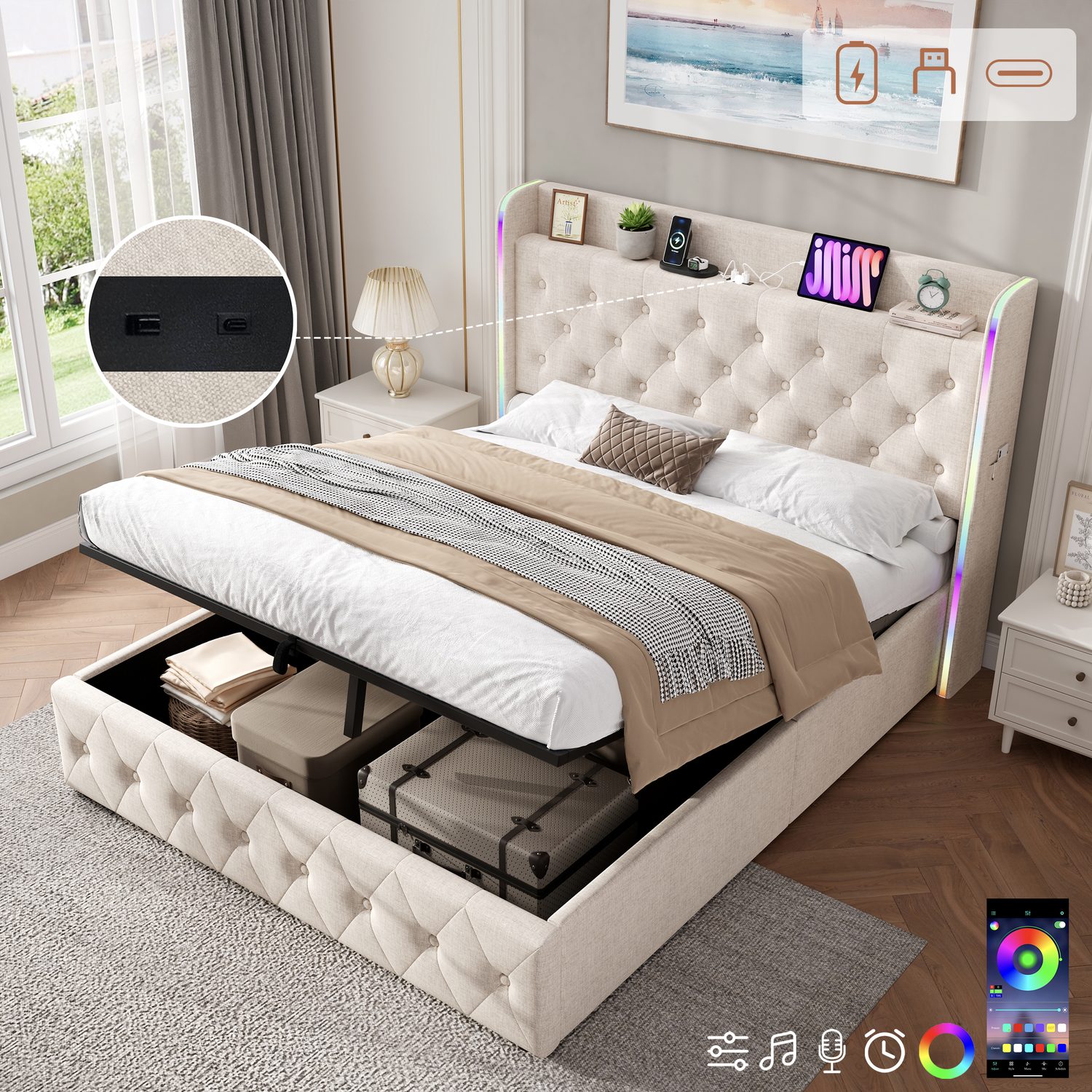
For storage beds, the headboard has another job: it must not make the lifting mechanism awkward. An ottoman such as Villalta’s beige double ottoman bed with LED and USB storage headboard keeps charging and storage in one zone, which is sorted for small rooms, but all those features add visual busyness. If your bedroom already has lamps, switches and a gallery wall, a plainer upholstered headboard may rest the eye better.
How to measure at home
Put your mattress on the bed frame you’ll actually use, then sit in your normal reading position. Don’t measure while standing in a shop, because you’ll underestimate. Place a pillow behind your lower back and ask someone to mark the wall at the top of your shoulder. Add 5 cm to 10 cm so the headboard still looks intentional above the pillows. For many people, that mark lands around 65 cm above the mattress.
If two people share the bed, measure the taller reader and check the shorter one won’t feel swallowed. A UK king-size mattress is 150 cm by 200 cm, so there is room for two reading positions, but the headboard height has to serve both. Adjustable designs, including Villalta’s 3ft single ottoman bed with adjustable petal velvet headboard for children or spare rooms, are useful when mattress depths change. The caveat is that moving parts can loosen, so they need the occasional check with an Allen key.
FAQs
What is the best headboard height for reading in bed?
For most adults, 60 cm to 75 cm above the top of the mattress is the most useful range. It supports the back and shoulders without making the bed look oversized.
Should I measure headboard height from the floor or mattress?
Measure from the mattress surface. A 25 cm mattress and a 32 cm mattress will change where your shoulders meet the headboard, even if the floor-to-top height looks similar online.
Is a wall-mounted headboard better for reading?
Usually, yes. A wall-mounted headboard feels steadier because it does not move with the bed frame, but it needs proper fixings and may not suit rented homes where drilling is restricted.
What upholstery is best for leaning against?
Linen-look fabric is the safest everyday choice because it grips pillows and looks relaxed. Velvet feels softer, but it shows nap marks and can look uneven in strong side light.
How high should a headboard be with a deep mattress?
If your mattress is 28 cm to 32 cm deep, ignore the retailer’s floor height and check the exposed height above the mattress. Aim for at least 60 cm if you read regularly.
If you read in bed most evenings, I’d choose a padded headboard around 65 cm to 70 cm above the mattress, ideally wall-fixed if the room and tenancy allow it. For a compact flat, a linen-look storage bed with a restrained headboard is the sensible pick. If you’ve got space, budget and a forgiving staircase, a taller floor-standing upholstered headboard gives the most generous, grown-up reading spot.
Villalta Home Editorial is the in-house byline used for buying guides and product roundups on villaltaco.uk. Each guide is written by the editorial team, drawing on the catalogue's measurable data — real dimensions, materials, UK use cases, price bands — and on hands-on research into how products actually perform in UK homes. Every post tagged with this byline is reviewed and approved by Juan Antonio Villalta Pacheco, the founder and editor, before it goes live. See our editorial standards for the full process.
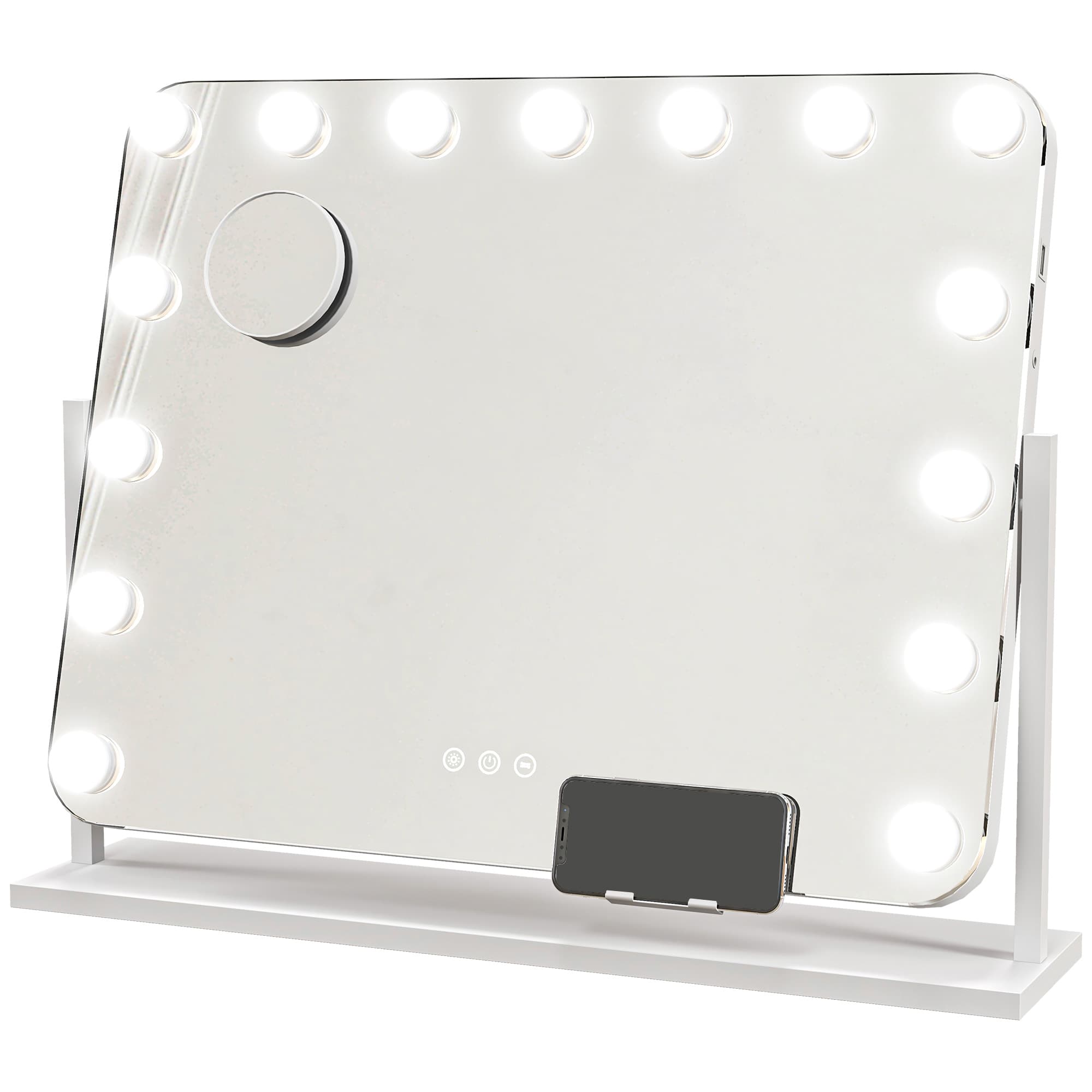
Most UK bedrooms have one ceiling pendant and a warm bedside lamp — the worst light for putting on makeup. A small LED mirror with three colour modes fixes it. Five tested picks from about £36 to around £61, from the best daily tabletop to the splurge that doubles as a jewellery cabinet.
Five real storage beds from £78.99 to £281.99 for UK box rooms, rental bedrooms and compact doubles, chosen for useful drawers, lift-up storage, charging shelves and honest space trade-offs.