Open kitchen shelving is a storage fantasy, not a solution
Last Tuesday I took down six white bowls from the two 900mm oak shelves in our kitchen and found the same greasy grey rim on every foot ring. Not filth. Just the ordinary film of a terraced-house kitchen where onions hit hot oil, toast burns during the school run, and the extractor is doing its best through a wall that was never designed for modern cooking. The shelves looked brilliant for the first fortnight. Then the pasta jars started arriving, then the mismatched mugs, then the emergency packet of wraps shoved sideways because the bread bin was full. That is the bit the photographs leave out.
Open kitchen shelving is practical only for things you can afford to clean, curate and under-use; for ordinary UK kitchens, it is a storage fantasy pretending to be a solution.
The shelf sells a picture; the cupboard does the job
The fashionable fight in kitchens right now is oddly confused. House Beautiful reported on 1 Apr 2026 that the 'invisible kitchen' is rising: appliances, storage and worktop clutter concealed so open-plan kitchens read more like architecture than workspace. Ideal Home, on 3 May 2026, said chef-style kitchens are trending too, yet its practical advice was not a wall of exposed cereal boxes. It centred on a chef's wall, pull-out storage and slim corner shelving. That tells you something. Even the glamorous version of a working kitchen is quietly admitting the hard bit happens inside cabinets.
A normal UK kitchen is not a set. Mine is 2.35m wide, with a 600mm dishwasher door that blocks half the room when open and a 300mm-deep shelf that can technically hold dinner plates, so long as nobody knocks them with an elbow. A standard wall cabinet gives you a door, adjustable shelves and depth you can fill without making the room look like a closing-down sale. The door is not glamorous. It is doing unpaid labour every day.
Open shelving asks your storage to perform two jobs at once: hold things and look good while holding them. That sounds efficient until you price in the faff. The chipped pasta bowl you still use because it is perfectly decent? On a shelf it reads as clutter. The £1.75 supermarket degreaser you reach for because the shelf above the hob has gone tacky? That is maintenance masquerading as style. Closed storage is not a failure of taste. It is the basic technology that lets a kitchen survive being used.
Most people do not own display-worthy quantities of useful things
The open-shelf fantasy relies on a very specific inventory: six matching plates, eight glass tumblers, a stack of linen napkins, three handsome jars and nothing bought in a hurry from the corner shop. Real kitchens contain Calpol syringes, spare birthday candles, oven gloves with singed thumbs, air-fryer accessories, the potato masher nobody likes but everyone uses, and the one giant mug claimed by a person who will notice if you bin it.
There is also the dull maths of capacity. A 900mm-long shelf, 250mm deep, gives you an attractive line for plates and bowls. It does not give you the same forgiving volume as a run of 600mm wall units with doors, especially once you leave breathing room so it looks intentional. Cram an open shelf to its limits and it stops being airy. Use it sparingly and it stops being storage. That is the contradiction.
This matters more in British homes because many kitchens are already compromised. Victorian terraces often have narrow galley rooms with chimney breasts, soil pipes boxed into corners and radiators sitting exactly where a tall unit should go. Manchester new-build flats can be better planned, but open-plan living means the kitchen is visible from the sofa, so every tea towel and Weetabix box joins you for telly. If you rent, you may also be stuck with a recirculating extractor and no sensible place for a pantry cupboard. Open shelves do not solve those constraints. They put a spotlight on them.
The hidden carcass is where value lives
I have more time for boring cabinets than I used to, mostly because I have watched cheap kitchen storage fail in slow motion. A drawer runner goes first. Then a hinge starts dropping. Then a door no longer closes flush and suddenly the whole kitchen looks tired, even if the worktop is spotless. Reddit's r/DIYUK thread on 16 Apr 2026 was full of anxiety about cabinetry quality, replacement doors and fit delays. That is not design nerd noise. It is the truth of kitchens: the part you do not photograph is the part you live with.
Open shelving dodges some of that cost by removing doors and hinges, but it does not remove the need for structure. A shelf loaded with dinner plates is heavy. A stack of stoneware can push 12kg before you add glasses. Fixing into old brick, crumbly plaster or a stud wall in a rented flat is not a casual Saturday job unless you know exactly what is behind it. A dodgy bracket is not charmingly imperfect when it is holding your breakfast bowls above a kettle with a BS 1363 plug.
Cabinet planning is less photogenic because it is full of small, adult decisions: drawers instead of dead base cupboards, pull-outs where packets usually disappear, tall storage where the mop and bulk rice can live without leaning against the boiler cupboard. Ideal Home's 2026 chef-style advice understood this. The working kitchen wants access, grouping and reach. A decorative shelf wants a camera angle.
Reddit regret is not data, but it is a warning sign
One r/AskUK renovation-regrets thread from 15 Apr 2026 included the line that open kitchen shelving looked good for about two weeks before reality set in. That is anecdote, not a laboratory finding. I would not build a whole kitchen philosophy on one annoyed poster with dusty mugs.
Still, the complaint rings true because the failure pattern is so consistent. The shelf starts as a disciplined edit. Then life expands into it. A child brings home a decorated mug. Someone buys protein powder in a tub the size of a paint kettle. Christmas adds serving dishes. The shelf has no way to absorb these changes quietly, because its whole point is exposure. Closed storage is elastic. It hides the odd week, the bulk buy, the ugly-but-useful thing you need for a proper kip after cooking for eight people.
The case for open shelving
The strongest case for open shelves is not silly. In a small kitchen, a run of heavy wall units can make the room feel like a corridor with cupboards pressing down on your head. Open shelves can let light move, particularly in a narrow terrace kitchen with one window at the far end. They are cheaper than full cabinetry, easier to add after a refurb, and genuinely useful for items used every day. If you make coffee every morning, mugs above the machine are not a styling crime. If you have beautiful crockery and you actually rotate it through the dishwasher, showing it can make a kitchen feel lived in rather than sealed off.
I accept all of that. I just think it proves the smaller point, not the bigger one. Open shelves work as a decorative layer or a short working ledge. They are poor as the backbone of kitchen storage. The minute you ask them to replace cupboards, you are asking your daily mess to behave like a magazine spread. Most households cannot keep that up without becoming unbearable to live with.
If the thesis is right, plan the boring storage first
Before choosing shelves, count what you own. Not the aspirational version. The real one. Saucepans, lunch boxes, baking trays, pet food, medicines, Cleaning cloths, spare bulbs, odd plates. Then decide what deserves air and what deserves a door. For most homes, the answer is simple: closed storage takes the load; open shelving gets a small, honest role.
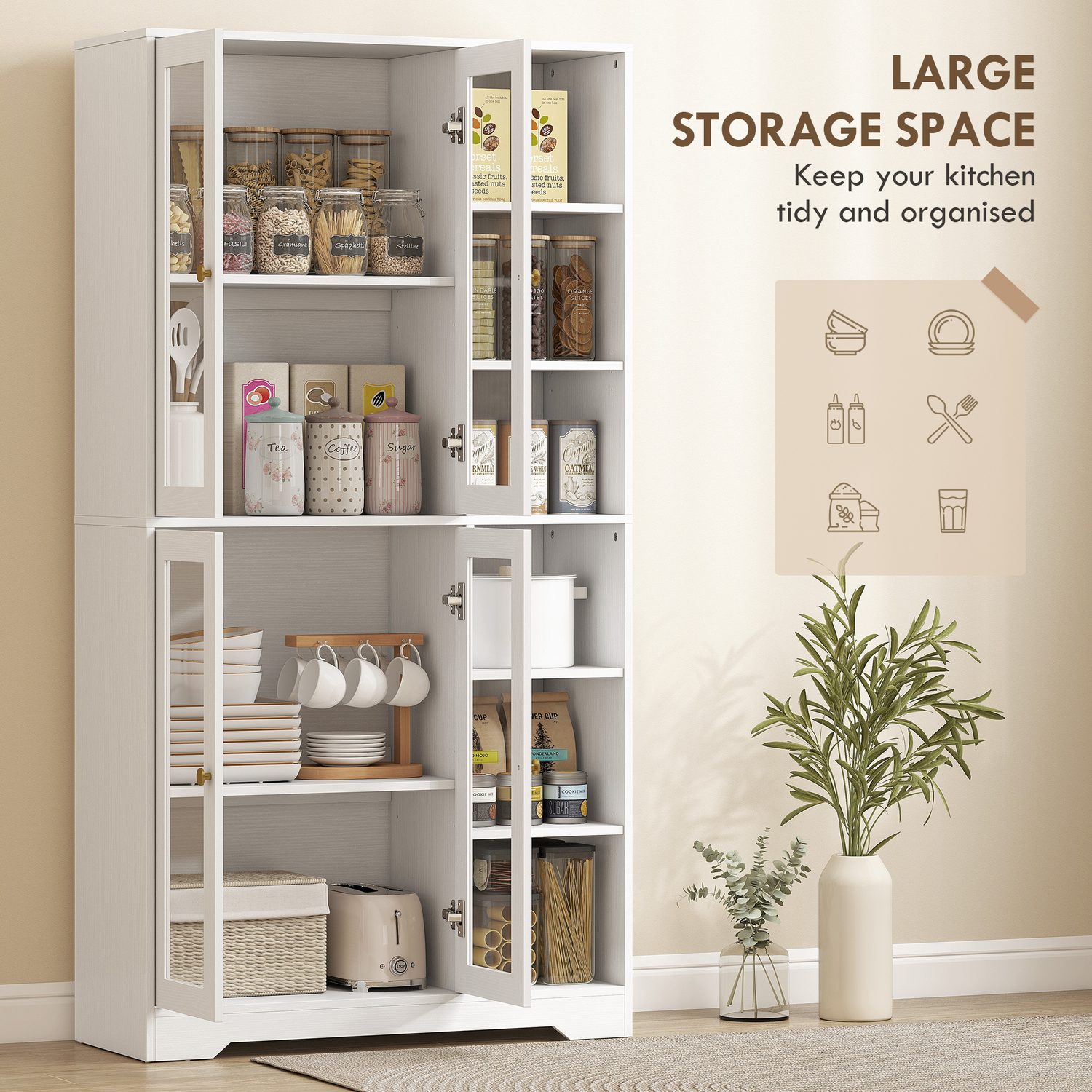
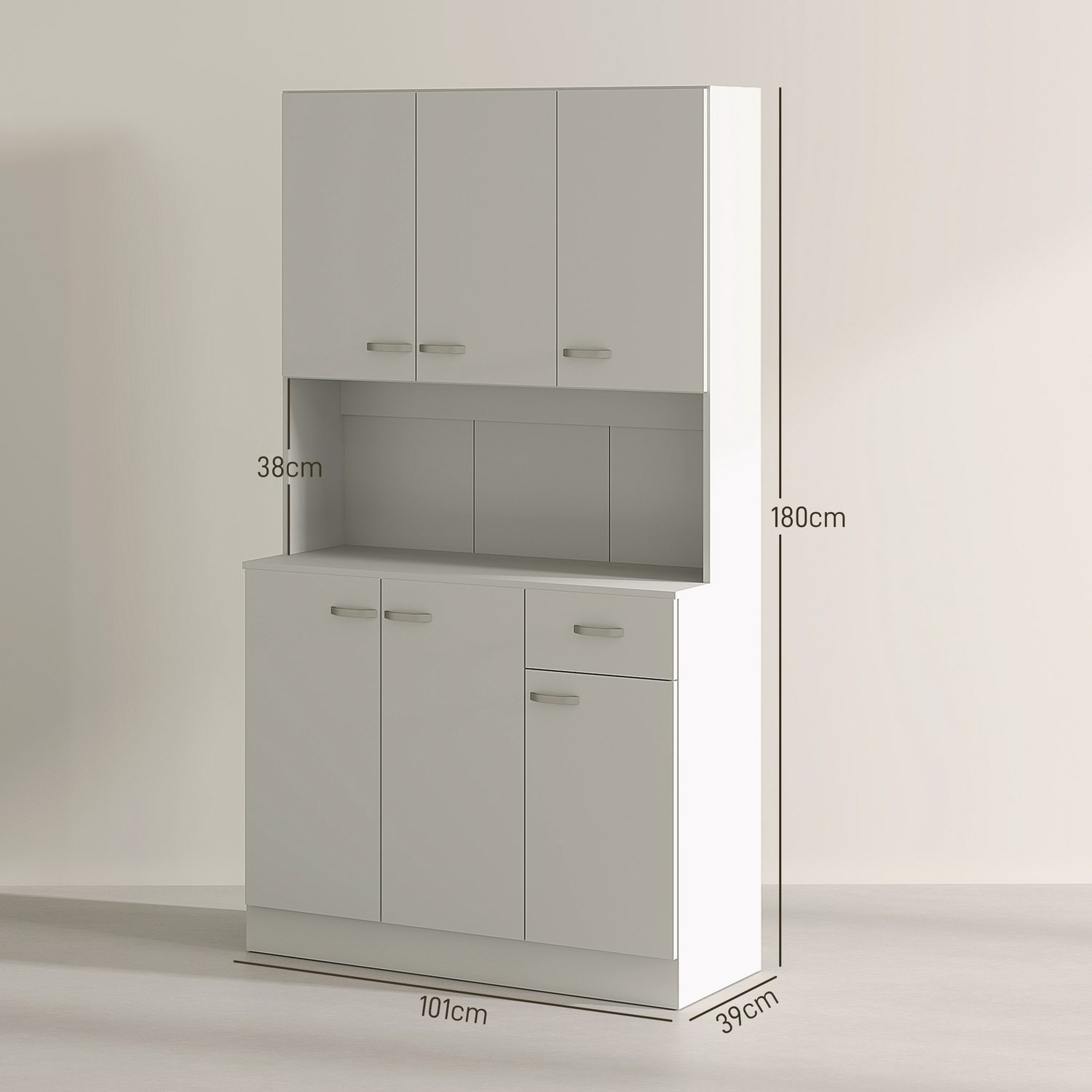
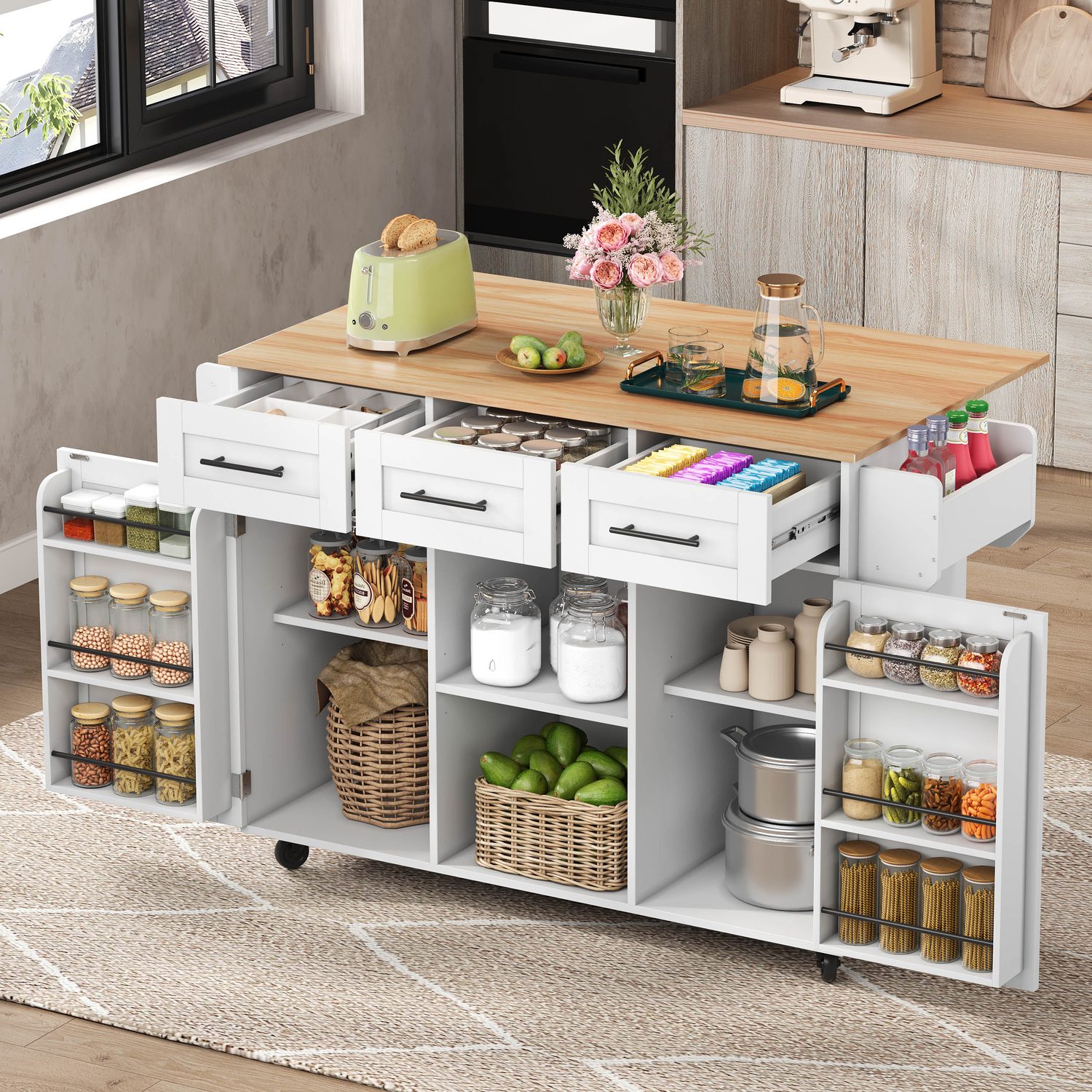
This is where Kitchen Furniture earns its place. A freestanding pantry cabinet can be the difference between an open shelf full of packets and a room that looks sorted by 9pm. A kitchen island trolley with a foldable countertop and enclosed storage can rescue a rented flat where you cannot fit another wall unit. A cabinet with glass doors and a little open shelving is a fair compromise if you want softness without surrendering every mug to grease. Villalta Home Co.'s kitchen furniture range has examples of those types, but the point is not to buy more furniture blindly. The point is to make the hidden storage do the hard work before you start styling the visible inch.
FAQs
Are open shelves in kitchens practical in the UK?
They are practical in a limited way. In ordinary UK kitchens, open shelves work best for daily-use mugs, plates or a few decorative pieces, not as the main storage system.
Do open kitchen shelves get greasy?
Yes, especially near hobs, kettles and toasters. Even with an extractor, normal cooking leaves a film on exposed crockery and shelf surfaces, so cleaning becomes part of the cost.
Are open shelves cheaper than cabinets?
Usually at installation, yes. But shelves need strong fixings, careful styling and regular cleaning. If they force you to buy extra closed storage later, the saving is weaker.
What should I use instead of open shelving?
Use closed wall units, drawers, pull-out storage, a tall pantry cabinet or a compact island trolley where space allows. Then add a short shelf only where it helps access or texture.
Can open shelving work in a rented flat?
It can, but renters need to be careful with wall fixings and deposit risk. Freestanding storage is often a safer bet than drilling heavy shelves into uncertain walls.
Open shelves are not wicked. They are just over-promoted. A shelf of nice bowls can bring warmth to a kitchen, and I like that more than the chilly invisible kitchen taken to extremes. But storage should be judged by what happens on a wet Wednesday after pasta, homework and the bins. By that test, doors, drawers and pantry furniture still win. The grown-up kitchen is not the one with nothing showing; it is the one that can absorb real life without making you polish it first.
Villalta Home Editorial is the in-house byline used for buying guides and product roundups on villaltaco.uk. Each guide is written by the editorial team, drawing on the catalogue's measurable data — real dimensions, materials, UK use cases, price bands — and on hands-on research into how products actually perform in UK homes. Every post tagged with this byline is reviewed and approved by Juan Antonio Villalta Pacheco, the founder and editor, before it goes live. See our editorial standards for the full process.