The left-hand wall of my shed is 183cm long if you measure past the bent rake handle, and in February it smells faintly of compost, old creosote and defeat. There is room for two folding chairs, a bag of multi-purpose peat-free, the barbecue cover that never quite dries, and one sulking terracotta pot with a crack down its side. There is not room for an “outdoor living room”. Not unless the living room in question is happy to be stacked vertically behind a lawnmower for six wet months.
This is where the current Garden Furniture fantasy falls apart. The glossy version is all plump modular seating, low Coffee Tables and cushions the colour of posh hummus. The useful version has hinges, light frames, covers that actually fit, and a winter plan.
The best garden furniture for a small UK garden is not the set that looks most like indoor furniture; it is the set that can be folded, covered, stored and dragged out again after a filthy winter without making you hate it.
The outdoor room is being sold to people with indoor storage
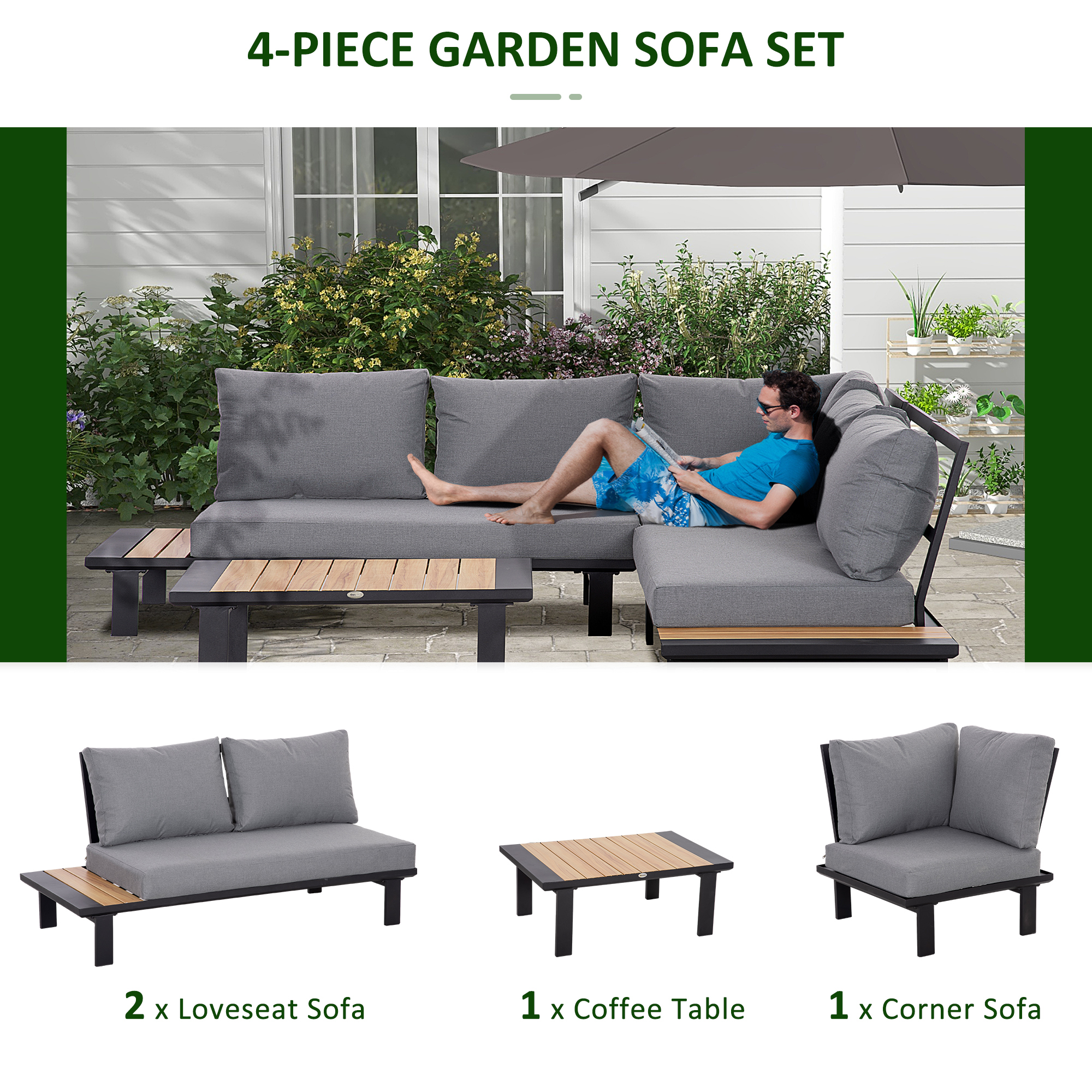
In early April 2026, Ideal Home framed one of the big garden-furniture directions as “indoor/outdoor living”: modular outdoor Sofas, curved shapes, natural finishes and terracotta colours that make the garden behave like a sitting room. I understand the appeal. A curved sofa on pale paving photographs beautifully. It softens the hard edges of a fence panel. It gives even a mean little patio the air of a boutique hotel courtyard, if you crop out the bins.
But British gardens are not styled for one June afternoon. They are lived through October drizzle, January gales and that particular March weekend when you optimistically remove the cover and find a small pond has formed in the sagging middle of it. A garden set that reads as a room in July can become a storage problem by Bonfire Night.
The phrase “outdoor living room” quietly assumes spare volume: a garage, a wide side return, a dry outbuilding, perhaps a utility room that does not already contain school shoes and a dehumidifier. In Victorian terraces, rented flats and many Manchester new-builds with postage-stamp patios, that spare volume simply isn’t there. The shed is often 6ft by 4ft, if there is a shed at all. The path to it may be narrow. The door may open badly because the ground has shifted. Nobody shows that in the campaign shot.
Rust is not a styling issue
The forums tell a more honest story than the moodboards. On r/AskUK on 13 April 2026, a shopper asked specifically for coated aluminium garden furniture because previous loungers had rusted and become uncomfortable. That is not a glamorous question. It is the question of someone who has already paid once for the wrong thing and now wants the faff to stop.
Rust changes the way furniture feels in a garden. It leaves orange tears on paving. It makes a black frame look tired. It turns the underside of a chair into something you prod with a trainer before allowing a guest to sit down. In a dry Mediterranean courtyard, a steel-framed lounger might age with a certain romance. In a UK garden, shoved under a cover beside a fence where air cannot move, it can go dodgy surprisingly quickly.
Aluminium is not magic, but the desire for it is revealing. People are asking for furniture that survives conditions, not furniture that completes a scheme. They want light enough to move, coated enough to cope, and plain enough that a scratched leg does not ruin the entire look. That is a very different brief from “make the patio look like the snug”.
Foldability is an aesthetic, if you are honest about winter
A second Reddit thread, this time on r/GardeningUK on 30 March 2026, had a buyer struggling to find a six-seat wooden set under £1,000 and wanting something foldable for winter storage. That detail matters: six seats, wood, under a grand, foldable. It is the real arithmetic of British outdoor life. We want to feed people in the garden twice a year as if we live in Provence, then store the evidence by the compost bin until May.
I have a soft spot for timber in a garden. A weathered teak chair against a brick wall has a warmth that resin rattan never manages. It catches light well, especially in the low gold hour after rain, when the garden briefly looks as if it has forgiven you. Second-hand teak can be savvy if the joints are sound and you are willing to oil it or let it silver. But a six-seat wooden dining set is not a vibe; it is a volume of material with legs, arms and an annoying reluctance to disappear.
This is why folding furniture should not be treated as the poor relation. A folding table leaned flat against a shed wall is not glamorous, but it is dignified. A chair that collapses neatly is not less designed than a tub chair with a weatherproof cushion; it is designed for the full year, not just the shot. There is a quiet beauty in furniture that knows when to get out of the way.
The trolley trend accidentally admits the truth
Two weeks after its indoor/outdoor living piece, Ideal Home spotlighted garden trolleys as a trend that works even on balconies because it adds mobile storage and serving space. That is the more useful clue. The outdoor room does not only need mood. It needs somewhere to put secateurs, citronella, a water jug, sun cream, half a packet of crisps and the cushions when the sky goes the colour of wet newspaper.
A trolley is hardly the heroic centrepiece of a dream garden. Yet it answers a problem the sofa trend prefers to blur. Small gardens need furniture that moves. Balconies need pieces that can change job between breakfast and laundry drying. Patios need surfaces that can be wheeled under shelter rather than left to grow algae around the feet.
Once you start seeing mobility as part of the aesthetic, the hierarchy shifts. A light aluminium chair with a slightly plain profile may be better than a sculptural lounge chair that takes two adults and a scraped knuckle to move. A bench with a simple metal frame may earn its keep if it can live against a wall under a breathable cover. Even cushions become suspect unless there is a real place for them after 9pm.
The case for the outdoor living room
The strongest argument against me is that small gardens deserve pleasure too. Of course they do. A rented flat with a 3m by 4m rectangle of paving should not be condemned to apologetic camping chairs. A proper outdoor sofa can make people use a garden more often. It can pull the household outside after work, make a Saturday coffee feel ceremonial, and turn a neglected patch into a place with a pulse.
There is also a design truth here: if everything folds, stacks and hides, a garden can begin to feel temporary. The best rooms have some permanence. A generous corner seat can anchor a patio in the way a rug anchors a sitting room. If you have covered storage, a wide gate, decent drainage and the discipline to cover things before the weather turns, a modular set can be a joy rather than a burden.
I still think the trend is being oversold to the wrong homes. The problem is not comfort. The problem is pretending comfort has no storage cost. If a sofa module cannot pass through your back door, if its cushions need half a wardrobe, if its cover pools water because the table is lower than the arms, then the room has been designed for summer and abandoned for winter. That is not luxury. It is clutter with better cushions.
What to choose if your shed is tiny
If this argument is right, the question is not simply what is the best garden furniture for a small UK garden. The question is where each piece goes in November. Start there, with a tape measure and no romance. Measure the shed door, not just the patio. Measure the gap beside the bins. Check whether a table folds flat or merely folds awkwardly into a thicker problem.
Materials should follow the storage plan. Coated aluminium earns its popularity because it is light and resists the rust panic that sends people back to forums. Second-hand teak is worth considering if you prefer a softer, lived-in look and can inspect the joints. Powder-coated metal can work, but only if scratches are dealt with and the piece is not left sitting in wet leaves all winter.
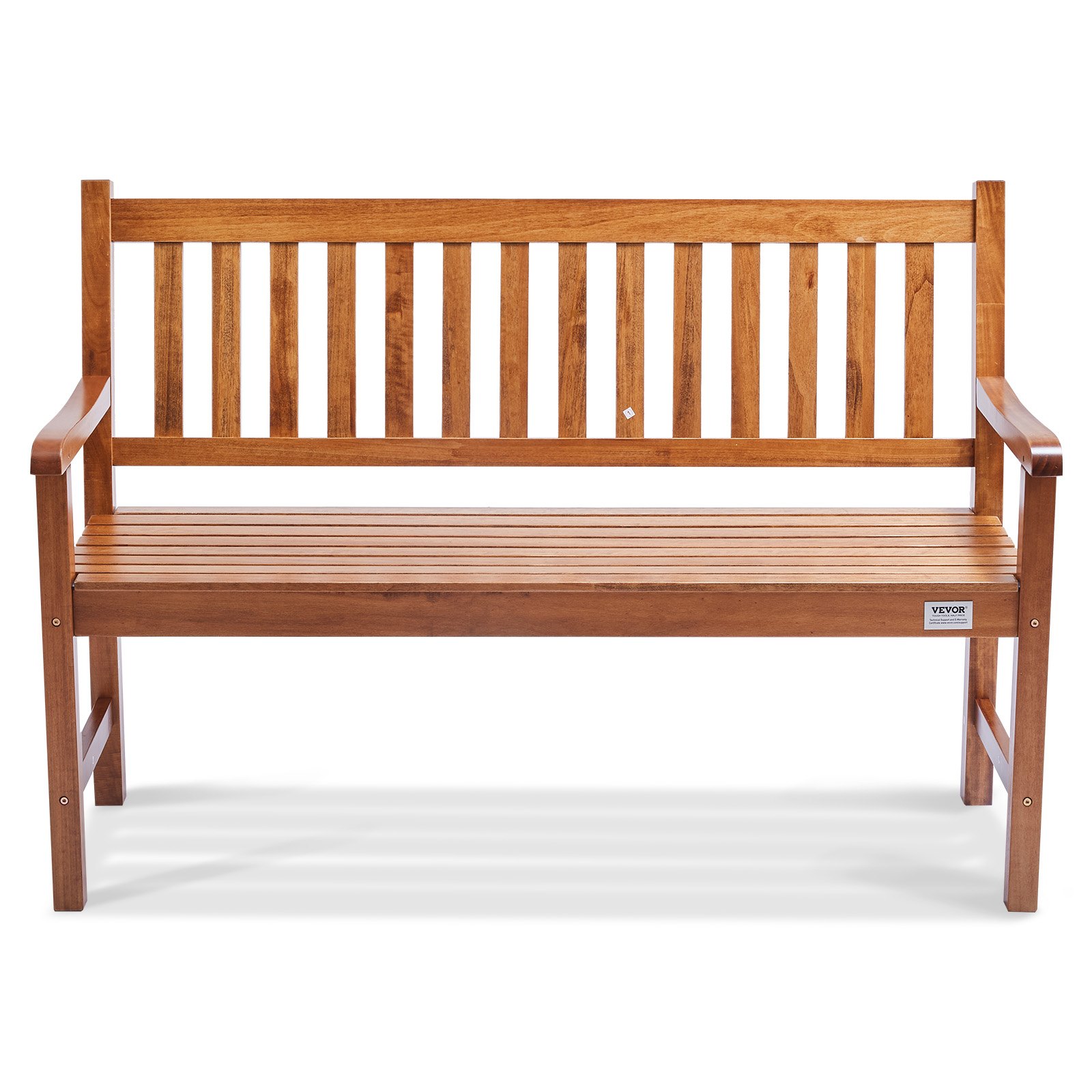
From Villalta Home Co.’s range, a metal garden bench or a heavy wooden bench only makes sense if you have decided it will live outside as a permanent piece, covered and placed where air can move around it. The premium 4-piece aluminium corner sofa set illustrates the dividing line perfectly: aluminium is sensible, but the corner-sofa format still demands cushion storage and a generous footprint. Buy that sort of thing for the garden you actually have, not the one the estate agent photographed with a wide-angle lens.
FAQs
What is the best garden furniture for small UK garden storage winter?
The best choice is usually light, foldable or stackable furniture with weather-resistant frames and a clear winter storage plan. Coated aluminium, folding timber and compact benches often make more sense than bulky modular sofas.
Should I leave garden furniture outside all winter in the UK?
You can leave some furniture outside, but it needs a breathable cover, drainage and airflow. Cushions should come indoors or into dry storage, because damp fabric is where the dream of an outdoor room goes to die.
Is aluminium better than steel for garden furniture?
For many small UK gardens, aluminium is easier to live with because it is lighter and does not rust like ordinary steel. Coatings still matter, and any scratches or joints need checking before winter.
Is wooden garden furniture a bad idea for a small garden?
No. Wooden furniture can be lovely, especially teak, but large wooden dining sets take up serious storage space. Folding wooden chairs or a compact bench are usually more realistic than a fixed six-seat set.
Are outdoor sofas worth it in Britain?
They can be, if you have room for the frame, the cushions and the cover. Without that, an outdoor sofa quickly becomes a damp obstacle you resent every time you open the shed.
The garden furniture that lasts in Britain has to be a little less vain than the furniture in the adverts. It must tolerate being lifted by one tired person, shoved past a narrow gate, dried off badly and forgiven in spring. I still want beauty outside. I want texture, shadow, somewhere to put a glass down. But in a small UK garden, beauty begins with the piece that survives the winter and comes back out without a row.
Villalta Home Editorial is the in-house byline used for buying guides and product roundups on villaltaco.uk. Each guide is written by the editorial team, drawing on the catalogue's measurable data — real dimensions, materials, UK use cases, price bands — and on hands-on research into how products actually perform in UK homes. Every post tagged with this byline is reviewed and approved by Juan Antonio Villalta Pacheco, the founder and editor, before it goes live. See our editorial standards for the full process.