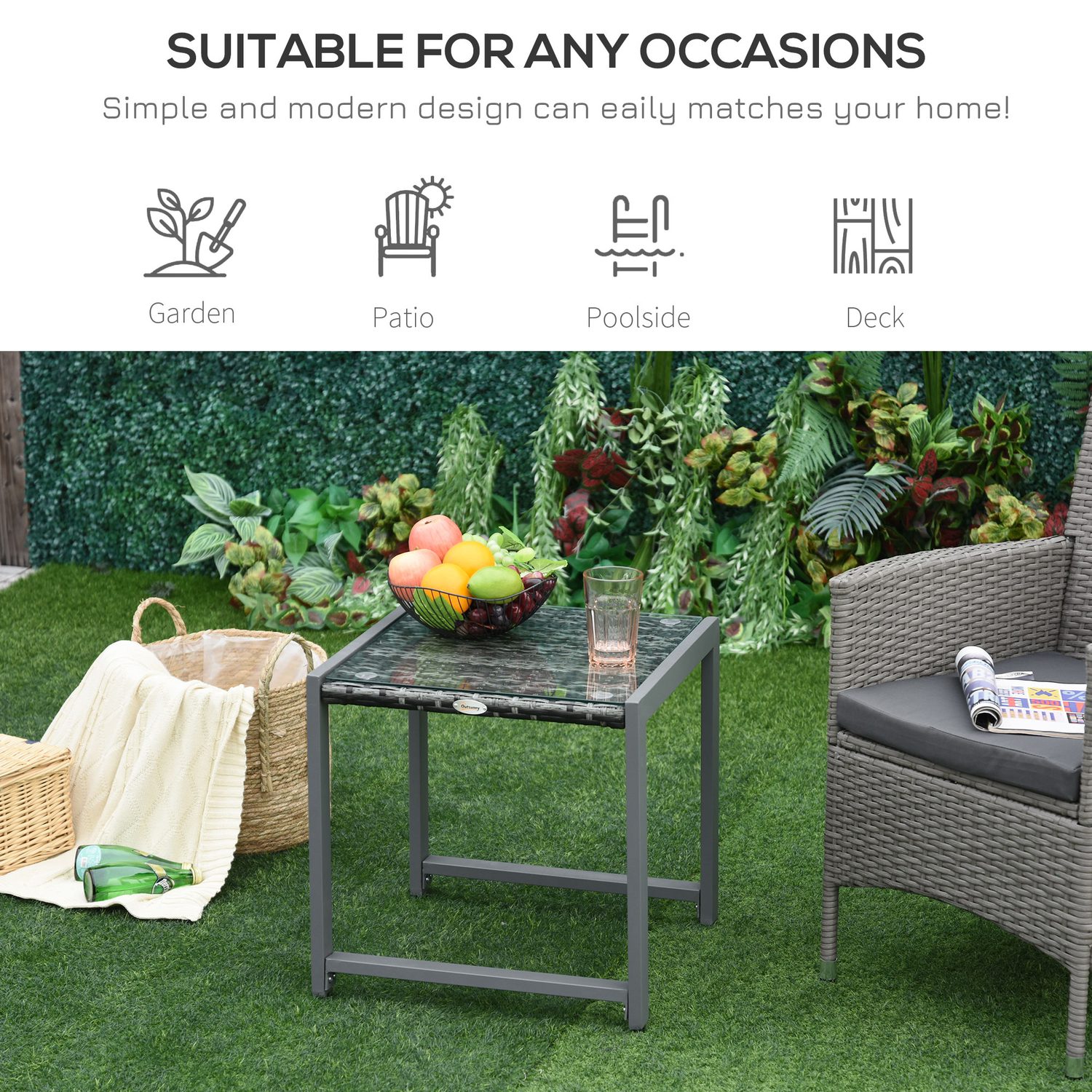
Winter is hard on outdoor furniture in the UK. Between persistent rain, damp air, overnight frosts, occasional snow and even low winter sun, a neglected set can come out of the colder months looking tired, stained or structurally weakened. If you have invested in a dining set, lounge seating or a compact bistro arrangement, knowing how to protect Garden Furniture in winter in the UK can save money and extend its life by years.
The good news is that protecting outdoor pieces is usually more about the right routine than expensive equipment. Covers help, but they are not a magic fix. Storage is excellent, but not every home has a garage, shed or utility room with spare space. Different materials also behave very differently in British weather, so the best approach for teak is not the same as the best approach for powder-coated steel or rattan. This guide explains what actually works, where the trade-offs are, and how to look after your garden furniture through rain, frost and UV exposure.
Why UK winter weather is so tough on garden furniture
Outdoor furniture in Britain faces a combination of problems rather than one single threat. Rain and damp are the obvious culprits, but they are only part of the picture.
Rain and persistent moisture
In many parts of the UK, winter means weeks of wet conditions rather than dramatic storms. Constant moisture encourages mould, mildew, rust and swelling in certain materials. Even where furniture is labelled weather-resistant, standing water on joints, cushions and tabletops can still cause gradual wear.
Frost and freeze-thaw cycles
Frost is particularly damaging when water has already seeped into tiny cracks, woven fibres or unsealed surfaces. As that moisture freezes and expands, it can worsen splits in wood, loosen finishes and stress weaker materials. This is one reason cheap covers that trap condensation can do more harm than good.
Wind and winter UV
Stormy conditions can shift lightweight chairs, loosen covers and knock furniture into walls or paving. Meanwhile, UV rays do not disappear in winter. They are weaker than in summer, but over time they still contribute to fading, especially on plastics, painted finishes and outdoor fabrics.
Should you cover, store or leave garden furniture outside?
This is the key question, and the honest answer is that the best option depends on your material, your available space and how exposed your garden is.
Option
Best for
Main benefits
Main drawbacks
Breathable furniture cover
Most outdoor sets kept on patios or decking
Protects from rain, dirt and bird mess; practical for larger sets
Can trap condensation if poor quality or fitted badly; may blow loose in wind
Best protection from damp, frost and UV; reduces Cleaning in spring
Needs space; unheated sheds can still be damp if ventilation is poor
Leaving furniture uncovered
Very robust materials such as certain metals or teak in sheltered spots
No condensation risk from covers; easiest option
More cleaning, faster weathering, greater risk of staining and surface wear
Part-covered setup under pergola or canopy
Sheltered patios and semi-protected seating areas
Less direct rain exposure; easier access through winter
Wind-driven rain still reaches furniture; not enough on its own for cushions
For most households, the most sensible approach is a combination: clean the furniture, store cushions indoors, use a breathable cover for the frame, and raise pieces slightly off the wet ground if possible.
Expert tip: A cover should protect furniture from rain while still allowing air to circulate. If it sits tightly against every surface with nowhere for moisture to escape, condensation can build up underneath and create the very mould or corrosion you were trying to prevent.
How to prepare garden furniture before winter
Whatever material you own, preparation matters. Putting a dirty set straight under a cover for four months is one of the most common mistakes.
1. Clean everything thoroughly
Brush off leaves, soil and debris first. Then wash according to the material: mild soapy water suits many metal, plastic and synthetic rattan pieces, while timber may need a specialist wood cleaner. Make sure you rinse away residue and allow everything to dry fully before covering or storing.
2. Check for damage and loose fixings
Tighten bolts, screws and fittings before winter. Small issues often worsen in bad weather, especially if furniture moves in wind. If paint is chipped on steel or iron, touch it up to reduce the risk of rust spreading.
3. Remove and store cushions
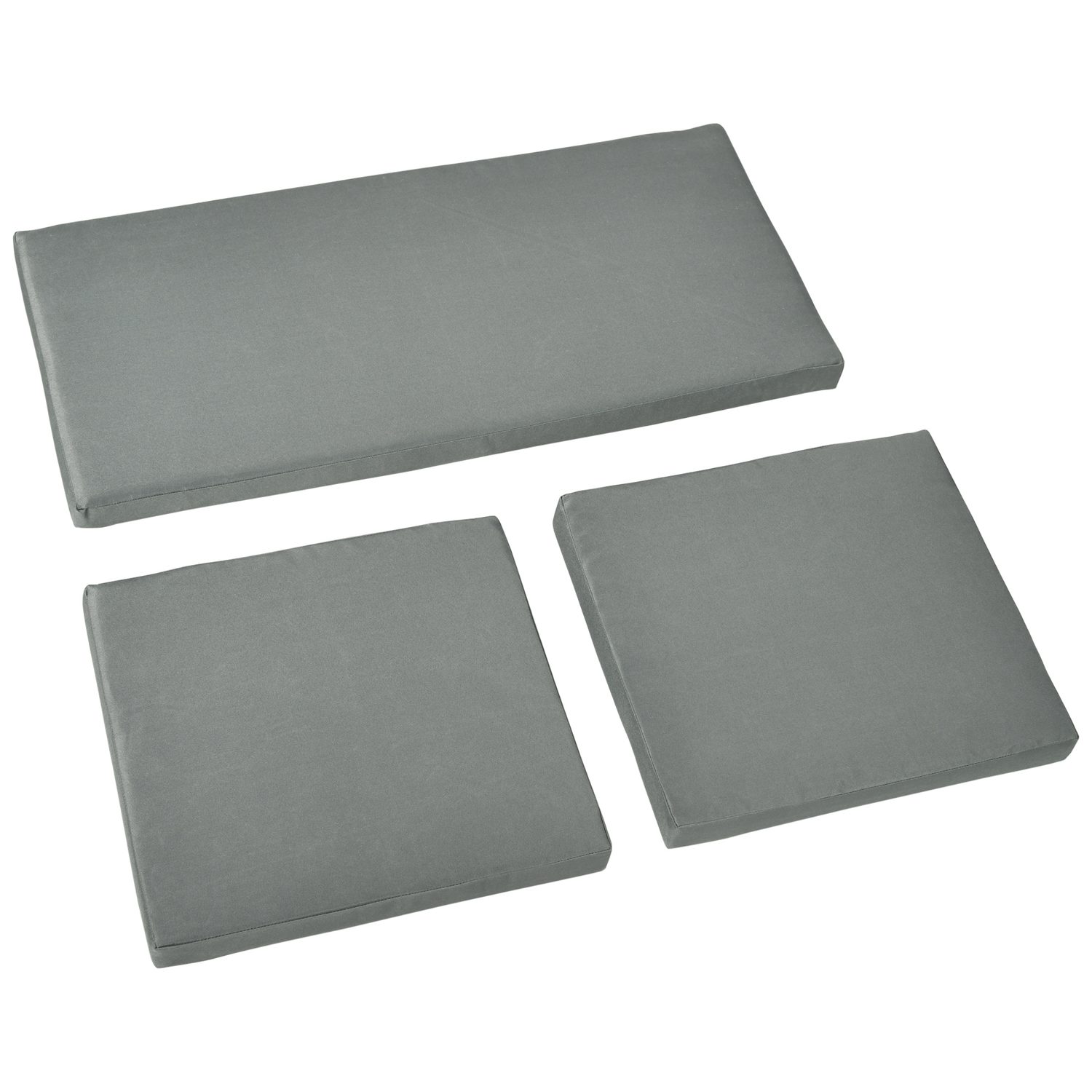
Even shower-resistant cushions should ideally be stored indoors over winter. A dry cupboard, spare room, utility area or well-ventilated storage box is far better than leaving them outside. If you are refreshing your outdoor setup next season, it is worth browsing garden furniture options that include easier-care cushion fabrics and stackable frames.
4. Lift furniture off saturated ground where possible
Patios, decking and lawns can all stay damp for long periods in winter. Furniture feet sitting in standing water are more likely to stain, rust or absorb moisture. Rubber pads, furniture risers or simply moving pieces onto a drier hard surface can help.
Material-specific winter care
Not all outdoor furniture needs the same treatment. This is where many guides become too vague, so it is worth looking at what your set is actually made from.
Wooden garden furniture
Wood is popular because it looks warm and timeless, but it does need attention in British winters. Hardwoods such as teak, acacia and eucalyptus are naturally more durable than softwoods, yet they still benefit from cleaning and protection.
Teak can be left outside, but expect it to weather to a silver-grey if untreated. That is not necessarily damage; many people like the look. The bigger issue is moisture sitting in joints and on flat surfaces. A breathable cover helps, though some owners prefer to leave teak uncovered in a well-drained spot to avoid trapped condensation. If you oil or seal wood, do so before temperatures drop too far and always follow the product instructions.
For painted or softer timber, winter is tougher. Repeated wetting and drying can lift finishes and encourage cracking. These pieces are better stored under solid shelter if you have space.
Rattan and synthetic weave
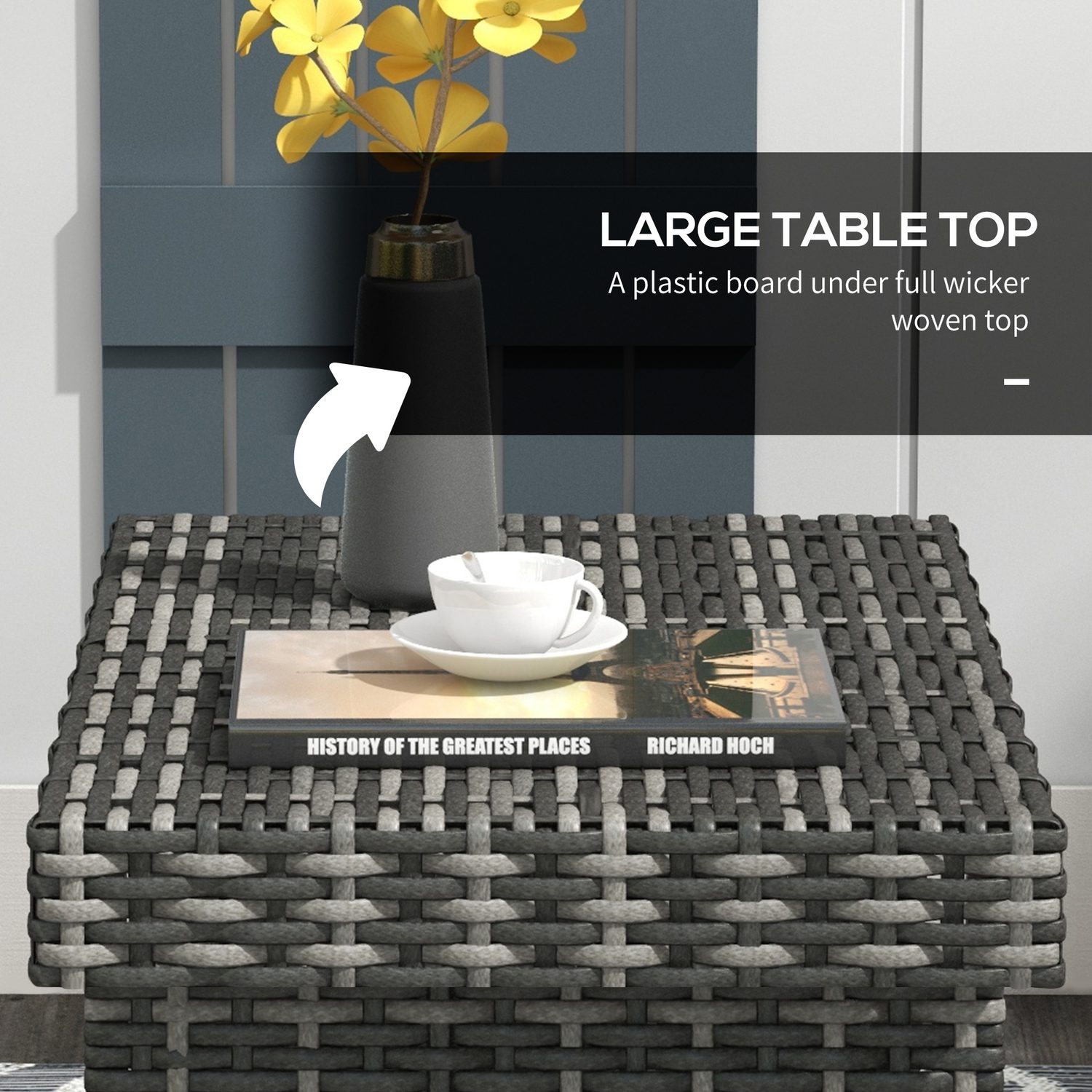
Synthetic rattan is generally well suited to UK gardens because it handles moisture better than natural rattan, which should not be left outdoors through winter. Even so, the weave can collect grime and mildew, and cheaper frames may suffer if water gets into weak joints.
Use a soft brush to clean between the weave, dry it thoroughly, and cover it with a breathable cover. If your set includes a glass tabletop, consider storing the glass separately if practical, especially in exposed gardens where movement in high winds is a concern.
Metal garden furniture
Aluminium is one of the easiest materials to manage in winter. It does not rust in the same way as iron or untreated steel, and it is light enough to move or stack. The trade-off is that very lightweight aluminium chairs can shift in strong winds, so they may need securing or storing.
Steel and wrought iron are sturdy but more vulnerable to corrosion if the protective coating is scratched. Inspect frames carefully in autumn. If you spot chips, treat them before damp conditions set in. Covers are useful, but again, airflow matters.
Plastic and resin furniture
Plastic furniture is low maintenance and usually affordable, but winter can make it brittle over time, especially if it is lower quality. UV fading can continue even in colder months, and pooled water can leave marks. Clean it, dry it and, if possible, stack and store it in a shed or garage. This is one material where storage often makes more sense than covering because lightweight pieces can blow about easily.
Outdoor cushions and textiles
Cushions are usually the first part of a set to age badly. Even fabrics marketed as season-proof rarely benefit from months of cold damp exposure. Bring them indoors, make sure they are completely dry, and avoid sealing them in plastic bags where stale moisture can linger. A breathable storage bag or a dry cupboard works better.
Choosing the right winter cover
If you are using covers, quality matters. A poor cover can be worse than none at all.
Look for breathable, water-resistant fabric
The ideal cover keeps rain out while allowing moisture vapour to escape. Fully waterproof tarpaulin-style covers can seem appealing, but if they are not ventilated they often trap damp underneath.
Check the fit
A cover should fit well enough to stay secure, but not so tightly that it presses against every chair arm and tabletop edge. Slight space around the furniture improves airflow. Some people create this by placing a small support under the highest point of the cover so water runs off rather than pooling.
Secure against wind
Tie cords, buckles and drawstrings are worth having in exposed UK gardens. Without them, even a decent cover can flap itself loose or rub on the furniture finish during winter storms.
Storage options for typical UK homes
Not every property has a large detached garage, and many UK gardens are compact. That means winter storage needs to be realistic.
Sheds and garages
These are the best options if they are dry and reasonably ventilated. Do not push damp furniture straight into a sealed shed, though, or you may create mildew problems. Leave a little space around stored items rather than packing them tightly wall to wall.
Deck boxes and cushion storage
For homes short on indoor space, a weather-resistant storage box can be useful for cushions and smaller accessories. It is still wise to check that contents are dry before closing the lid for long periods, particularly in humid parts of the country.
Conservatories, utility rooms and spare rooms
These are often the most practical places for cushions, folding chairs and smaller pieces. In many UK homes, bringing in just the vulnerable parts rather than the whole set is the best compromise.
Common mistakes that shorten furniture life
A few habits regularly cause avoidable damage over winter.
Covering wet furniture
This traps moisture from day one. Always let furniture dry fully after cleaning or rain before covering for long periods.
Ignoring the underside
People clean the visible surfaces but forget underneath seats, table edges and chair feet. Those hidden areas often hold the most grime and moisture.
Leaving cushions outside because they are labelled weatherproof
Weather-resistant is not the same as winter-proof. Long exposure to cold damp still shortens their life.
Assuming sheltered means protected
A wall, pergola or fence helps, but wind-driven rain can still reach furniture. Shelter reduces exposure; it does not eliminate it.
When it may be worth replacing rather than overprotecting
There is a practical balance to strike. If you have a very inexpensive plastic set used occasionally, spending heavily on specialist covers and storage may not make sense. On the other hand, if you have invested in a larger dining or lounge arrangement, proper care is usually well worth the effort.
When buying new pieces, think ahead to winter maintenance as well as summer looks. Stackable chairs, rust-resistant frames and removable cushion covers are all easier to live with in the UK climate. If you are planning an update, choose designs from the garden furniture category that match both your outdoor space and your storage reality.
FAQs
Is it better to cover garden furniture or store it in winter?
Storage is usually the best protection if you have a dry, ventilated shed or garage, especially for cushions and smaller items. If storage space is limited, a breathable cover is the next best option for most furniture frames.
Can I leave wooden garden furniture outside all winter in the UK?
Some hardwoods such as teak can stay outside, but they will weather and still benefit from cleaning, drainage and often a breathable cover. Softer or painted woods are more vulnerable and are better stored under solid shelter if possible.
Do garden furniture covers cause mould?
They can if the cover is poor quality, non-breathable or fitted over damp furniture. A good breathable cover used on fully dry furniture is much less likely to cause mould problems.
Should outdoor cushions be brought inside for winter?
Yes, ideally. Even water-resistant cushions last longer when stored somewhere dry indoors rather than exposed to months of cold damp weather.
How do I stop metal garden furniture rusting in winter?
Clean and dry it first, inspect for chips or scratches in the finish, and touch up any damaged areas before winter sets in. Then use a breathable cover or store the furniture in a dry space if available.
If you do one thing this autumn, make it a proper clean-and-dry routine before the worst weather arrives. For most UK gardens, the best results come from storing cushions indoors, using breathable covers on frames and matching your protection method to the furniture material rather than relying on a one-size-fits-all fix.
Villalta Home Editorial is the in-house byline used for buying guides and product roundups on villaltaco.uk. Each guide is written by the editorial team, drawing on the catalogue's measurable data — real dimensions, materials, UK use cases, price bands — and on hands-on research into how products actually perform in UK homes. Every post tagged with this byline is reviewed and approved by Juan Antonio Villalta Pacheco, the founder and editor, before it goes live. See our editorial standards for the full process.