The first properly warm Saturday in May, I watched a neighbour in a Manchester new-build drag a six-seat corner set through a 78 cm side gate, scrape the render, then realise the cushions filled half the shed. That is the British Garden Furniture problem in one scene: we buy as if summer lasts from April to September, then live with damp cushions, greenish tabletops and nowhere to put the parasol base.
This guide covers garden furniture and outdoor living for ordinary UK homes: terraces with narrow access, rented flats with balconies, suburban patios, small lawns, and new-build gardens that are more fence than flowerbed. It is not aimed at country houses with outbuildings, covered loggias or a gardener who pressure-washes everything before breakfast. If you have a 40 sq m patio and a garage, your constraints are different.
Our thesis is blunt: most UK households should spend less on full outdoor-room furniture and more on weather management, storage and flexible seating, because the useful British summer is often closer to eight good weeks than six reliable months. You may disagree if you host outside every Friday, and fair enough. For many homes, though, the best setup is the one you can dry, cover, shift and actually use after a wet Tuesday.
Why this matters in UK homes specifically
UK gardens are awkward in ways glossy outdoor-living photos ignore. Victorian terraces often have side returns, steps and tight passages; a 90 cm-deep sofa module sounds modest until it has to turn through a back door. Many 1930s terraces have patios laid against house walls with air bricks to keep clear. New-build plots can be shallow, overlooked and windy because the fencing is high and the planting is young.
Then there is the stuff problem. A small shed that is nominally 6 ft x 4 ft gives less usable space once the mower, paint tins and Christmas lights move in. Council recycling collections rarely take bulky outdoor furniture without booking, and kerbside pickup width matters if you are moving flat. BS 1363 outdoor sockets, RCD protection and cable runs also shape whether fire pits, lights and heaters are a joy or a faff.
Buying garden furniture: size, material and the eight-week test
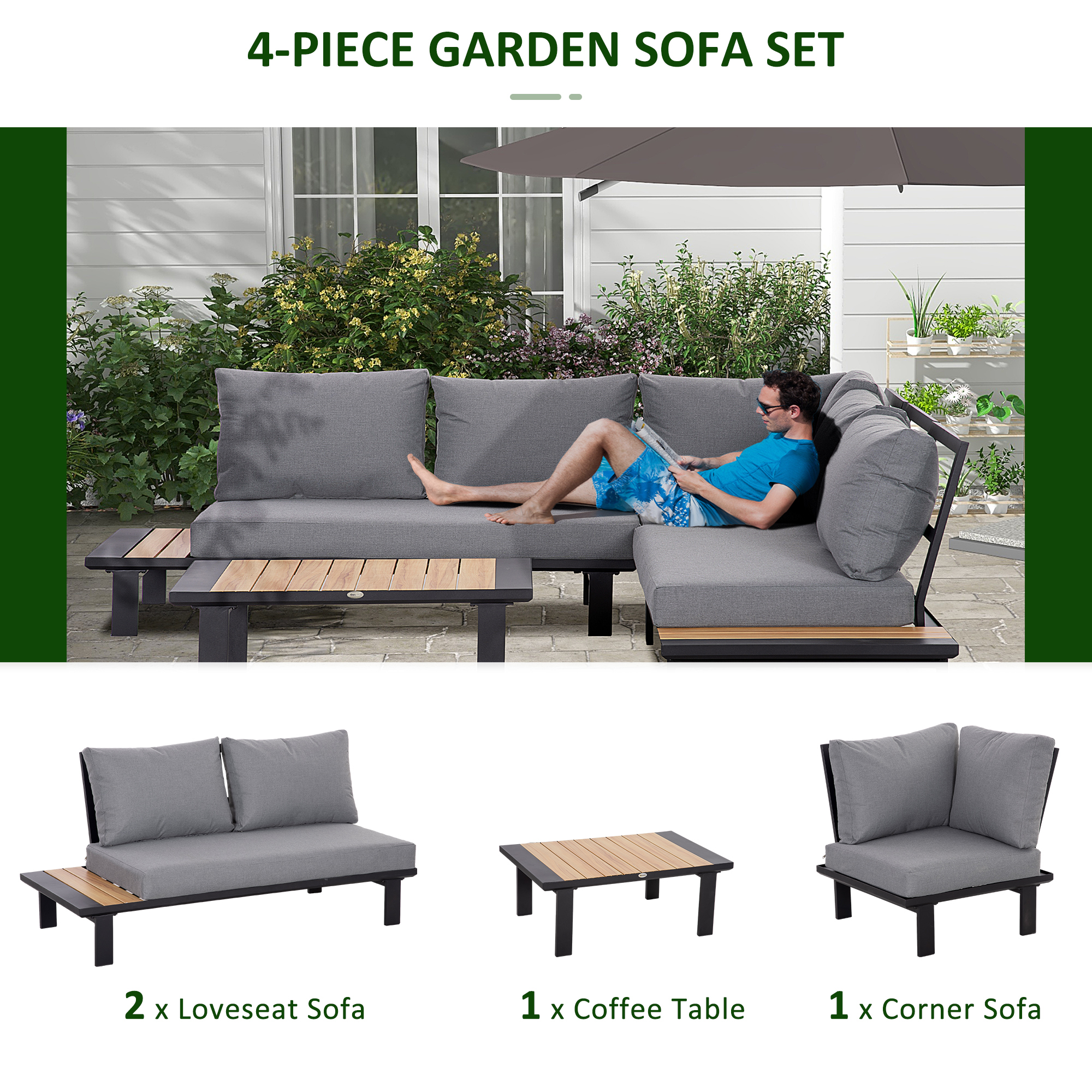
Garden furniture should be bought backwards from storage, not forwards from fantasy. Measure the patio, yes, but also measure the access route, shed door and the gap behind chairs when people are seated. A dining chair usually needs about 75 cm of pull-back space. A corner sofa can need a 250 cm x 250 cm footprint before anyone has put down a side table.
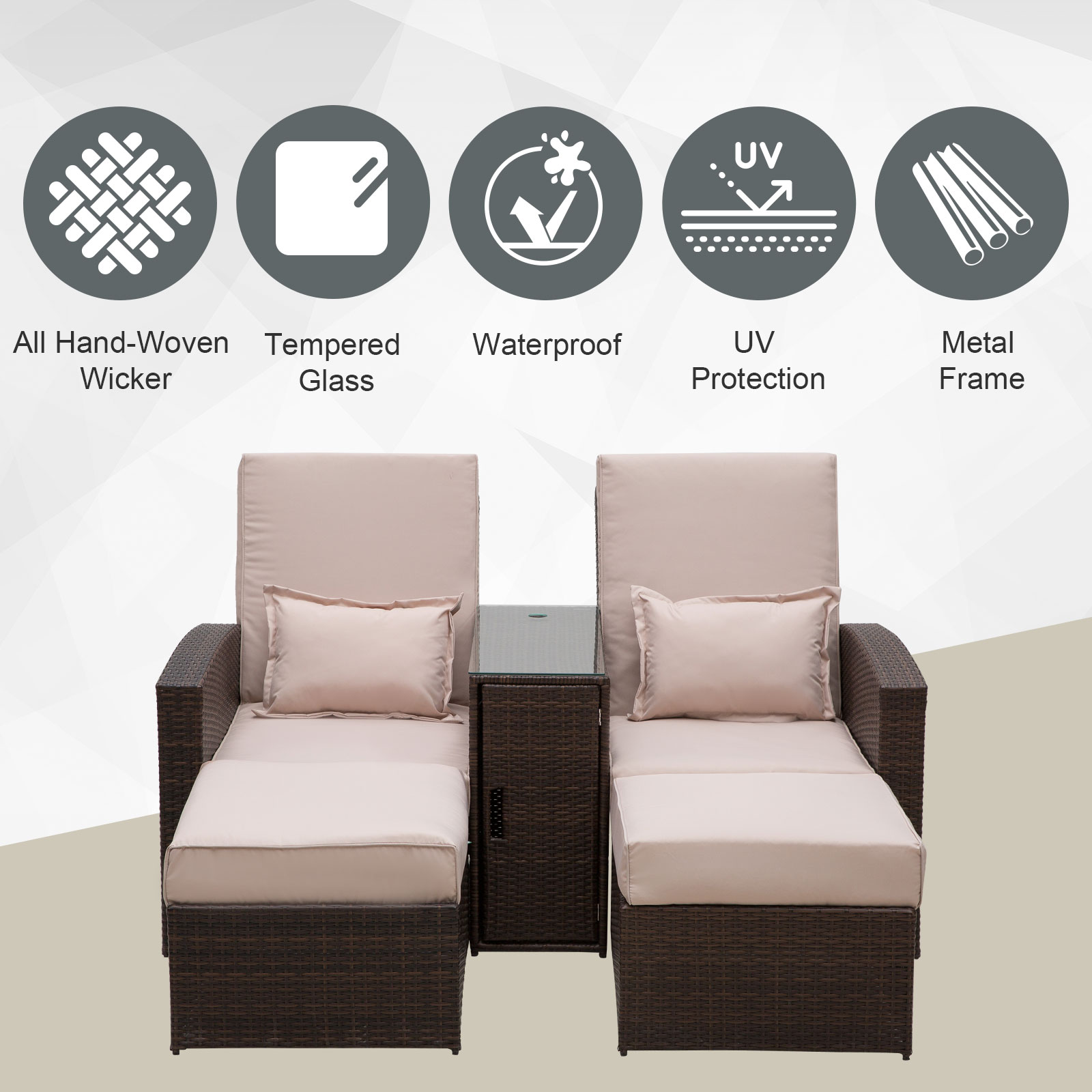
Material matters less than the marketing suggests. PE rattan is popular because it gives the soft outdoor-lounge look and does not weigh much, but cheap versions can sag or split after freeze-thaw cycles. Aluminium frames are better for people who move furniture often; powder-coated steel can be solid but shows rust quickly once chipped. Hardwood looks proper, yet needs oiling and will silver if ignored.
Look for stated frame material, not just words like ‘rattan style’. Aluminium is a safer bet near the coast than untreated steel.
Allow £250-£600 for a compact two-seater set, £700-£1,500 for a decent corner sofa, and more if the cushions are thick and replaceable.
Check seat height: 40-45 cm is comfortable for most adults; very low lounge sets look chic but are annoying for older guests.
Measure every module. A 70 cm-deep armchair is much easier in a small patio than a 92 cm-deep lounger.
The common mistake is buying a set for the maximum number of guests you might host once in July. If four people live in the house, buy for four, then add folding chairs for the barbecue crowd. A compact option such as a two-seater rattan lounger set makes more sense on many terraces than a huge sectional that blocks the washing line.
Outdoor living rooms: comfort is good, but the room still has no roof
The outdoor-living-room trend is not nonsense. Sofas, footstools, low tables and lamps do make a patio feel used rather than merely owned. The problem is that an outdoor room in Britain is still a room with rain blowing sideways through it, pollen settling on it, and a fox occasionally treating it as a shortcut.
If you want that lounge feel, prioritise wipeable surfaces and quick recovery after a shower. Glass tabletops look clean but show fingerprints in low evening sun. Deep cushions feel lovely for the first kip in June, then become a storage headache unless covers are included and the foam dries fast. Fire pit tables add atmosphere, yet gas bottles need safe upright storage and you still need clearance from fencing and overhanging planting.
Choose cushions at least 8 cm thick for lounging, with removable covers and zips that do not feel flimsy.
Keep a 60 cm walking route between the sofa and house door so the school-run rush does not involve climbing over an ottoman.
For gas fire pit tables, allow space for the table, chairs, gas bottle access and heat clearance; do not wedge one under a low pergola.
Use warm outdoor Lighting sparingly: IP44 is a sensible minimum for many garden fittings, though exposed spots may need higher ratings.
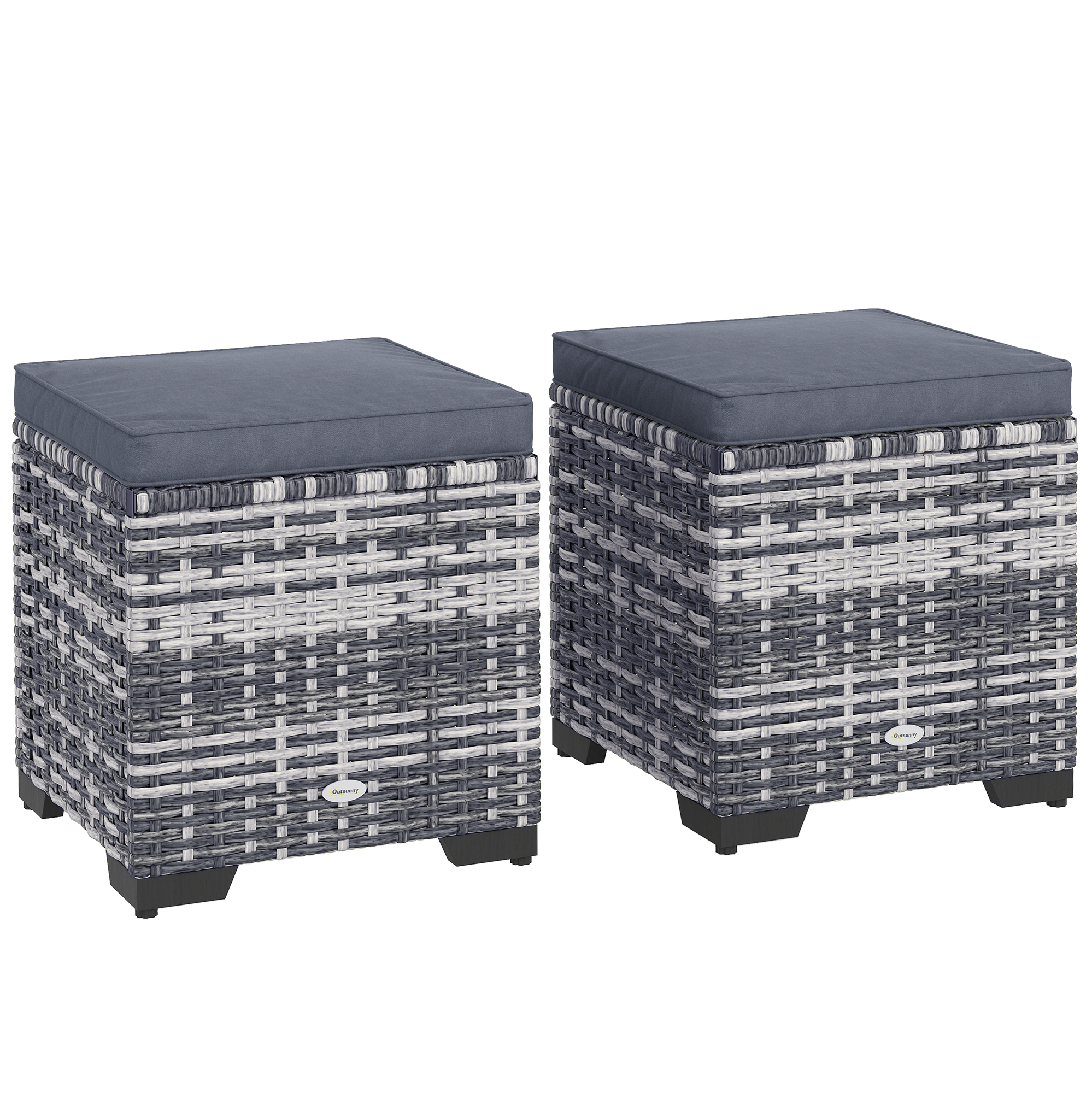
The common mistake is treating cushions as weatherproof rather than weather-resistant. They can shrug off a brief shower; they should not live soaked for a week. A storage ottoman is less glamorous than a second sofa, but it may be the piece that makes the whole setup work.
The counterargument: buy big, enjoy it while the sun lasts
The fair case for a larger outdoor setup is simple: British summer is short, so you should make the most of it. A family that eats outside three nights a week from May to August may get more value from a big corner sofa than from another indoor armchair. If your garden is sheltered, south-facing and visible from the kitchen, the furniture becomes part of daily life rather than a weekend prop.
There is also a social argument. Outdoor seating changes how people gather. A 5-seater sofa set can be the difference between guests perching on Dining Chairs and staying out until 10 pm with blankets. If you have teenagers, it may pull them outside. If you work from home, a proper chair can make an afternoon call bearable, though laptop glare is still a menace.
Buy big only if the furniture can stay assembled without blocking bins, bikes or the back door.
Budget for a cover that fits the actual shape, not a loose tarpaulin that flaps itself to bits.
Check cushion replacement availability before buying; odd-sized backs are hard to match later.
The answer is not to shame bigger sets. It is to be honest about use. If your garden is a genuine second sitting room for eight weeks and a good-weather bonus for another few months, a larger aluminium corner set can be savvy. If it will sit under a cover from September to May, the money may be better split between seating, storage and planting.
Winter protection, replacement cushions and the tiny shed problem
Winter is where UK garden furniture either proves itself or quietly becomes landfill. Rain is only part of it; trapped moisture, leaf tannins, frost and dirt do the damage. Covers help, but only if air can move underneath. A completely sealed cover over damp cushions is basically a mildew tent.
Think of winter protection as a system. Hard furniture needs Cleaning before covering. Cushions need indoor or dry storage. Legs should not sit in puddles for months. If you have a tiny shed, buy furniture with stackable chairs, lift-off cushions and parts that can be separated. Modular sets sound flexible, but eight separate pieces still need somewhere to go.
Leave 5-10 cm of airflow under covers where possible, and tighten straps so winter wind does not shred them.
Store cushions indoors in breathable bags; vacuum bags can crease foam and trap moisture if the cushions are not bone dry.
Expect replacement cushion sets to cost from £80 to £250 depending on size; custom pads can cost more than the furniture feels worth.
Raise wooden legs on glides or feet if your patio holds water near the house wall.
The common mistake is assuming the shed will cope. A 6 ft x 4 ft shed rarely takes a full sofa set, a barbecue, tools and children’s garden toys without a weekly argument. Before buying, mark out the cushion pile on the floor indoors. It is boring. It saves money.
Use the balcony or shared patio as a flexible perch, not a full lounge. Choose folding chairs, a slim bistro table and one weatherproof storage box that can double as a seat. Avoid deep corner sets unless the lift, stairwell and balcony door have been measured; rented flats also make wall-mounted heaters and permanent Lighting dodgy territory without permission.
Victorian terrace with awkward rooms
Buy for the route through the house as much as the garden. If everything must come through a narrow hallway, pick modular pieces under 80 cm wide and avoid heavy stone-topped tables. A small sofa, two movable chairs and a plant stand often work better than one dominant set, especially if the patio doubles as the only way to the bins.
Modern new-build with the opposite problem
New-build gardens can be blank rectangles with too much fence and not enough shelter. Here, a larger seating set can work, but anchor it with planters, screening and lighting so it does not look stranded. Aluminium frames are useful because wind and open exposure punish flimsy furniture. Keep scale in check: a 3 m sofa run can make a shallow plot feel smaller.
FAQs
What is the best garden furniture material for UK weather?
Powder-coated aluminium is the safest all-rounder for many UK homes because it is light and resists rust. PE rattan can be good if the weave is tight and the frame is aluminium, while wood needs more care but ages nicely if maintained.
Can I leave rattan garden furniture outside all year?
You can leave good PE rattan frames outside, but cushions should come in and the set should be cleaned and covered. Cheap steel-framed rattan is more likely to rust at joints if water sits inside the frame.
How much space do I need for a garden corner sofa?
For a small corner set, allow at least 250 cm x 250 cm plus a 60 cm route around it. If there is a dining table, barbecue or back door nearby, give yourself more room than the catalogue footprint suggests.
Are outdoor cushions waterproof?
Most are water-resistant, not waterproof. They can handle a brief shower, but repeated soaking leads to mildew, sagging foam and stained covers. Bring them in or use dry storage.
Is a gas fire pit table practical in a UK garden?
It can be, if you have safe clearance, a level surface and somewhere sensible for the gas bottle. It is less practical on cramped balconies, under low covers or beside timber fencing.
What should I buy first for a small garden?
Buy seating for everyday use first, then storage, then atmosphere. Two comfortable chairs you use every dry evening beat a large set that only comes out for guests.
How do I stop garden furniture going green?
Clean it before winter, keep it away from leaf piles, and use a breathable cover. North-facing patios are more prone to algae, so expect a spring clean rather than a miracle material.
Before you order anything, do three unglamorous jobs. Measure the patio, the access route and the storage space. Count outdoor sockets if you want lighting or heat, and check whether they are suitable for outdoor use rather than trailing an indoor extension lead through the kitchen window. Then decide if your garden is mainly for morning coffee, family dinners or late drinks. Those are different setups.
If you are browsing, start with the broader garden furniture category and filter with a tape measure in hand. Keep cushion storage in the plan from the start. The set that looks slightly modest online may be the one that is sorted by 6 pm, dry by morning and still worth owning next April.
Villalta Home Editorial is the in-house byline used for buying guides and product roundups on villaltaco.uk. Each guide is written by the editorial team, drawing on the catalogue's measurable data — real dimensions, materials, UK use cases, price bands — and on hands-on research into how products actually perform in UK homes. Every post tagged with this byline is reviewed and approved by Juan Antonio Villalta Pacheco, the founder and editor, before it goes live. See our editorial standards for the full process.