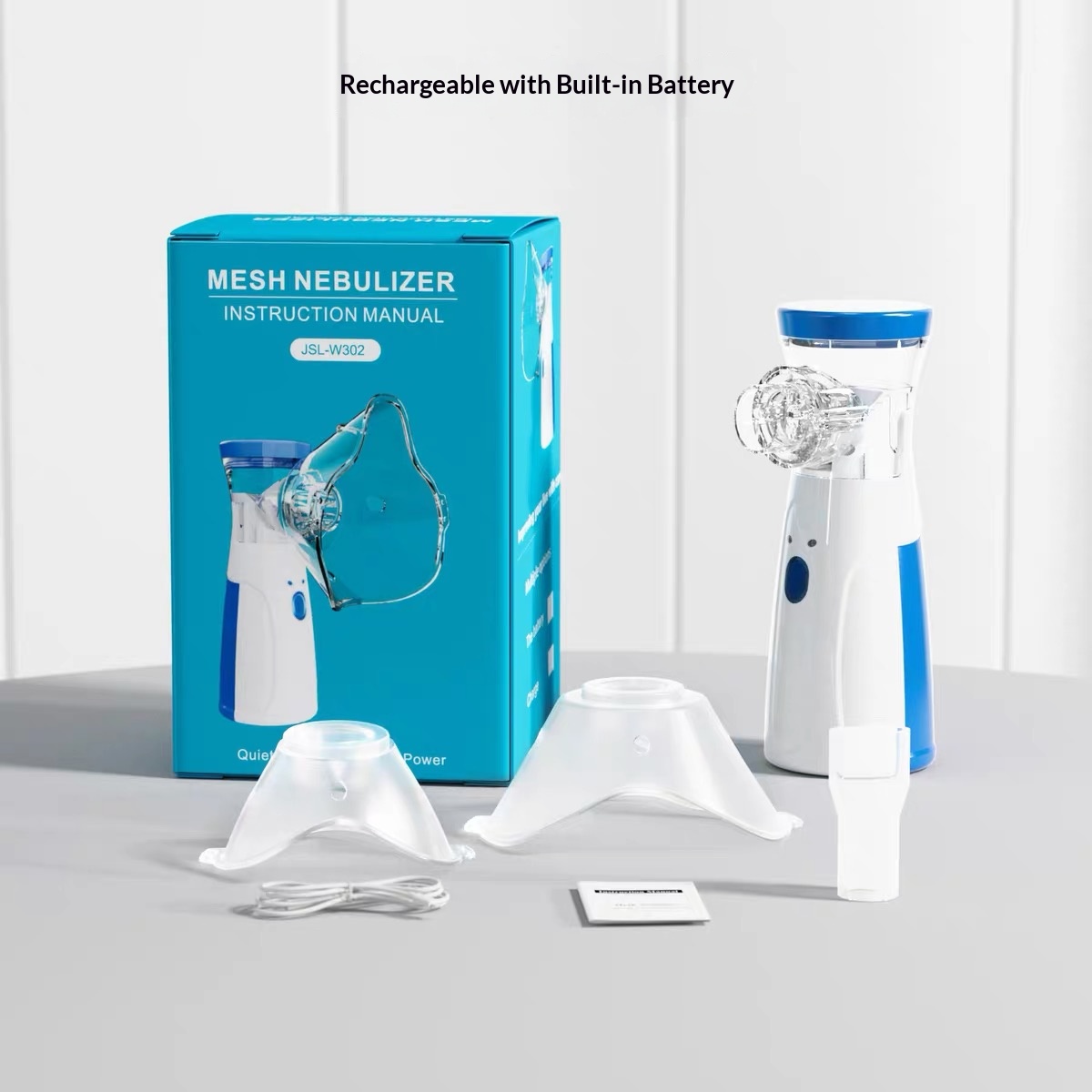
The clearest beauty-tech line I’ve seen lately was on a 55 cm glass shelf in a rented flat in Leeds: SPF, a £14.99 hyaluronic serum, an LED mirror with a BS 1363 plug, then a little roller covered in needles beside the toothbrush mug. That is where the question stops being about skincare gadgets and starts being about wounds. If you’re asking, “is at home microneedling safe UK?”, the honest answer needs less beauty optimism and more bathroom realism.
The short answer
At-home microneedling is not a safe routine beauty treatment for most UK users. My line is blunt: devices that deliberately puncture skin belong in a clinic, not beside the sink. Very shallow rollers are often sold as gentle, but the category still relies on controlled injury, and most bathrooms are not controlled clinical settings. Non-invasive beauty devices are a different proposition.
The longer answer
Why is microneedling different from other home beauty tech?
Most home beauty tech asks the skin to tolerate heat, light, vibration, air, water mist or mild current. A trifold LED vanity mirror helps you see what you’re doing; a portable nano mist sprayer wets the surface; a facial steamer warms and softens. These can still be used badly — steam can irritate rosacea, and mist devices need cleaning or they become a bit dodgy — but their job is not to break the barrier.
Microneedling is different because its mechanism is injury. The promise is that tiny punctures trigger repair. That is also the risk. Dermatology Times, writing on 26 September 2026, described at-home dermarollers as a mainstream social-media tool marketed as a cheaper version of professional microneedling, while stressing that professional devices are regulated for trained clinical use. That distinction matters.
Is there a fair argument for doing it carefully at home?
Yes, and it deserves a fair hearing. People are not daft for being tempted. Clinic treatments can cost hundreds across a course, appointments mean time off work or childcare juggling, and a £9.99 to £24.99 roller looks like a savvy workaround. Social feeds make it seem normal. Reddit threads in September and October 2026 show users asking how to start microneedling at home and whether DIY dermaplaning devices are worth using, which tells you salon habits are sliding into Saturday-night bathrooms.
The counterargument fails for one reason: “careful” is not the same as clinically controlled. You can wash your hands, wipe a roller, and still not assess active acne, eczema, keloid risk, cold sores, pigmentation risk, medication interactions or aftercare properly. If the desired result depends on making wounds, the safer place is with a trained practitioner who can say no.
What actually goes wrong in a normal UK bathroom?
Start with storage. A roller sitting uncapped in a 2.1 m by 1.7 m bathroom, with towels drying on the radiator and loo spray in the air, is not living a sterile life. Needles blunt. Heads pick up residue. People share gadgets. Someone uses it after a hot shower because pores “feel open”, then layers acids or retinoids because that’s what was already on the shelf. It’s a proper faff to sanitise well every time, and most people eventually cut a corner.
The risks are not theatrical; they are ordinary and annoying before they become serious. Redness that lasts longer than expected. Stinging. Spots that flare. Post-inflammatory marks on deeper skin tones. Infection. Scarring. Cold sore reactivation around the mouth. The chrome on a beauty tool showing fingerprints is a caveat; a puncture device carrying skin debris is a different level of problem.
Where should the boundary sit for home devices?
The decision rule is simple enough to use while half-asleep before the school run: if a device leaves the skin intact, it may belong at home; if it pierces, abrades or removes living skin, treat it as a clinic procedure. That puts microcurrent, LED mirrors and misting devices in a lower-risk category, with sensible cleaning and patch testing. It puts needles, aggressive peels, lancets and anything that draws blood outside the casual bathroom routine.
Good Housekeeping UK, on 29 September 2026, covered the boom in at-home facial toning and microcurrent devices, and that is the healthier direction for the category: non-invasive alternatives that accept the limits of home use. The marketing phrase “clinic results at home” sounds neat, but it muddies the boundary. A clinic is not just a machine. It is training, hygiene, assessment, liability and the power to refuse treatment.
What should you do if you already own a dermaroller?
Do not panic, but do stop treating it like a serum applicator. If you have used it and your skin is hot, swollen, weeping, unusually painful, or developing spreading redness, speak to a pharmacist, GP or NHS 111 rather than trying to calm it with more products. If you have active acne, eczema, psoriasis, rosacea, a history of keloid scarring, cold sores, or you are using strong prescription skincare, the sensible move is to leave needling alone.
If you want texture, acne-scar or pigmentation treatment, book a consultation with a qualified clinic and ask what device they use, how they sterilise, what needle depth they recommend, and what aftercare they expect. A decent practitioner will explain risks before showing results pictures. If they rush straight to the glow-up, walk away.
Related questions
Can I use a 0.25 mm dermaroller at home in the UK?
A 0.25 mm dermaroller is lower risk than deeper needles, but it still punctures the skin and is not risk-free. In a normal home bathroom, hygiene, pressure control and skin assessment are the weak points. If your aim is product absorption rather than medical scar treatment, choose non-invasive skincare instead.
Is at-home microneedling legal in the UK?
At-home microneedling devices can be sold in the UK, but legality does not mean a treatment is sensible for your skin. Professional microneedling uses regulated devices in trained hands; a consumer roller in a washbag is a different risk category. The safer decision is to use clinics for skin-wounding procedures.
What should I use instead of microneedling at home?
Use barrier-safe treatments at home: sunscreen, retinoids if tolerated, gentle acids used sparingly, hydrating serums and non-invasive devices such as LED mirrors or facial misters. These will not mimic clinical microneedling, but they are less likely to cause infection, scarring or pigmentation changes. Slow progress beats a bathroom injury.
Can microneedling make acne scars worse?
Microneedling can worsen the look of skin if used on active acne, inflamed skin or skin prone to post-inflammatory pigmentation. It may help some scars in a clinic setting, but the treatment needs correct depth, spacing and aftercare. Rolling over spots at home is a bad idea.
How do I know if a beauty device belongs at home or in a clinic?
A beauty device belongs at home if it leaves the skin barrier intact and can be cleaned easily between uses. If it pierces, cuts, abrades, burns or removes living skin, treat it as a clinic treatment. That one rule filters out most of the risky “clinic results at home” claims.
So, is at-home microneedling safe enough?
No, not as a casual UK bathroom routine. The broader beauty-tech boom is not the enemy; plenty of devices sit happily in home life when they respect the skin barrier. Needling crosses that line. If your concern is serious enough to justify puncturing skin, it is serious enough to book a proper consultation. Keep the mirror, keep the mist if you like it, but keep needles out of the sink-side line-up.