By half seven most nights our sitting room turns into a low-key recovery clinic. My partner's neck is stiff from a full day of Zoom calls, my feet are throbbing from the school run, and neither of us fancies anything that involves getting off the sofa. What we've worked out — after a stack of Prime-day gadgets binned into the loft — is which bits actually earn their spot on the coffee table. Five picks I'd genuinely keep, from about £7 to £131.
If you only buy one thing: the Heated Foot & Leg Vibration Massager at about £22 gets reached for daily in ours. The £7.60 gua sha is the tighter-budget alternative if you'd rather do the work yourself.
How I'm thinking about this
Recovery gear overpromises and under-delivers as a rule. What I'm after is honest kit that does one thing well, stows easily, and doesn't need a proprietary battery charged every two days. Nothing marketed as a medical device, nothing on a replacement-pad subscription, nothing that only makes sense with a spare-room home gym.
- Does it get used? The best £120 device is worse than the £20 one you actually pick up. If setup takes more than 30 seconds it dies in the cupboard.
- Storage footprint. UK flats haven't got room for a full-size massage chair. Everything here folds, stows, or lives on a shelf.
- Honest positioning. None of this replaces a physio. If your back's been going for six months, book the appointment.
The picks
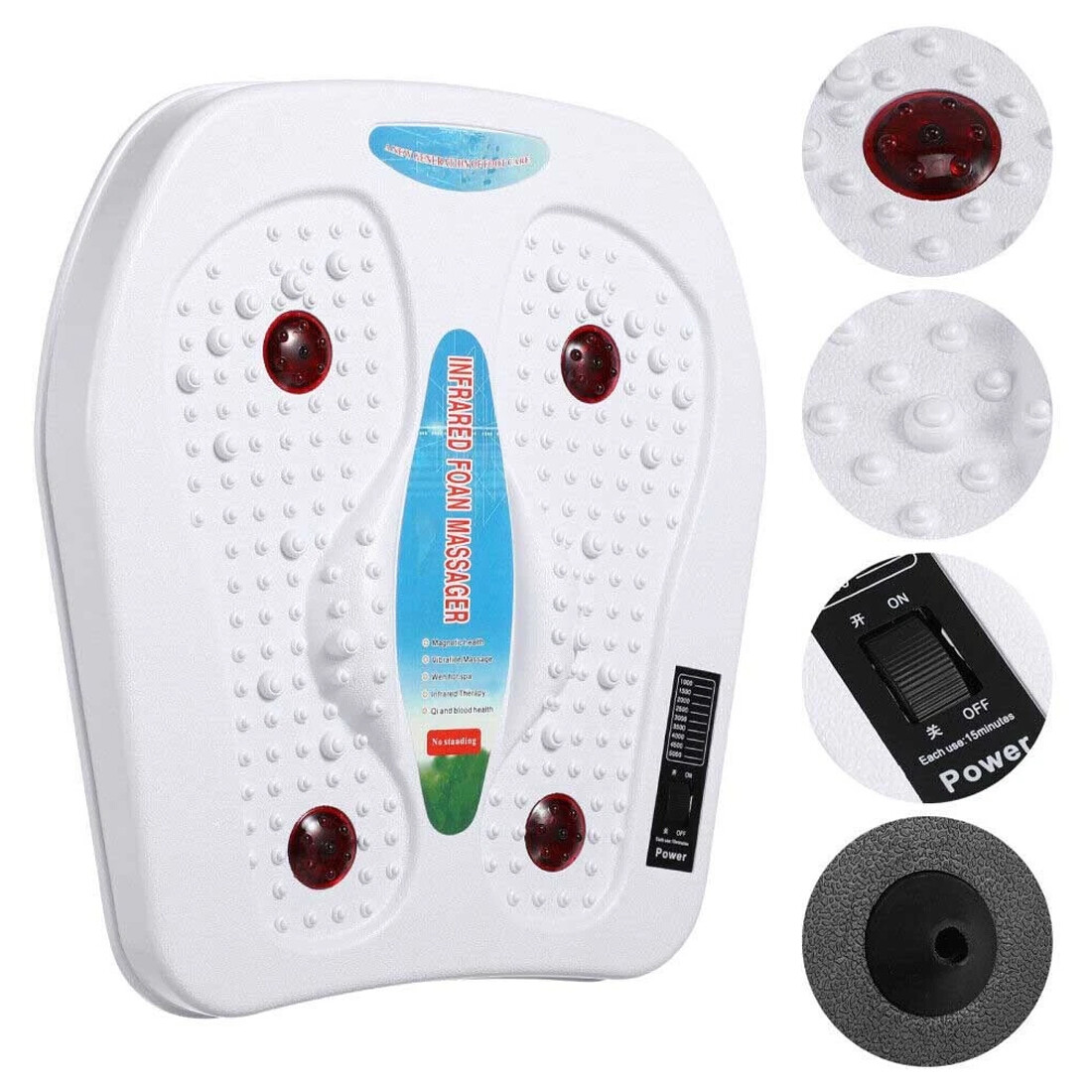
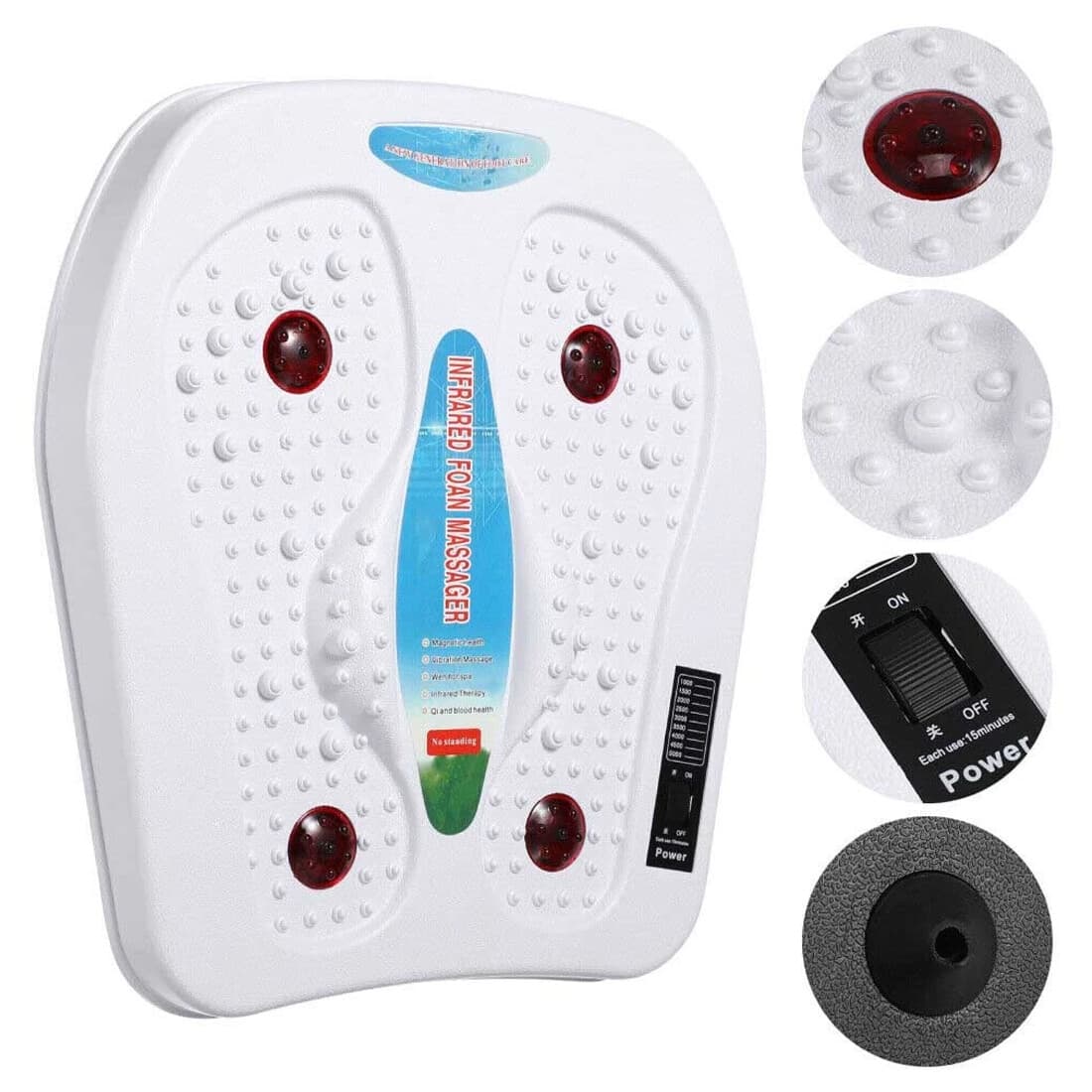
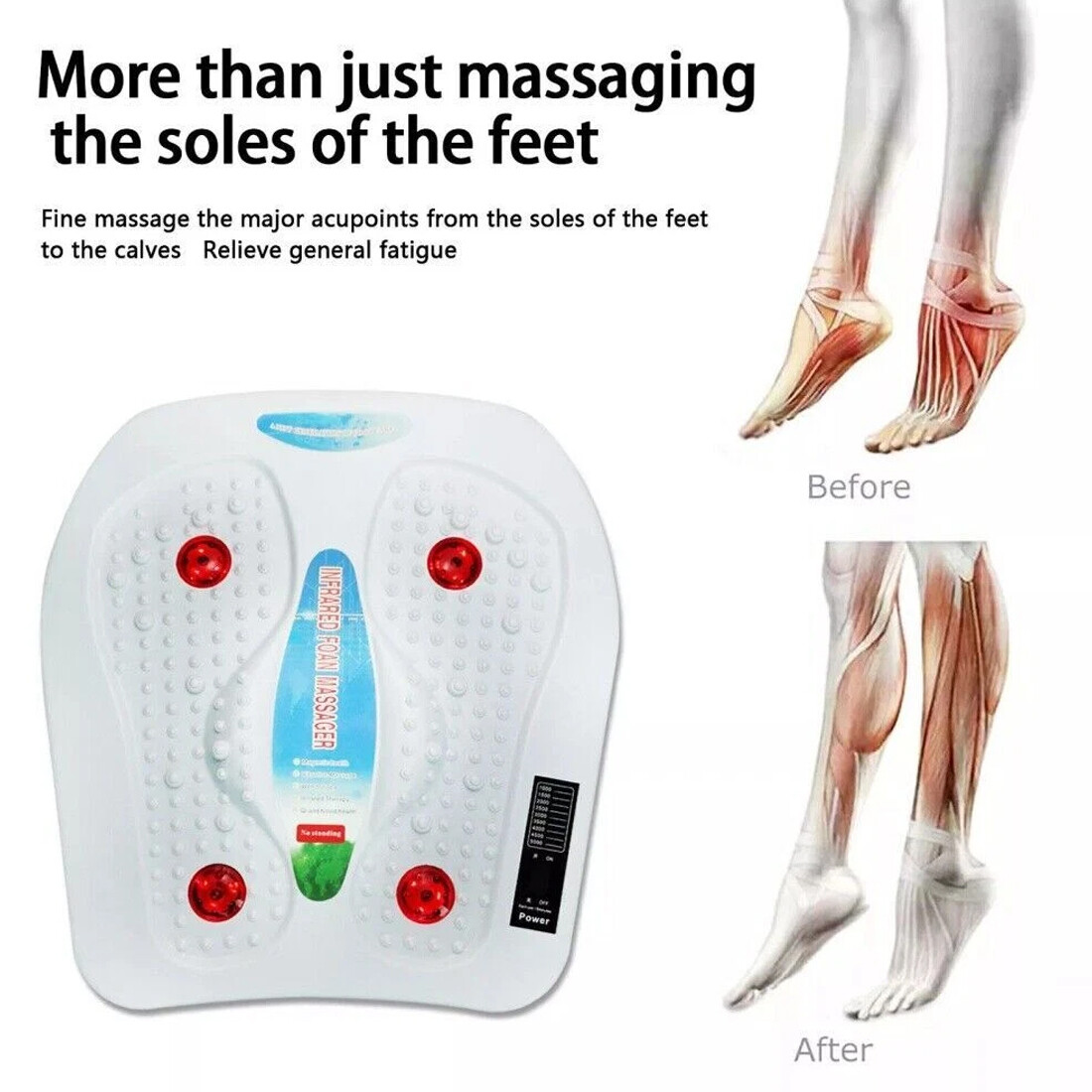
This one stays plugged in beside the telly. Nine vibration modes plus heat, wrapped around the feet and up to the lower calf — prod a button and it does its job while you're watching whatever's on. The vibration is genuinely noticeable, not the token buzz cheaper units give; the heat's warm through thin socks without being uncomfortable.
It's a relaxation product, not a medical device — don't expect it to fix circulation issues or nerve pain. If you've been on your feet at a hospital shift, a bar, or a warehouse and want the throb to ease off before bed, yes. Expecting a full shiatsu-chair experience? Look elsewhere.
- Pros: real usable heat, nine-mode range, one-button start, fits varying ankle sizes.
- Cons: vibration alone isn't shiatsu; the wrap doesn't reach the whole calf.
- Best for: teachers, nurses, hospitality workers — anyone whose feet are wrecked by 6pm.
See the foot & leg massager on Villalta Home →
2. Best for WFH desk necks — 3-in-1 Cervical Neck Massager, about £27
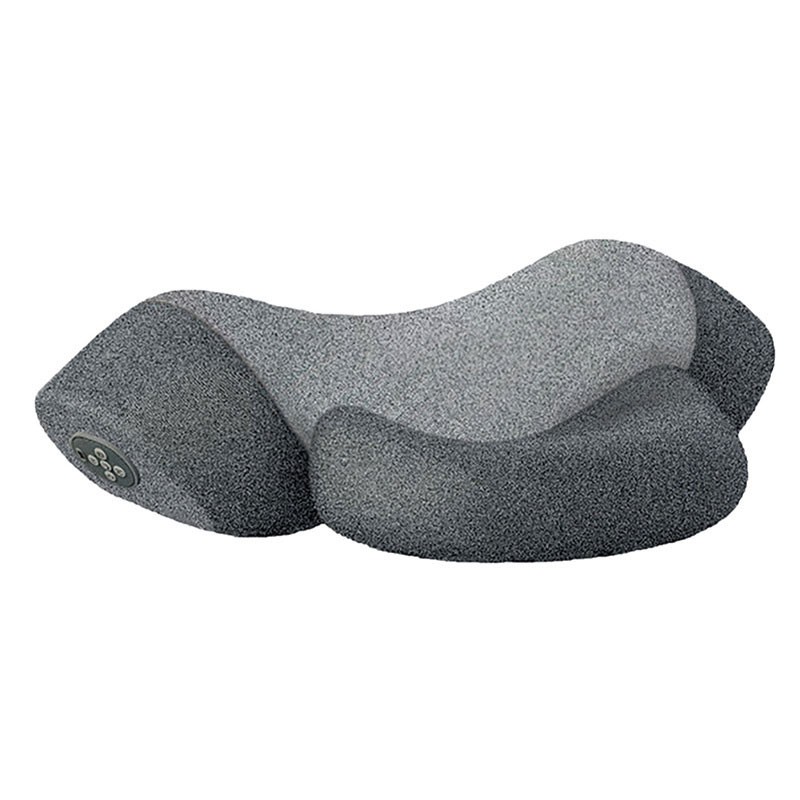
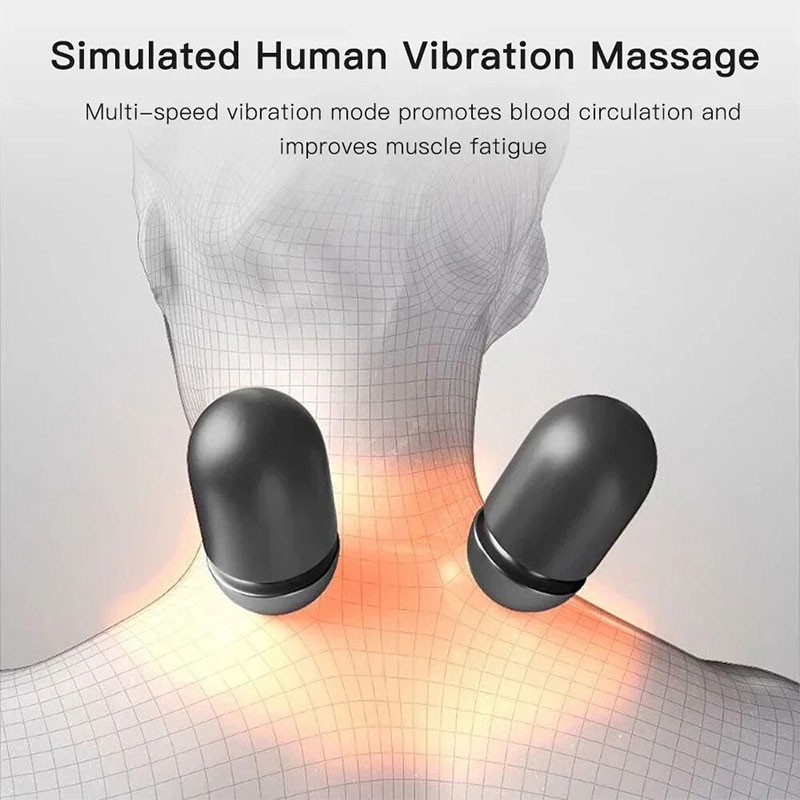
The desk-hunched neck is practically a national UK condition, and this pillow-style wrap is the piece I'd get for anyone doing five video-call days a week. Vibration and heat in a wraparound shape you sling on and forget — hands-free, no faff. Ergonomics matter here: cheaper neck massagers slip the second you tilt your head. This one stays put reading, sat between calls, leaning back on the sofa.
What it isn't: a deep-tissue Thai massage. A knotted neck after months of bad posture will get the edge taken off, not the damage undone. Treat it as end-of-day maintenance, not a rescue mission.
- Pros: hands-free wrap, genuine warmth (not token heat), 5 seconds to put on.
- Cons: vibration is soft-touch, not deep; the pillow shape suits average necks better than very slight frames.
- Best for: anyone WFH more than three days a week whose neck is stiff by Wednesday.
See the neck massager on Villalta Home →
3. The £7.60 pick — Body Gua Sha Massage Tool
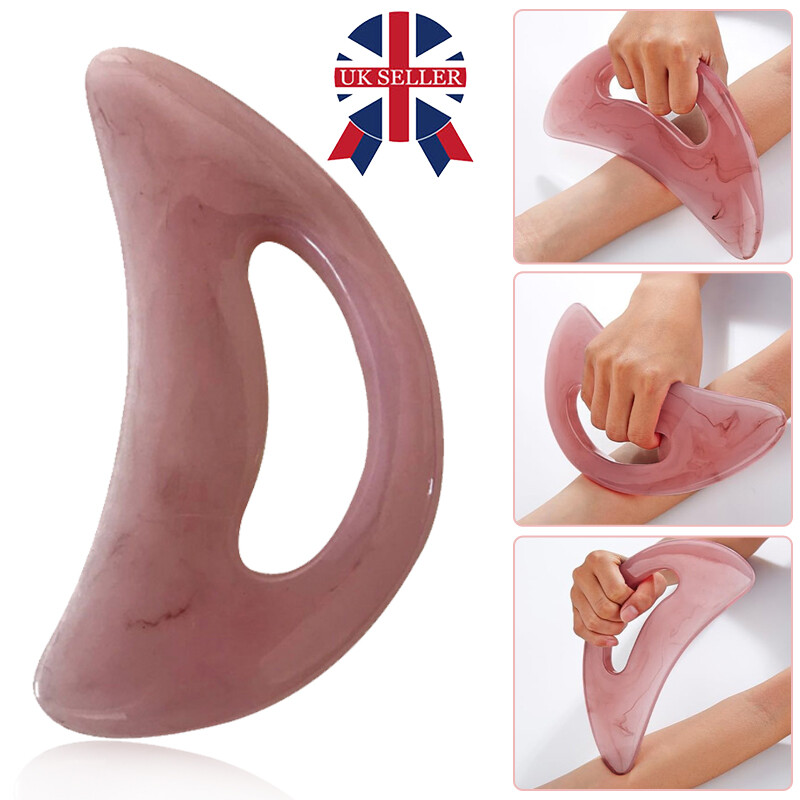
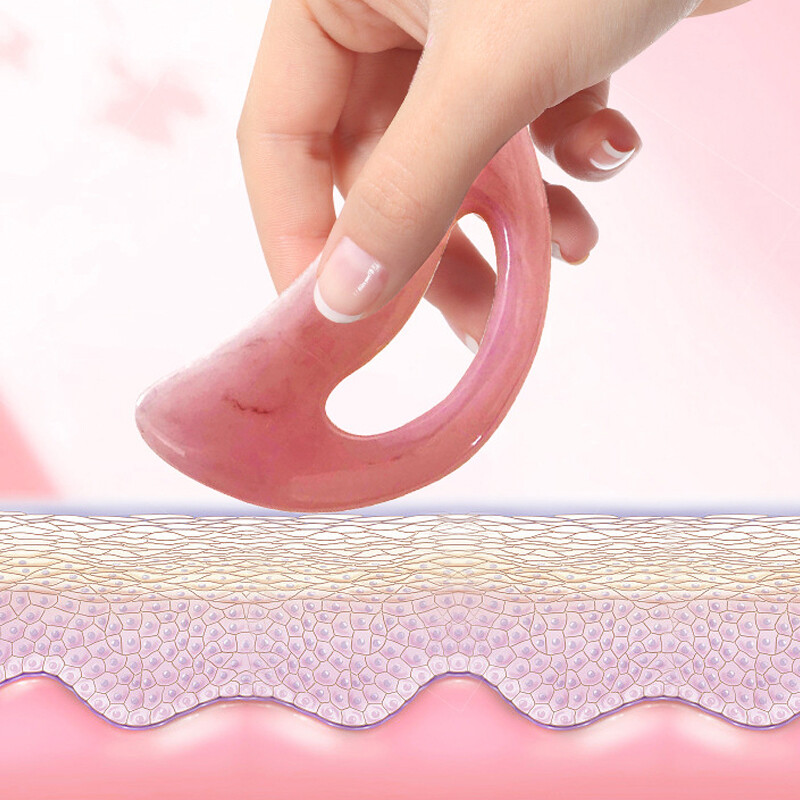
Anyone who runs, cycles, or clocks the school-run miles ends up with tight calves and quads by Friday. A body gua sha — a chunky 20.5 cm resin tool with a finger-hole grip — is the cheapest bit of kit that gets real results. Not a facial gadget; a proper post-workout tool. The grip hole is the detail: cheaper gua sha stones slip in a sweaty hand and you end up making short choppy strokes instead of the long sweeping ones that actually help.
Use it with body oil or moisturiser — dry drag on bare skin is uncomfortable and doesn't really work. Brilliant on IT bands, calves, forearms, and the bits you can't reach with a foam roller. Won't do a thing for your neck (wrong shape) or stubborn knots (wrong tool).
- Pros: costs less than a pint, no batteries, warms in your hand in a minute.
- Cons: needs oil or lotion to work properly; you do the graft yourself.
- Best for: runners, cyclists, and anyone who prefers a tool over a gadget.
See the gua sha tool on Villalta Home →
4. Splurge: Vibration Plate Exercise Machine, about £91
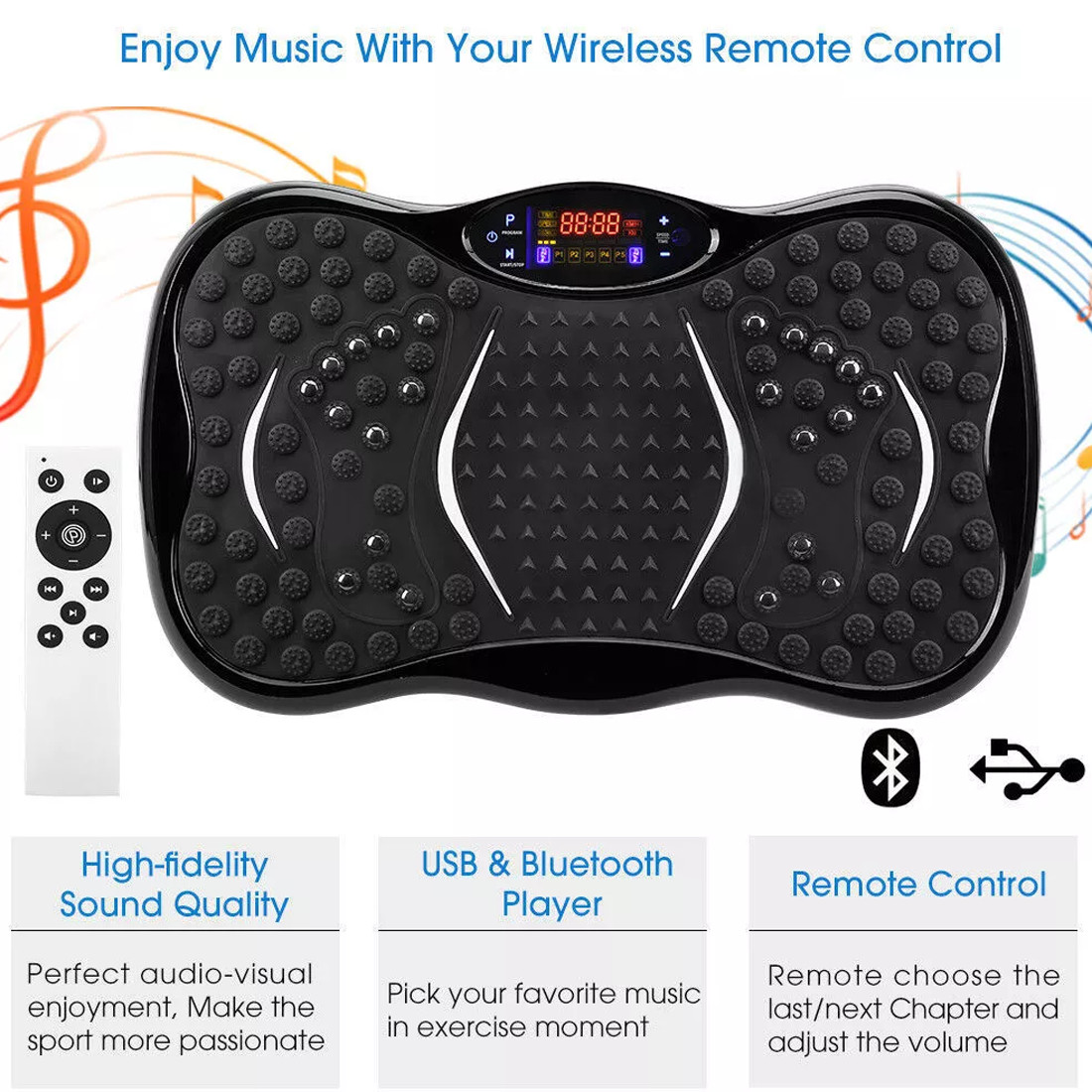
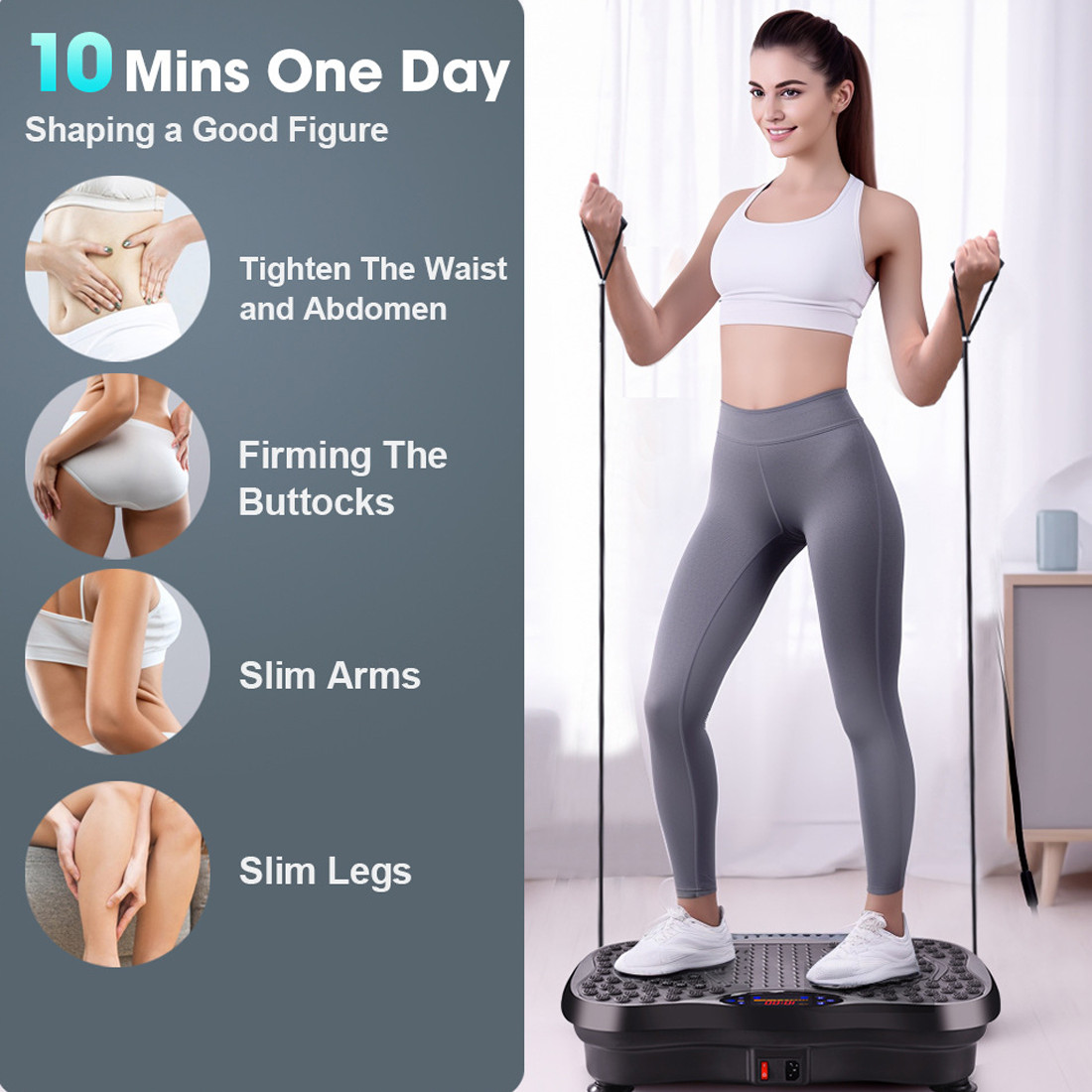
A vibration plate feels less like recovery and more like a fitness upgrade — you stand on it, it oscillates, the muscle activation is real. Ninety-nine speed levels sounds like spec-sheet padding, but the useful bit is you can start on a barely-perceptible setting and work up. Hidden resistance bands turn it into a light upper-body station too, and the Bluetooth speaker means you're not squinting at a propped-up phone.
Honest bit: not a shortcut to fitness. It helps with activation and post-run recovery — ten minutes a day won't give you visible abs. Takes up roughly a floor tile idle, and needs a level floor (Victorian floorboards can rattle).
- Pros: huge speed range gives room to progress; resistance bands add a real second use; wireless remote saves bending double.
- Cons: floor-space commitment; won't replace real cardio; rattly on old floorboards.
- Best for: people who already train and want a recovery + activation add-on, not those hunting for a miracle machine.
See the vibration plate on Villalta Home →
5. The stiff-back splurge — Foldable Gravity Inversion Table, about £131
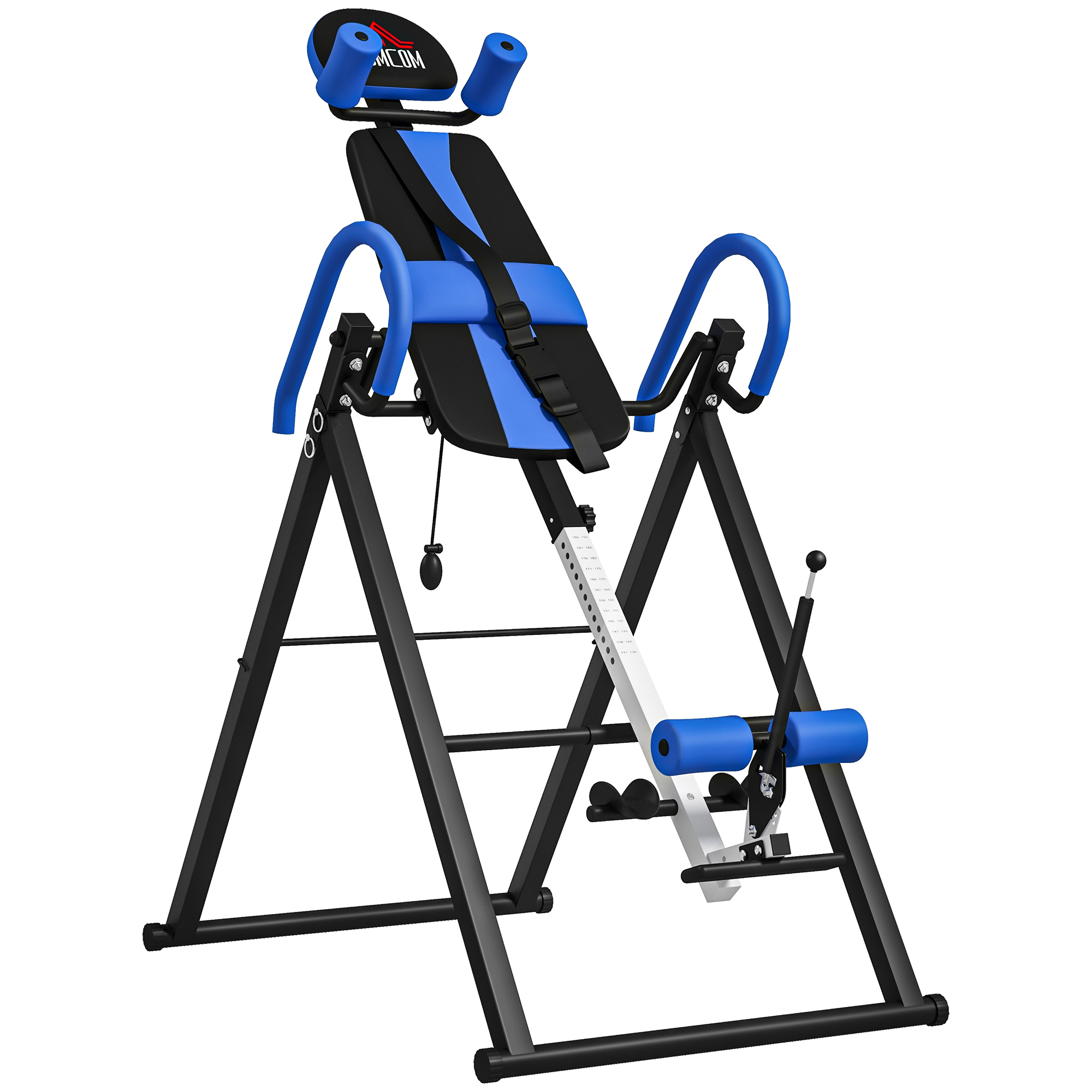
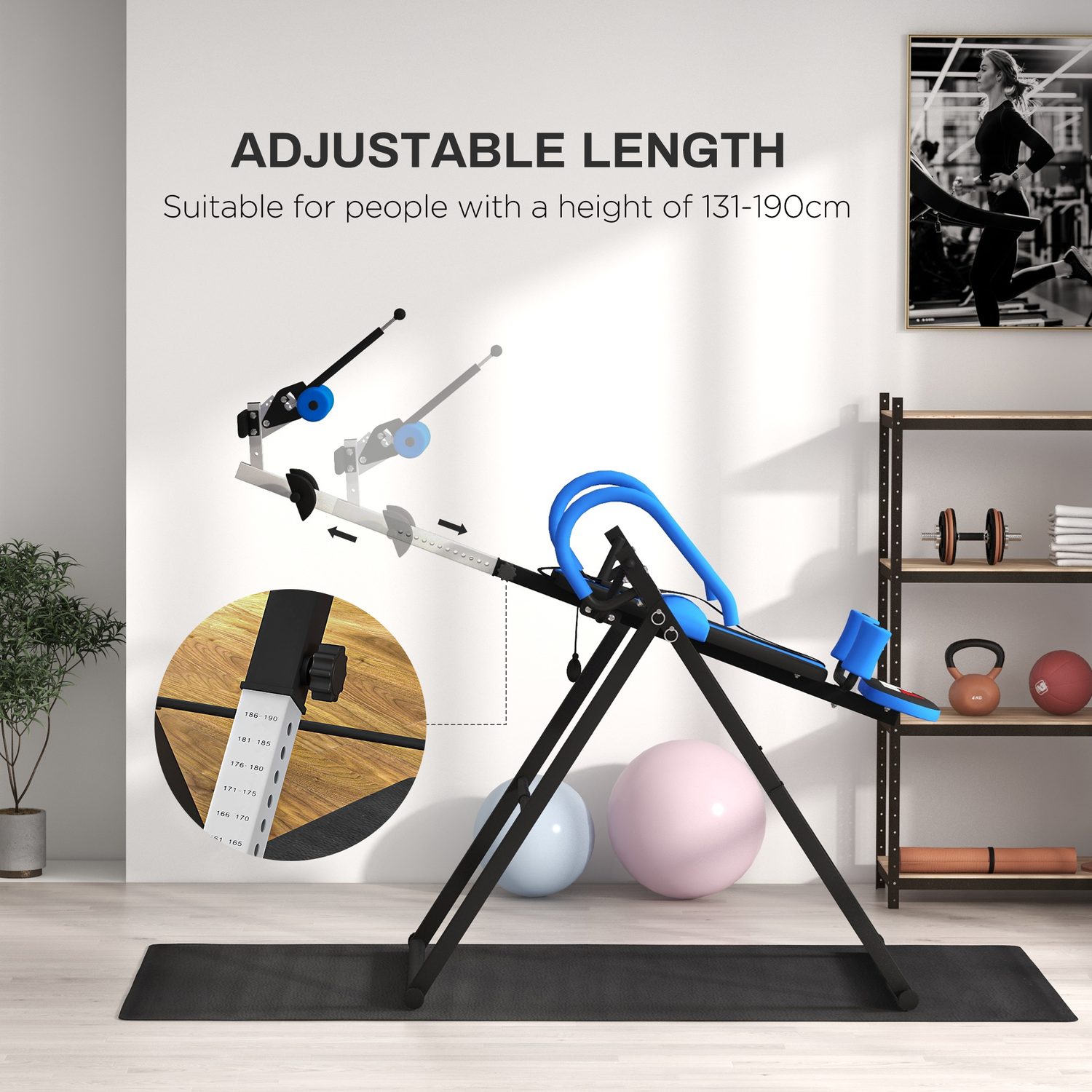
If you're spending on one big-ticket item for a lower back that grumbles after long car journeys, dodgy office chairs, or years of picking up small children, this is the honest pick. Full 0–90° angle adjustability matters — cheaper tables lock you into one steep angle and half the population bounces off them. Height range covers 131 to 190 cm (fits most UK adults) and the neck, foot and ankle pads are the parts budget tables skimp on. Folds down flat behind a door.
Caveat: not a treatment for a specific condition. Diagnosed disc issue? Ask a physio before touching one. What it is is a two- or three-minute stretching session added into your evening, and the difference after a long drive up the M1 is real.
- Pros: proper full angle range for progressive use, generous height fit, folds flat for storage.
- Cons: not a fix for a specific injury; safety belt adds a step; needs about 2 m of clear floor.
- Best for: long-distance drivers, tall desk workers with lower-back grumbles, anyone wanting a stretching option that isn't a yoga mat.
See the inversion table on Villalta Home →
The verdict
If you can only pick one, get the foot and leg massager — it's the one that gets used every night in ours and £22 is easy to justify. If your issue is a stiff neck from desk work, swap it for the neck wrap. Runners and cyclists chasing real value should start with the £7.60 gua sha — genuinely the best bit here. The vibration plate and inversion table are splurges — worth it if you've got the floor space and the actual complaint they solve, not as impulse buys.
By the Villalta Home Editorial team, July 2026. Edited by Juan Antonio Villalta Pacheco.