In a 4.6 m × 7.1 m garden behind a two-bed Victorian terrace in Walthamstow, I watched a delivery team try to turn a deep outdoor corner sofa through a 74 cm side return while the school-run scooters were still propped by the back door. The patio was only 2.8 m deep, with a drain cover slap in the middle and a buddleia doing good work for bees along the left fence. That is the summer garden-furniture problem in miniature. Britain is being sold outdoor sitting rooms, but many small UK gardens are really routes, levels, bins, wildlife and somewhere to have a proper kip in the sun.
Here is the line we would draw: a small UK garden has room for an outdoor sofa only if the sofa uses less than a third of the hardstanding and leaves a clear 80 cm route; otherwise the furniture has become the garden.
What we're working with
The current push is not subtle. Ideal Home reported on 12 May 2026 that UK homeowners are moving away from traditional outdoor dining sets towards deep, plump outdoor sofas and lounge-style seating. Three days earlier, on 9 May 2026, it noted terracotta, blue and deep red garden furniture replacing the old safe green, as gardens are styled more like interiors. Fine. Colour is welcome. Comfort is welcome. The snag is the average small garden behind a terrace or a post-war flat is not a clean showroom rectangle.
We are usually working around a back door that opens outwards, an outdoor socket with a BS 1363 plug feeding festoon lights, a radiator pipe boxing just inside the kitchen wall, a water butt, a raised drain, a step down of 120 mm, and a route to bins or a shed. Cushions need a dry home; a 390-litre storage box can cost £89.99 and still be too bulky for a rented flat patio. Reddit’s r/HomeImprovementUK thread on 30 April 2026 caught the tension neatly: one four-year garden project was praised, then attacked as "90% paved over" and "Live, Love, Laugh in garden form". That backlash is not anti-comfort. It is anti-faff dressed as lifestyle.
Layout 1: Compact sofa against the house, garden left breathing
The goal is a small outdoor sofa by the kitchen without blocking the everyday route to bins, shed or washing line.
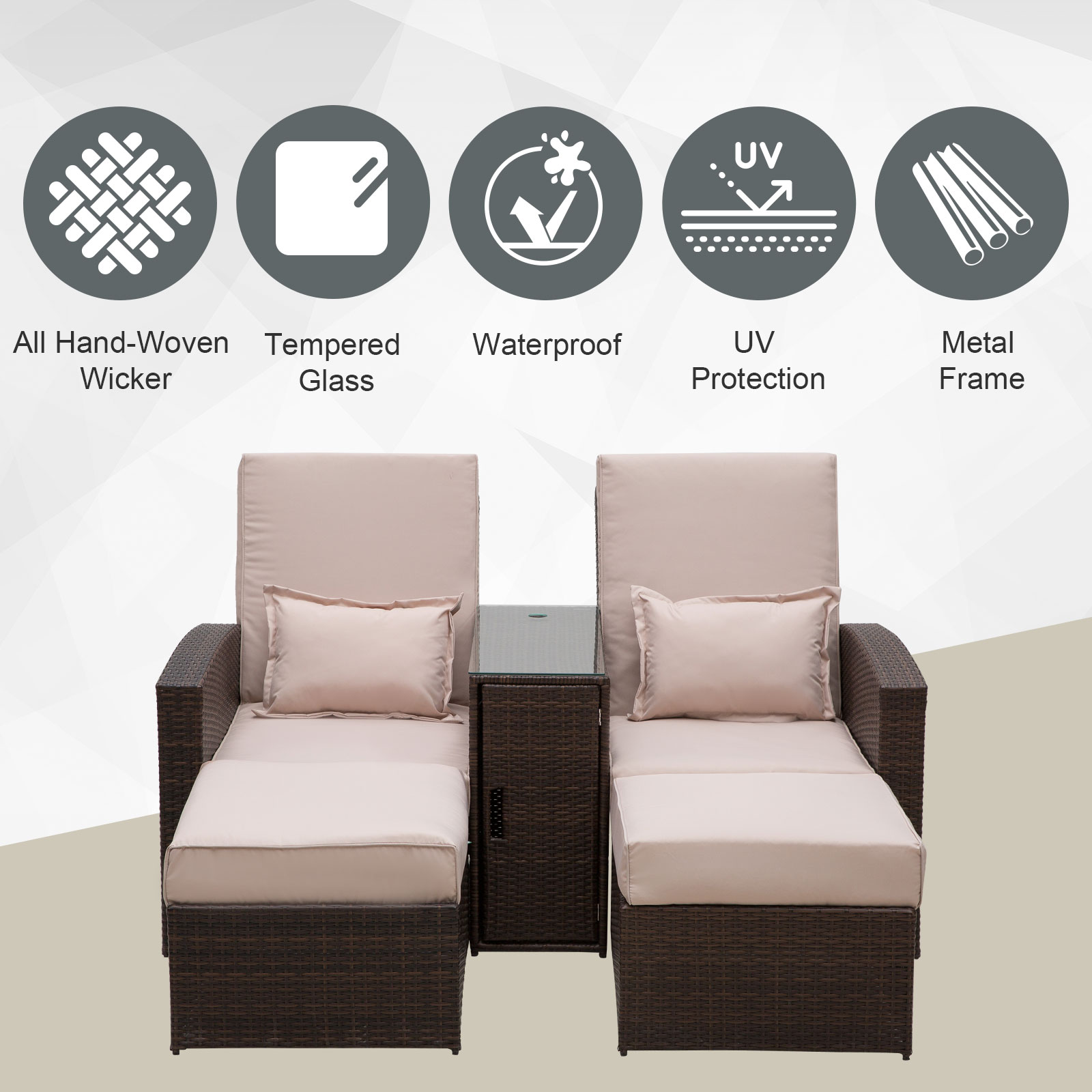
This is the least glamorous layout and often the most liveable. In a 4.6 m-wide terrace garden, putting the sofa against the house means the seating borrows warmth from the brick and lets the view run out to planting. It also means you can carry tea out without doing that sideways shuffle around a coffee table. A compact two-seater rattan lounger can work here, but measure the arms; chunky rolled arms can waste 18 cm each side, which is mad in a narrow plot.
The trade-off is that you are sitting with your back to the kitchen wall rather than facing the house. Some people dislike that. We think it is usually better than staring at bi-folds and a pile of trainers. Put the colour in cushions or a small table rather than buying a massive terracotta suite because it looked decent online. Water-resistant cushions still need air after rain, and covers can mildew if you leave them sealed over damp fabric for a week.
Layout 2: Corner sofa only if the corner is already hardstanding
The goal is a lounge feel on a 1930s semi patio without sacrificing the planting strip or access to the side gate.
A corner sofa earns its keep when it sits in a dead corner that was already paved. It fails when it demands a new slabbed platform across the only bit of soil. The 30 April Reddit reaction matters here because it shows a real public allergy to gardens that have been flattened into outdoor lounges. If the sofa forces you to remove the lavender, the ferny bit by the fence and the place where rainwater soaks away, the sofa has won too much.
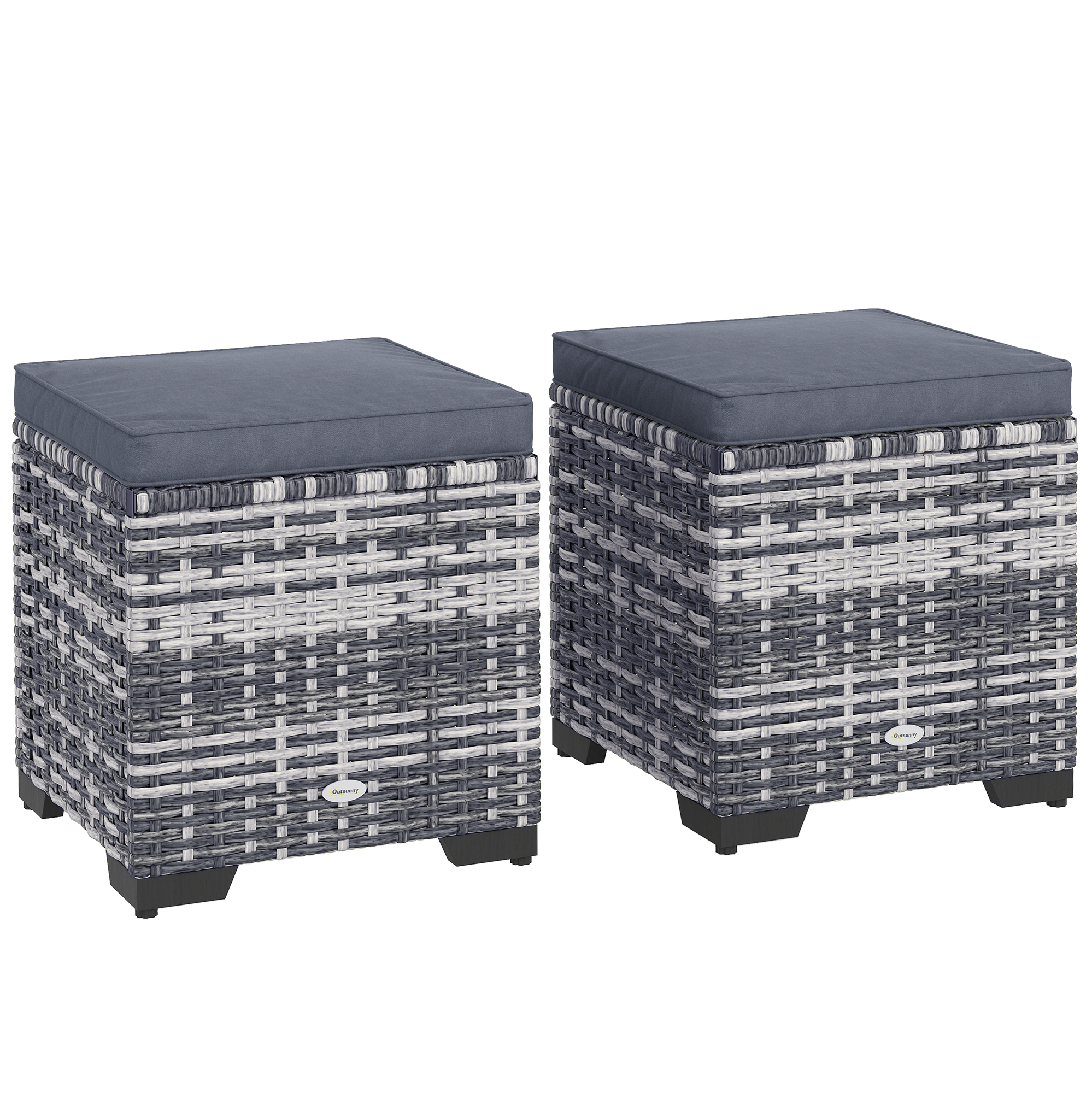
In a 1930s semi with a 5.5 m-wide rear garden, keep the L-shape furthest from the house if the evening sun lands there. Run a stepping path to it rather than paving the lot. If the patio falls by more than 20 mm across a metre, sort the level before buying furniture; deep aluminium or rattan frames rock badly on uneven slabs, and a wobbly glass-topped table is the quickest way to make a garden feel dodgy. A storage ottoman is useful in this layout, but check the load rating if guests will sit on it; 50 kg is not the same as a proper extra seat.
Layout 3: Chair, footstool and plants for the rented flat patio
The goal is comfort in a tiny rented outdoor space where drilling, paving changes and bulky storage are not realistic.
This is where the word sofa causes trouble. The best garden furniture for small UK garden outdoor sofa searches often leads people towards two-seaters, but a single chair with a footstool can be more generous in use. You can stretch out. You can move it for sun. You are not left storing six cushions in the hallway next to the hoover.
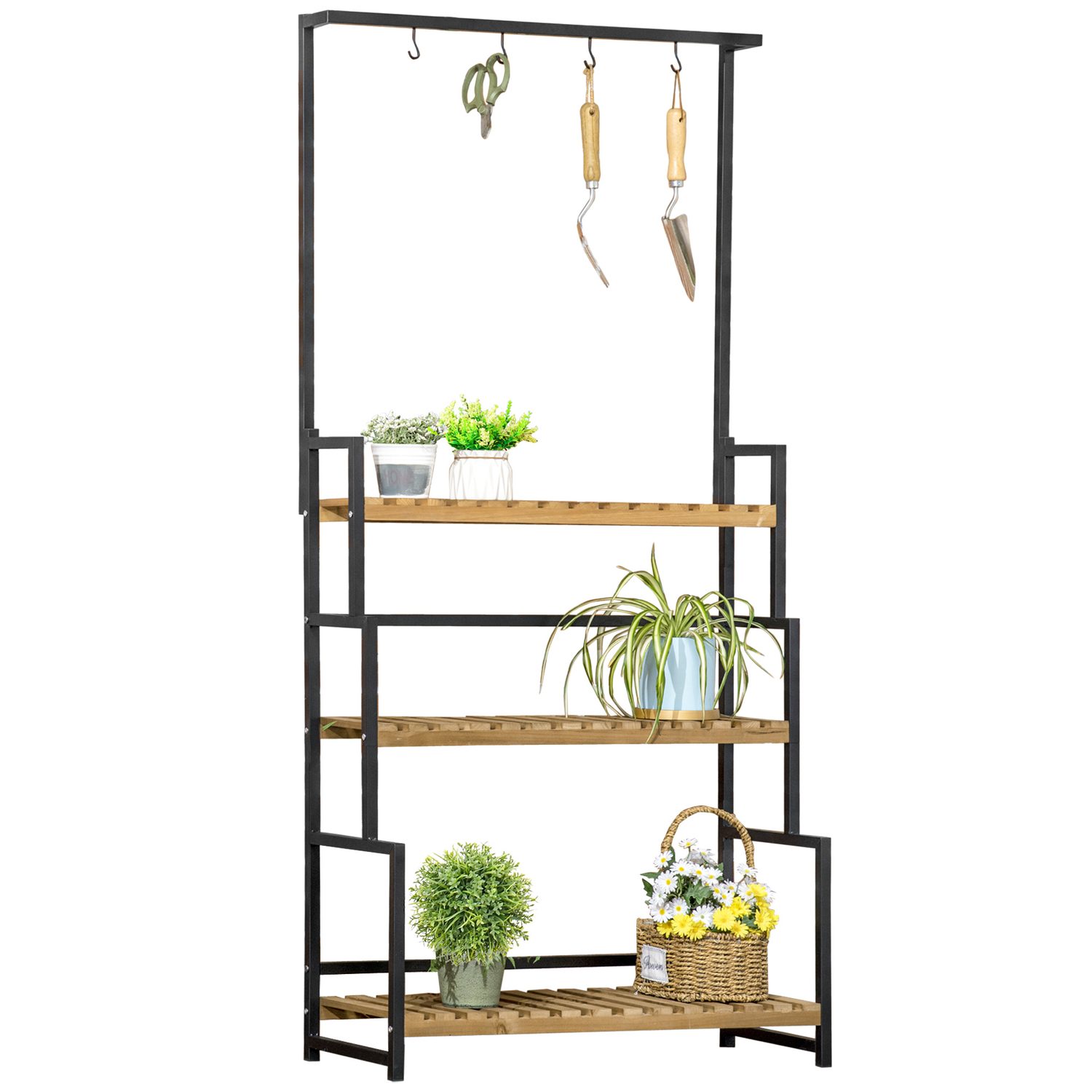
Rented flats bring their own rules: no fixing privacy screens to brick, no replacing cracked flags without asking, and often no side access. In that setting, a black metal hammock chair stand looks lovely only if you can store the fabric seat indoors and still open the door fully. A 60 cm-wide plant stand gives height without taking the floor, and it keeps the patio from becoming an outdoor storage bay. The caveat is wind. Tall, light stands need weight at the base, especially on exposed Manchester new-build balconies where a summer gust can make a basil pot travel.
Layout 4: The fair case for the outdoor lounge
The goal is a social garden in a wider new-build plot where an outdoor sofa genuinely supports how the household lives.
There is a fair counterargument. Some families do use gardens as the main sitting space from May to September. If you have teenagers, grandparents visiting, or friends round after work, dining chairs are stiff and nobody lingers. A deep sofa can make a garden more used, and that matters. Empty virtue-gardens, all bark mulch and no seat, are not much better than showroom patios.
The answer is proportion. A lounge set works in a wider new-build garden if the patio has been sized for it and the planting is treated as part of the layout rather than garnish. Keep at least two sides softened with soil, grasses, climbers or shrubs. Leave room for a washing line if you use one. Do not let a gas fire pit table dictate the whole plan unless you have checked clearances, heat marks and where the cover lives. Outdoor rooms are not the enemy; pretending every garden is a room is the mistake.
Common mistakes
The first mistake is buying by seat count. A "five-seater" set can eat a 3 m-deep patio once you include knees, table space and the route back to the kitchen. Draw the footprint in masking tape before ordering, including 40 cm to 50 cm from sofa to table.
The second is ignoring levels. British patios often slope to a drain, and older terraces may have patch repairs around manholes. Sofas with long rigid frames show every dip. Packable feet help a little, but they will not rescue slabs that fall like a kerb.
The third is treating cushions as weatherproof magic. They are bulky, damp after heavy rain and annoying to carry through narrow stairs if you live above a ground-floor flat. Plan the box, bench or indoor cupboard first.
The fourth is paving for the photograph. If your wildlife strip, compost corner and rain-soak area vanish so the sofa can sit square, you have solved the showroom problem and created a garden problem.
FAQs
What is the best garden furniture for small UK garden outdoor sofa layouts?
Usually a compact two-seater under 165 cm wide, or one outdoor armchair with a footstool. The best option is the one that leaves an 80 cm route and does not force extra paving.
How much space should I leave around an outdoor sofa?
Leave 40 cm to 50 cm between sofa and table, 80 cm for a main walking route, and at least 10 cm behind furniture against fences so air can move and leaves can be cleared.
Can a corner sofa work in a narrow terraced garden?
Yes, but only if it sits on existing hardstanding and the L-shape does not block the door-to-bin or door-to-shed route. In many terrace gardens, two smaller pieces are easier to live with.
Where should outdoor cushions go in a small garden?
Plan a storage place before buying the set. A 390-litre box suits many two-seaters, but check its footprint; if it blocks the back door, it will become daily faff.
Should I level the patio before buying a sofa?
If the patio drops more than about 20 mm over a metre, deal with the surface first. Deep sofas and glass tables feel cheap and unstable when they rock on uneven slabs.
How do I keep the garden from looking too paved?
Limit the seating area to a clear rectangle, then protect planting depth around it. Even 70 cm borders on two sides will soften a lounge set and keep insects, drainage and texture in play.
Villalta Home Editorial is the in-house byline used for buying guides and product roundups on villaltaco.uk. Each guide is written by the editorial team, drawing on the catalogue's measurable data — real dimensions, materials, UK use cases, price bands — and on hands-on research into how products actually perform in UK homes. Every post tagged with this byline is reviewed and approved by Juan Antonio Villalta Pacheco, the founder and editor, before it goes live. See our editorial standards for the full process.