I tried to tighten a wobbly Ikea Kallax with a butter knife once, in a one-bed in Walthamstow, the morning of viewings. The screw stripped. The shelf collapsed. The landlord arrived. You only do that once. After three flats in five years — Hackney, Forest Gate, Tooting — I've narrowed it down to the small handful of tools that actually pull their weight when you don't have a garage to keep them in.
This is not a "build your own toolbox" listicle. Most of the kits sold online include twelve sizes of spanner, a torque wrench and a hammer drill you'll never use unless you own the wall. In a rental, you want five things that fit in a shoebox under the bed and handle the actual emergencies: flat-pack repairs, a wobbly lamp socket, hanging a picture without spirit-level guilt, hunting a fuse in the under-sink cupboard, and getting your sofa back into a hired Luton without it sliding around the M25.
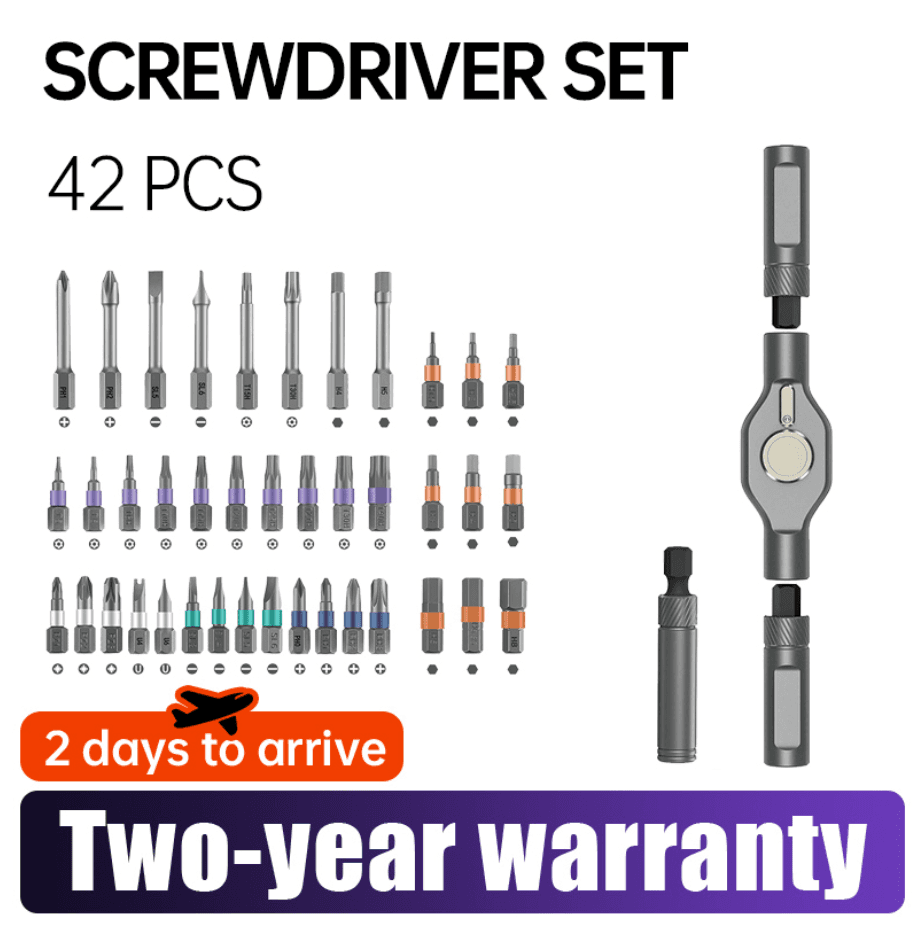
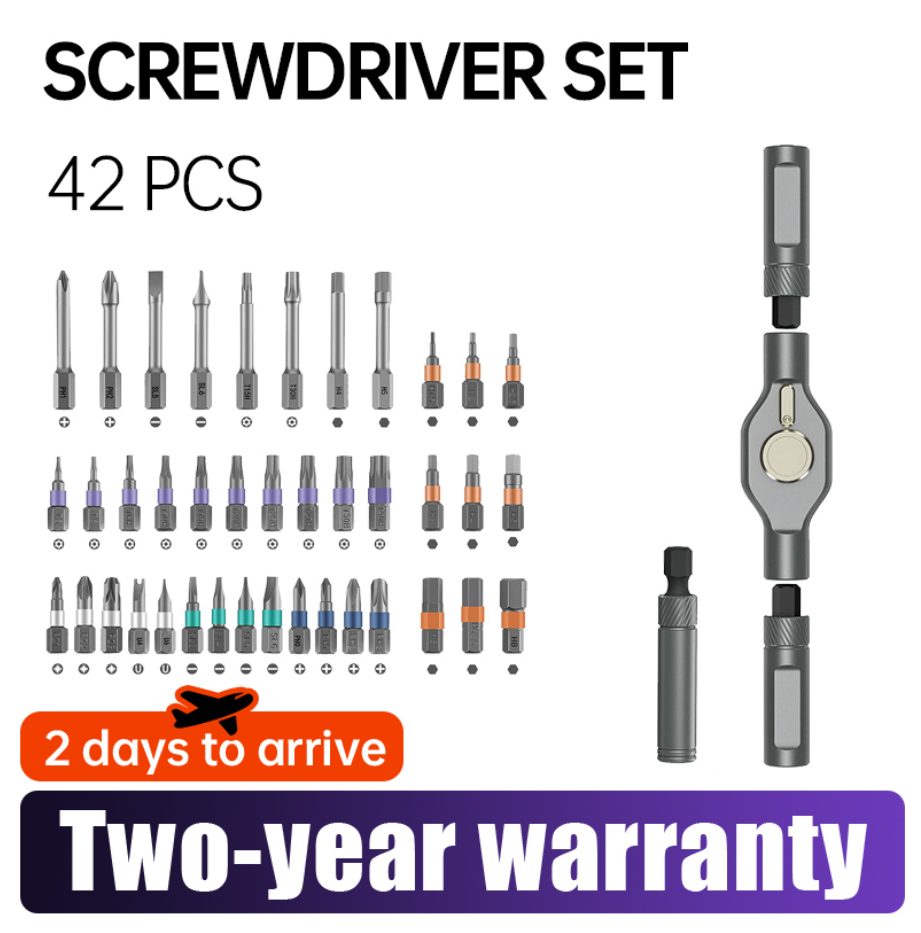
If you only buy one piece: the 42-piece magnetic screwdriver bit set does most of what a rented flat throws at you. It's around £18, fits in a drawer, and the colour-coded bits mean you stop guessing which size that little flat-pack screw actually wants.
How I'm thinking about this
Three criteria, all UK-rental relevant. Sub-£25 each — anything over and you start asking "do I really need this", which is the wrong frame for tools meant to live in the flat. No drilling required: renting in the UK means no holes in walls without a Section 21 risk hanging over you, so no impact drivers, no SDS bits, no torque wrenches. And every pick has to earn its drawer space on a normal month, not just the one job you'd otherwise pay a handyman £80 to do.
What I'd avoid: anything sold as a "12-in-1 multitool" with a hammer head built into a spanner. They don't grip properly, they don't drive, and they make you feel prepared when you're not. Buy the specific tools, skip the gadgets.
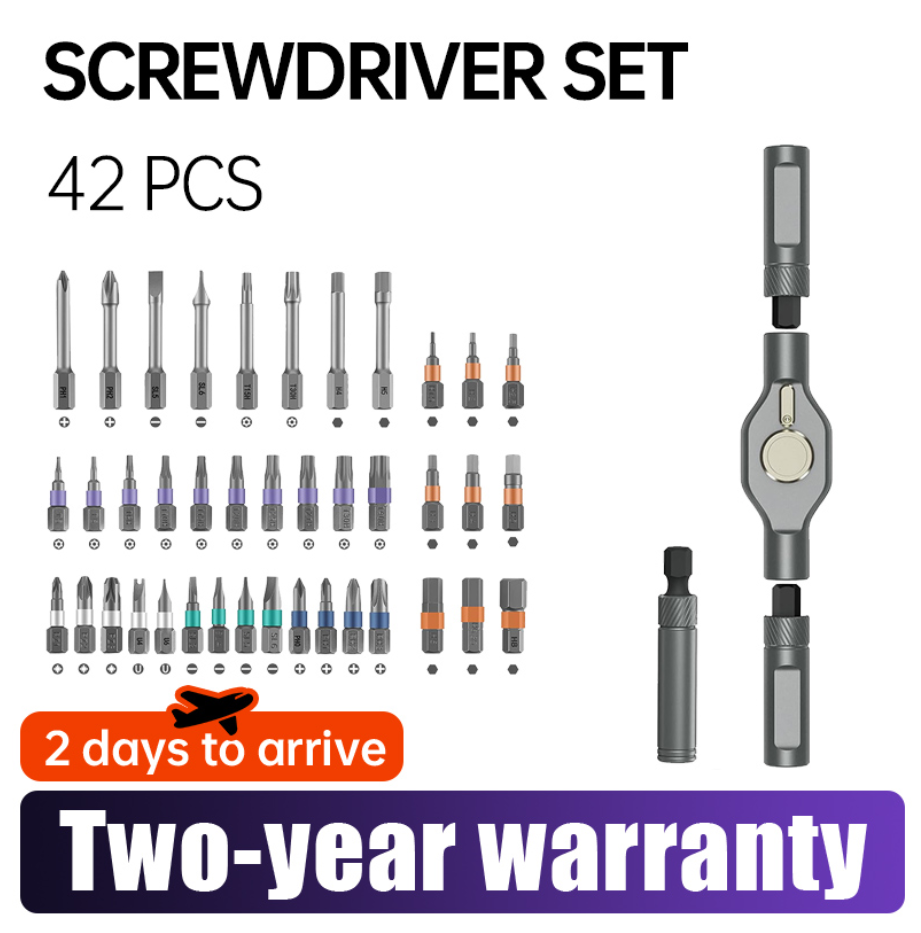
This is the one I reach for nine times out of ten. Phillips, flat, hex, Torx — the colour-coded rings let you spot the right size at a glance, which sounds trivial until you've tried three bits in a row on a recessed Ikea cam-lock screw. The magnetic tip holds the screw on the bit long enough to start it one-handed: the difference between assembling a Pax wardrobe in an evening and giving up halfway through the doors.
The honest caveat: the flexible extension is fine for shallow access (a cupboard hinge, the back of a radiator cover) but not stiff enough for heavy torque, so on a seized screw you'll want to hold the bit directly. Very fine electronics screws — the ones in old laptops or hairdryers — sometimes need a second hand to start because the magnet's tuned for bigger fasteners. For everything Ikea, Argos and B&Q sells, it's still the one I'd buy first.
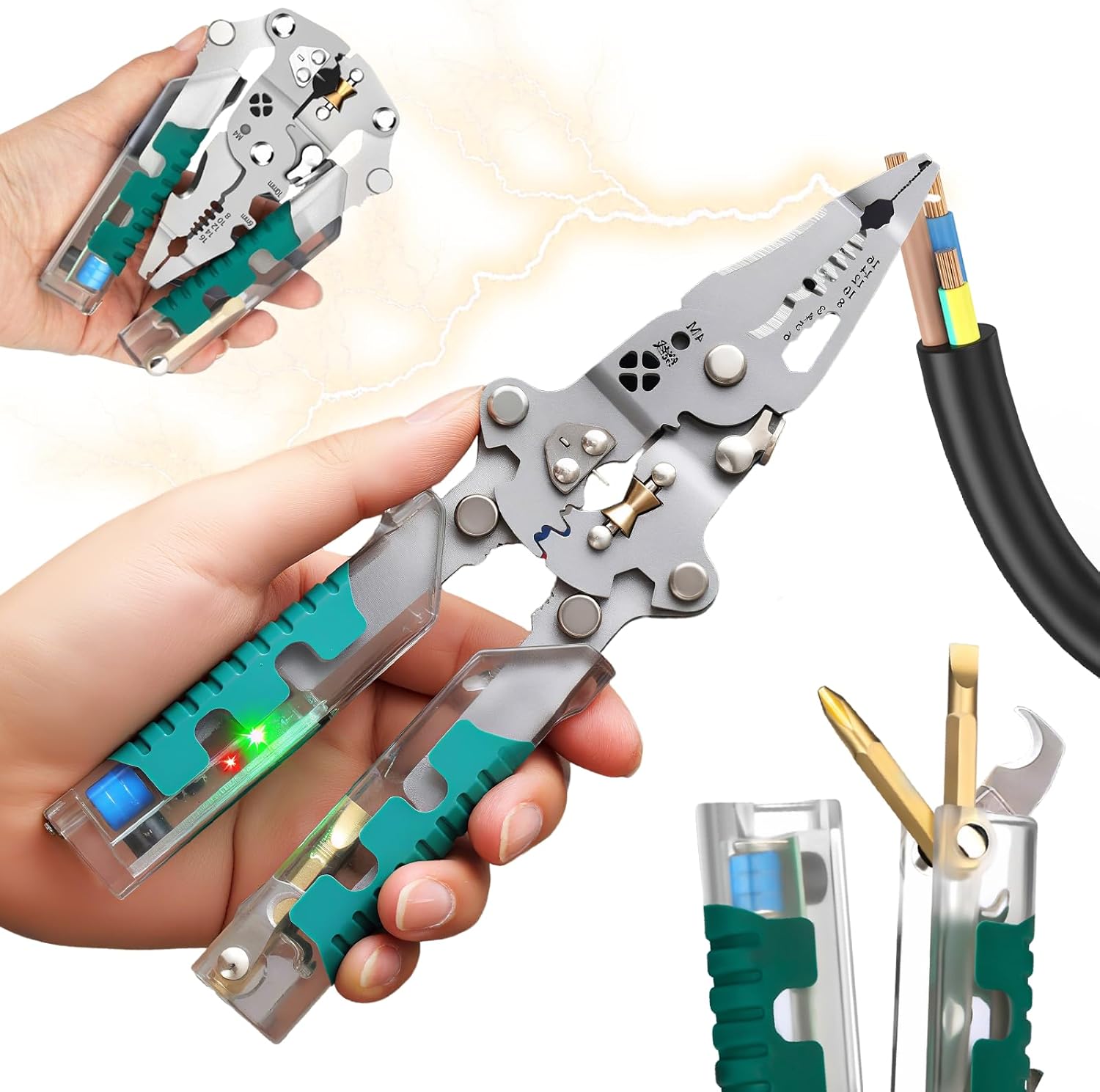
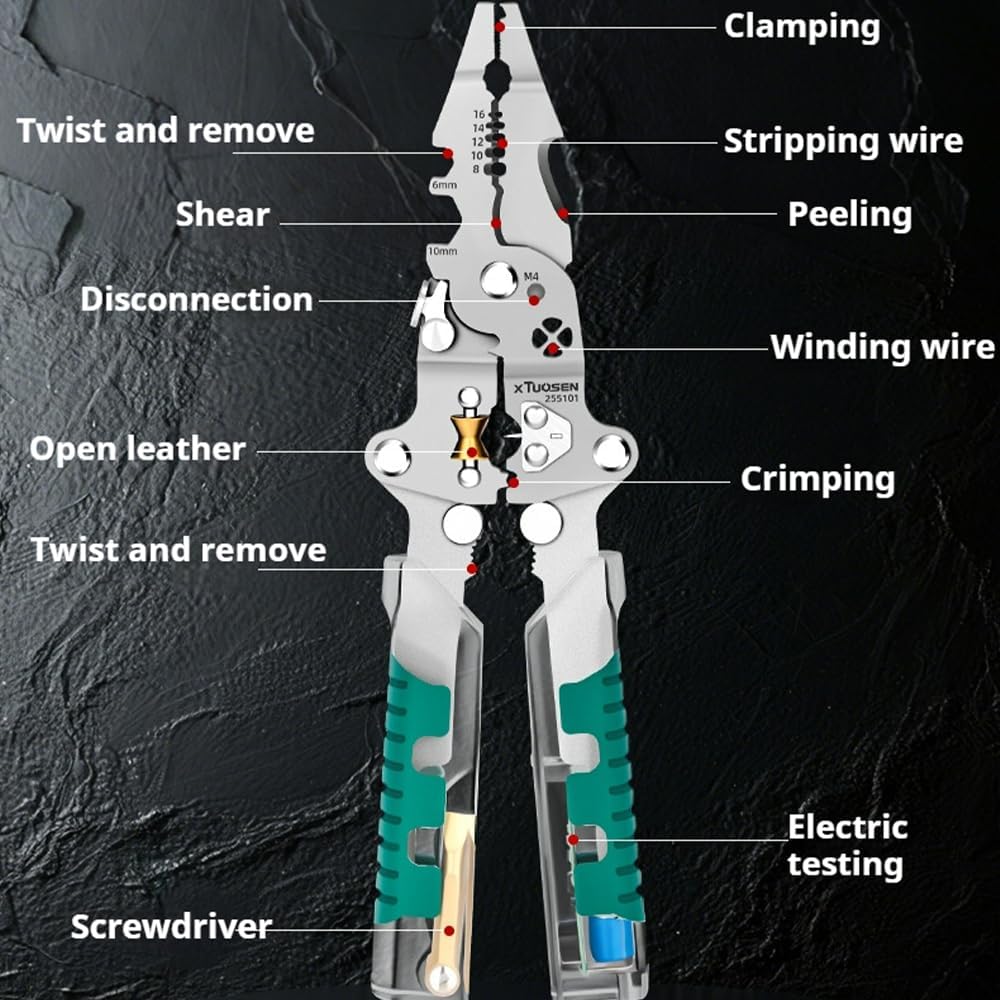
Most renters have at least one lamp with a dodgy switch, a plug that crackles, or a kettle lead that's been pinched by the cupboard door so long it's started to crack. This folds out to wire stripper, crimper and cutter in one body, with a built-in voltage detector — green LED, audible beep — so you can confirm a socket is actually off before you touch the live side. Stripping range covers everything from speaker cable up to standard UK appliance flex.
What it isn't: a substitute for an electrician past the plug. It'll handle a fuse swap, a new plug top, or a connector block on a table-lamp flex, but you're not rewiring a ring main with this. The handle grips are slim for sustained use — fine for a five-minute fix, less comfortable on a long crimping run. As a back-pocket multitool for the small jobs that come up monthly, the most useful £22 I've spent on hardware.
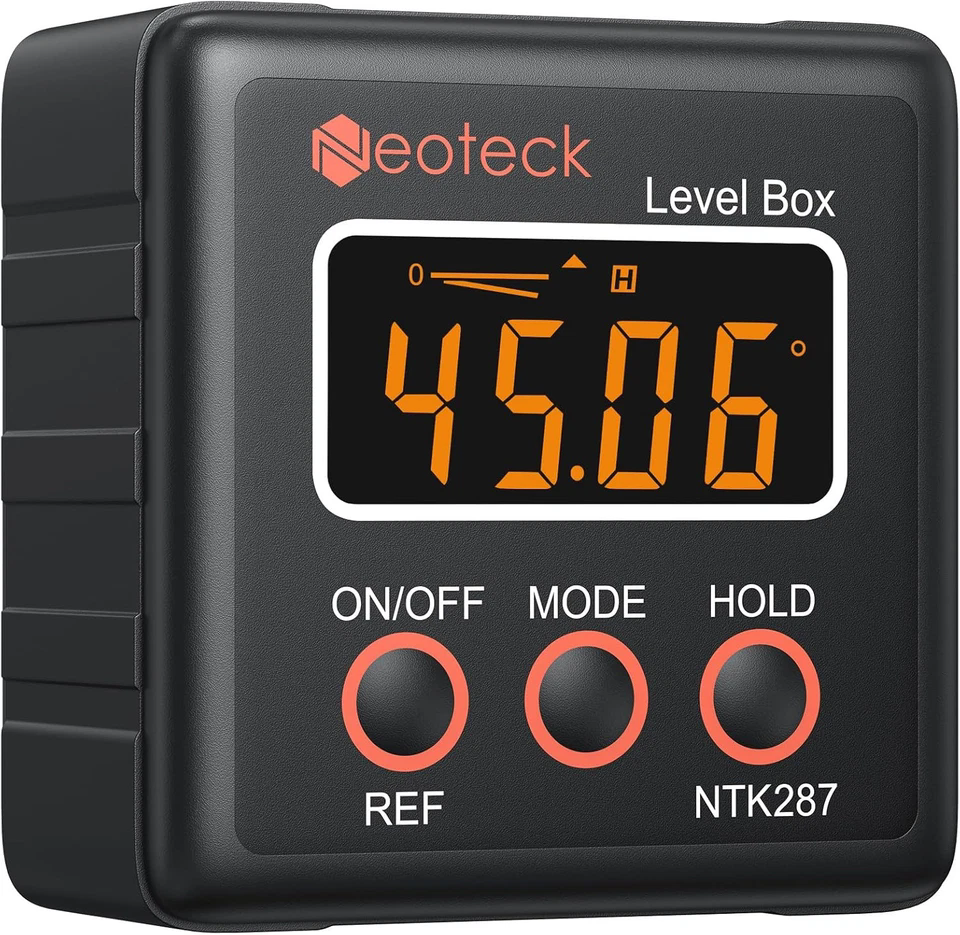
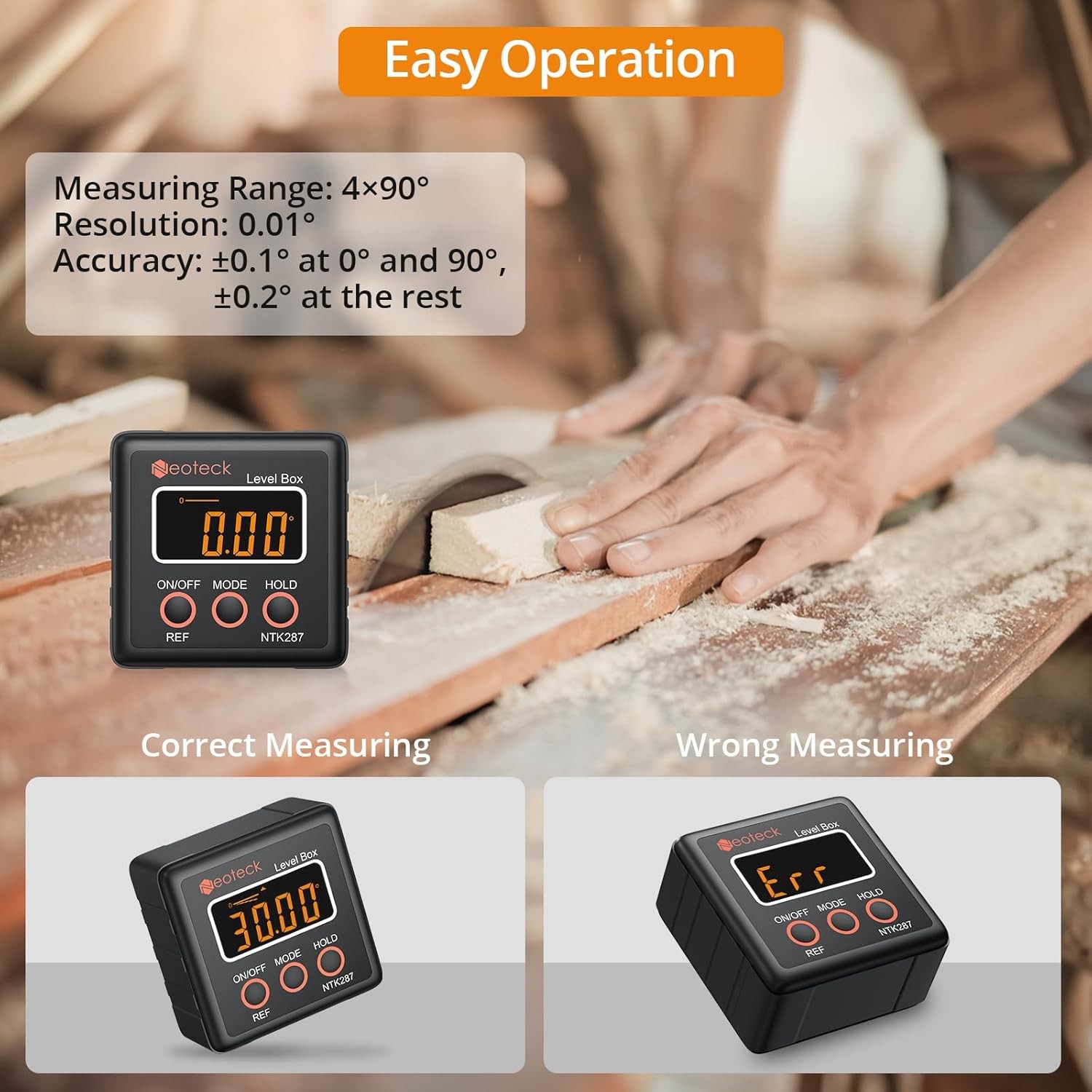
Skirting boards in pre-war terraces are almost never level. Neither are the floors in a 1930s semi, and don't get me started on Victorian conversions. A spirit level tells you something is off; this tells you by how much, which is what you actually want when you're hanging a row of three frames and don't want them to look like a bad gallery opening. Stick the magnetic base on, read the angle, adjust the wire, move on. The hold button freezes the reading so you can lift it off the wall and match the next frame against it.
Overkill for one-off jobs — a £4 spirit level handles a single shelf. But the moment you're doing a gallery wall, fitting a curtain pole across an out-of-square window, or shimming a wonky bookshelf, it pays for itself in an afternoon. The catch: the magnet only sticks to metal, so for purely wooden setups you'll lay it on top of a frame rather than clip it on the side.
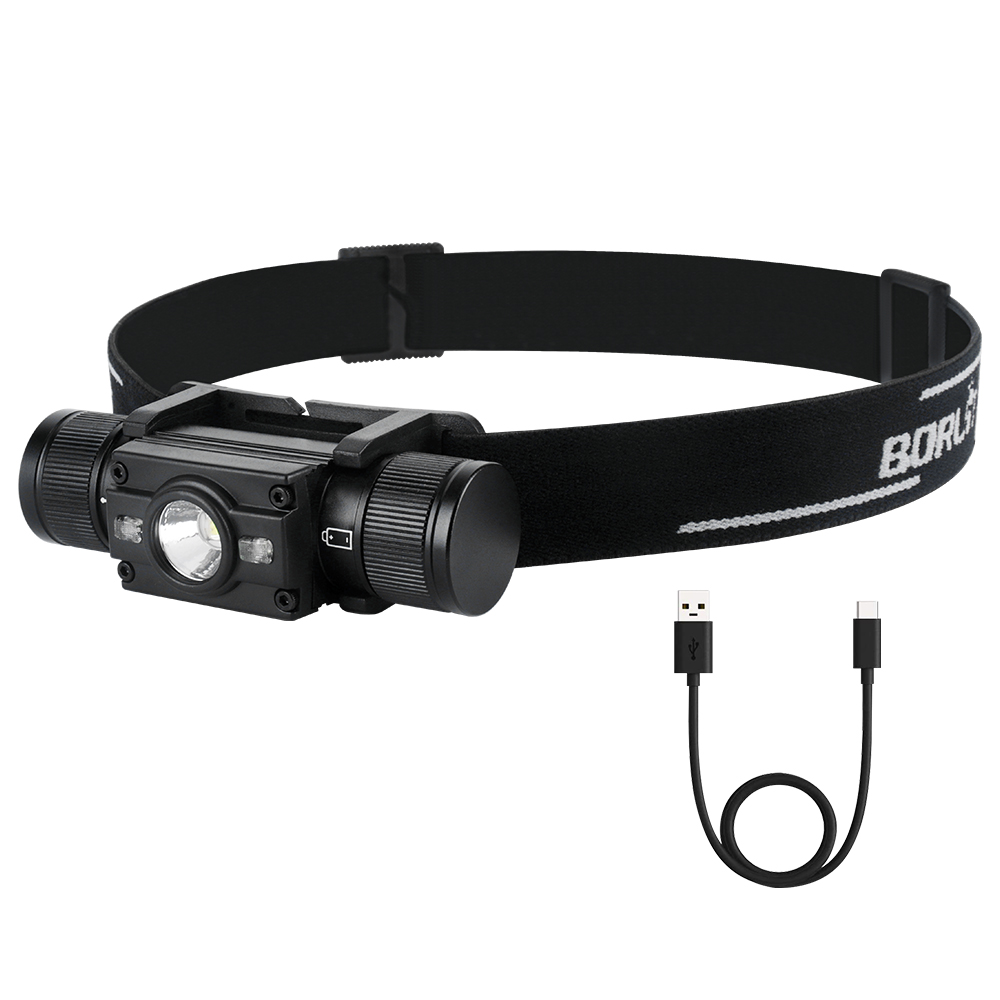
The trap arm under your kitchen sink is the worst-lit cubic foot in the entire flat, and it's where every emergency lives — the leak you found at midnight, the plug you have to fish out, the U-bend that needs a wrench in one hand and a torch in the other. A phone in your mouth is not a real solution. This head torch is 73g (you forget you've got it on), USB-C so it lives next to your phone charger, and runs seven modes from focused spot to wide flood, plus a red mode for hunting the fuse box at 2am without waking the whole flat.
Not a workshop floodlight — the supplier-listed 850 lumens is optimistic, call it sensible for arm's-reach work, not lighting a garage. Battery life on the brightest mode is shorter than you'd guess, so save high beam for the actual fix and use medium for inspection. For finding the plumbing access panel behind the washing machine when it starts dripping, it earns its drawer space permanently.
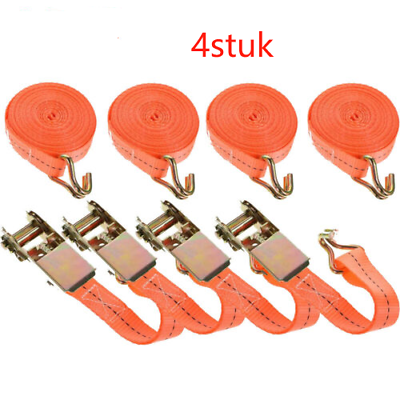
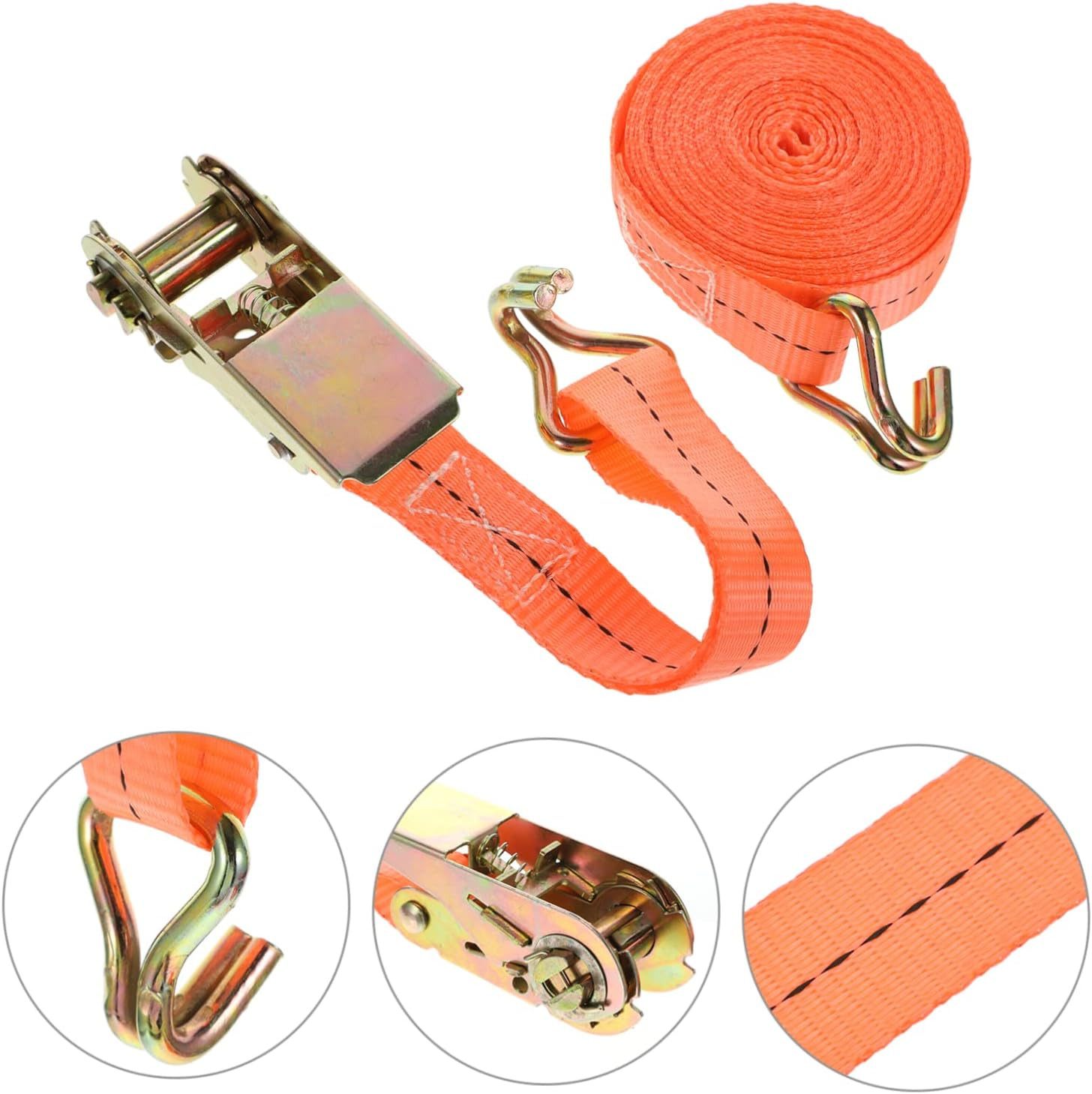
The one nobody buys until the second time they move flat. You hire a Luton for the day, stack the sofa, two wardrobes and a mattress in the back, and find out at the first roundabout that nothing is staying put. Four 6-metre straps, steel ratchet buckles, J-hooks that catch the anchor rails in every UK rental van. Tension once, lock the ratchet, drive off knowing your wardrobe isn't going to dent the cab on the next braking event.
You won't use these monthly. But the day you need them, you really need them — and at £13 for four they cost less than the excess on a damaged hire van. Storage caveat: the orange webbing takes about a shoebox of space, so it isn't a "leave under the sink forever" tool. Mine live coiled in a Tesco bag at the back of the wardrobe and come out twice a year — once for moves, once for shifting a friend's sofa across town.
What I'd skip
The things sold as essentials in every "first home toolkit" that I have never actually needed in five years of renting:
- A claw hammer. You will not use a hammer in a rental. If you think you need one, you don't.
- A 30-piece spanner set. Save it for when you own a car you actually maintain.
- A laser level on a tripod. The angle finder above does the same job at a fifth of the price.
- Any "tool wallet" or "tool roll". They cost as much as the tools. A shoebox does the same job.
The verdict
If you're putting together a tool drawer for a new flat and you want to stop right at five things, the 42-piece bit set and the head torch are the two you'll reach for monthly. Add the pliers when a lamp inevitably gives up, the angle finder the first time you try to hang anything in a row, and stash the ratchet straps at the back of the wardrobe for the day you move out. Total spend under £90, fits in a shoebox, handles most of what a UK rental will throw at you across a two-year tenancy.
By the Villalta Home Editorial team, June 2026. Edited by Juan Antonio Villalta Pacheco.