
At 7:18 on a wet Tuesday in a Manchester new-build, I watched a silk-covered curling sausage slide from crown to ear while someone tried to make coffee, pack a PE kit and find a BS 1363 adaptor for the bedroom mirror. The hair looked glossy where it had dried; at the back it was still faintly damp after eight hours. That is the bit the heatless-curling chat often skips. This comparison is heatless curl tools versus controlled heated tools for UK bathrooms, box bedrooms and school-run mornings. My thesis is blunt: a cool curler that holds damp hair under tension overnight can be rougher than a low-temperature tool used briefly on dry hair.
The case for heatless curl tools
Heatless tools have one clear virtue: they remove direct heat from the equation. If your hair is bleached, already snapping at the ends or so porous it goes crispy above 150°C, that matters. A £6.99 foam rod set or a £14.99 satin curling ribbon also costs far less than most powered stylers, which often sit between £39.99 and £249.99 depending on the attachments and motor claims. No plug. No scorched fringe. No anxious hand hovering near a 180°C barrel.
The strongest counterargument to my thesis is fair: heat damage is real, and it accumulates. TechRadar’s 2026 air-styler guide put it plainly, noting that any heat-styling appliance can damage the cuticle. That cuts through the daft “no-damage shine” language used around some warm-air and hot-barrel tools. Heatless styling can be a proper relief if you’re taking a break from straighteners after years of daily use.
But heatless is not automatically gentle. Tension is damage’s quieter cousin. If a ribbon is tied tightly at the crown, or fine hair is wrapped wet and slept on for seven to eight hours, you are trading thermal stress for mechanical stress, swelling and friction. Hair is weaker when wet. Curls and coils can suffer if they’re stretched flat overnight and then yanked apart in the morning. The other snag is hold: heatless curls often need slightly damp hair to set, but too much moisture leaves you with a cold, limp bend by 8:15. A brand-specific Reddit thread from 7 September 2026 had the familiar complaint: styled curls falling within 30 minutes, with the owner wondering whether the tool should go back. Different product, same tension. People want less damage, but they also want speed and a curl that survives drizzle outside Tesco.
The case for controlled heated tools
Controlled heat tools win for the average UK weekday because they let you style dry hair quickly, with less prolonged pulling, and choose the lowest useful setting. That last bit is the whole argument. A curling wand used at 140°C to 160°C for short passes is not the same beast as clamping fine hair at 210°C every morning. A dryer with a diffuser on low heat and low speed is not the same as blasting coils at full power until the ends fluff out.
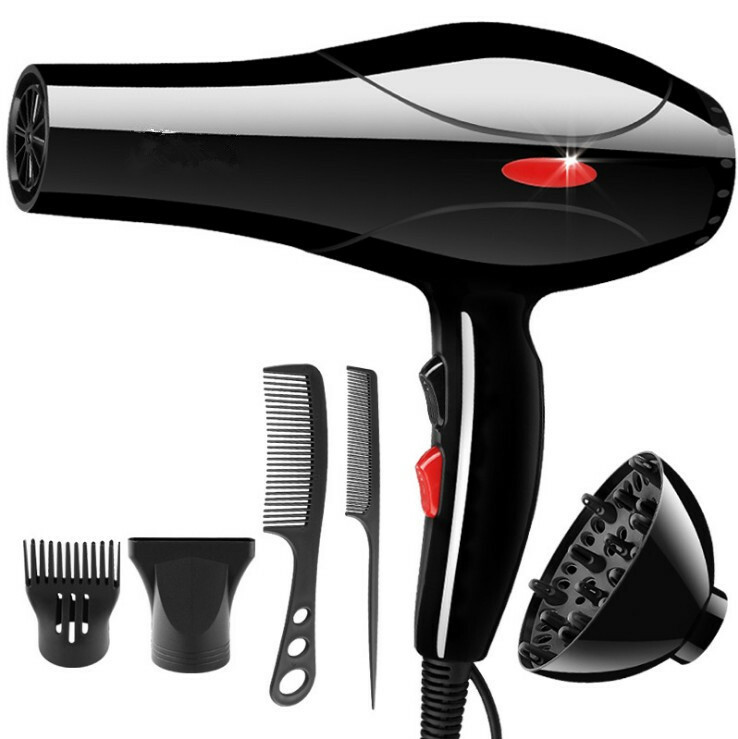
Woman & Home reported on 29 September 2026 that curly-hair dryers need lower heat and speed settings, plus compatible diffusers, because curls and coils often require slower, gentler drying. That matches what you see at home: high airflow can wreck a curl pattern before heat has even had its say. A 2200W dryer sounds aggressive, yet paired with a diffuser and used on a lower setting, it can be more controlled than going to bed with roots wet and fabric pressing into the same section for hours. As an illustration, a diffuser dryer such as the 2200W professional hair dryer with diffuser is only sensible if you actually use the low settings; wattage is capacity, not a command to blast.
Warm-air multi-stylers sit in the middle. A 6-in-1 air styler hair dryer can dry and shape in one session, which is handy in rented flats where the only decent mirror is near a socket in the bedroom. The caveat is hold. Air styling tends to give polish and bend rather than the locked-in ringlet you’d get from a hotter barrel, and the marketing often pretends physics has been cancelled. It hasn’t. If you demand a curl that lasts from the commute to last orders, you’ll usually need dry hair, a sensible temperature, sections no wider than 3cm to 4cm, and a cooling period before brushing out.
The honest trade-off
Heatless tools reduce thermal exposure, but they ask for time, tension and usually a bit of dampness. Controlled heated tools introduce cuticle risk, but they give you precision: temperature, airflow, section size and contact time. Fine hair is the canary here. It can kink beautifully around a satin rod, then collapse after half an hour because there was not enough setting force. Coily hair faces a different problem: slow drying is often kinder, yet sleeping on damp roots can leave the scalp uncomfortable and the pattern stretched in odd places.
A styling method is only gentle if the heat, tension and drying time suit your hair; “cool to the touch” is not a damage policy.
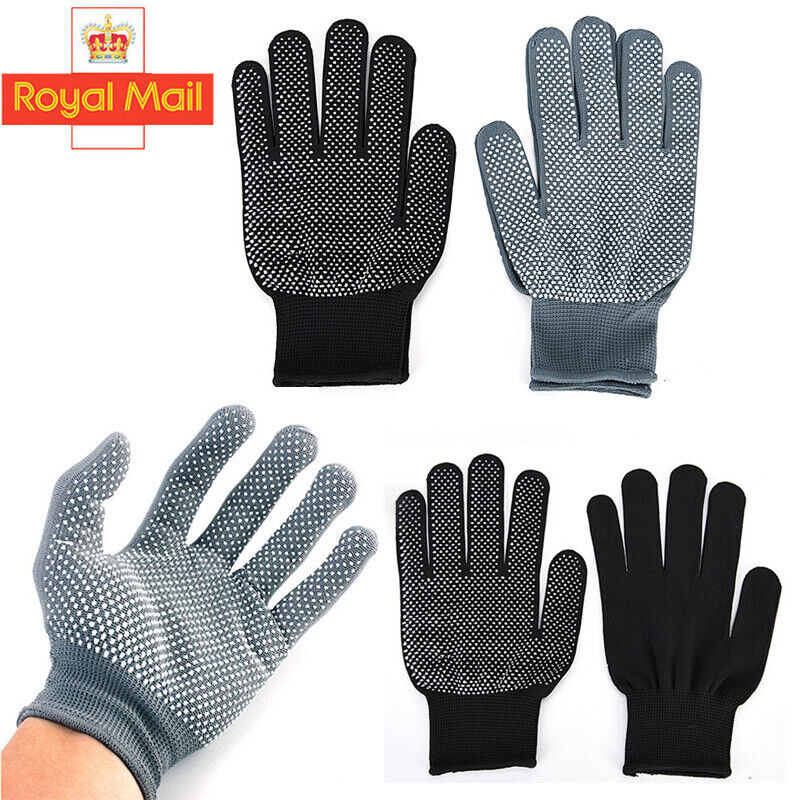
Cost is part of it, too. Heatless sets can be bought with the weekly shop money. A decent controlled heat tool costs more and takes more judgement. Gloves help with barrels, and something like heat-resistant gloves for straightener and curling use reduces burned fingertips, but it won’t save hair from a too-hot setting. The savvy move is boring: start lower, dry fully, use bigger sections only if your hair holds shape, and stop chasing the glassy finish if your hair type hates it.
Which to pick by use case
- Fine, shoulder-length hair in a rented flat, styled before work: pick controlled heated tools. Use dry hair, 140°C to 160°C if your tool allows it, and keep the contact brief. Heatless ribbons often leave fine hair too soft to last through damp UK air.
- Bleached or chemically fragile hair with no urgent morning deadline: pick heatless curl tools. Wrap loosely on barely damp hair, not wet hair, and accept a softer curl. If you need to tug hard to remove the tool, it’s a dodgy bargain.
- Curls and coils needing definition after wash day: pick controlled airflow with a diffuser. Low heat and low speed matter more than a “fast dry” claim. Rushing the dry is where frizz and wonky shrinkage creep in.
- Thick hair that takes hours to dry in a Victorian terrace bedroom: pick controlled heated tools. Leaving dense hair damp overnight for a heatless set is a recipe for flat roots and a poor kip. Dry first, then style with the lowest heat that actually works.
FAQs
- Are heatless curls damaging to hair?
- Heatless curls can damage hair if they rely on tight tension, wet wrapping or overnight friction. They avoid direct heat, but damp hair is more fragile, so loose wrapping on nearly dry hair is the safer version.
- Are heated hair tools always worse than heatless tools?
- No, heated hair tools are not always worse than heatless tools. A low-temperature tool used briefly on fully dry hair can be kinder than sleeping in a tight heatless curler on damp hair for eight hours.
- What temperature should I use to curl fine hair?
- Fine hair usually needs the lowest effective temperature, often around 140°C to 160°C on adjustable tools. If the curl forms at 150°C, there is no good reason to use 190°C for everyday styling.
- What is the best way to dry curls and coils without causing frizz?
- Curls and coils usually dry best with low heat, low speed and a diffuser that supports the curl rather than blowing it apart. Slow drying can be annoying, but aggressive airflow often causes more visible frizz than moderate heat.
- Why do my heatless curls fall out so quickly?
- Heatless curls often fall out because the hair was too wet, too dry, too clean or not allowed to set fully. Fine hair may also need a light styling product and a complete cool-down before you separate the curls.
- Should I buy heatless curlers or a heat tool in the UK?
- Most UK buyers who style before work should choose a controlled heat tool with adjustable settings. Choose heatless curlers if your hair is fragile, your mornings are flexible and you are happy with softer hold.