The first cold week after the clocks changed, a neighbour in a Leeds Victorian terrace dragged a £279.00 second-hand indoor rower into a 2.4 m by 2.1 m spare room and declared the gym membership sorted. By Wednesday he had rowed three 18-minute sessions with the damper jammed high, clipped the skirting twice, and paid £55.00 for a physio to tell him his lower back was doing the work his legs should have done. That is the bit the winter cardio adverts leave out. An indoor rower beats winter boredom only if you treat it as a skill machine before you treat it as a calorie machine.
Mistake 1: Buying the rower before learning the stroke order
The common regret is not buying a rower. It is buying one and immediately yanking the handle like a lawnmower cord. Indoor rowing looks obvious in a shop photo: seat slides, chain moves, sweat happens. The technique is less obvious. Beginners often miss the legs-body-arms order on the drive, then arms-body-legs on the recovery, so the stroke becomes a hunched pull with a sliding seat attached. GymPal’s 3 October 2026 UK beginner guide put technique and lower-back problems right at the front, which is exactly where they belong.
The cost is usually pain, then avoidance. A £399.00 machine becomes a laundry rack because every session feels dodgy. Before buying, book one coached gym session, use British Rowing’s indoor-rowing technique pages, or film 30 seconds side-on at 18-22 strokes per minute. If your knees and handle keep crashing into each other, do not upgrade the machine. Fix the stroke.
Mistake 2: Trusting the folded footprint and ignoring the rowing footprint
Retail pages love the folded dimension because it sounds flat-friendly. A rower that stores at 95 cm by 60 cm may still need roughly 220 cm to 245 cm in use, plus room behind you to get on without performing a strange sideways shuffle. In a rented flat with a narrow hallway, that difference matters more than the monitor spec. The other missed measurement is the path into the room: a 215 cm rail can be a right faff through a staircase kink, even if the box technically fits through a 76 cm door.
The cost is boring but real: half a Saturday, scuffed paint, and sometimes a courier collection fee of £39.99 if the seller counts it as buyer’s remorse. Measure the full rowing rectangle on the floor with masking tape this week. Sit inside it with a dining chair and a broom handle. If the handle would hit a radiator or wardrobe, the rower will too.
Mistake 3: Believing “full-body burn” means every session should be hard
The phrase “full-body burn” sells rowers to winter buyers because it promises a lot of exercise from one appliance. The regret arrives when beginners row every session like a two-minute test. High resistance, high stroke rate, grim face. Then the machine becomes associated with dread rather than progress. The Independent’s 5 October 2026 autumn wellbeing feature framed indoor rowing as a way to keep training interesting indoors; the interesting part is the craft, not flogging yourself in the spare room while rain hits the window.
The cost is quitting in week three, usually after spending £29.99 on a mat and £18.00 on gloves you did not need. A better beginner check is brutally simple: can you row 12 minutes at 20 strokes per minute while breathing through your nose for parts of it? If not, lower the resistance and shorten the session. Skill-based winter cardio should leave you wanting another go.
Mistake 4: Paying for gamified subscriptions before knowing what motivates you
The fair counterargument is strong: leaderboards, scenic rows and structured plans can make indoor cardio less bleak. For some people, paying £19.99 to £34.99 a month is the nudge that keeps the habit alive. British Rowing’s indoor ecosystem, HYROX’s pull on gym culture, and Birmingham hosting the World Rowing Indoor Championships in December 2026 all show that indoor rowing is becoming a proper winter training culture, not a dusty corner of the gym.
The mistake is assuming the subscription will create the habit before you enjoy the stroke. Screens can hide poor rhythm for a fortnight, then the novelty drops and the direct debit carries on. The cost is six unused months at £24.99, or £149.94, which is decent winter kit money. Before subscribing, do ten rows with only time, distance and stroke rate showing. If the numbers themselves make you curious, a connected plan may be worth it. If you are bored by minute four, buy carefully.
Mistake 5: Replacing the gym with one machine and no winter routine
An October 2026 r/CasualUK thread from someone who had quit the gym drew the usual household trade-off: put the membership money into winter running gear, a treadmill, or a rowing machine. That is the live UK calculation. The mistake is treating the rower as a whole routine rather than one tool. Rowing asks for technique, clear floor space and a bit of mental attention. At 8:15 on the school run, or after a late train home, those requirements can be enough to stop you starting.
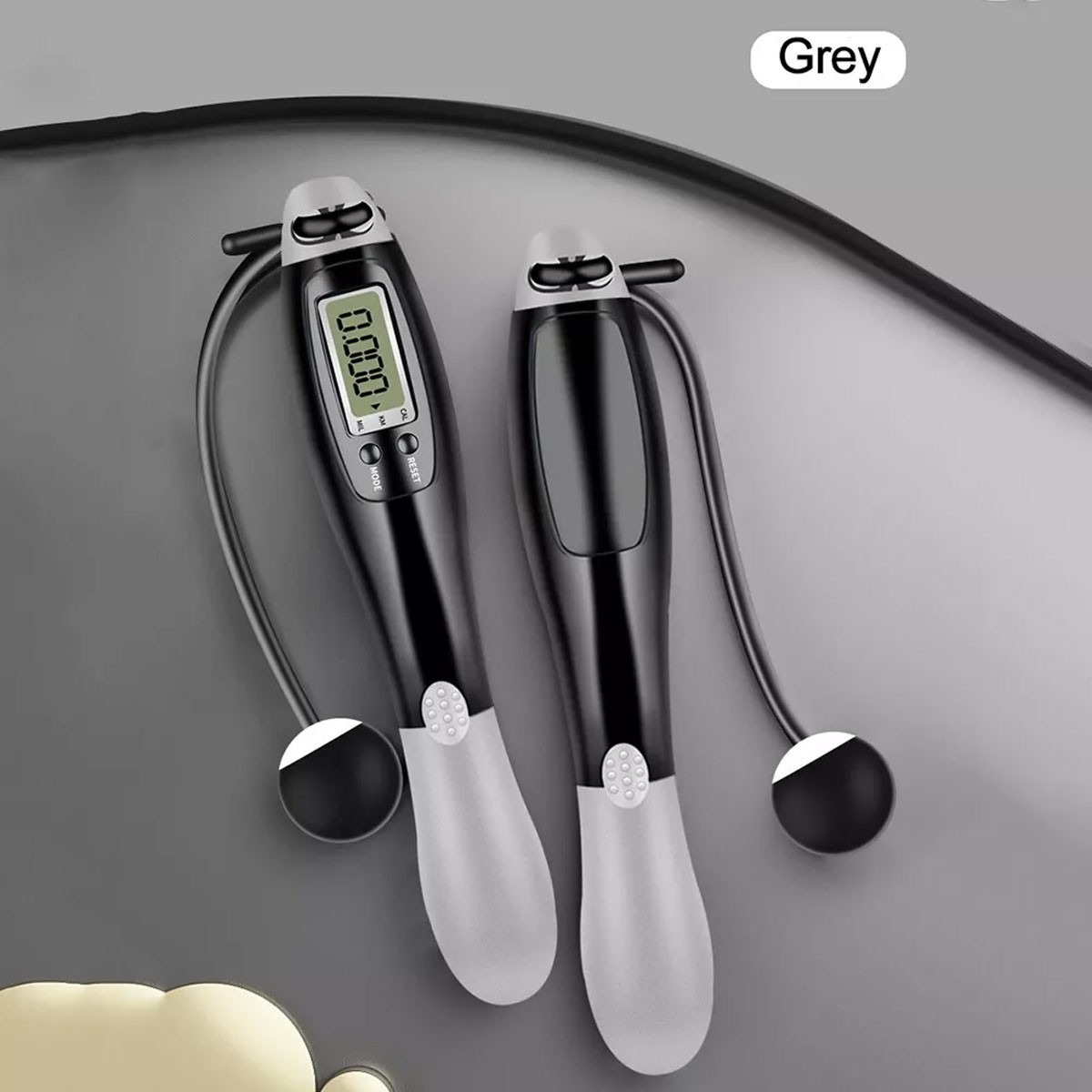
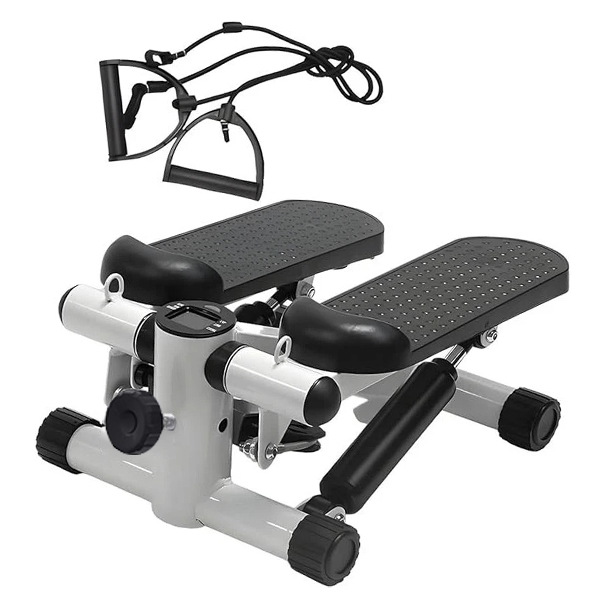
The cost is the familiar home-fitness guilt loop: £499.00 spent, four strong sessions, then silence. Make the routine smaller before buying bigger kit. Write a two-week plan with three 15-minute rows, one walk, and one easy alternative such as a mini stepper or cordless skipping rope if space allows. If you cannot picture the exact days, the rower is not the missing piece yet.
When these 'mistakes' are actually fine
Some homes and some people make these warnings less urgent. If you already rowed at school, at a club, or on gym machines with decent coaching, you may not need a separate technique lesson before buying. You still need to check your stroke now and then, but you are not starting cold.
The footprint warning also softens in a Manchester new-build with a service lift, a square spare room, and no narrow stairs. If you can leave the rower open, it becomes much easier to use. Folding and unfolding is where good intentions go to kip.
Subscriptions are fine if you already know you respond to targets and community. Some buyers genuinely need a screen session to get through dark evenings, and that is not a moral failing. The point is to test whether you like rowing, not whether you like an app’s first-week fireworks. If a mini-stepper-machine-home-cardio or cordless-skipping-rope-smart-counter-weighted setup suits your flat better, that is savvy rather than settling.
FAQs
- Is an indoor rowing machine good winter cardio for a UK beginner?
- Yes, an indoor rowing machine can be excellent winter cardio for a UK beginner if you learn the stroke and start with short sessions. The safest early target is controlled rowing at 18-22 strokes per minute, not maximum resistance.
- How much space do I need for an indoor rower in a small flat?
- Allow about 220 cm to 245 cm of usable length for many indoor rowers, even if the stored footprint is much smaller. Tape the full rowing area on the floor before buying, especially in rented flats with awkward doors.
- Why does my lower back hurt after using a rowing machine?
- Lower-back pain often means you are pulling early with your arms or collapsing at the catch instead of driving first with your legs. Lower the resistance, slow the stroke, and check the legs-body-arms sequence.
- Do I need a rowing app or subscription to stay motivated?
- No, you do not need a rowing subscription to build a winter habit. Try ten basic sessions using time, distance and stroke rate first; pay for gamification only if it clearly makes you come back.
- Is a rower better than a treadmill for quitting the gym?
- A rower is better if you enjoy learning technique and have enough floor space; a treadmill is better if you want a simpler movement. For many UK homes, the best answer is the one you can use twice a week without moving furniture.