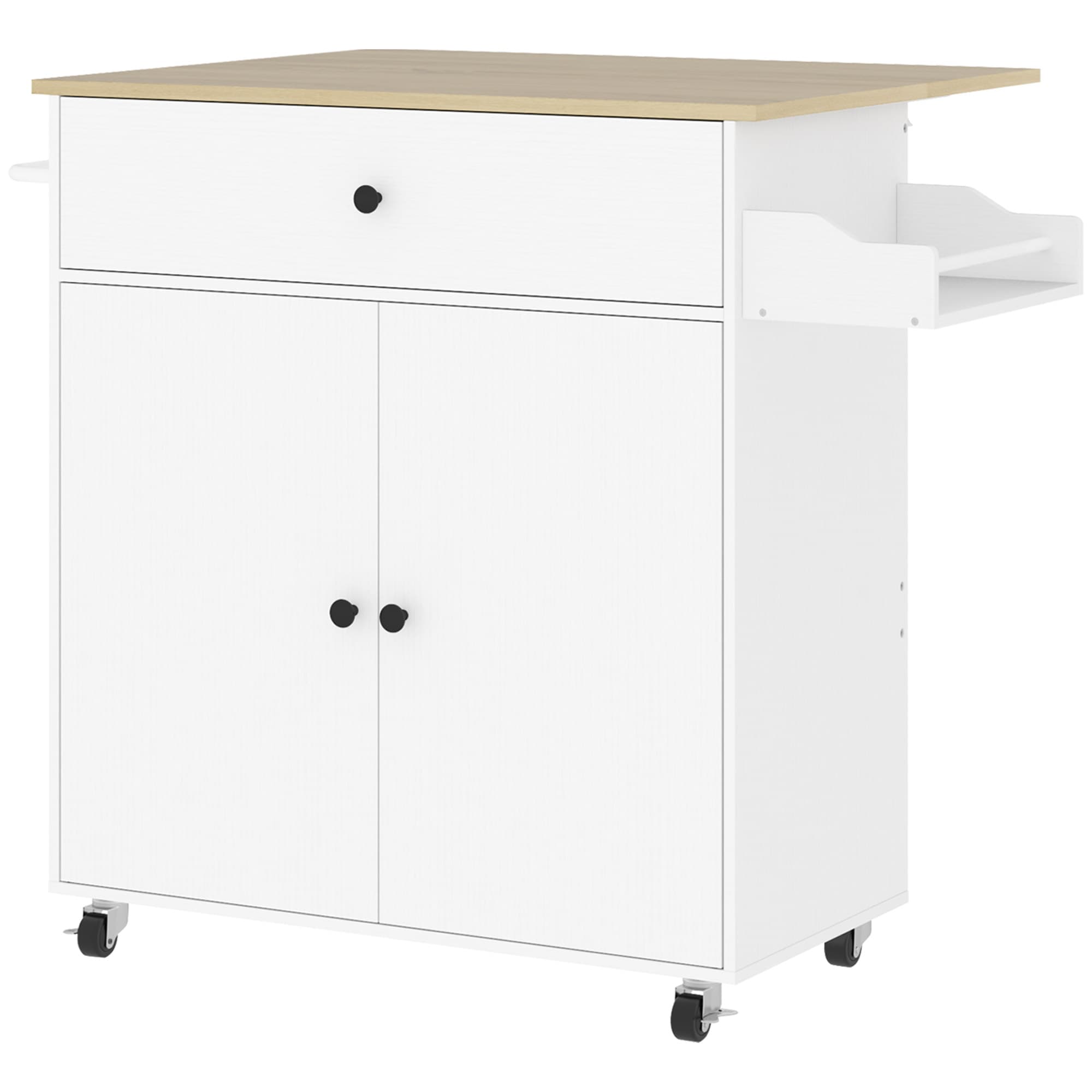
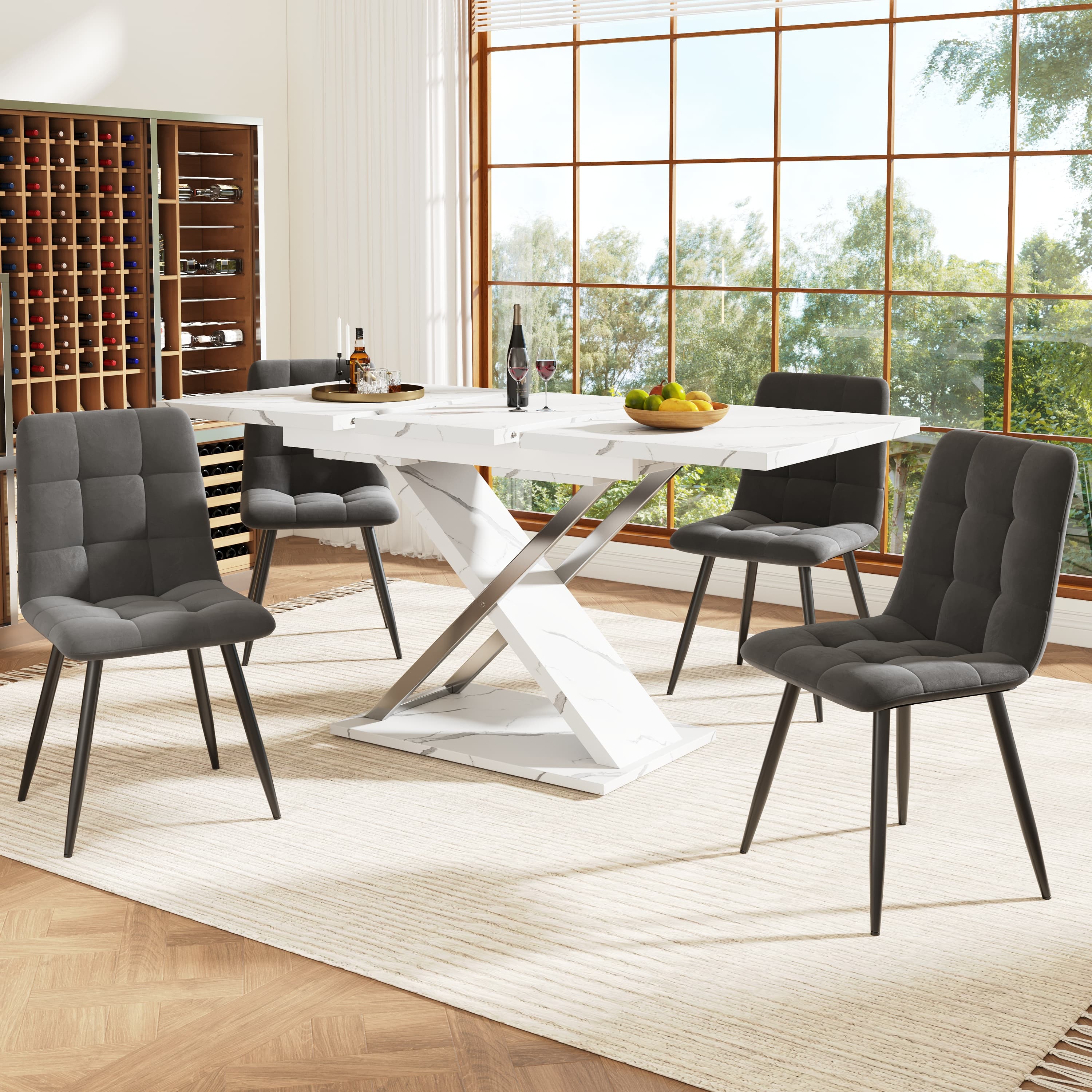
If you have a small kitchen, the idea of adding an island can feel unrealistic. Most people searching for a kitchen island small kitchen solution are not dreaming of a huge statement piece in the middle of an open-plan room; they simply want more prep space, better storage and somewhere practical to perch with a cup of tea without making the room impossible to move around.
The good news is that a kitchen island is still possible in many compact UK homes, including narrow galley kitchens, small new-build layouts and older terraces where every centimetre matters. The trick is choosing the right format. In a limited space, a full fixed island is often the wrong answer, but a slim trolley, fold-out worktop or wheeled breakfast bar can work brilliantly. If you are browsing kitchen furniture, it helps to think less about the classic showroom island and more about adaptable pieces that earn their footprint.
Below, we look at the best kitchen island ideas for small kitchens, when they work, when they do not, and how to avoid the common mistake of buying something that looks useful online but blocks doors, drawers and walkways in real life.
Can a small kitchen really fit an island?
Sometimes yes, but not always. That is the honest answer. In many UK kitchens, especially galley layouts, the issue is not whether an island physically fits in the room, but whether it leaves enough clearance to use the kitchen properly.
As a rule, try to keep at least 80 to 90cm of clear walkway around a compact movable island, and ideally closer to 100cm where cupboard doors, ovens or dishwashers open. In older homes, you may need to accept less in one spot, but if you are constantly turning sideways to get past, the island is too large.
Small kitchens benefit most from islands that can change shape or move. That usually means:
narrow trolleys with a worktop
drop-leaf or folding-top islands
islands on castors that can be repositioned
breakfast-bar styles that double as dining space
storage-led units that replace several smaller pieces of furniture
If your kitchen is extremely tight, a trolley alternative may be more practical than a true island. In that case, pieces from the wider kitchen furniture category can still give you the same benefits: extra storage, a landing space for appliances and a more flexible layout.
Best kitchen island ideas for small kitchens
1. Choose a slim mobile island for galley kitchens
For narrow UK galley kitchens, width is everything. A deep island can make the room feel pinched, but a slim mobile unit with shelves or drawers can add useful prep space without dominating the floor.
Look for designs around the depth of a standard worktop or slightly shallower. Open shelving can keep the piece visually lighter, though closed cupboards hide clutter better. Wheels are especially helpful in galley kitchens because you can shift the unit while unloading shopping, opening the oven or Cleaning.
The trade-off is stability. A lightweight trolley is easier to move, but it may not feel as solid for heavy chopping or kneading dough. If you cook often, choose a model with lockable castors and a sturdy top.
2. Use a drop-leaf island when you need occasional space
A drop-leaf or foldable island is often the smartest solution in a small kitchen. With the leaf down, it behaves like a compact storage trolley. With the leaf up, it becomes a prep station, breakfast bar or even a small dining table.
This works particularly well in flats and terraced homes where the kitchen has to do several jobs. A folding section can give you room to prep vegetables in the evening, then fold away so the household can move around more easily afterwards.
The main downside is that folding mechanisms always involve compromise. Hinges and supports need to be robust, and the extended section may not feel quite as seamless as a fixed worktop. Still, for many households, that flexibility is worth far more than a permanent slab of worktop that overwhelms the room.
3. Try a trolley with built-in dining space
If your small kitchen also lacks a proper dining area, a kitchen trolley with an integrated breakfast bar or folding table can solve two problems at once. This is especially useful in compact London flats or small semis where there is no room for both an island and a separate table.
Some designs include a pull-out or fold-out table section, while others extend into a bar-style top for one or two people. They are ideal for quick breakfasts, laptop use or extra serving space when guests are over.
Be realistic, though: these are usually best for casual dining rather than long family meals. If four people need to sit comfortably every evening, you may be better with an extendable dining table elsewhere and a simpler island in the kitchen.
Expert tip: In a small kitchen, measure with all doors and drawers open, not shut. The island must work on your busiest day, when the oven is open, the dishwasher is down and someone is reaching into a cupboard, not just when the room is tidy for photos.
4. Replace cluttered storage with one hard-working unit
One of the best island ideas for a small kitchen is not really about the island at all; it is about removing other clutter. If you currently have a microwave stand in one corner, a fruit rack in another and a freestanding shelf somewhere else, a compact island with drawers and shelves may actually make the room feel bigger by consolidating storage.
Think about what needs a home: pans, Chopping Boards, tea towels, dry goods, bottles or Small Appliances. A kitchen island that stores these neatly can free up your main worktops, which often matters more than adding new surface area.
This is where practical features such as towel rails, hooks, drawers and enclosed cupboards earn their keep. Wine racks can be useful, but only if you actually use them; otherwise they may waste valuable space that could have held mixing bowls or food containers.
5. Use a bar-table hybrid in awkward layouts
Some kitchens are too open for a narrow trolley yet too small for a traditional island. In those cases, a hybrid piece such as a compact bar table with storage can work well. These can act as a room divider between kitchen and living space while still providing a surface for prep, dining or entertaining.
This approach suits open-plan flats and kitchen-diners where the furniture needs to define zones. It is less suitable if you need lots of enclosed storage or if the room already feels busy visually.
Which type works best? A quick comparison
Option
Best for
Main advantages
Potential drawbacks
Slim mobile trolley
Galley kitchens and narrow walkways
Easy to move, useful extra worktop, often affordable
Less stable than a fixed unit, limited storage
Drop-leaf island
Homes needing flexible prep or dining space
Expands when needed, folds away neatly, versatile
Leaf mechanisms can feel less solid, needs space to open
Can look heavy if overfilled, may reduce visual openness
Bar-table hybrid
Open-plan flats and awkward layouts
Helps zone the room, doubles as dining spot
Usually offers less practical kitchen storage
How to choose the right island for your space
Measure the circulation, not just the floor area
This is the most common mistake. People measure the empty patch in the middle and assume the island will fit. In reality, you need to account for door swings, appliance access and how two people move past each other.
In many British kitchens, especially in period homes, walls are not perfectly square and alcoves can throw measurements off. Measure at floor level and worktop height, and check skirting boards or radiator projections too.
Think about your real habits
Do you bake often and need a stable prep surface? Do you mostly want storage for small appliances? Will anyone actually sit at the breakfast bar, or will stools become another thing to trip over?
The best small-kitchen island is the one that solves your biggest daily problem. For some households that is lack of prep space. For others it is nowhere to put the microwave, kettle and toaster without crowding the counters.
Choose materials that suit kitchen life
In the UK, kitchens often deal with damp winter air, temperature swings and plenty of daily wear. A good island top should be easy to wipe clean and resilient enough for regular use. Wood-effect tops feel warm and forgiving, while painted finishes can brighten a dark room but may show knocks more readily over time.
If your kitchen gets little natural light, a white or pale finish can make the room feel more open. Dark units can look smart and grounding, but in a very small kitchen they may feel visually heavier unless balanced with lighter flooring and walls.
Smart layout ideas for UK small kitchens
In a galley kitchen
Keep the island narrow and mobile. Position it where it does not interrupt the main run between sink, hob and fridge. In many galley kitchens, the best spot is near one end rather than dead centre.
In a one-wall kitchen
A compact island can create a practical second zone opposite the cabinets. This is one of the few small layouts where an island often feels genuinely transformative, because it adds the worktop the kitchen was missing in the first place.
In an open-plan kitchen-living room
A bar-style island or trolley with a fold-out top can help separate kitchen and lounge areas without building a wall of furniture. Choose something with storage on the kitchen side and a cleaner, simpler face on the living side if possible.
When a trolley alternative is better than an island
It is worth saying clearly: not every small kitchen should have an island. If your room is under pressure already, a trolley alternative may be the more sensible choice.
A microwave shelf, sideboard or tall storage cabinet can sometimes solve the real issue more effectively. If the floor is too tight but the walls are underused, going upward with storage may be wiser than adding another unit in the middle. Likewise, if you only need occasional extra surface area, a compact rolling trolley that tucks away may be better than a permanent island footprint.
In homes where kitchens are also utility spaces, consider whether laundry, recycling or pet feeding already compete for floor area. A beautiful island is not helpful if it makes the room harder to live in.
Styling tips to keep a small island from looking bulky
Choose open or leggy designs if the room feels boxed in.
Keep the top mostly clear; one tray or bowl looks intentional, too many appliances look crowded.
Match the finish to existing cabinetry for a calmer look, or contrast gently with timber and white.
Use baskets inside shelves to stop open storage becoming visual clutter.
If adding stools, pick ones that tuck fully underneath.
Small kitchens benefit from restraint. The island should make the room easier to use, not become the new focus of clutter.
Practical product ideas worth considering
For shoppers looking at compact solutions, some of the most useful pieces are islands on wheels, foldable countertop trolleys and extendable bar-table designs. These are the formats that tend to work hardest in modest UK kitchens because they can adapt as needed.
A wheeled island with a drop leaf is particularly useful if you need prep space one minute and a clearer walkway the next. A storage trolley with drawers suits cooks who want utensils and linens close at hand. And if your kitchen doubles as an eating area, an extendable island-bar hybrid can be more useful than a standard trolley.
Whichever route you choose, prioritise function over the fantasy of a large fitted island. In a small kitchen, a compact piece that moves, folds or multitasks will usually serve you better than something larger and more impressive on paper.
FAQs
Can you put an island in a very small kitchen?
Yes, sometimes, but only if it leaves enough room to move comfortably and open appliances and cupboards. In very small kitchens, a slim trolley or drop-leaf island is usually more practical than a fixed island.
How much space do you need around a small kitchen island?
Try to allow at least 80 to 90cm of clearance around a compact island, with more where oven, dishwasher or cupboard doors need to open. If the walkway is tighter than that, the kitchen can quickly feel awkward to use.
What is the best island option for a galley kitchen?
A narrow mobile trolley or a foldable island is usually the best choice for a galley kitchen. These options provide extra worktop and storage without permanently blocking the central walkway.
Yes, especially in small kitchens where flexibility matters. Models with lockable castors can be moved when needed for cleaning or access, though they may feel slightly less solid than a fixed unit.
Is a trolley better than an island in a small kitchen?
Often, yes. If your kitchen is especially tight, a trolley can deliver extra storage and prep space with less visual and physical bulk, and it can usually be moved or tucked away more easily.
If you want the benefits of an island without overwhelming your kitchen, focus on compact, flexible designs that suit how you actually live. For most small UK kitchens, a mobile or folding option will make far better use of limited space than a traditional fixed island.
Furniture product specialist and quality tester with 8 years evaluating home furnishings for durability, value and ergonomic design. Former buyer for a major UK retailer.
Five rolling kitchen islands I'd actually wheel into a small UK flat — from a £61 trolley with a wine rack to a £201 farmhouse island with a built-in plug socket.
Five extendable dining tables that actually work in a UK flat — picked across £125 to £290, ranked by what they're best at rather than price, with the honest caveats most listings skip.