The kitchen floor that changed my mind was in a 1930s semi in Leeds, 3.1 m by 2.4 m, with a washing machine tucked under the counter and a suspiciously springy board by the back door. The family had two small children, one spaniel, and a habit of dropping cereal bowls during the school-run rush at 8:15. For that life, LVT beats laminate. That is the falsifiable bit: in a busy UK kitchen, LVT is the better floor than laminate, but only if you choose a version you can reverse without wrecking the subfloor. Glued-down LVT wins the showroom argument and loses the pipe-access one.
The case for LVT
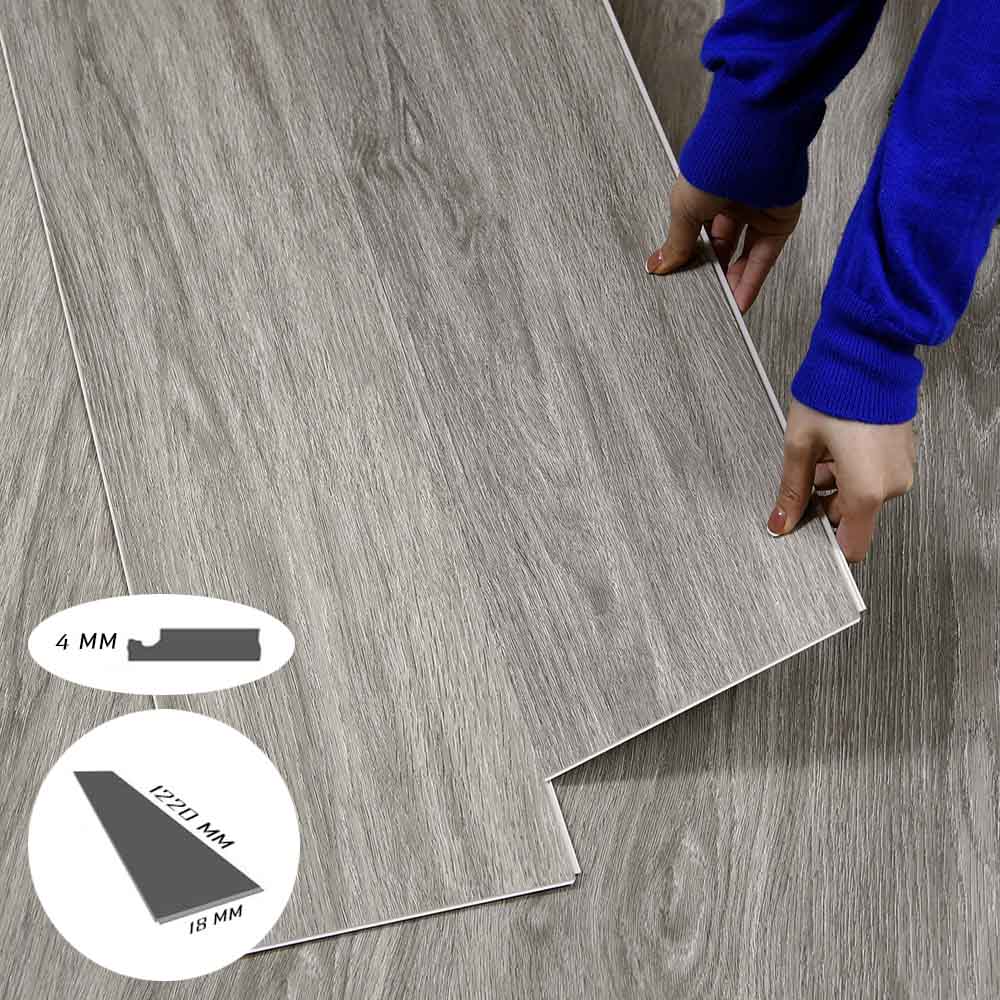
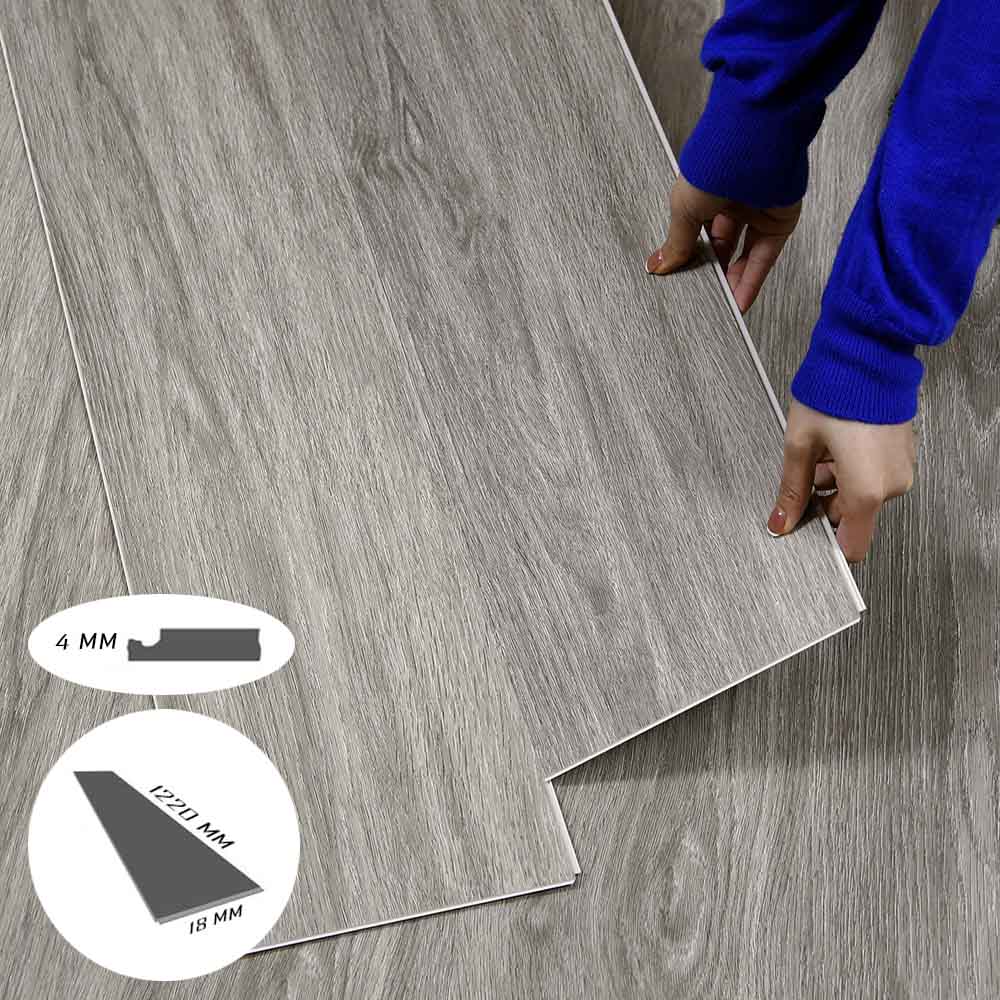
LVT’s strongest claim is brutally practical: water doesn’t frighten it in the way it frightens laminate. In a kitchen with a dishwasher, dog bowl, mop bucket and the occasional defrosting freezer drawer, that matters more than a slightly warmer wood-look texture. A decent click LVT or SPC plank is usually 4 mm to 6.5 mm thick, often with a rigid core, and sits as a floating floor. Glue-down LVT is thinner, commonly around 2.5 mm to 3 mm, and needs a very smooth base because every lump telegraphs through.
For UK buyers, the price spread is not tiny but it is manageable. Budget self-adhesive vinyl planks can sit around the lower end of the market, while better click LVT and SPC commonly land in the £18.00 to £40.00 per m² band before fitting. Glue-down LVT can look sharper at the edges, yet the floor preparation and adhesive push the real installed cost up. A small 8 m² kitchen can quickly stop feeling like a bargain once levelling compound, ply over boards, trims and labour join the bill.
The good LVT pitch is true up to a point. It shrugs off wet footprints from the garden, it is kinder under a dropped mug than ceramic tile, and it does not swell at the first sign of a leaky bin bag. A late-June DIYUK flooring discussion captured the mood neatly: engineered wood was being criticised after water trouble, tiles were called cold underfoot, and LVT was praised for durability. That is why it has become the savvy default for young families in Victorian terraces and Manchester new-builds alike.
The catch is hidden under the word “floor”. If the LVT is glued down across old boards and a leak appears beneath, you may have bought yourself a proper faff. A DIYUK thread dated 13 July 2026 made exactly that point: large LVT tiles looked good until access was needed under the floor to fix a leak. Individual glued tiles can sometimes be warmed, lifted and replaced, but lifting a run of boards to reach pipes is a different job. That is why, if you are browsing flooring tiles for a kitchen in an older house, I would look first at click SPC planks such as grey-oak styles rather than treating glue-down vinyl as the automatic upgrade.
The case for laminate
Laminate deserves a better hearing than it gets from flooring snobs. It is often cheaper, easier for a competent DIYer to lay, and more pleasant underfoot than people remember from the shiny orange boards of the early 2000s. Entry laminate can be found from about £8.00 to £15.00 per m², while better water-resistant kitchen-rated boards tend to sit nearer £18.00 to £35.00 per m². You will also need underlay, expansion gaps and door trims, so the ticket price is not the whole story.
The counterargument to LVT is repairability. A floating laminate floor can usually be lifted from one edge, plank by plank, if you need to reach boards underneath. It is not instant. You may have to remove scotia, take off a threshold strip and work backwards from the nearest wall. Still, in a house where pipes run under suspended timber boards, that reversibility has value. Laminate is also widely available in AC4 and AC5 wear ratings, which are more than decent for a normal domestic kitchen if you are not letting standing water sit on it.
But here is the reason laminate loses the kitchen for me: its weakness is the exact accident kitchens produce. Most laminate has a fibreboard core. Even “water-resistant” versions rely on better joints, sealed edges or improved core treatment; they are not the same thing as waterproof vinyl. A slow fridge leak, a toddler’s abandoned cup under the table, or a washing machine hose weeping behind a plinth can leave swelling at the seams. Once a board crowns or bubbles, it is not sanding back. You are replacing.
Laminate can be the right call upstairs, in a dining room, or in a dry rented flat where the landlord wants something cheap and reversible. A DIYUK thread on 10 June 2026 framed LVT as the high-traffic, young-family compromise while still questioning whether laminate or carpet made more sense away from the kitchen. That split feels right. Laminate is good flooring in the wrong room; LVT is better suited to the wet, clumsy reality of cooking and cleaning.
The honest trade-off
The LVT industry sells easy living, and much of that pitch is fair. What it tends to underplay is access. Old UK homes are full of surprises: notched joists, boards cut around long-gone fireplaces, stopcocks in daft places, and pipes that only reveal themselves when the ceiling below develops a stain. In that setting, a floor is not just a surface. It is a lid.
LVT wins the kitchen on water resistance, but glued-down LVT can turn a small plumbing repair into a destructive flooring job.
Laminate gives you a cheaper and more reversible floor, but it asks you to trust that the wettest room outside the bathroom will behave itself. That is a dodgy bargain if you have children, pets or older appliances. The fairest answer is not “all LVT good, all laminate bad”. It is sharper than that: choose click LVT or click SPC for most UK kitchens, avoid glued-down LVT over unknown old floors, and keep laminate for drier spaces where its reversibility actually counts.
Which to pick by use case
- Busy family kitchen in a Victorian terrace: pick click LVT or SPC. You get better spill resistance than laminate, while keeping a fighting chance of lifting the floor if pipes under the boards need attention.
- New-build kitchen on a flat concrete slab: pick LVT, including glue-down if the subfloor is sound and services are not hidden beneath. The lower profile and crisp finish make sense here.
- Rented flat under 60 m² where drilling and messy prep are off the cards: pick floating click LVT if allowed by the tenancy. If you must use a temporary surface, peel-and-stick vinyl planks are a cosmetic fix, not a forever floor.
- Dry kitchen-diner with a strict budget under £250.00 for materials: pick laminate only if you can control spills and accept the risk at the sink and appliances. It is the budget move, not the tougher one.
FAQs
Is LVT better than laminate for a UK kitchen?
Yes, LVT is better than laminate for most UK kitchens because it handles spills and appliance leaks far more confidently. The important caveat is to choose click LVT or SPC in older homes where you may need to lift the floor for pipe or subfloor access.
What are the main pros and cons of LVT vs laminate kitchen flooring in the UK?
LVT’s main advantage is water resistance; its main drawback is poor reversibility if it is glued down. Laminate is cheaper and easier to lift, but its fibreboard core can swell when water gets into the joints.
Can you put LVT over old floorboards?
You can put LVT over old floorboards only if the boards are stable, level and properly prepared. Glue-down LVT usually needs ply or smoothing compound, while click LVT is more forgiving but still dislikes bounce and uneven joints.
Is laminate flooring waterproof enough for a kitchen?
Most laminate is not waterproof enough for a hard-working kitchen with children, pets or older appliances. Water-resistant laminate can cope with small spills, but standing water or slow leaks can still swell the seams.
Which kitchen flooring is easier to repair, LVT or laminate?
Laminate is usually easier to lift for access beneath the floor, because it is commonly installed as a floating click system. Individual LVT tiles may be replaceable, but glued-down LVT can be awkward when the repair is under the boards rather than on the surface.
How much does LVT cost compared with laminate in the UK?
Laminate often starts cheaper, with basic boards around £8.00 to £15.00 per m² and better kitchen-rated options nearer £18.00 to £35.00 per m². Click LVT and SPC commonly sit around £18.00 to £40.00 per m², with glue-down systems costing more once preparation and fitting are included.