The first time I tried to make a rented kitchen look less depressing, I bought a tin of Frenchic from a shop on Mare Street and brushed it onto the tiles around the hob. It looked decent for about six months, then started chipping near the kettle. The landlord noticed at the next inspection. I lost £180 of my deposit.
Since then I've worked through more peel-and-stick wall fixes than I'd like to admit — in a damp Brixton studio, in a sister's box room with magnolia walls she couldn't paint, and in my own flat where the lease specifically bans drilling. The category has got genuinely good in the last two years. The PVC has stopped looking like a primary-school art project, the prints have stopped looking pixelated, and the adhesive — crucially — comes off cleanly if you do it slowly and don't use a steamer.
These are the five I'd actually buy, sorted by what they fix.
How I'm thinking about this
A peel-and-stick fix has to clear three bars before I'd recommend it to a renter. It has to look passable from across a room — not "great for the money", just genuinely fine. It has to survive ordinary kitchen and bathroom moisture without curling at the edges within three months. And it has to come off without taking the wall paint with it when you eventually hand the keys back.
I'd avoid anything that arrives as a single sheet of thin vinyl. Those are the ones that bubble, peel at the corners after a hot shower, and leave a stretched, gummy residue when you try to remove them in a hurry. Stick to thicker PVC, XPE foam, or a proper vinyl-on-paper wallpaper. They cost a quid or two more and they earn it.
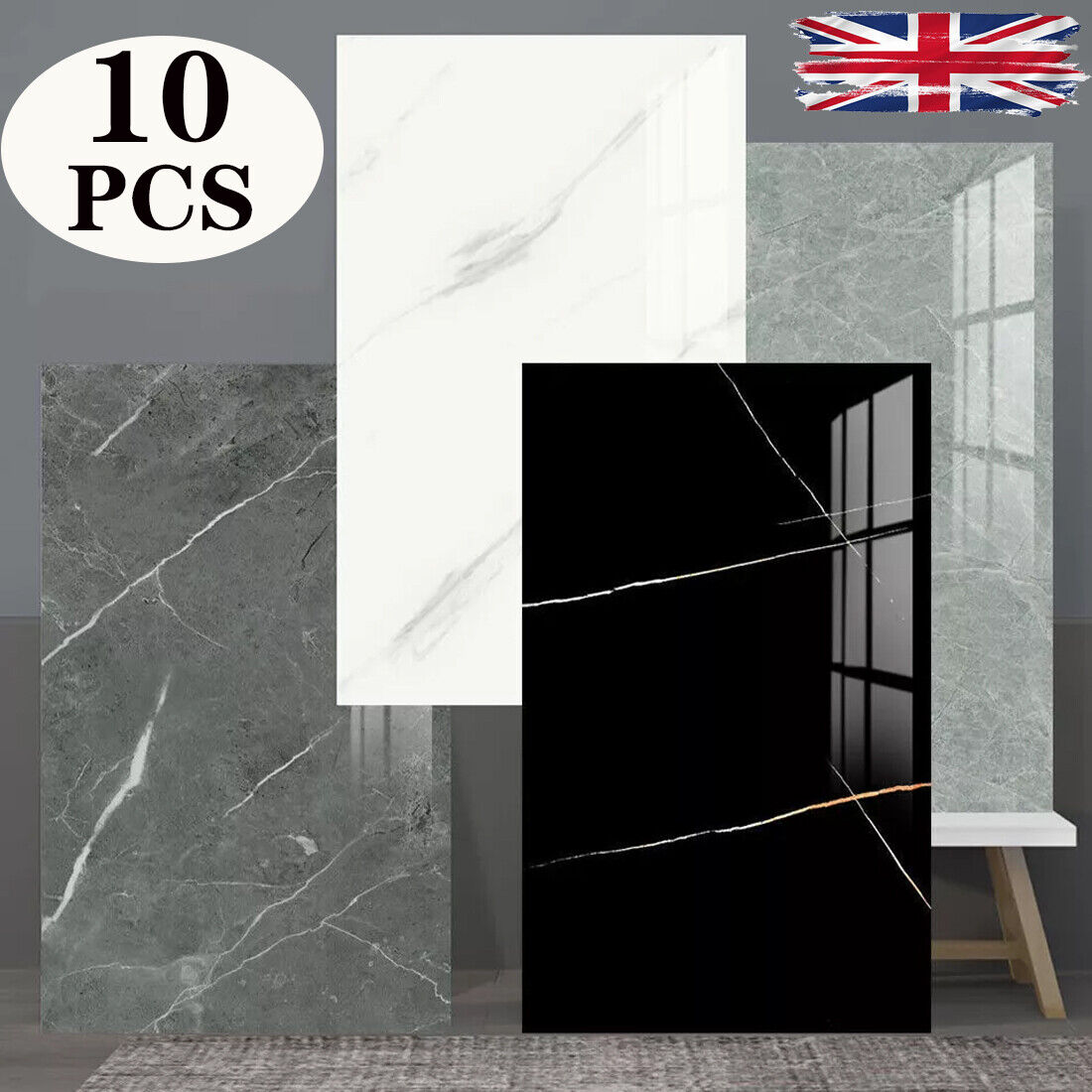
1. Stick-On Marble Tiles — the cheapest splashback fix I'd actually recommend
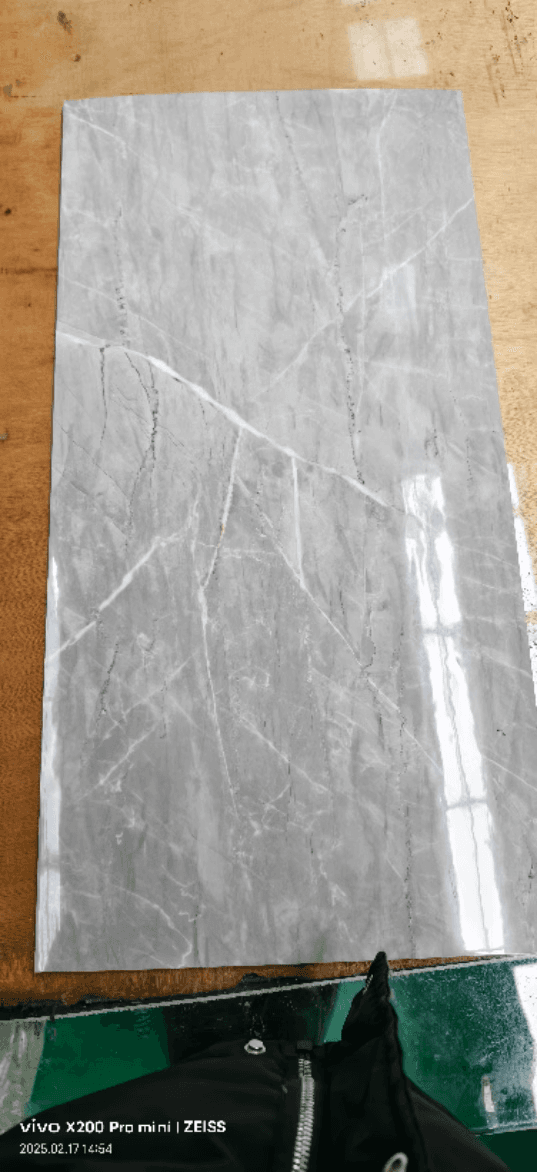
!Self-adhesive marble wall tiles applied as a kitchen splashback
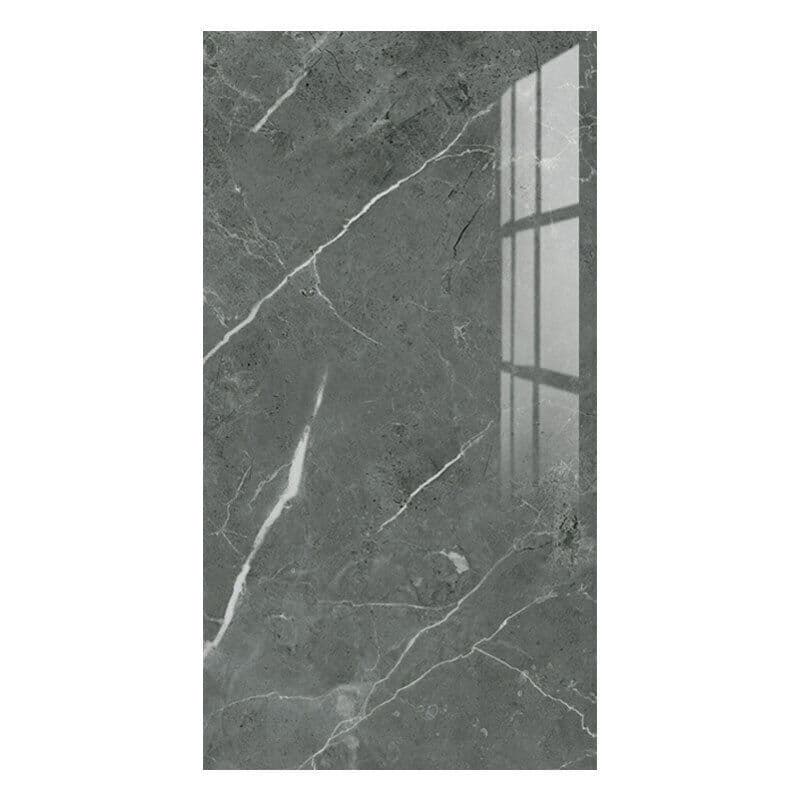
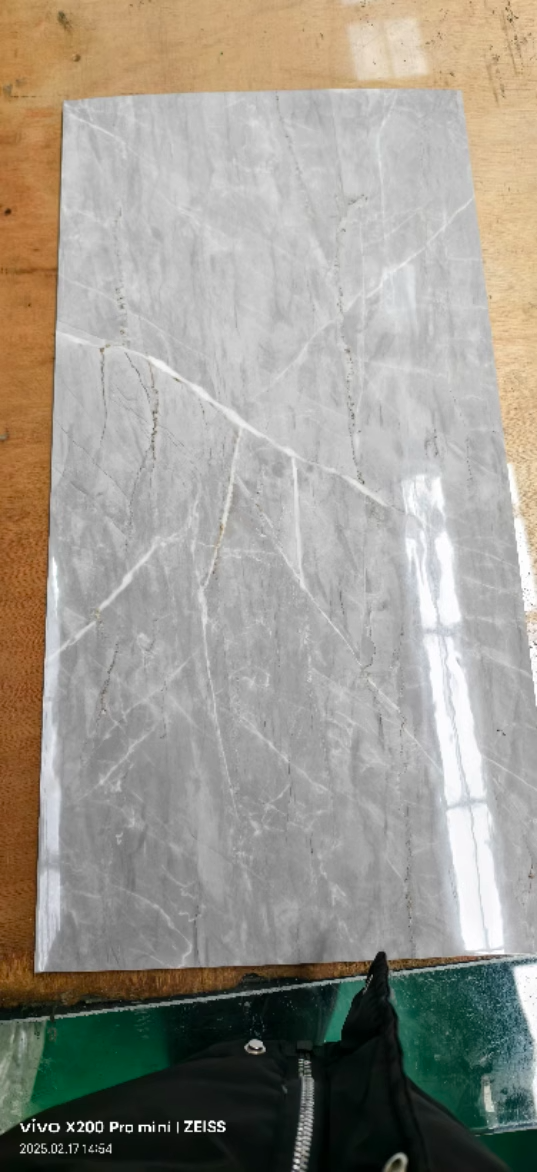
At about £11 for ten tiles, this is the cheapest entry on the list and the one I'd grab first for a sad bit of wall behind the hob or above the bathroom sink. The PVC has actual thickness to it — the kind that masks the small surface defects every rented kitchen wall hides under a coat of magnolia. Press it on, smooth it down with the heel of your hand, and it sits flush rather than telegraphing every lump underneath.
The honest caveat: ten tiles cover roughly a square metre, which is fine for a splashback strip but nowhere near a feature wall. And the marble print, while convincing from a metre away, is plainly a print at close range — don't expect it to fool a guest who leans in. For what it costs, that's a fair trade.
See the Stick-On Marble Tiles on Villalta Home
2. Self-Adhesive Wall Panels — for walls that need texture, not just colour
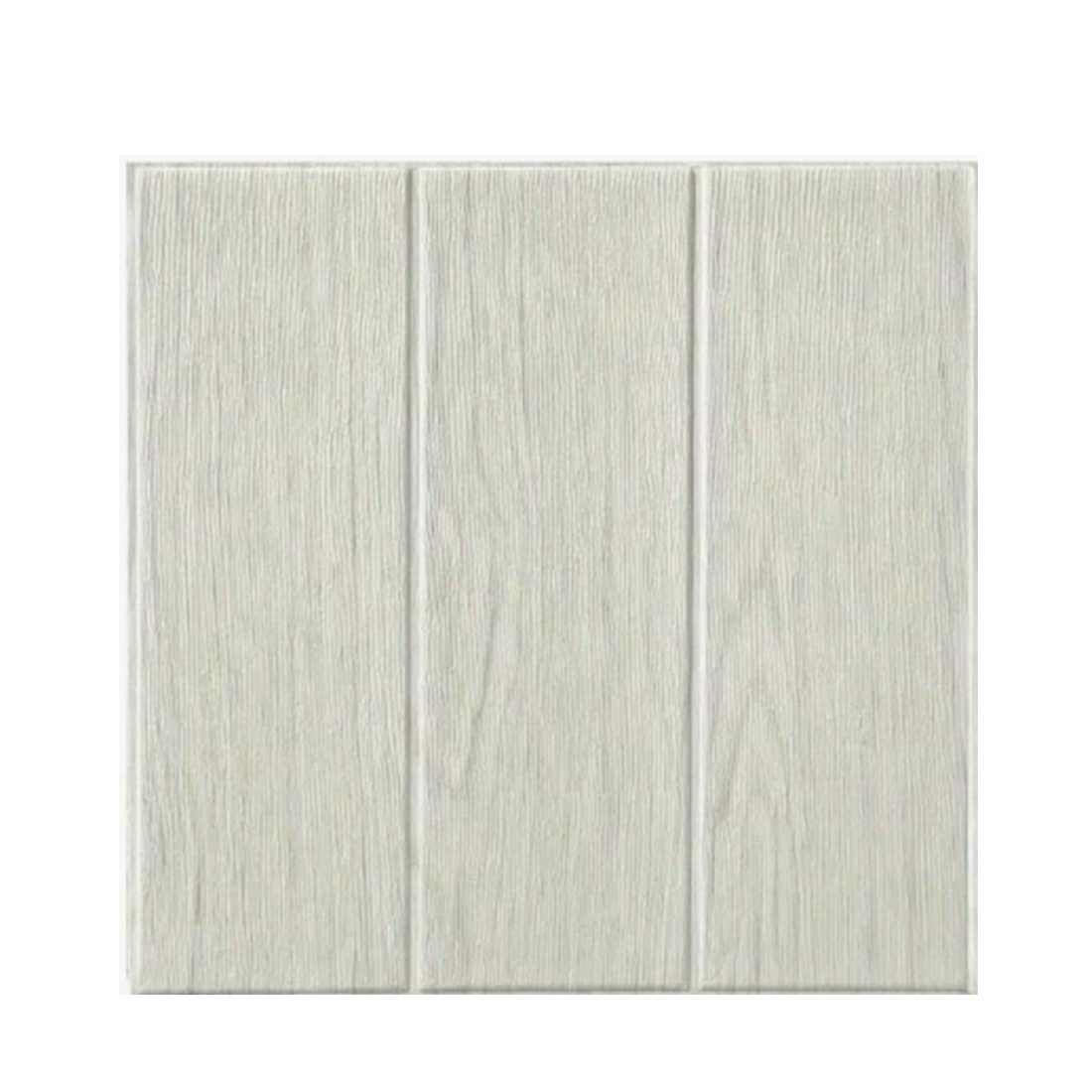
!Thick XPE foam self-adhesive wall panels in a panelled finish
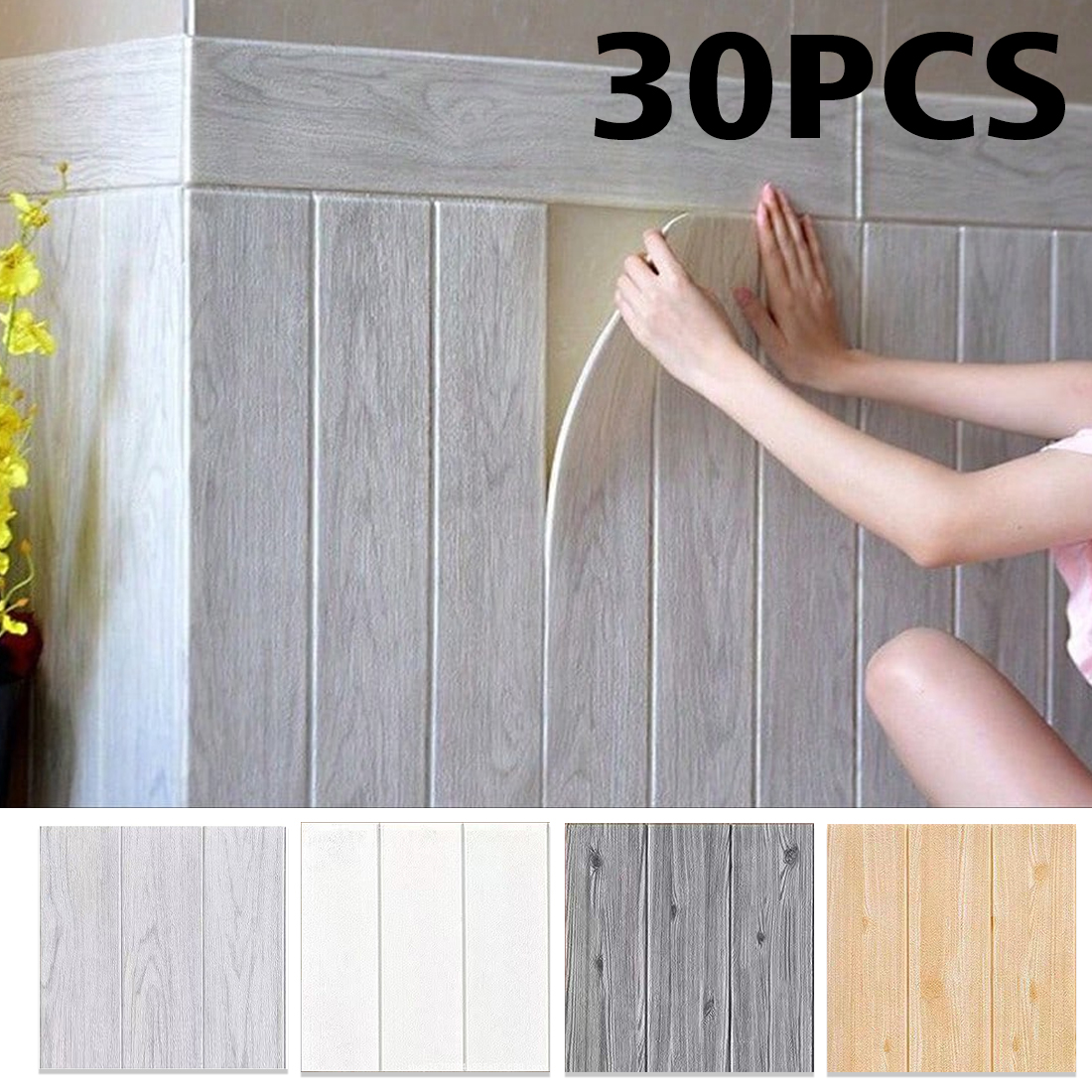
XPE foam is the under-rated material in this whole category. The £16 thirty-piece pack is 1.5 cm thick — properly substantial — and that thickness is doing two jobs. It gives you genuine three-dimensional texture (think brickwork, panelling, that sort of thing) and it hides the worst of what's behind it. Damaged plaster, knackered render, the bumpy unfinished corner the landlord swore he'd fix in 2019. Gone.
It also takes a Stanley knife well, which matters when you're cutting around a plug socket or a light switch. The downside: foam dents if you press into it with anything sharp, and the back of an open door swinging into one will leave a mark. Keep it off high-traffic corners. It works best on accent walls behind beds, sofas and the headboard wall in a small bedroom.
See the Self-Adhesive Wall Panels on Villalta Home
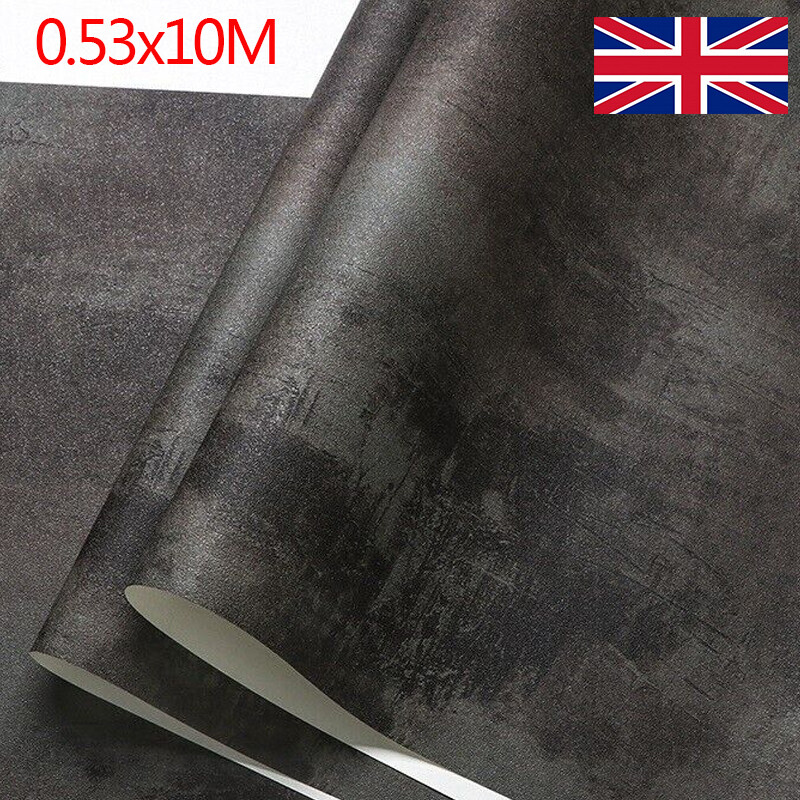
3. Dark Grey Concrete Effect Wallpaper — the full-wall pick if your landlord won't let you paint
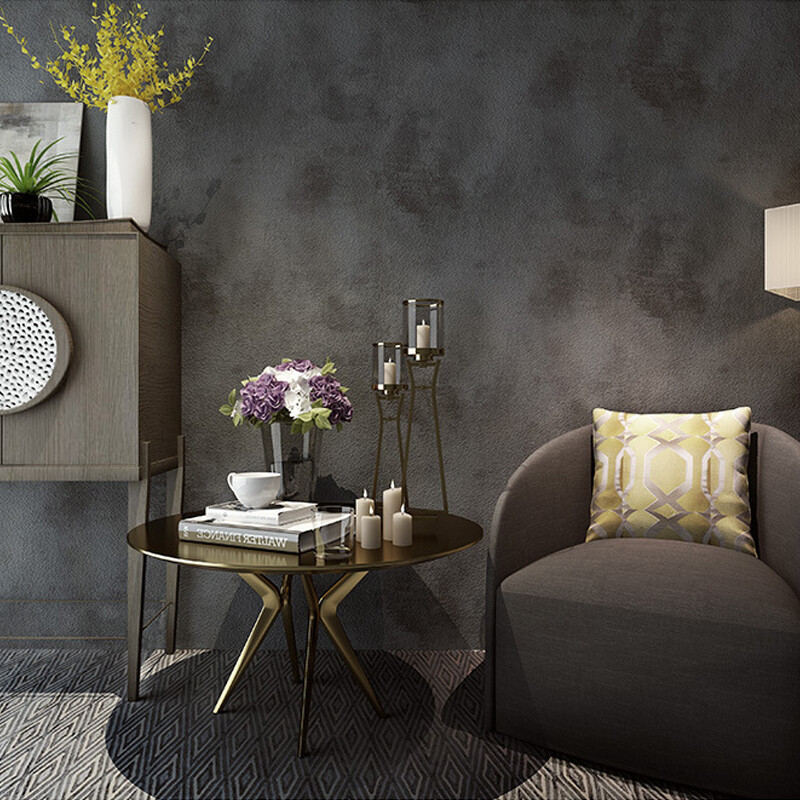
!Dark grey concrete effect peel-and-stick wallpaper on a living room feature wall
This is the only pick on the list that's a proper wallpaper rather than tiles — vinyl surface bonded to a paper base, applied with paste like traditional wallpaper but strippable in one piece when you leave. At around £14 a roll, it's cheap enough to do a whole feature wall in a small bedroom or the recess behind a desk for a tenner or so per metre run. The concrete-effect print is forgiving: matching it up at the seams is almost impossible to get wrong because there's no obvious repeat.
The honest caveat: you'll need paste, a brush, and a willingness to spend a Sunday morning on it. This is not a slap-it-up-in-twenty-minutes peel-and-stick. And the dark grey is genuinely dark — in a north-facing room with a single window, you'll want to balance it with a mirror or two on the opposite wall, which leads neatly to pick five.
See the Dark Grey Concrete Wallpaper on Villalta Home
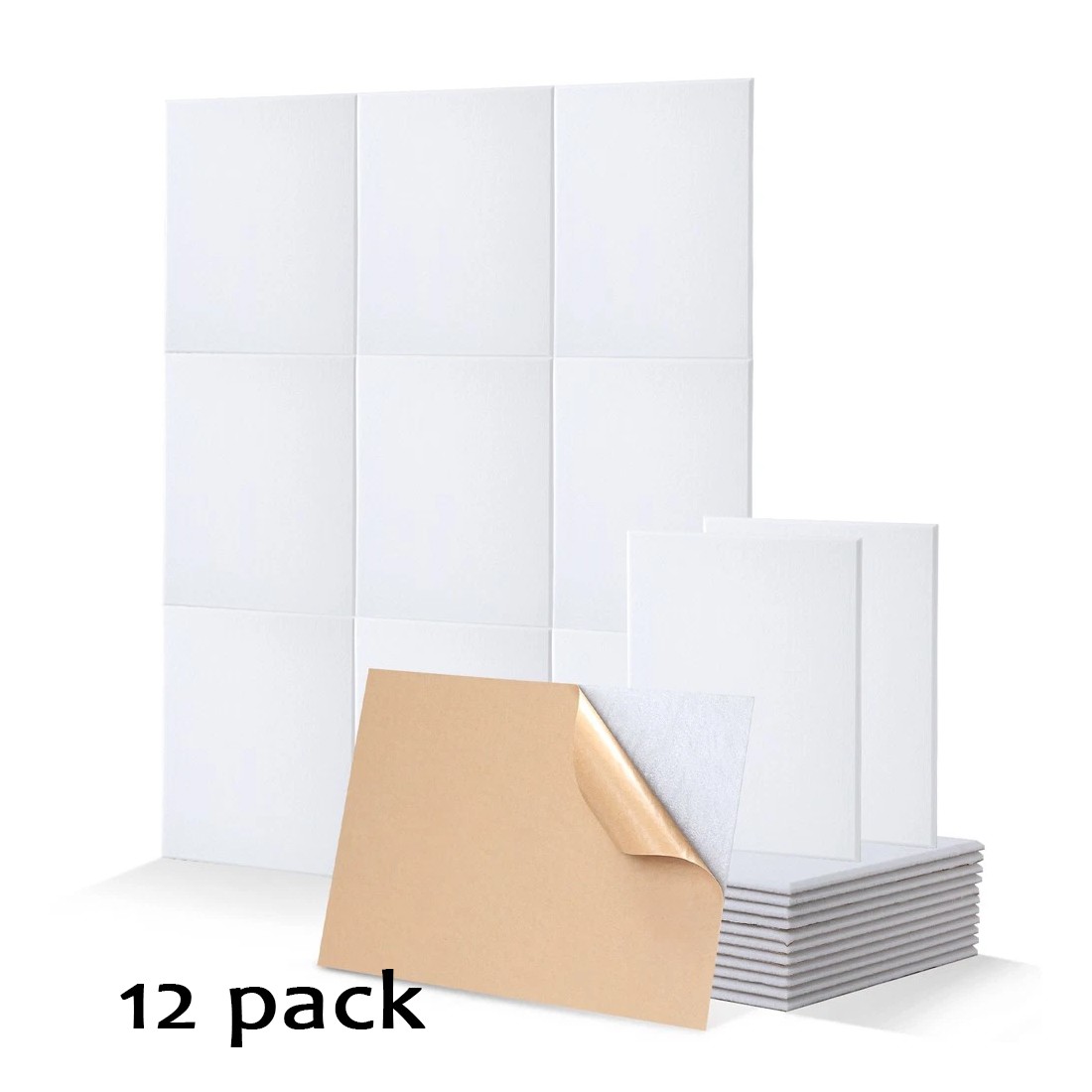
4. Acoustic Wall Panels — the one that does a job, not just decoration
!Twelve self-adhesive acoustic polyester wall panel tiles on a home office wall
Every other pick here is decorative. This one earns its place because it does an actual thing: at about £16 for twelve 30 x 30 cm polyester panels, it'll meaningfully knock down the bouncy echo in a hard-walled rented room. Not soundproofing — your downstairs neighbour will still hear the bass through the floor — but the kind of room treatment that stops your Zoom calls sounding like you're broadcasting from a swimming pool. I'd put these behind a desk in a galley-kitchen WFH setup, or on the wall behind a guitar amp in a tiny spare room.
The catch: they look like what they are, which is sound-absorbing foam squares. Pair them with a framed print, a row of plants on a shelf in front, or arrange them in an asymmetric pattern to soften the institutional vibe. They also don't come off as cleanly as the PVC tiles — if you stick them straight onto fresh paint, expect to do touch-ups when you move out.
See the Acoustic Wall Panels on Villalta Home
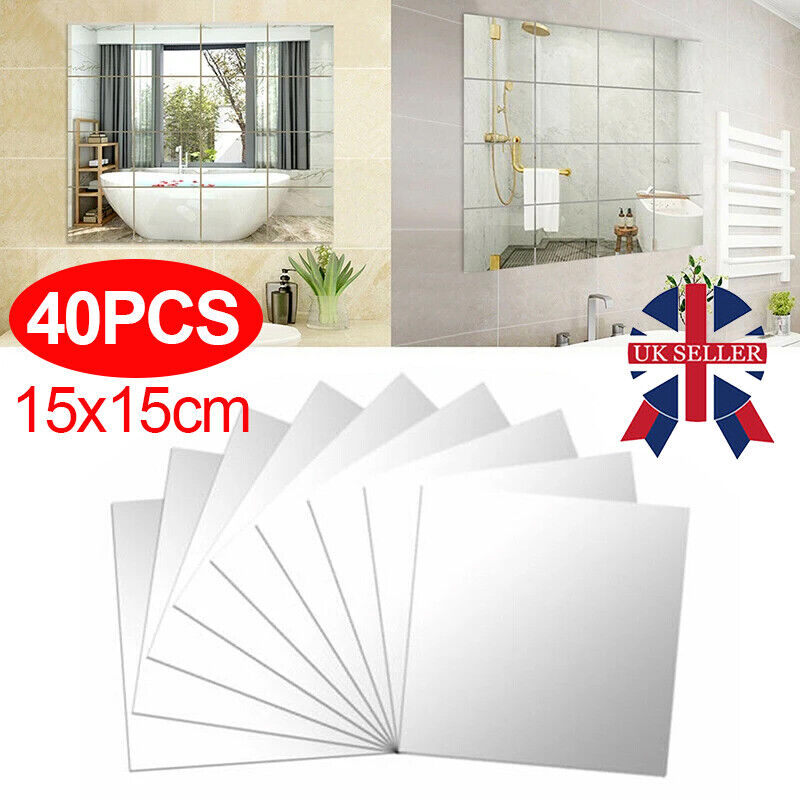
5. 40-Piece Acrylic Mirror Tiles — the dark-flat fix that's worth the faff
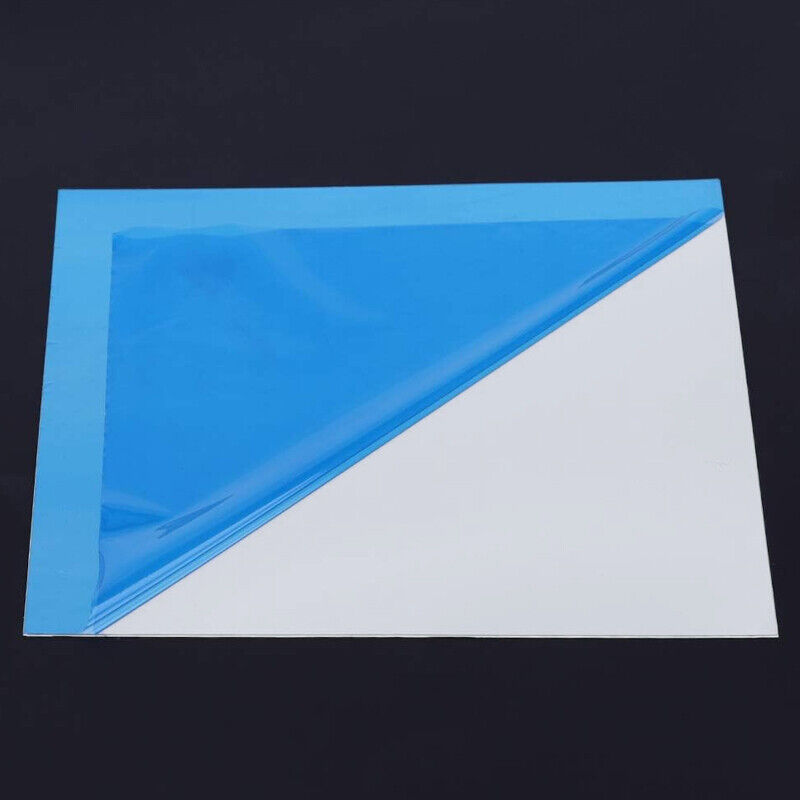
!Forty self-adhesive 15 by 15 cm acrylic mirror tiles arranged on a wall
Forty 15 x 15 cm mirror tiles for about £15 — these are the dark-horse pick. They're acrylic, not glass, which means they're light enough to peel-stick onto a wall without anchors and safe enough not to shatter into a hundred shards when you take them down. Arranged in a grid on the wall opposite a window, they bounce a north London winter's worth of grey daylight around a room and make a small space feel notably bigger. I've seen them used behind a dining table to fake an extra metre of width.
The caveats are real and worth taking seriously: acrylic isn't optically as crisp as glass, so the reflections will be slightly soft, and individual tiles can warp if the wall behind them isn't flat. Plan the grid on the floor before you stick a single one down — once they're up, repositioning means peeling them off and leaving adhesive residue. Use a spirit level. Take it slowly. This is the one to do on a quiet evening, not a Sunday with the kids around.
See the Acrylic Mirror Tiles on Villalta Home
What I'd avoid (and a couple of removal tips)
A few things I've learnt the hard way. Don't stick anything from this list onto a wall that's been freshly painted — the paint needs at least three weeks to fully cure or the adhesive will pull it off when you remove the tile. Don't put thin vinyl decals behind a hob or in a hot shower enclosure; PVC and XPE are fine, but the cheap glossy stickers warp at 60°C. And don't trust the listing photo for scale: order the smallest pack first, hold it up to the wall, then commit to full coverage. Returning sixty stuck-together PVC tiles is not a good Sunday.
A heat gun on low, or even just a hairdryer, makes removal much cleaner — warm the corner, peel slowly at a sharp angle back on itself, work down the tile. Cold removal is what damages walls. Have a credit card or a plastic putty knife handy for the stubborn corners.
If you're picking one
For a quick splashback or accent and a tenner to spend, the Stick-On Marble Tiles are the easiest win. For a full wall in a renter's bedroom — somewhere you actually want to sit and look at — spend the £14 on the Dark Grey Concrete Wallpaper, accept the Sunday afternoon, and you'll have a room that doesn't look rented. The mirror tiles are the upgrade if you're working with a dark north-facing flat: not the obvious pick, but the one that meaningfully changes how the space feels.
By the Villalta Home Editorial team, June 2026. Edited by Juan Antonio Villalta Pacheco.