The back garden I keep thinking about is a 5.4 m by 7.8 m rectangle behind a Victorian terrace in Bristol, with a 2.1 m-deep patio, bins by the side return and a neighbour’s fence sitting at exactly eye height when you’re holding a mug. In that sort of UK garden, the pergola beats the gazebo for adding value. My thesis is blunt: for an owner-occupied UK home with a modest patio, a well-sited pergola adds more saleable value than a gazebo because it reads as permanent landscaping, while most gazebos read as removable shelter. The gazebo still wins for renters and wet-weather parties, but value is a different argument.
The case for a pergola
A pergola’s strength is that it makes a garden feel designed rather than filled. Two uprights, cross beams and a bit of shade can frame a dining table, a corner sofa or a run of planters without making the patio feel boxed in. In a 3 m by 4 m zone, which is about what many terraces and semis can spare without eating the lawn, a pergola gives you a proper outdoor room while still letting light reach the kitchen window.
Planning is usually simpler than people fear, though not something to ignore. In England, a detached garden structure is commonly treated under permitted development if it stays within height limits and isn’t in a restricted spot; the number to remember is 2.5 m high if it sits within 2 m of a boundary. Go taller, attach it to the house, add a solid roof or live in a listed property or conservation area, and you should check with the local planning authority before buying timber. Scotland, Wales and Northern Ireland have their own rules, so don’t assume a mate’s set-up in Leeds tells you what flies in Cardiff.
Materials matter. A pressure-treated timber pergola can look lovely and cost roughly £700.00 to £2,500.00 supplied and installed for a modest size, but it will need staining every couple of years unless you enjoy the silvered, weathered look. Aluminium versions cost more, often £2,000.00 to £6,000.00 before you add lighting or louvres, yet they suit Manchester new-builds and low-maintenance patios because they don’t warp or need much attention beyond washing down. The caveat: a cheap aluminium pergola with skinny posts can look like a café smoking shelter. Scale is everything.
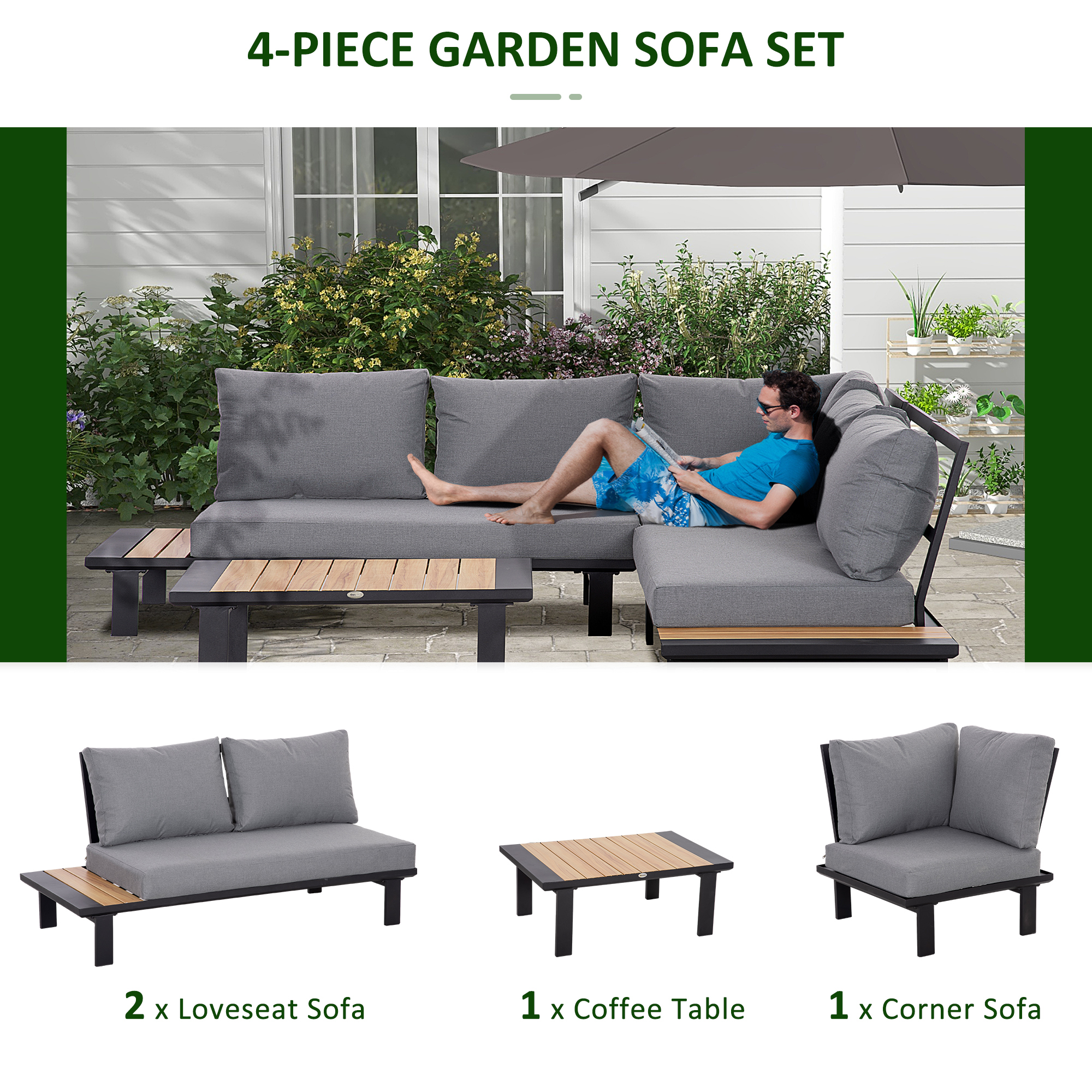
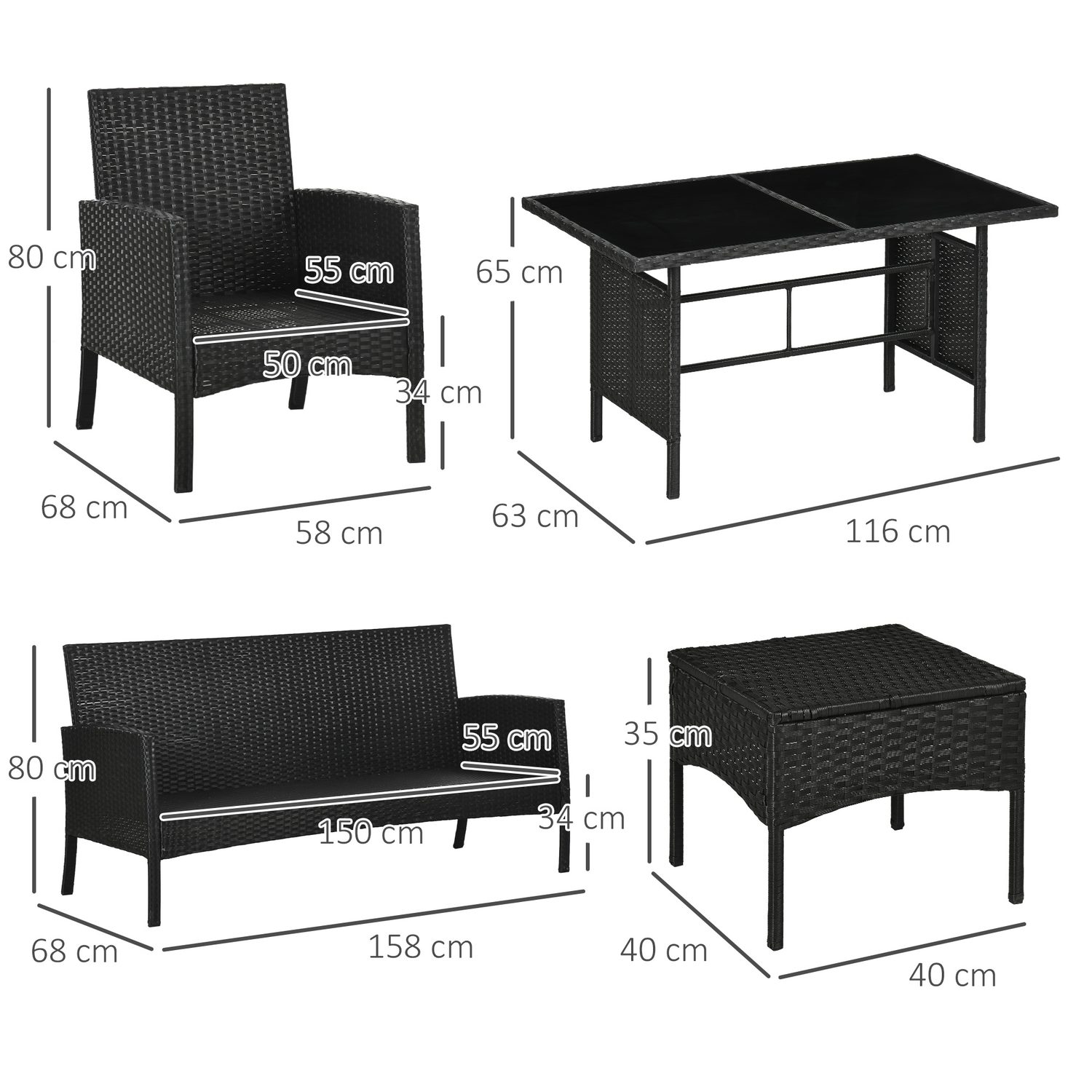
For entertaining, the pergola is best when you plan the furniture first. A 4-seater rattan corner sofa or a compact aluminium set needs clear walking space; allow at least 60 cm behind chairs and 90 cm where people carry plates. This is where browsing garden furniture before choosing the footprint is savvy, not indulgent. The structure should fit the life you actually have, not the computer render.
The case for a gazebo
The gazebo has one honest advantage the pergola can’t fake: it gives you a roof. A basic 3 m by 3 m pop-up gazebo, the sort that appears for a birthday lunch then gets shoved into the shed, can cost £80.00 to £250.00. A better hardtop gazebo with powder-coated steel or aluminium posts and polycarbonate panels tends to sit between £600.00 and £2,500.00. That is still often less than a louvred pergola, and it keeps rain off the sausage rolls in a way an open pergola simply won’t.
Capacity is also more predictable. A 3 m by 3 m gazebo covers a 6-seater dining table if everyone behaves, or eight people standing with drinks before it starts to feel like a bus shelter. A 3 m by 4 m hardtop version can shelter a lounge set such as a 5-seater rattan sofa arrangement, though you’ll need to check the actual roof overhang and leg positions. Gazebo marketing photos are notorious for pretending chair legs do not exist.
The counterargument to my pergola-first view is fair: in the UK, rain is not a side issue. If you host family lunches through April showers, or you need shade and shelter for a kids’ party without building anything permanent, a gazebo is more useful on the day. It can also be the right call for rented flats with a small garden, because you can take it down before an inspection and avoid drilling into paving or walls.
Here’s the answer to that counterargument. Usefulness during one wet Saturday is not the same as added property value. A permanent hardtop gazebo can dominate a small garden, cast heavy shade into the rear room and make buyers wonder who will clean the moss from the roof panels. A pop-up gazebo solves the party but adds nothing once folded away. It’s decent kit, not usually an asset.
The honest trade-off
A pergola asks you to accept less weather protection in return for better visual value. Unless you specify louvres, a retractable canopy or climbing cover, rain will come through. Wisteria looks romantic but drops petals, needs pruning and can pull at weak fixings. Fabric canopies fade; cream ones in particular show mildew after a damp winter if left out. Lighting is another faff: outdoor electrics should be installed properly, and any socket or spur needs suitable weatherproofing rather than a dodgy extension lead from the kitchen.
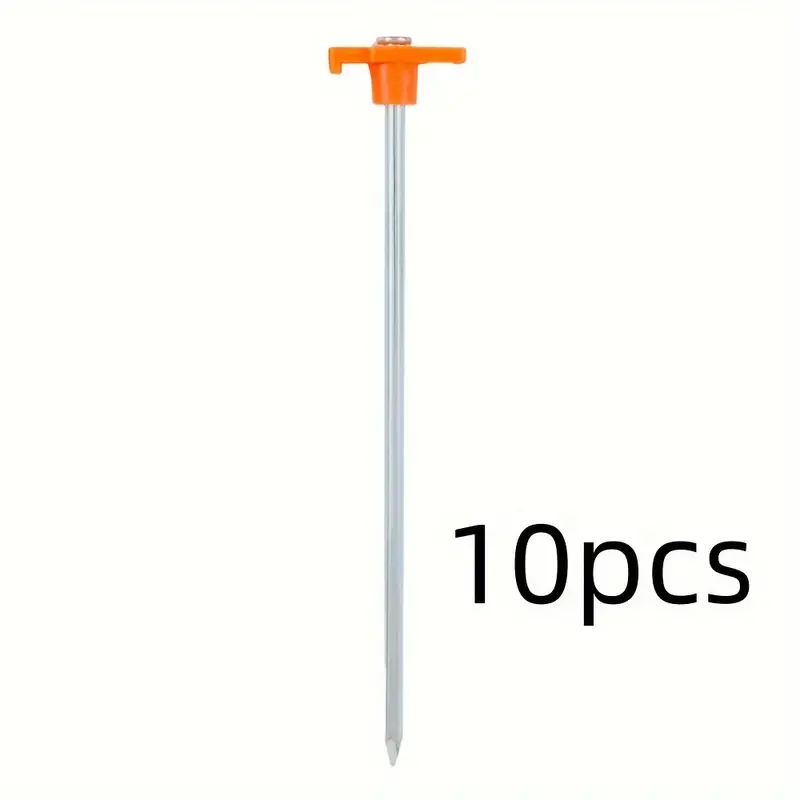
A gazebo asks you to accept bulk. Soft pop-ups need weights, guy ropes or ground anchors, especially on exposed plots, and a windy August bank holiday can turn a bargain frame into scrap. Hardtop gazebos feel more robust, but they have more roof, more fixings and more visual mass. They can work beautifully in a large suburban garden; in a narrow terrace, they often make the outside space feel shorter.
A pergola adds value by making the garden look intentionally planned; a gazebo earns its keep by keeping people dry.
Which to pick by use case
- Owner-occupied terrace or semi with a patio under 20 m²: pick a pergola. Keep it around 2.4 m to 2.5 m high near the boundary, match the material to the house, and leave enough open sky so the kitchen doesn’t feel gloomy.
- Rented flat, landlord won’t allow drilling, or you move every couple of years: pick a gazebo. Choose a pop-up or freestanding model with proper weights; permanent landscaping value is irrelevant if you can’t alter the property.
- Garden used for regular summer entertaining with six to eight adults: pick a pergola if you own the home. Build around a 3 m by 4 m seating or dining zone, then add a canopy if rain cover matters. It will look less temporary than a party tent left up all season.
- Exposed garden near the coast or open fields: pick a pergola, but only if it is engineered and fixed properly. A lightweight gazebo is a risk in gusts. If you need a gazebo here, buy hardtop and budget for anchoring into concrete.
- Budget under £300.00 for one summer: pick a gazebo. A pergola at that price is usually too flimsy to add value. Better to buy temporary shelter and save for a proper structure later.
FAQs
Does a pergola or gazebo add more value to a UK home?
A pergola usually adds more value to a UK home because it looks like permanent garden design rather than temporary shelter. The exception is a large, well-built hardtop gazebo in a garden big enough to carry it without feeling crowded.
Do I need planning permission for a pergola in the UK?
You often do not need planning permission for a modest pergola in the UK, but height, boundary position and local restrictions matter. As a working rule, structures within 2 m of a boundary should usually stay no higher than 2.5 m, and listed homes or conservation areas need extra checks.
Is a gazebo better than a pergola for rain?
A gazebo is better than a standard pergola for rain because it has a roof from day one. A pergola only becomes rain-resistant if you add louvres, a retractable canopy or another covered system, which increases cost and maintenance.
Which is better for a small UK garden?
A pergola is usually better for a small UK garden because it gives structure without enclosing the space too heavily. A 3 m by 3 m gazebo can feel bulky in a narrow terrace garden, especially if it sits close to the rear windows.
What materials last best for pergolas and gazebos?
Powder-coated aluminium is the lowest-faff material for both pergolas and gazebos, while pressure-treated timber looks warmer but needs maintenance. Steel gazebos can be strong, but scratched coatings may rust if ignored through wet winters.
Can I put garden furniture under a pergola or gazebo?
Yes, you can put garden furniture under either, but measure the usable footprint rather than the advertised roof size. Allow at least 60 cm behind chairs and more for corner sofas, otherwise the space will look staged rather than usable.