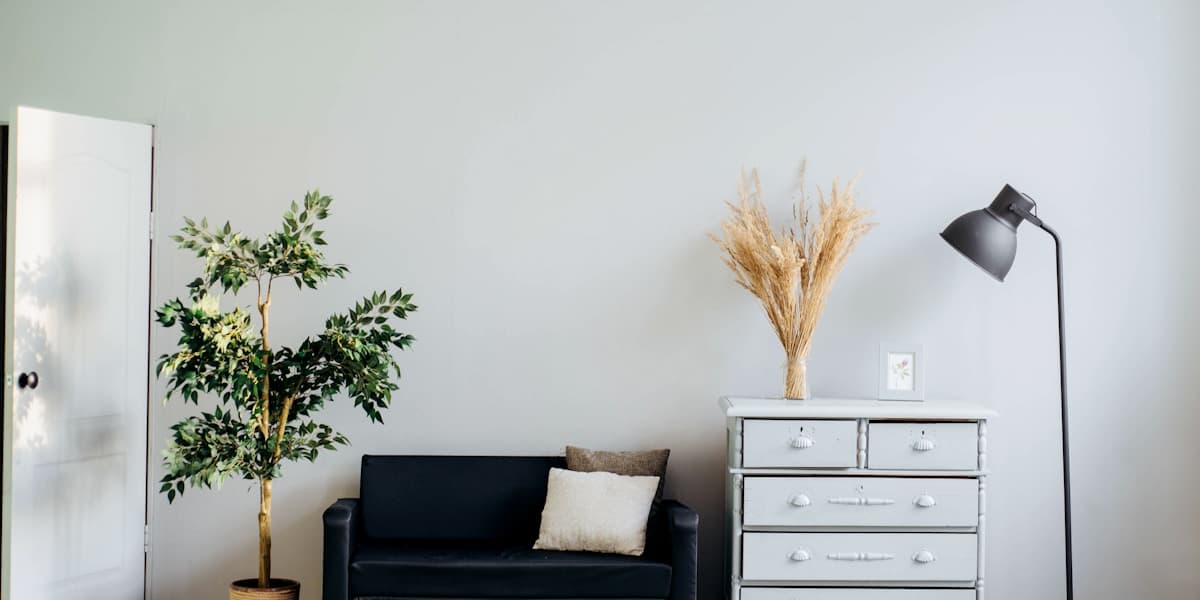
SAD lamps work on the clock, not on the mantelpiece
At 7:06 on a wet September morning, my north-facing kitchen in a Victorian terrace already had that flat grey look where the cereal box casts a shadow. By the school run at 8:15, the lights were still on. That is exactly the moment British group chats start talking about SAD lamps, and exactly where the confusion begins: a light box is not cosy winter decor. If you’re asking when to use a SAD lamp in a UK winter morning light routine, the answer is more about timing and distance than glow.
The short answer
Use a SAD lamp in the morning, ideally within the first hour after waking, for a timed session rather than as background lighting. A common routine is 20 to 30 minutes with a 10,000 lux lamp placed roughly 20 to 50 cm from your face, angled towards your eyes without staring into it. If you use it late afternoon or evening, it may interfere with sleep rather than sort your winter mornings.
The longer answer
Why does morning timing matter more than the lamp’s look?
Here is the thesis, plain enough to argue with: a handsome SAD lamp used vaguely after lunch is less likely to help than an ugly 10,000 lux box used consistently at breakfast. The NHS describes light therapy as sitting by a bright light box that simulates daylight during darker months, but the mechanism people usually want is not ambience. It is a cue to the body clock. UK winter mornings are especially awkward because we often wake, commute, and start work before getting much natural daylight. In a Manchester new-build with deep reveals or a rented flat facing a brick wall, your 8 am light exposure can be miserably low. The lamp’s job is to give a strong morning signal. It is closer to routine engineering than buying a glowing object for the desk.
What do NHS and NICE actually say about SAD lamps?
The NHS SAD page, last reviewed in 2025, says some people find light therapy helpful and describes the basic idea: bright artificial light used to mimic sunlight. It also flags that side effects can include headaches, eye strain, feeling agitated or having trouble sleeping. NICE is more cautious. Its guidance says the evidence for light therapy in depression with a seasonal pattern remains uncertain, which matters because online chatter can make a lamp sound like a guaranteed treatment. It isn’t. If your winter low mood is severe, lasts most of the day, affects eating or sleep, or comes with thoughts of self-harm, that is GP territory, not a £53.99 gadget fix. People with bipolar disorder, eye conditions or medicines that increase light sensitivity should check before using one. Proper boring advice, but necessary.
How bright, how close, and how long should it be?
Look for the lux rating at a stated distance. A box advertised as 10,000 lux at 15 cm is not the same experience as 10,000 lux at 40 cm, because you may not want your face parked right next to it while answering emails. Many UK units sit between £29.99 and £129.00, often with LEDs rated from about 12W to 24W, though wattage is not the same as therapeutic brightness. Place it to the side of your laptop or breakfast table so the light reaches your eyes indirectly. Don’t stare into it. Start with 10 or 15 minutes if you’re prone to headaches, then build up. The faff is real: if the lamp lives in a cupboard behind the slow cooker, you won’t use it. Put it where your morning already happens.
Isn’t any bright winter lamp better than nothing?
This is the fair counterargument. A warm table lamp at 5 pm can make a dark sitting room feel less grim, and there is nothing wrong with that. A £6.50 daylight bulb in a hallway can stop a narrow staircase feeling like a cave. Mood matters. Still, that is a different claim from saying a SAD lamp treats seasonal-pattern depression. In a r/UKWeather thread on 7 September 2026, people were already bracing for 5 pm darkness and recommending lamps; one more useful comment cut through the gadget chat by stressing morning use, distance from the face and enough brightness. That is the distinction. Decorative light helps a room feel inhabited. Bright morning light is an attempt to cue sleep-wake timing.
What does newer light-exposure research add?
The University of Surrey reported on 3 September 2026 that bright daytime light supplementation may improve sleep, activity levels and circadian rhythms in older adults with reduced natural-light exposure. That does not prove every desk lamp will cheer up every tired commuter. It does support a more sensible direction: daylight exposure is a behavioural input, and the timing of that input matters. Older adults, home workers and people in small flats can all go through a winter weekday with shockingly little strong daylight. A lamp may be useful if it creates a repeatable morning cue. If it becomes another glowing screen-adjacent object used at random, expectations will outrun the evidence.
What time should I use a SAD lamp in the UK winter?
Use a SAD lamp in the morning, preferably within an hour of waking, because that is when bright light is most likely to support your body clock. For many UK households, that means using it between 6:30 am and 9 am during the darkest months. Avoid late evening sessions unless a clinician has advised a different plan.
Can I use a SAD lamp while working from home?
Yes, you can use a SAD lamp while working from home if it is positioned correctly and used as a timed morning session. Place it off to one side of your screen, around 20 to 50 cm away depending on the lamp’s instructions. It should reach your eyes indirectly, not sit in your direct gaze all day.
How long should I sit in front of a SAD lamp?
Many people use a 10,000 lux SAD lamp for about 20 to 30 minutes, but the right duration depends on the lamp’s brightness and distance. Start shorter if you get headaches or eye strain. A lower-lux lamp may need a longer session, so read the stated lux distance rather than trusting the product photo.
Can a SAD lamp make sleep worse?
Yes, a SAD lamp can make sleep worse if used too late in the day or for too long. Bright light in the evening may delay your body clock, leaving you more alert when you want to wind down. If your sleep becomes patchy after starting, move the session earlier or stop and seek advice.
Is a SAD lamp the same as a daylight desk lamp?
No, a SAD lamp is not automatically the same as a daylight desk lamp. A SAD lamp should state its lux output and intended distance, while a normal desk lamp may simply use a cool-toned bulb. Daylight colour can feel crisp, but colour temperature alone is not a treatment dose.
Should I buy a SAD lamp if I just hate dark mornings?
A SAD lamp may help structure dark mornings, but it is not always needed if your issue is mainly gloomy rooms rather than seasonal depression. Try getting outside after sunrise, opening blinds fully and using brighter task lighting first. If symptoms are persistent or severe, speak to a GP rather than relying on a lamp.
A SAD lamp is most defensible when you treat it like a timed health routine: morning, measured distance, consistent duration, and realistic expectations. If you want a cosier sitting room, buy a decent warm lamp and enjoy it. If you want to test light therapy for winter low mood, don’t shop by silhouette or brass finish. Put the boring details first, keep an eye on side effects, and remember that NHS and NICE caution leaves room for usefulness without promising a cure.