Three weeks. That's roughly what stands between today and the start of the English school summer holidays — six weeks of "I'm boooored" with the back door propped open and one of you trying to work from the kitchen. If your garden is a small paved square behind a terrace, a strip of patio with a couple of pots, or a shared communal lawn, the standard Argos play-tower advice doesn't really apply.
I went looking for the things that actually earn their square metre in a UK back garden when small kids are home all day. Not the giant climbing frames, not the trampoline that takes over the lawn. Five picks, from about £31 to under £95, that keep them moving without colonising your outside space.
If you only buy one: the 4-piece soft play foam set at around £95 is the most under-3 mileage per pound. For older kids, the folding mini table tennis folds onto your dining table and gets the whole family playing.
The picks
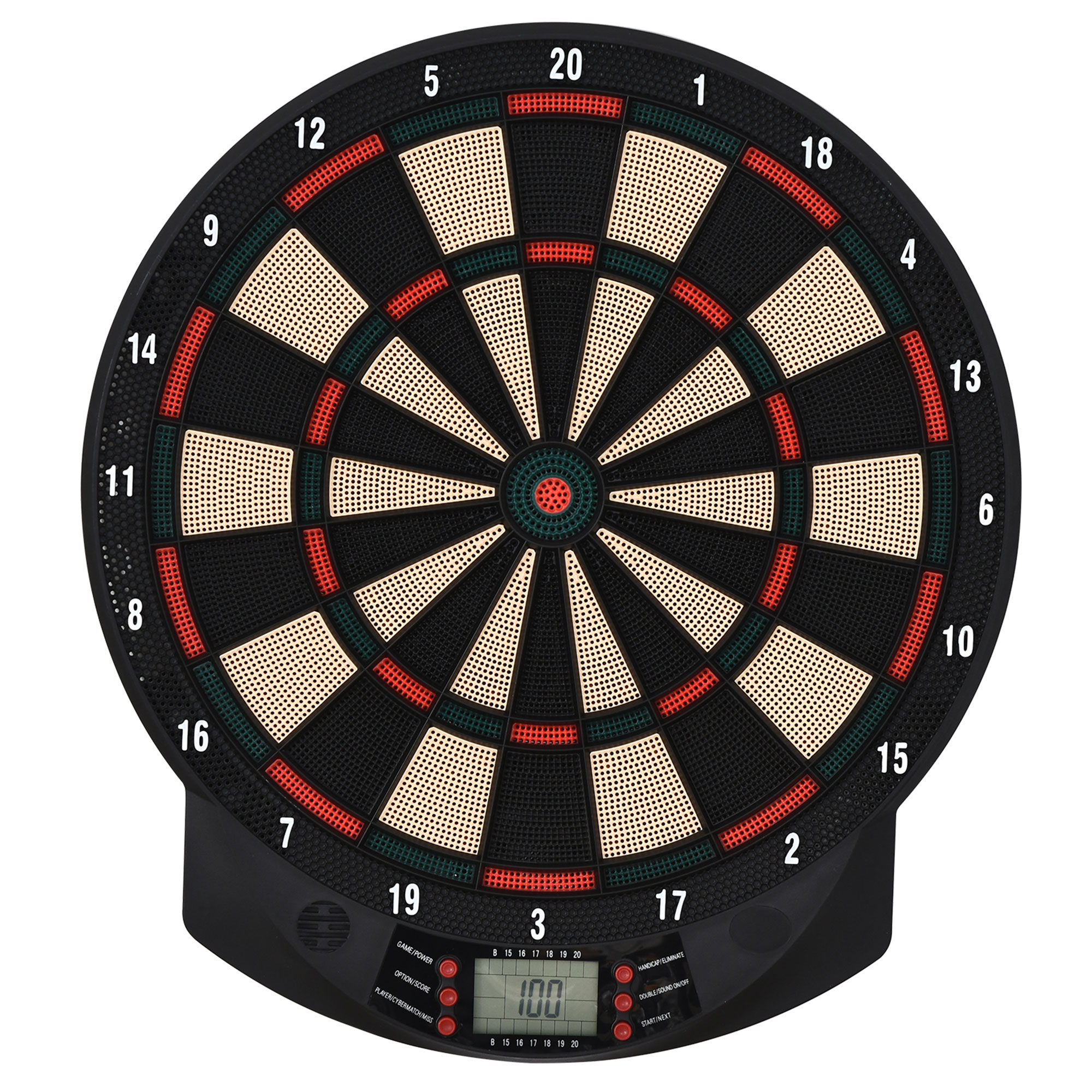
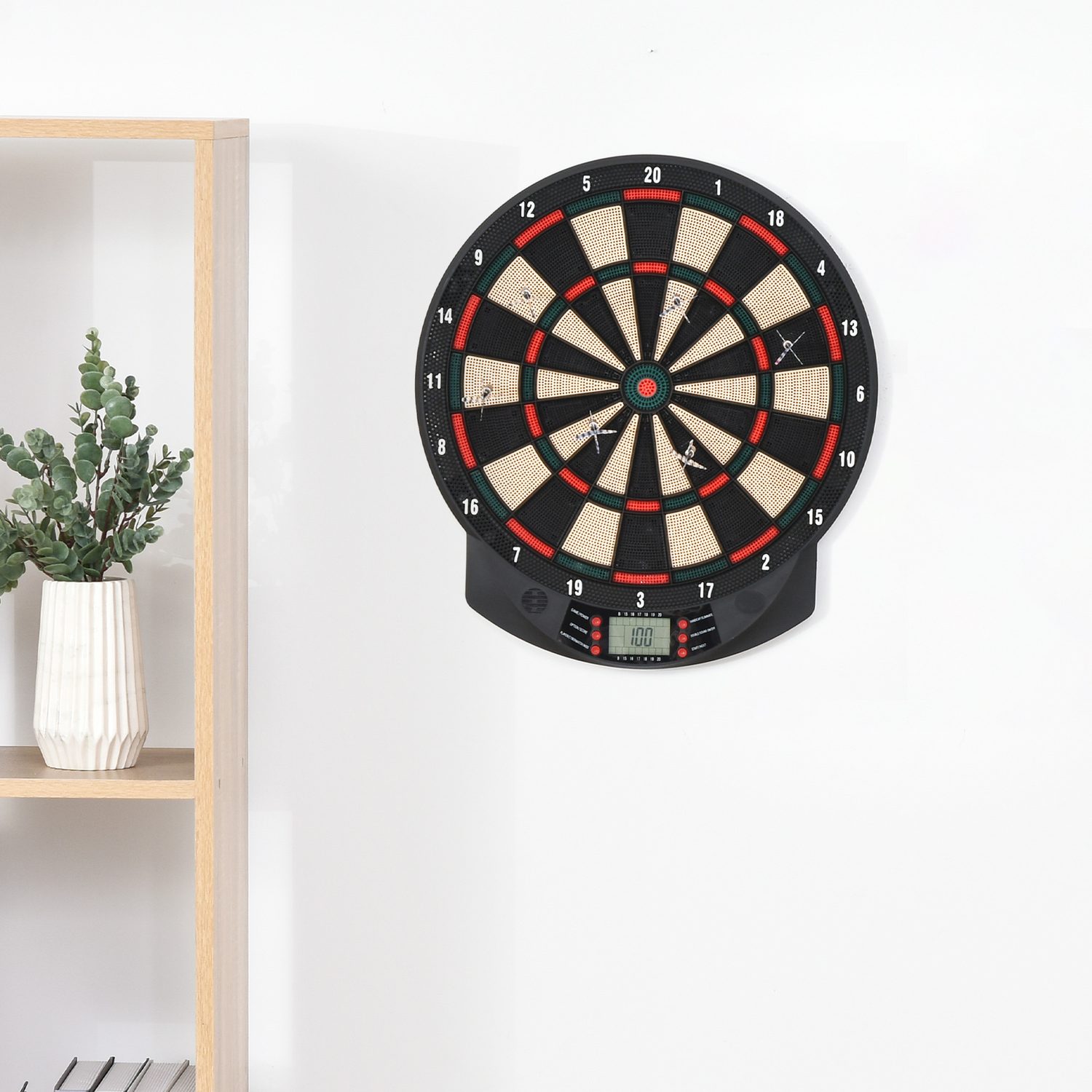
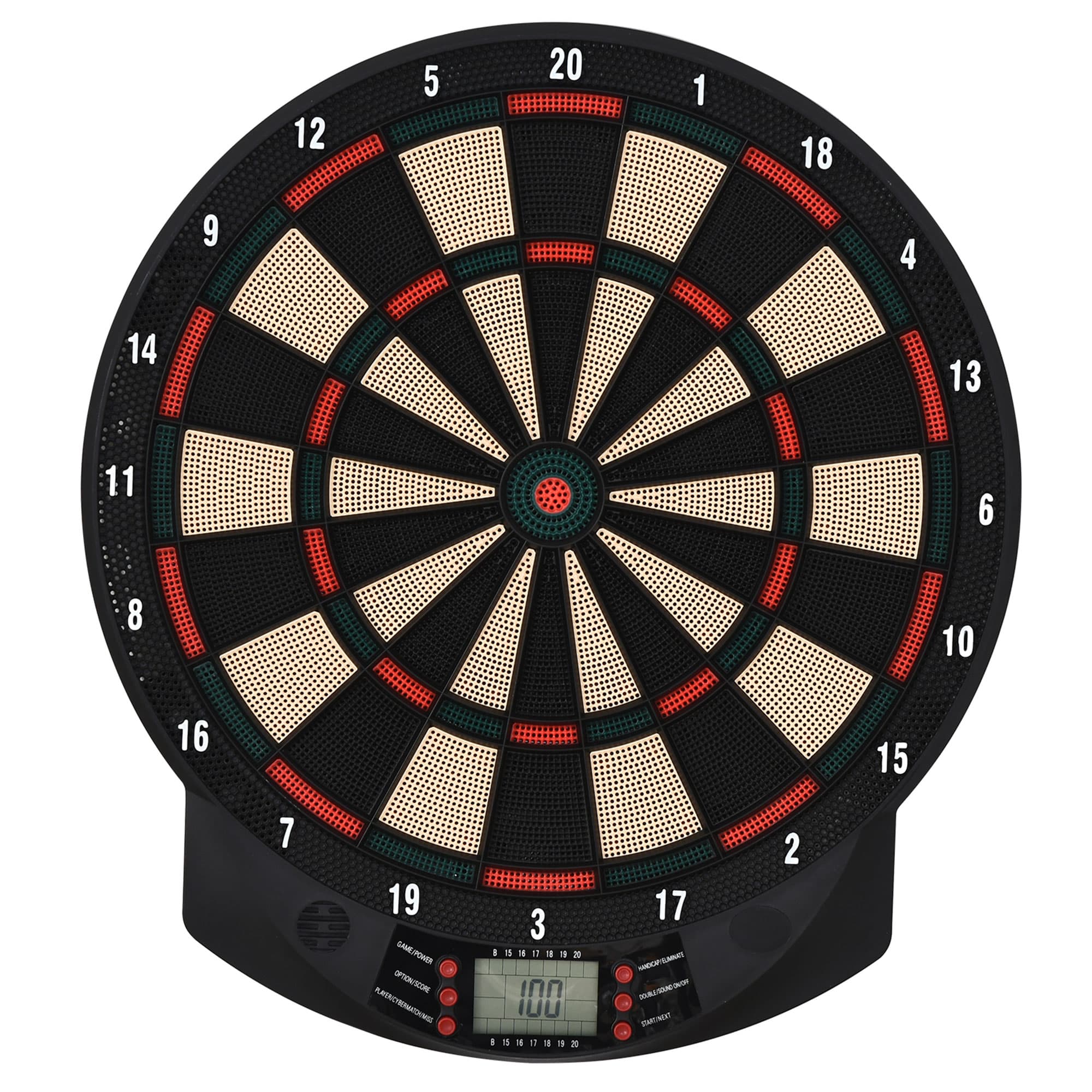
The cheapest pick and the one you'll actually use most weeks. Soft-tip dartboards are the right call in a rental — even decent throwers miss the wire and plasterboard doesn't forgive. The LCD readout sits at the base of the board (so you read your score without breaking your stance), 26 games, 185 scoring variations, and 30 spare tips in the box. That last bit matters — chasing replacement tips is the main reason these end up in the loft.
The listing doesn't say whether it's mains or batteries, so check the box on arrival. Mount it on a hallway wall or behind the back door — adult voices will be raised.
- Pros: soft-tip darts (rental-friendly), 26 games, base-mounted score display, 30 spare tips in the box.
- Cons: power source not specified, supplied darts are fine rather than great.
- Best for: families with kids 7+ who need an indoor backup when the bank holiday weather collapses.
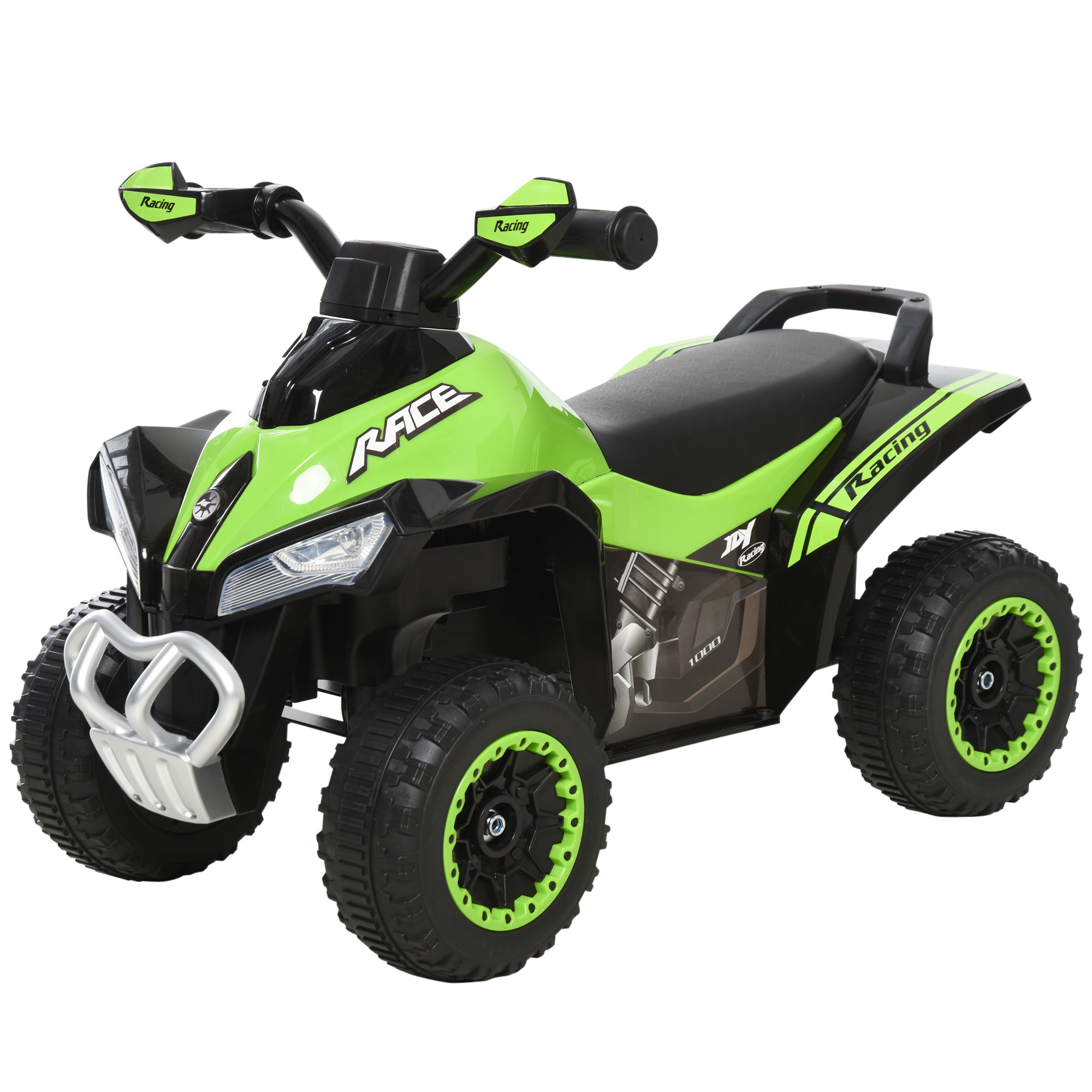
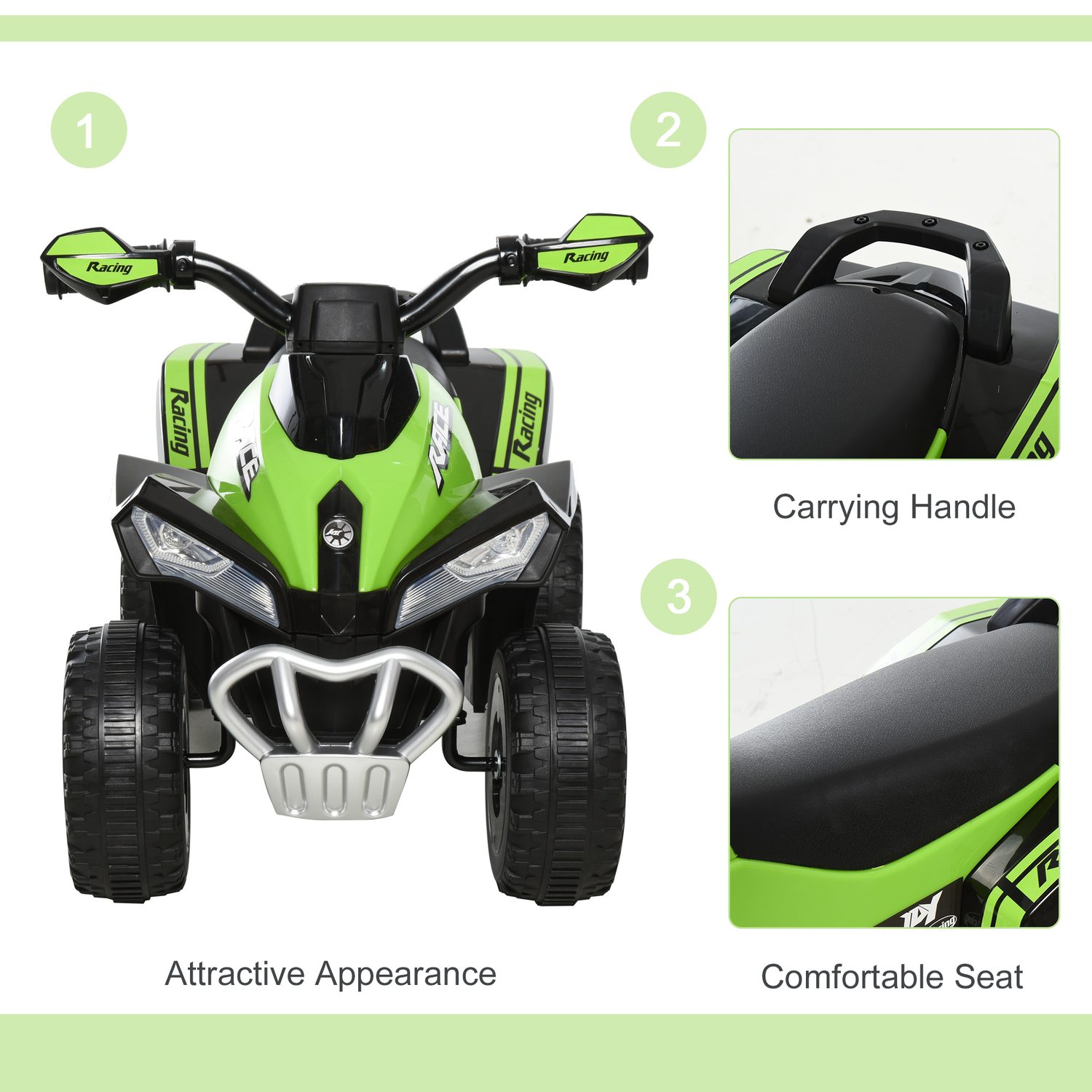
For under £50, this is the cheapest "looks like a real vehicle" ride-on I've found that a toddler can use without overnight charging. Foot-to-floor is the right format for under-3s — pedals are too complicated, an electric throttle is too fast, but four off-road-style rubber tyres and a wide padded seat give them the bit they actually want, which is to look the part. Working headlights and three music tracks are the bits they show their friends.
It will get scuffed. The plastic shows marks after a few weeks on paving, and the music volume isn't reliably adjustable — expect the same five-second loop on repeat. Suits 18 months to about three; taller kids outgrow the handlebar height quickly.
- Pros: no batteries to charge, proper ATV-look styling, four chunky tyres for grass or patio, working headlights.
- Cons: music can be loud and non-adjustable, plastic scuffs visibly, short life beyond age 3.
- Best for: 18-36 month olds who can sit up and push themselves along.
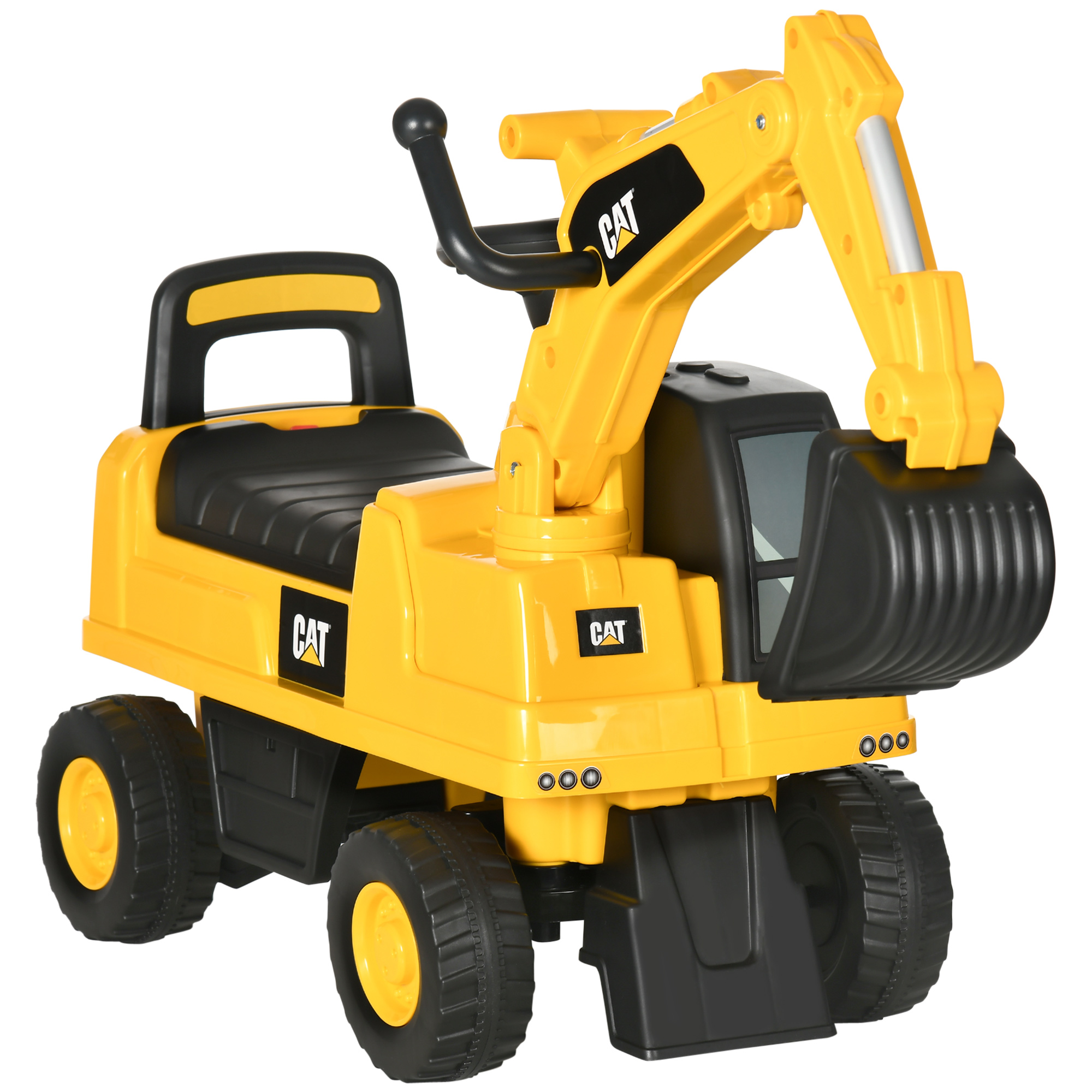
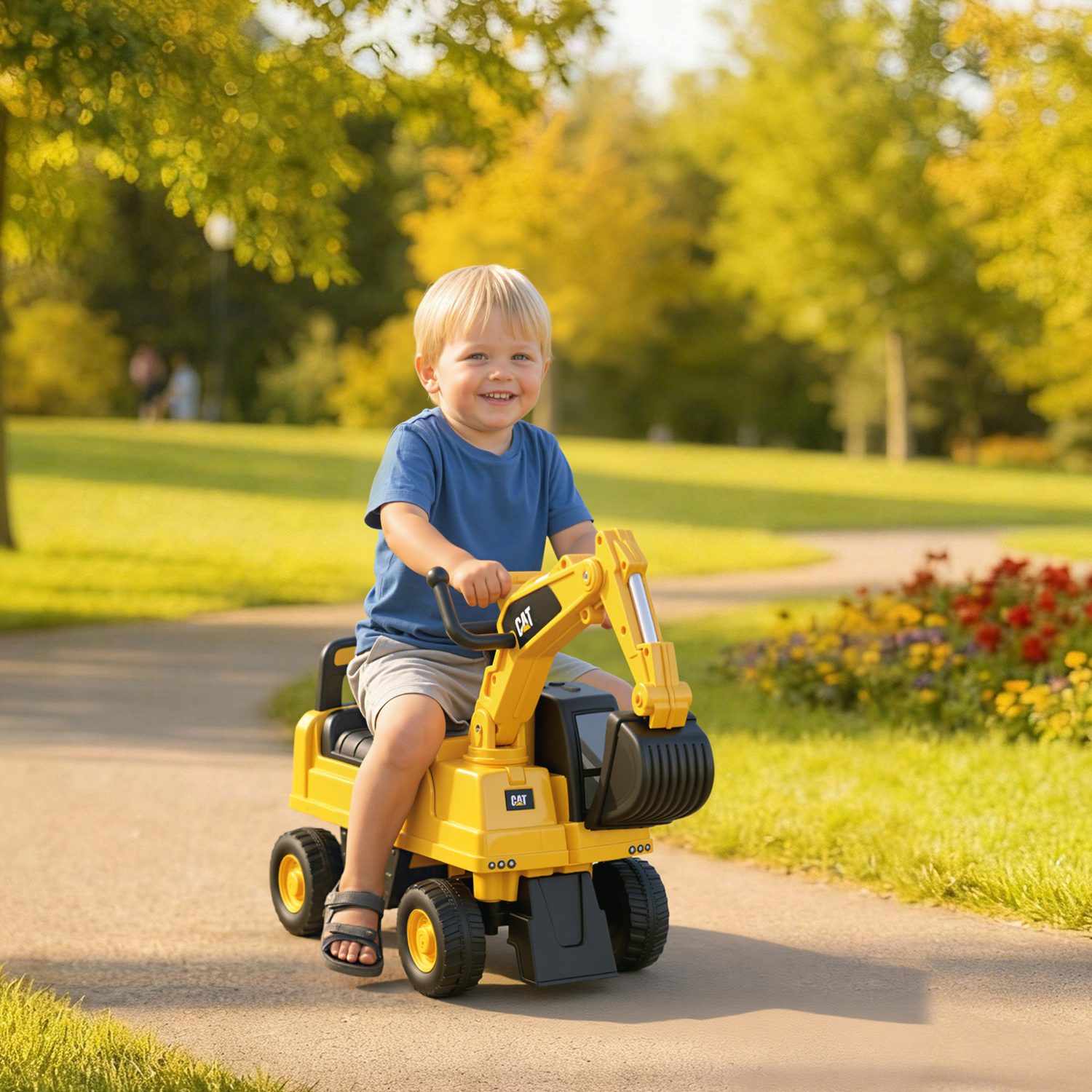
If your toddler stops dead at every JCB on the school run, this one earns its keep. The actual selling point is the manual lever-operated arm at the front — most foot-to-floor diggers in this price band have a fixed arm or a flimsy one. This has genuine range of movement and a bucket that scoops. It will lift a small plant pot, a few stones, an indignant guinea pig if you let them.
Under the seat is a small compartment — useful for a couple of diecast cars, nothing substantial. CAT branding throughout, which seems to matter to about-to-turn-three-year-olds in particular. Best on patio, paving or short grass; long lawn defeats the wheels.
- Pros: working lever-operated arm with a real scoop, foot-to-floor, stable four-wheel chassis, branding survives toddler use.
- Cons: shallow under-seat storage, struggles on long grass, plastic body picks up scuffs.
- Best for: 1-3-year-olds who already point at every digger they see.
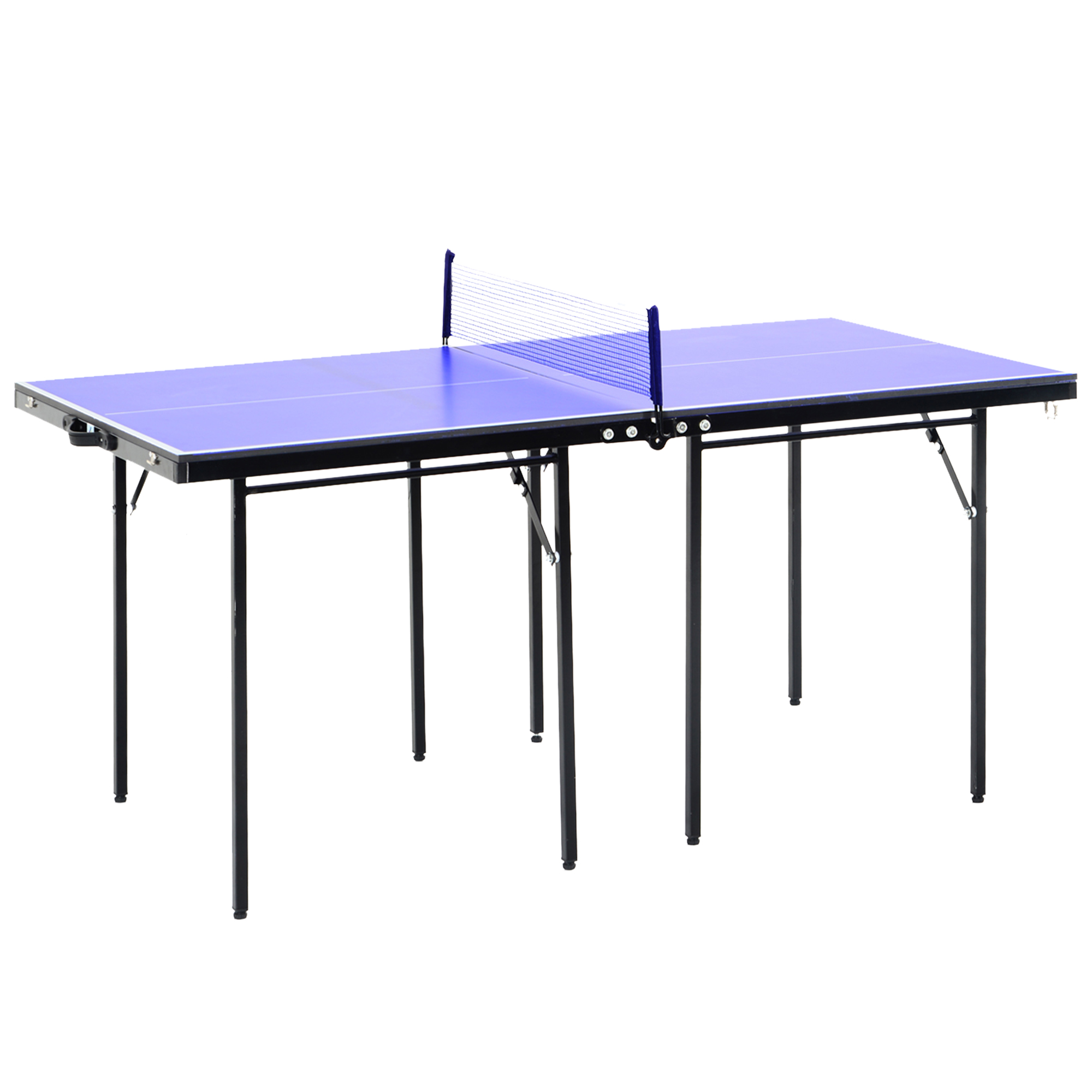
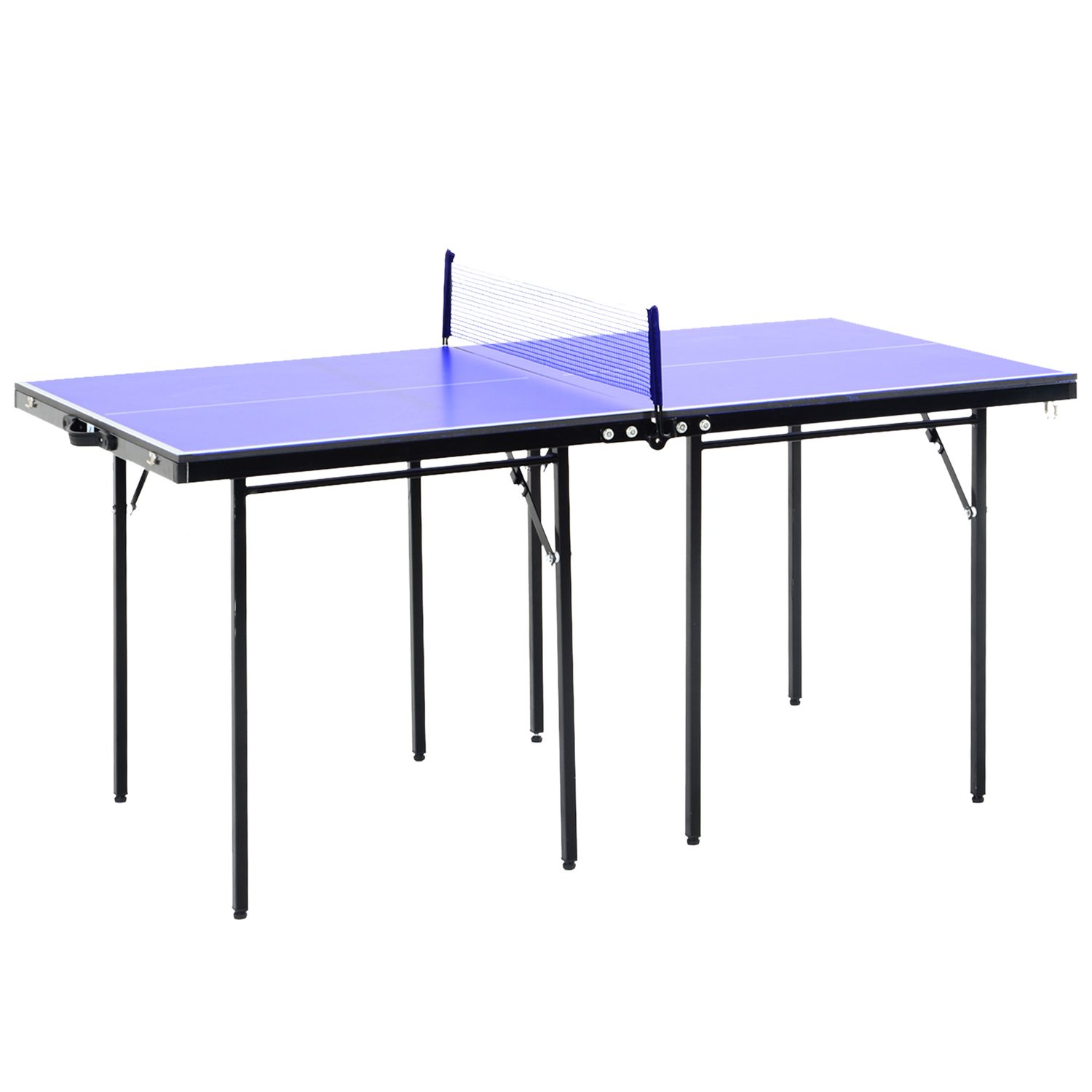
The pick that actually drags the whole household outside. The two halves fold independently — clamp one open as a rebound wall to practise alone, then unfold the second when the next person turns up. Fold-flat steel legs with adjustable feet handle the fact that no British patio is ever quite level. Sits on the dining table when the lawn is wet, on the lawn (legs out) when it isn't.
Two honest caveats. The MDF surface bounces consistently in the centre but goes a bit dead toward the edges — fine for casual play, not for training. Paddles and balls aren't in the box, so add a tenner for a four-bat set. Don't leave it out in the rain; MDF and water do not mix.
- Pros: two halves fold independently, net and posts included, adjustable feet for uneven patios, sits on a dining table when needed.
- Cons: no bats or balls included, MDF needs storing indoors, edges bounce less true than the centre.
- Best for: mixed-age families who want one thing the 8-year-old AND the dad both want to play.
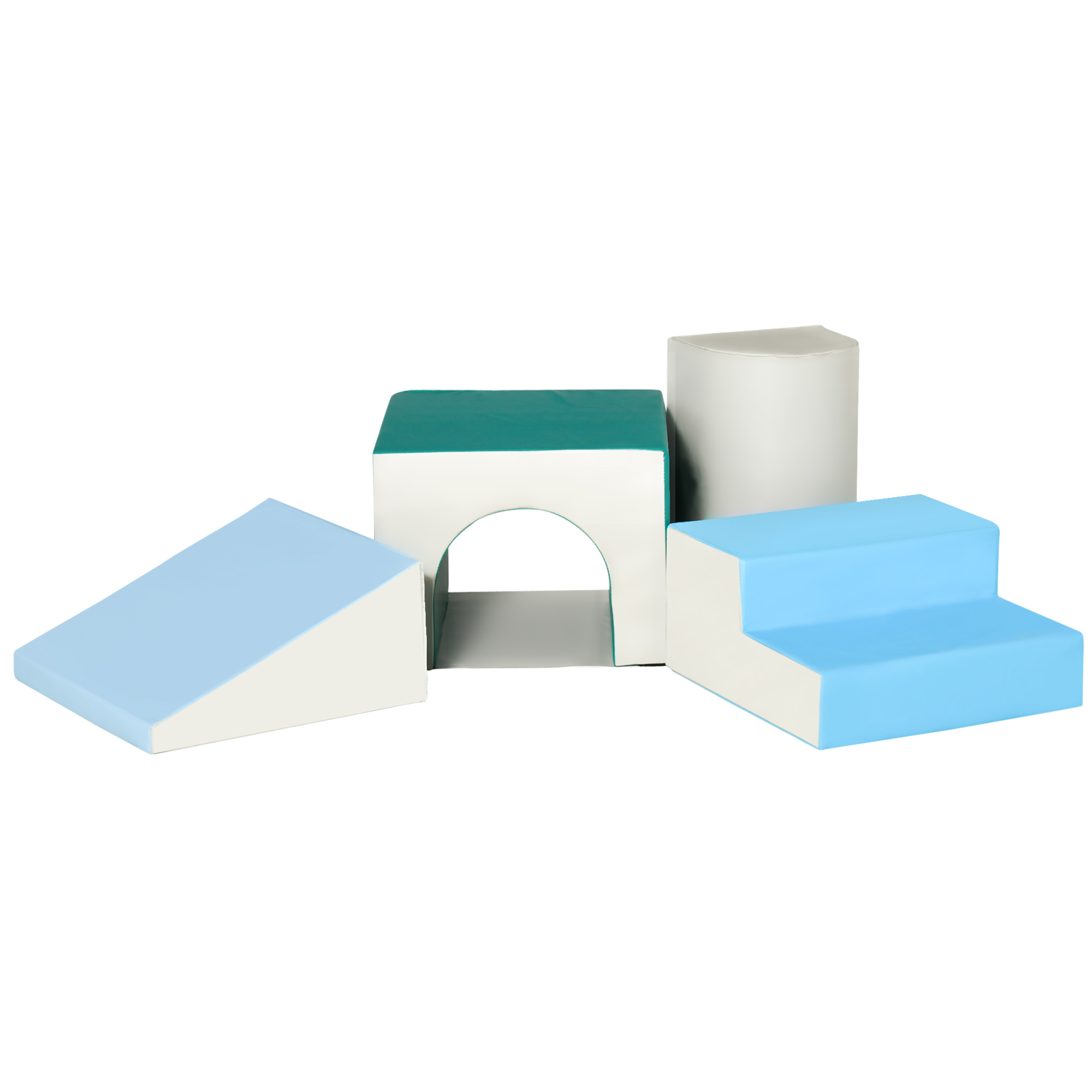
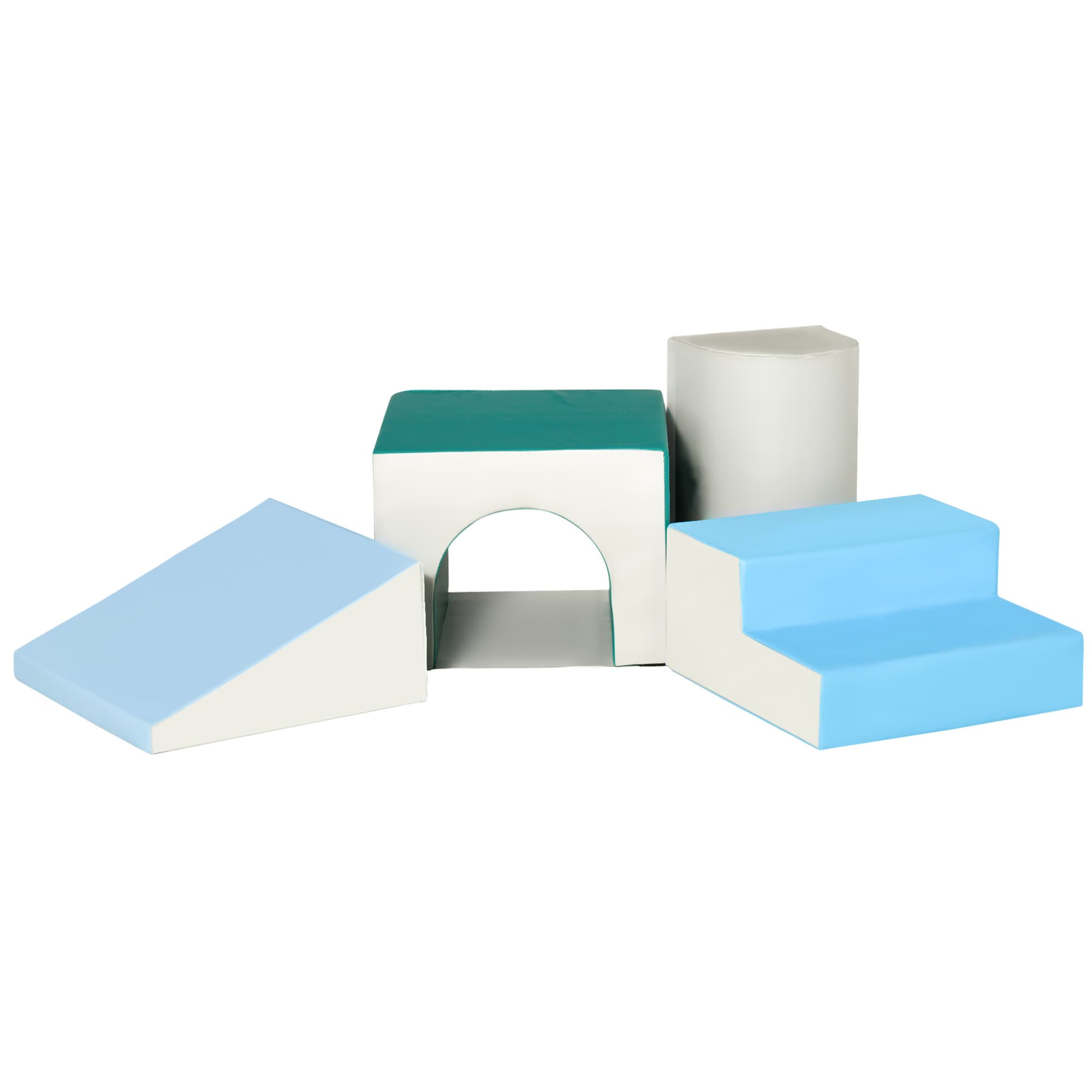
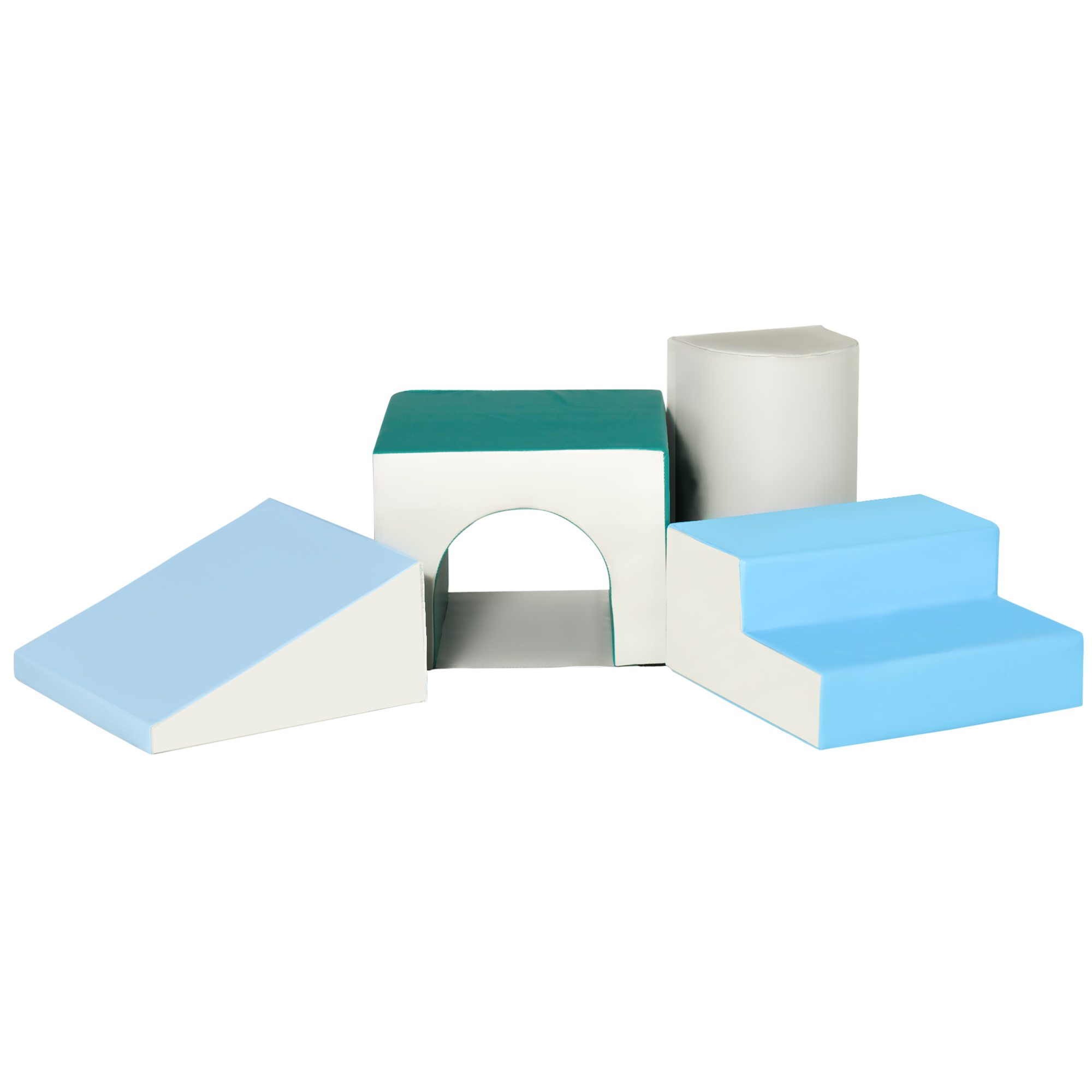
If you've got a one-to-three-year-old, this buys you the most genuine quiet hours per pound. The EPE foam core is dense — properly dense, not the kind that flattens after a week — and the PU outer cover wipes clean of yoghurt, juice and whatever else is smeared on it that morning. Four shapes (ramp, arch tunnel, cylinder, two-step staircase) that rearrange into a new "obstacle course" when the current one gets boring, which takes about four days.
Calm blue, teal and white colour palette — not aggressive nursery primaries, so it doesn't look like nursery equipment dropped into a grown-up room. Keep an eye on the stitched seams around the arch tunnel over time. Sized for a standard living-room footprint; measure first.
- Pros: dense EPE foam core, wipe-clean PU cover, four reconfigurable pieces, calmer palette than most.
- Cons: check the arch-tunnel seams over time, useful between roughly 18 months and 3, takes up real living-room space.
- Best for: parents needing an indoor-outdoor active surface for a 1-3-year-old when the garden's a write-off.
The verdict
If your child is under 3, the soft play foam set pays back the most actual quiet hours over the summer. If they're older and you want one thing the whole family will get into, it's the folding table tennis — small enough to leave set up, light enough to fold away when guests turn up. And if you're just trying to head off the inevitable wet bank holiday at the pass, the LCD dartboard at about £31 is the smallest punt with the biggest "saved my afternoon" potential.
By the Villalta Home Editorial team, June 2026. Edited by Juan Antonio Villalta Pacheco.