Stop treating a bathroom scale like a home DEXA scan
The bathroom in my sister’s rented flat in Leeds is 168 cm by 196 cm, with a scale wedged between the bath panel and a chrome towel rail that shows every fingerprint in winter light. One Tuesday morning, before the school run at 8:15, it told her she’d gained 1.1 kg and dropped 2.4 percentage points of body fat overnight. That is the smart-scale problem in miniature: the weight reading may be useful; the body-fat drama often isn’t.
The short answer
A smart scale is accurate enough for body-weight trends in a UK home, but not accurate enough to tell you your true body-fat percentage. Buy one for consistent weighing, a clear app and boring repeatability. Do not buy one because it promises a pretend home DEXA scan. Body-fat readings from foot-to-foot bioimpedance can swing with hydration, timing, skin contact and whatever algorithm sits behind the app.
The longer answer
What does a smart scale actually measure?
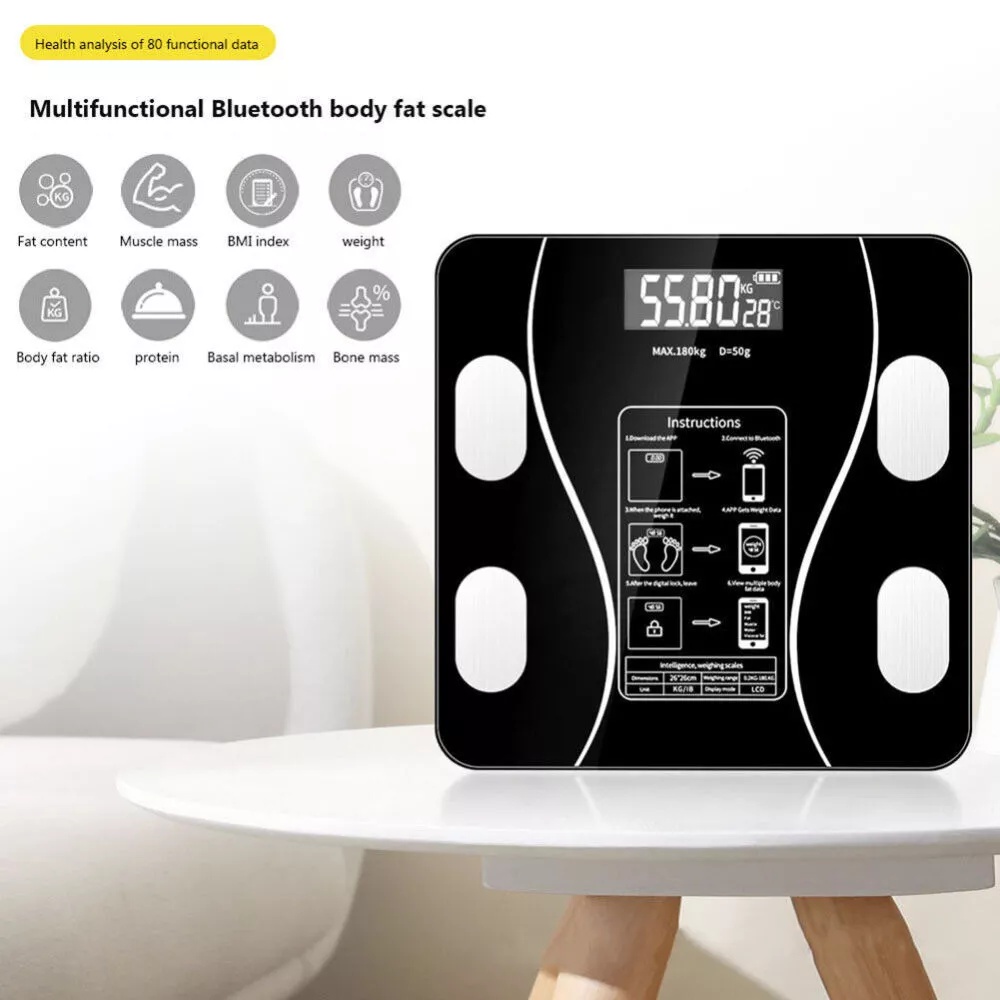
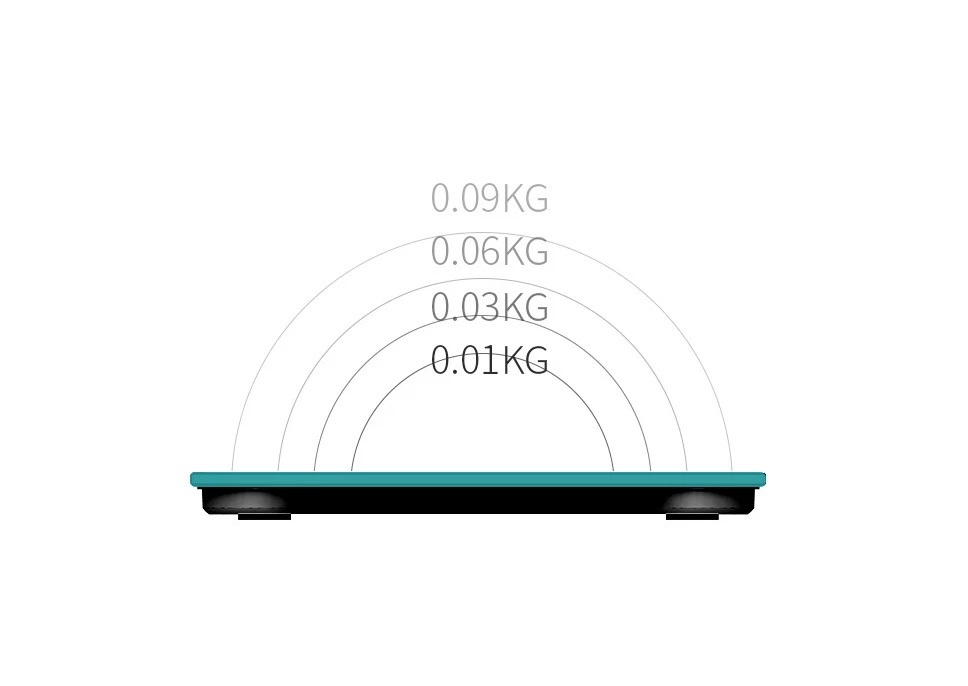
Most affordable smart scales measure your weight using load sensors, then estimate body composition with bioelectrical impedance analysis. A tiny electrical signal passes through your feet; the scale uses resistance, plus your height, age and sex, to estimate fat mass, muscle and water. That is not the same as measuring fat directly. A 180 kg Bluetooth BMI scale might weigh in 0.05 kg or 0.1 kg steps and be perfectly decent for seeing whether your weekly average is drifting up or down. The body-fat percentage is a calculation layered on top. The more the app dresses that calculation up with visceral fat, metabolic age and skeletal muscle, the easier it is to mistake theatre for knowledge.
Why do body-fat readings jump so much?
Bioimpedance is sensitive to ordinary life. A salty takeaway, a late run, your period, a warm shower, cold feet on bathroom tiles or weighing after two mugs of tea can all change the reading. The faff is that none of this feels dramatic while you’re doing it. You just stand on the scale, see 28.6% on Monday and 30.1% on Wednesday, then wonder what went wrong. In a Victorian terrace with a slightly uneven floor, even placement can add noise. The useful rule is dull but powerful: same time, same place, same conditions. First thing in the morning, after the loo, before breakfast, on a hard floor. Even then, treat body-fat percentage as a wobbly trend line, not a lab result.
What do independent tests and real users suggest?
Which? said in April 2026 that its bathroom-scale tests use calibrated weights for weighing performance and a BodPod to check body-fat precision. That matters because it frames body composition as a testable claim, not a pretty dashboard flourish. The public grumbling lines up with that caution. In July 2026, Reddit users on r/loseit argued that smart scales can be fine for trends but poor at true body composition; one commenter said their scale was about 7 percentage points off against DEXA. Another July thread asked whether body-fat percentages help during weight loss or just add anxiety, with people describing jumpy readings and reverting to weight trends, tape measurements, photos and habits. Recent consumer reviews from August 2026 say much the same: affordable smart scales often measure weight well while producing questionable body-composition data.
Isn’t an imperfect body-fat number still useful?
Sometimes, yes. This is the fair counterargument. If your scale is wrong by a similar amount every time, the direction may still help. A person moving from 34% to 31% over six months, while waist measurements shrink and lifting numbers improve, probably has a meaningful signal. For people using our body composition guides, that pattern can be motivating. The snag is that many scales are not merely wrong; they are inconsistently wrong. Hydration and algorithm changes can flatten real progress or invent it. If the number changes your mood more than your behaviour, bin it from the dashboard. Keep weight, waist, photos and training notes. That is less glossy, but more sorted.
So what should you buy for instead?
Buy for repeatability and app behaviour, not the longest spec sheet. A smart scale should reconnect without daily Bluetooth sulking, show weight clearly, cope with a normal family range up to about 180 kg, and let you hide metrics you don’t want. If it uses AAA batteries, check whether they are included; plenty aren’t. If the glass platform is only 26 cm wide, larger feet may sit awkwardly, which affects contact. A scale such as a basic Bluetooth body-fat bathroom scale or smart body-fat scale with 180 kg capacity illustrates the category well: the value is the log, not the body-fat prophecy. A £24.99 scale that gives consistent weight data may serve you better than a £79.99 one shouting about 18 metrics.
Are smart scales accurate for body fat in the UK?
Smart scales are not reliably accurate for true body-fat percentage, even if they are useful for weight trends. UK buyers should treat the body-fat figure as an estimate affected by hydration, timing, floor surface and the scale’s algorithm, rather than a clinical measurement.
What is the best time of day to use a smart scale?
The best time to use a smart scale is first thing in the morning, after using the loo and before food or drink. Keep the scale on the same hard floor and weigh under similar conditions, because consistency reduces noise more than buying extra metrics does.
Can a smart scale replace a DEXA scan?
A smart scale cannot replace a DEXA scan for body-composition accuracy. It estimates fat using electrical impedance through the feet, while DEXA and BodPod-style testing assess body composition with more controlled methods and far less dependence on your morning hydration.
Why does my smart scale say my body fat changes overnight?
Your body fat has not meaningfully changed overnight in most cases. The reading usually shifts because water, salt, exercise, skin temperature or foot contact has changed, which affects the bioimpedance calculation and makes the app report a new percentage.
Should I turn off body-fat tracking on my smart scale?
Turn off body-fat tracking if it makes you anxious or distracts from useful habits. Many people do better tracking weekly weight averages, waist measurements, progress photos and exercise consistency, with body-fat percentage hidden or checked only occasionally.
Are cheap smart scales good enough?
Cheap smart scales can be good enough if you mainly want repeatable weight tracking and a simple app. Be cautious about cheap models that claim clinical-grade body composition; the weighing may be decent while the fat, muscle and metabolic-age figures remain rough estimates.
The smart-scale arms race has got silly. A bathroom scale should help you notice long-term change without turning Tuesday morning into a tribunal. If the question is whether smart scales are accurate for body fat, the honest UK answer is no, not in the way the marketing implies. Buy the scale that behaves consistently, put it on a hard floor, weigh at the same time, and treat every body-fat percentage as a sketch rather than a verdict.