
At 10:48pm last Thursday, the 4m by 5m garden behind a Victorian terrace near me was still glowing like a pub courtyard: six solar stakes along the path, two hanging lanterns in a bay tree, and a lit parasol throwing dots over the 1.8m fence. It looked sweet for about ten minutes. Then it became everyone else’s bedroom problem. So, are solar garden lights bad for wildlife and neighbours in the UK, or are people being joyless about a bit of summer sparkle?
The short answer
Solar garden lights are not automatically bad, but many are being used badly. The stricter standard should be this: garden lighting should be low, warm, temporary and task-led. If a solar lantern glows all night for decoration, shines above fence height, or turns a small patio into a permanent display, it is no longer harmless atmosphere. It is light pollution with a pretty shade.
The longer answer
Why has this become an argument now?
Because garden lighting has slipped from an occasional decision into a default layer. In July 2026, Ideal Home covered solar-powered hanging lanterns as a boho garden micro-trend, practical as well as decorative. A week earlier, it covered a solar LED parasol as a way to keep summer parties going after dusk. That tells you where the market has moved: light is being built into furniture, ornaments and parasols, so you buy the glow without properly deciding whether the garden needs it. A pack of solar stake lights at £19.99 feels low-risk. One 0.5W LED sounds tiny. But eight of them, every dry night from April to September, is a different thing in a row of rented flats with bedroom windows 6m away.
Are solar lights actually a wildlife problem?
They can be, especially if they are cool-toned, high, constant or close to planting. The RHS guidance on garden lighting warns that decorative and security lighting can affect wildlife and recommends reducing the negative impact rather than pretending gardens are separate from nature. That is the useful line here. Birds roost in hedges. Moths and other insects use darkness and natural light cues. Bats feed along darker edges, which is exactly where people now hang lanterns for a nice outline. A warm, downward light used for 40 minutes while you eat is one thing. A bluish solar globe glowing until 3am beside a buddleia is another. The dodgy bit is permanence, not the existence of a bulb.
What about neighbours: can garden lights be a nuisance in the UK?
Yes, although the social line is usually crossed before the legal one. The GardeningUK thread in late May and early June 2026 showed it neatly: one illuminated garden was praised as magical by some people, while others called it light pollution for neighbours, birds, insects and bats. Both reactions make sense. The problem is that the person who owns the lights sees them from the flattering side, while the neighbour gets the glare through a blind at midnight. In narrow Victorian terraces, Manchester new-build courtyards and balcony flats, there is rarely enough distance for decorative lighting to stay private. If you can see the lamp source from next door, not just a pool of light on your own table, it is probably too exposed.
Isn’t the counterargument fair: people need safe paths and a decent evening outside?
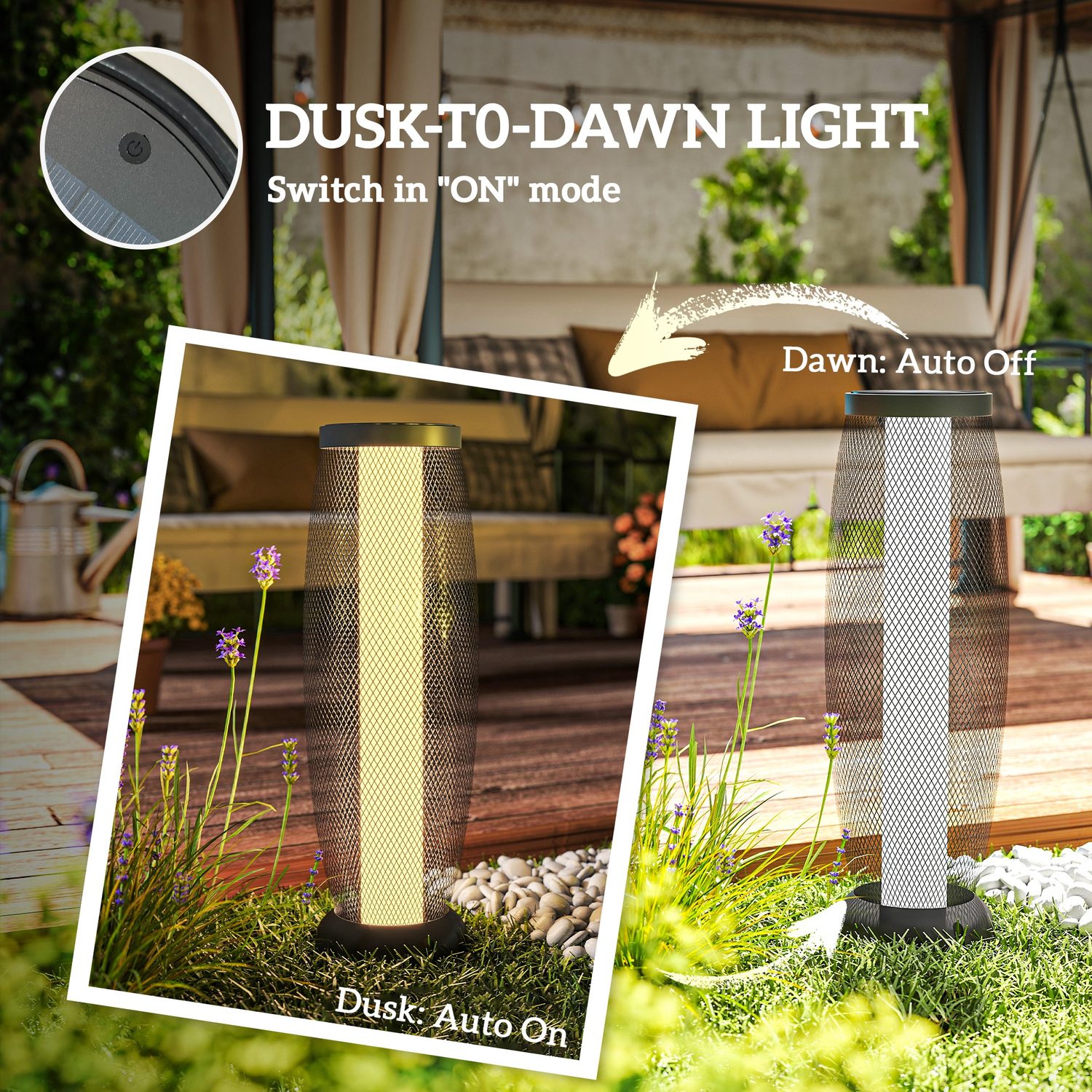
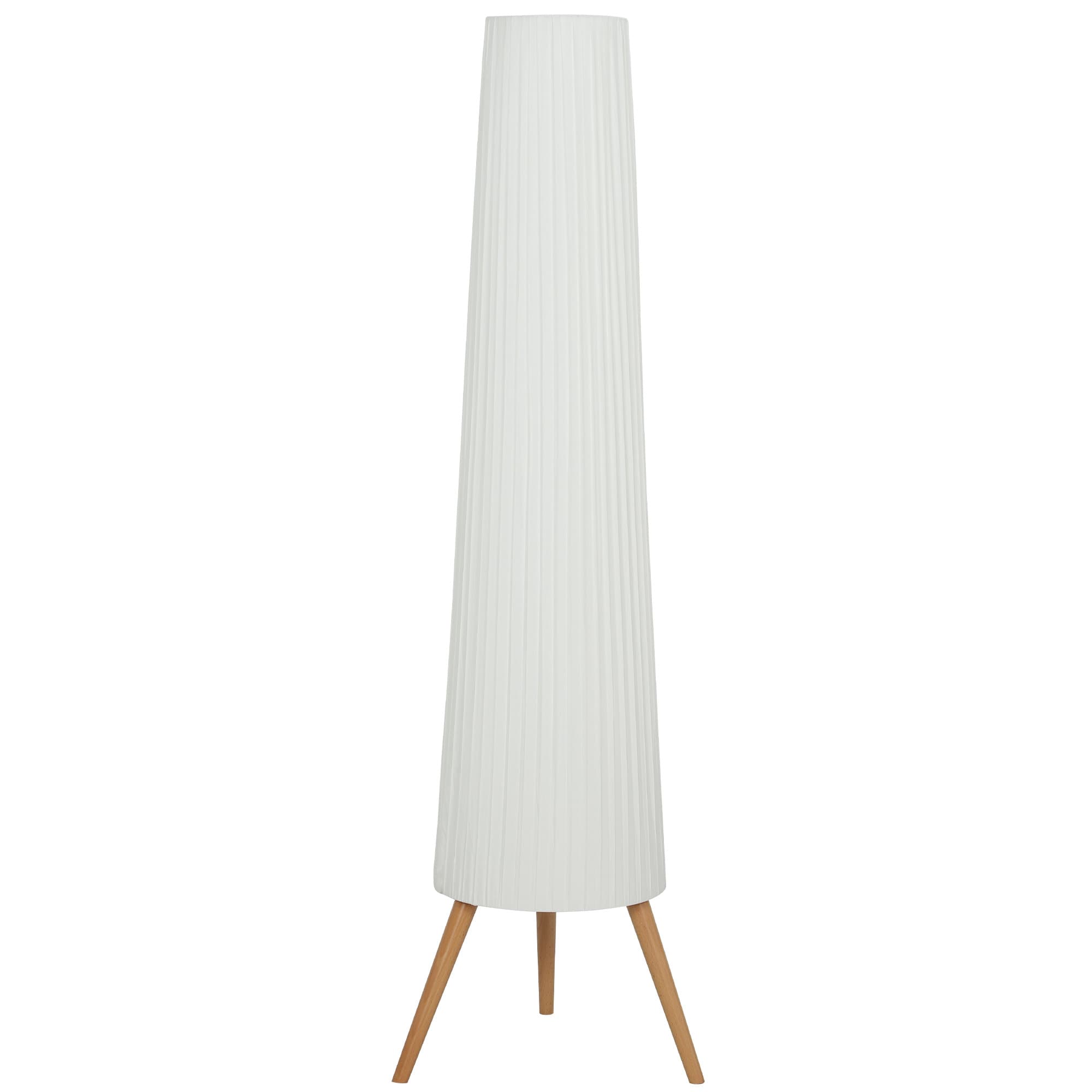
It is fair. Nobody is arguing that gardens should become obstacle courses after 9pm, or that people without outdoor sockets should give up on eating outside. Solar can be genuinely useful: no BS 1363 plug, no armoured cable, less faff for renters, and enough light to stop someone missing the step by the shed. But that case supports controlled lighting, not a permanent decorative wash. Think 100 to 200 lumens for a step or table, warm white below 2700K, mounted under 600mm where possible, and switched off after use. A single IP44 solar garden floor lamp beside a chair is defensible if it creates a low pool of light. Six eye-level lanterns left on until dawn are not.
So what does a better standard look like?
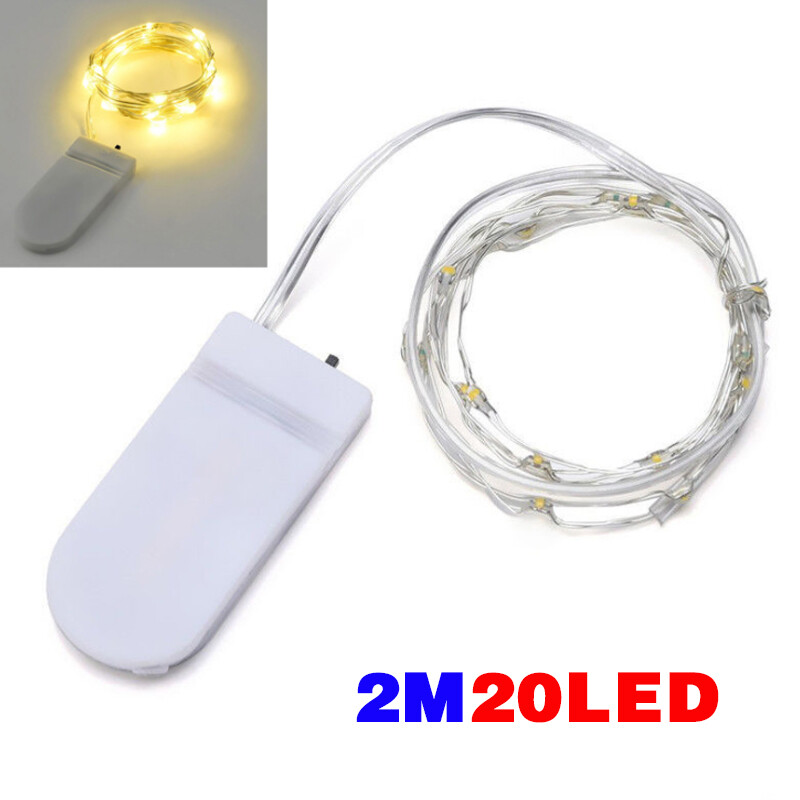
Buy fewer lights than the retailer’s lifestyle image suggests. Keep them below eye level. Choose warm white, not icy blue. Aim light down at steps, paving, cooking areas or the table, rather than up into trees or across a fence. Use timers, pull chains or manual switches where you can, because many cheap solar fittings simply come on at dusk and keep going until the battery dies. That is often after bedtime in June. There are caveats too: built-in LED units can be hard to repair, small rechargeable batteries often fade after 18 months, and council recycling collections may not want mixed solar fittings in the kerbside box. If you want decorative sparkle for a birthday supper, a short run such as 2m micro LED copper wire fairy lights on the table is easier to remove when the plates are cleared. That is the key difference: temporary sparkle is sorted; background glow all night is the nuisance.
Related questions
What colour solar garden light is best for wildlife?
Warm white solar garden lights are better for wildlife than cool white or blue-toned lights. In practice, choose LEDs under 2700K, keep them low, and avoid pointing them into hedges, trees, ponds or flower borders where insects, birds and bats are active after dusk.
Can my neighbour complain about my solar garden lights?
Your neighbour can complain if solar garden lights shine into their home or make their garden uncomfortable to use. The sensible fix is to lower the fittings, angle them down, reduce the number, and turn them off after social use rather than waiting for a formal nuisance dispute.
Are solar security lights worse than decorative solar lights?
Solar security lights can be more disruptive if they are bright, badly aimed or triggered all night. A motion sensor set for 30 to 60 seconds is usually easier to justify than decorative lights glowing for seven hours, but only if the beam stays inside your boundary.
How many solar lights are too many in a small UK garden?
In a small UK garden, more than four or five visible decorative solar lights can start to feel intrusive, especially in terraces or flats. The better test is visibility: if several lamp heads can be seen from a neighbour’s bedroom, reduce them.
Should I turn solar garden lights off at night?
Yes, you should turn solar garden lights off after you have finished using the garden. If the fitting has no switch or timer and glows until the battery dies, use it sparingly or choose a different design with proper control.
The defensible position is simple and stricter than most retailers would like: light the job, not the whole garden. Steps, a plate of food, a key in the back door, a quick kip on a lounger before the temperature drops — all fine. What has become tiresome is the idea that every patio needs to perform after dark. If your solar lights make the garden safer for an hour and then disappear, keep them. If they decorate the night for everyone else, take half down.