The best lighting trend is the one guests barely notice
In a 1930s semi in Stockport, the hallway I keep thinking about is 1.05 m wide and 4.8 m long, with the bathroom door swinging out at the far end and a radiator stealing 72 cm under the only stained-glass window. At 8:15, during the school run, the place is all shoes, PE bags and someone asking where the swimming goggles are. The ceiling pendant is technically bright enough. It is also useless at 2:40 in the morning. My thesis is simple, and you can disagree with it: in a typical UK bathroom or hallway, low-level motion sensor lighting improves daily life more than a new statement pendant.
What we're working with
This is the sort of UK circulation space that looks straightforward on the floor plan and then behaves like a cupboard. The front door opens inwards and needs a 90 cm clear swing, the stairs start 1.2 m from the mat, and the BS 1363 socket has been put where the previous owner wanted a phone table, not where anyone now wants a sensor light. In the bathroom, assume 1.7 m by 2.2 m, with a bath on one long wall, a 60 cm vanity opposite and a fan isolator above the door. The radiator or towel rail is usually under the window or behind the door, which rules out trailing cables unless you enjoy a proper faff. The TV cable run is irrelevant here, but the same thinking applies: the route you take in the dark matters more than the object you admire in daylight. Ideal Home’s January 2026 lighting trend notes name warm-coloured fixtures, rechargeable lamps, wall sconces, dimmable bulbs and sculptural shapes. The quiet winner hiding inside that list is control: light that arrives at the height and strength your body actually needs.
Layout 1: Hallway skirting light that catches your feet, not your face
The goal is a low-level PIR strip along the darker side of a narrow hall, set below knee height so it reads the floor edge without waking the whole house.
This works because it changes the first three steps. You come in with shopping, the dog lead, a child half out of their coat, and the floor is visible before your hand finds the switch. At night, the same strip gives enough light to avoid the stair edge without throwing glare into bedrooms. The useful colour is warm, roughly 2700K, not blue-white. Blue makes the hall feel like a minicab office.
The trade-off is that PIR strips are a bit needy. A £22.99 rechargeable strip with a 1,200 mAh battery may need charging every three to five weeks in a busy family hallway, and the adhesive pad can give up on old emulsion after a damp winter. Use two small screws if you own the place. In rented flats, use removable picture strips and accept that the sensor might sit 5 cm higher than ideal because dado rails and dodgy paint have opinions.
Layout 2: Under-vanity bathroom light for night trips
The goal is ambient bathroom wayfinding: enough light to use the loo and wash hands, without the extractor fan and ceiling light announcing your existence to the entire landing.
The Reddit thread that stuck with me was an April 2026 r/HomeImprovementUK discussion on unexpectedly useful home additions. A low-level PIR-controlled bathroom light got praise for one reason: it gave ambient light rather than direct glare. That distinction is the whole article, really. The best bathroom light at night is not the one that shows your pores. It’s the one that lets you cross 1.7 m of floor without stubbing your toe on the bath panel.
Use IP-rated fittings in wet areas and keep mains work for a qualified electrician. Battery units avoid chasing plaster, though the cheap ones often have a narrow sensor cone and can miss you if the bathroom door opens against them. In a windowless post-war flat bathroom, I’d put the sensor on the hinge side so the door movement triggers it early. In a Victorian terrace with a 78 cm-wide bathroom carved out over the stairs, the vanity set-back matters; if the LED dots are visible from the landing, it’ll look harsh and a bit studenty.
Layout 3: Rechargeable landing lamp as a pause point
The goal is to make the landing or hall table do a job after dark, using a rechargeable lamp or dimmable table light where wiring is awkward.
Rechargeable lamps are having a moment for good reason. Ideal Home’s January 2026 forecast picked them out alongside sconces and dimmable bulbs, and the May 2026 outdoor kitchen edit showed the same logic moving outside with portable table lamps, wall lights and pendants finishing alfresco setups. The point is not portability as a gimmick. It is light where the builder did not put cable.
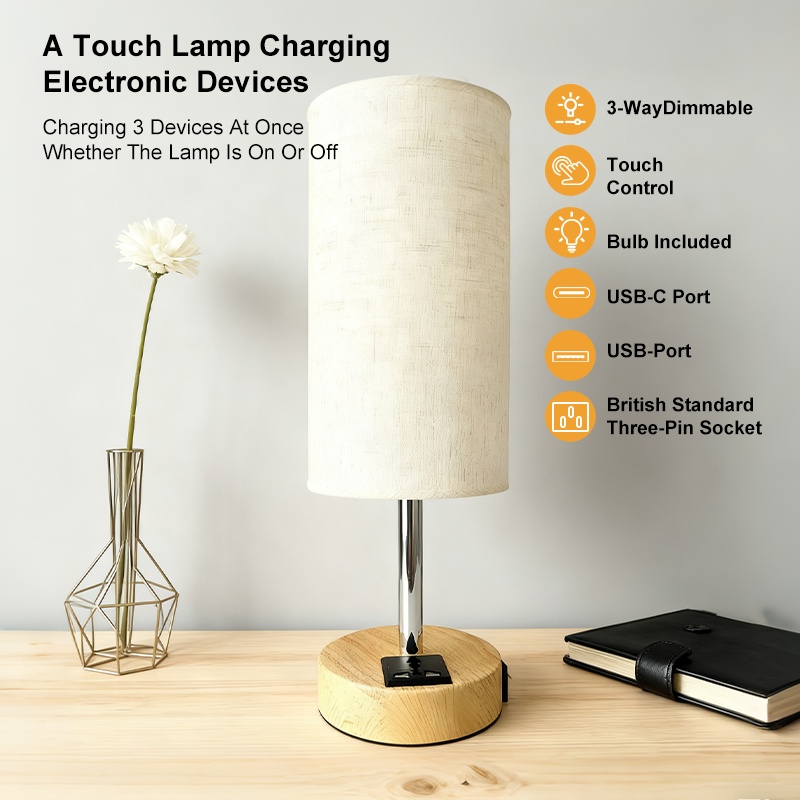
On a landing, a lamp gives softness that a ceiling pendant rarely manages. A dimmable bedside lamp with dual USB charging ports can do the same job on a hall chest if the socket is nearby, though check the plug position; a BS 1363 plug protruding behind a shallow 28 cm console can push the furniture out and steal precious width. Bulbs are often not included, and glossy bases show fingerprints in low winter sun. Still, if the lamp is set low and tucked away from elbows, it makes the journey to the bathroom feel sorted without drilling into old plaster.
Layout 4: The counterargument — keep the sculptural light, but stop asking it to do the night shift
The goal is to keep a decorative pendant or wall sconce where it earns its visual keep, while letting low-level lighting handle movement.
There is a fair case for statement lighting. A warm pendant in a high Victorian hallway can make the cornice, banister and encaustic tiles feel intentional rather than inherited. Wall sconces at 1.55 m above the floor can flatter a narrow corridor in a way a plastic sensor never will. Decorative lighting also matters for resale photographs; estate agents love a glowing hallway almost as much as they love saying “period features”.
But the pendant should not be the only answer. If it is bright enough for finding a dropped contact lens, it is too bright for a 3am loo trip. If it is dim enough for night, it is probably poor for cleaning. Split the job. Put the expressive fitting where guests see it as they take off coats, then place the quiet lighting where feet move. This is the bridge between decorative lighting and practical electrical accessories: one sets the mood, the other changes behaviour.
Layout 5: Guest loo marker light that doesn’t shout from the party
The goal is to help guests find the downstairs loo from a kitchen-diner without turning the corridor into a runway.
Downstairs loos in UK extensions often sit in the least graceful bit of the plan: between utility, garden door and kitchen, with council recycling bags waiting by the kerb outside. A small marker light solves the awkward guest moment. They see the door reveal, not the whole contents of your utility shelf.
The caveat is false triggering. If the cat flap, boiler cupboard or back door sits opposite the sensor, it may flick on all evening. Choose a unit with a short timer and a dusk-only setting. A £16.99 plug-in PIR with a 0.5 W night mode is usually enough, provided the socket is not directly above the basin. If the only socket is in a splash zone, don’t improvise. Use a rechargeable unit fixed away from water, or call an electrician and do it properly.
Common mistakes
The first mistake is mounting sensor lights at eye level. In a 1 m-wide hallway, that turns a useful guide into a glare machine. Keep it below 30 cm for floors or hidden under furniture. The second mistake is buying cool-white strips because they look brighter in the packet; in a bathroom at night, 6000K feels clinical and wakes you up. The third is ignoring door swings. A sensor behind a bathroom door will trigger late, which means you still reach for the main pull cord. The fourth is trusting adhesive on crumbly Victorian plaster or fresh mist coat. If you can use screws, use screws. If you rent, test removable strips on a hidden patch first. Low level motion sensor lighting bathroom hallway UK searches often lead to gadgets, but the layout decides whether the gadget feels clever or cheap.
FAQs
What height should low-level motion sensor lighting be in a hallway?
For a narrow UK hallway, 15 cm to 30 cm above the skirting is the sweet spot. It lights the floor and stair edge without shining into eyes or bedrooms.
Is PIR lighting safe in a bathroom?
Yes, if the fitting is suitable for the bathroom zone and installed correctly. Use IP-rated low-voltage fittings near wet areas, keep plug-in units away from basins and baths, and use an electrician for mains work.
What colour temperature is best for night lighting?
Warm white around 2700K is the safest bet. It gives enough visibility without the harsh, wakeful feel of cool-white LEDs.
Do rechargeable sensor lights need constant charging?
In a busy hallway, many need charging every three to five weeks. In a guest loo or spare landing with lighter use, they can last longer, but battery claims are often optimistic.
Should I replace my pendant with motion sensor lighting?
Usually, no. Keep the pendant or sconce for atmosphere and cleaning light, then add low-level motion lighting for night movement. They solve different problems.
Villalta Home Editorial is the in-house byline used for buying guides and product roundups on villaltaco.uk. Each guide is written by the editorial team, drawing on the catalogue's measurable data — real dimensions, materials, UK use cases, price bands — and on hands-on research into how products actually perform in UK homes. Every post tagged with this byline is reviewed and approved by Juan Antonio Villalta Pacheco, the founder and editor, before it goes live. See our editorial standards for the full process.
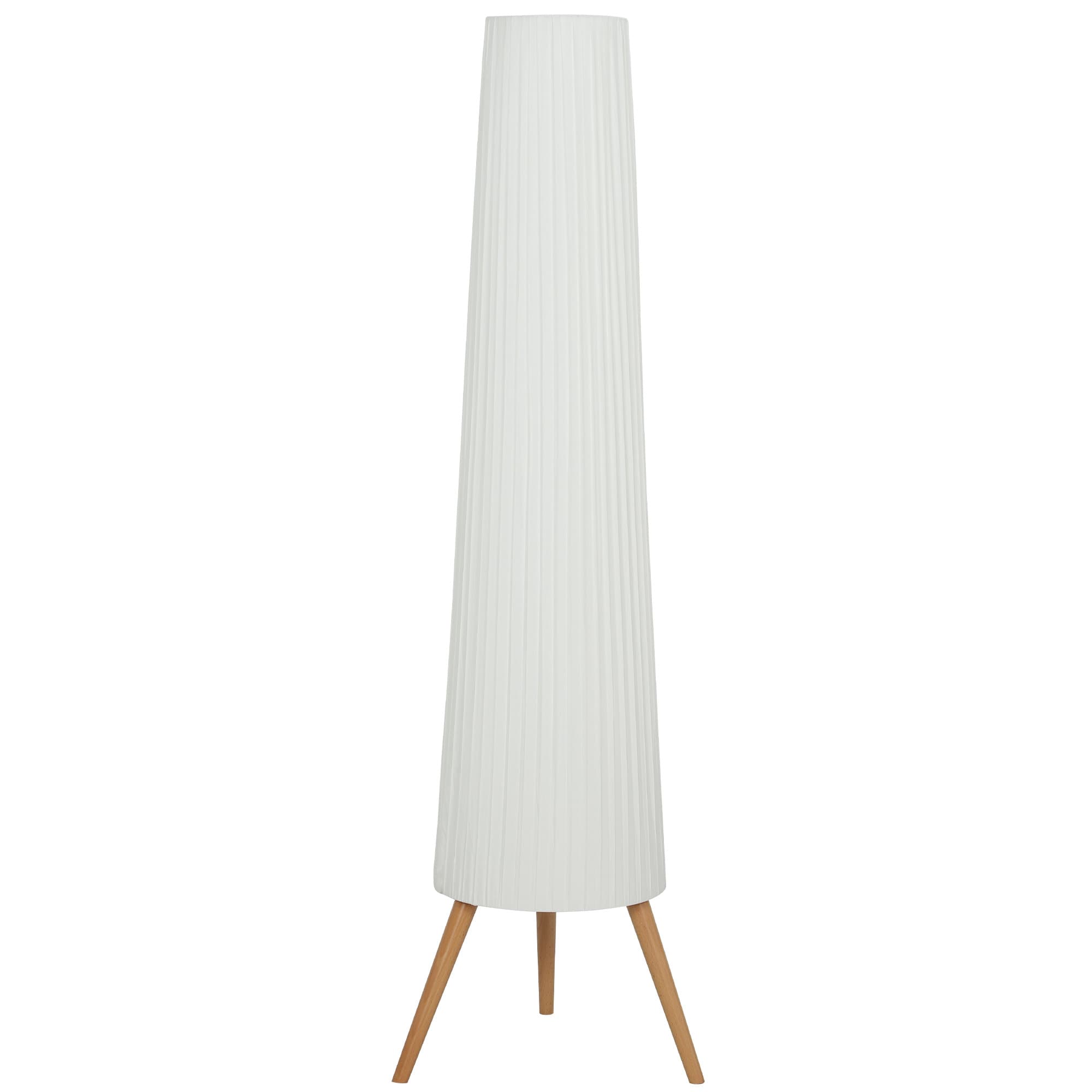
Most UK rental sitting rooms have one sad ceiling pendant and a corner that swallows all the light. Five tripod floor lamps from about £55, across pleated white, bronze nautical, beige linen, black-and-gold and all-black searchlight — picked for the corner they earn, not just the bulb they hold.