In a 3.4 m by 4.1 m Victorian terrace sitting room I visited last month, the nicest corner was also the daftest: a tiny mushroom lamp on a side table, a rechargeable lamp on the mantel, a floor lamp by the armchair and one lonely double socket sulking behind the sofa. By 8:15, before the school run, someone had already kicked the extension lead. So the real question is simple: is the little lamps trend practical in UK homes, or are we just making prettier cable problems?
The short answer
The little-lamp boom is aesthetically right but practically under-planned. My line is this: if a room needs more than two trailing leads or one unfused extension to make the lighting work, the scheme has not been designed; it has been scattered. Small lamps can fix the gloomy central-pendant problem, especially in rented flats, but only if sockets, switching, battery life and cable routes are planned before the lamps arrive.
The longer answer
Why are little lamps suddenly everywhere?
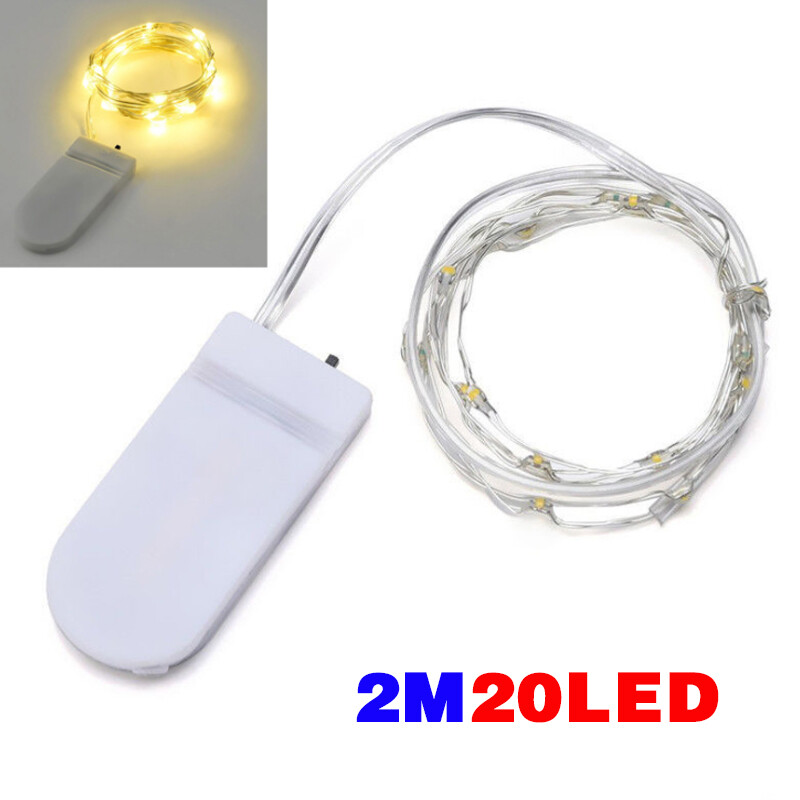
House Beautiful’s 1 May 2026 piece framed little lamps as micro-sized accents turning up on shelves, worktops and bedside ledges, part of a wider taste for scale-play and softer atmosphere. That rings true. One central pendant in a Manchester new-build can make the room feel like a waiting area, while three small pools of light make it feel lived in. The appeal is also low-commitment: a £24.99 mini lamp is less scary than rewiring a ceiling. The snag is that a little lamp still wants power, shade clearance and somewhere for its flex to go. A tiny lamp on a console looks charming until the black cable snakes across pale skirting. Even battery pieces, such as 2 m micro LED copper wire fairy lights, need cells replacing or recharging. The mood is easy; the upkeep is the faff.
How many sockets does a cosy room actually need?
More than most older UK rooms have. A typical lamp with an LED bulb may draw only 4 W to 8 W, so the electrical load is usually modest. The practical issue is access. In a sitting room with a TV, router, speaker, phone charger and two lamps, one double socket is gone before you start styling the alcove. BS 1363 plugs are chunky, and angled furniture can turn a usable point into a crushed one. A 4-gang extension bought for £12.99 is not wicked, but it should be visible enough to inspect, not buried under a rug or jammed behind a radiator. If you want three light sources around a sofa, measure from socket to table: 1.5 m of flex sounds generous until it has to go behind a bookcase, round a skirting board and up to a shelf.
Isn’t lots of small lighting still better than one harsh pendant?
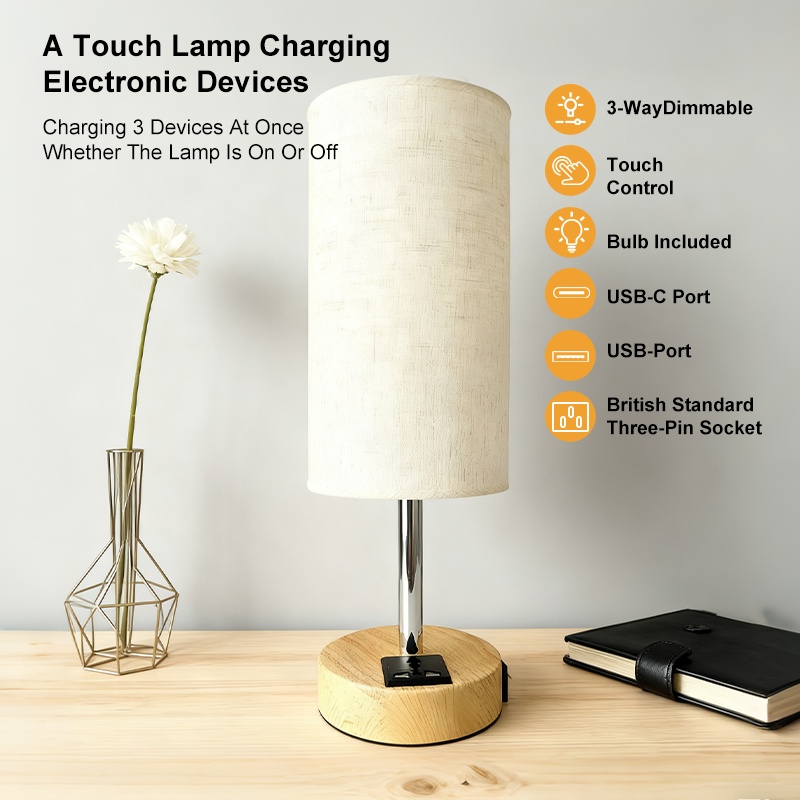
Yes, often. This is the counterargument, and it’s a strong one. Layered lighting is kinder to faces, better for a proper kip in the evening, and much more adaptable than one bulb hanging in the centre of the room. A bedside lamp with built-in USB ports, like a 3-way dimmable bedside lamp with dual USB charging, can reduce charger clutter rather than create it. Floor lamps can rescue rooms where landlords will not allow wall lights. The problem is the marketing fantasy that every surface can glow without consequence. In real homes, cables cross walkways, bulbs are not always included, shades block sockets, and dimmers can flicker with the wrong LEDs. Little lamps are better than one overhead blast only when the boring bits have been sorted.
What changes outdoors?
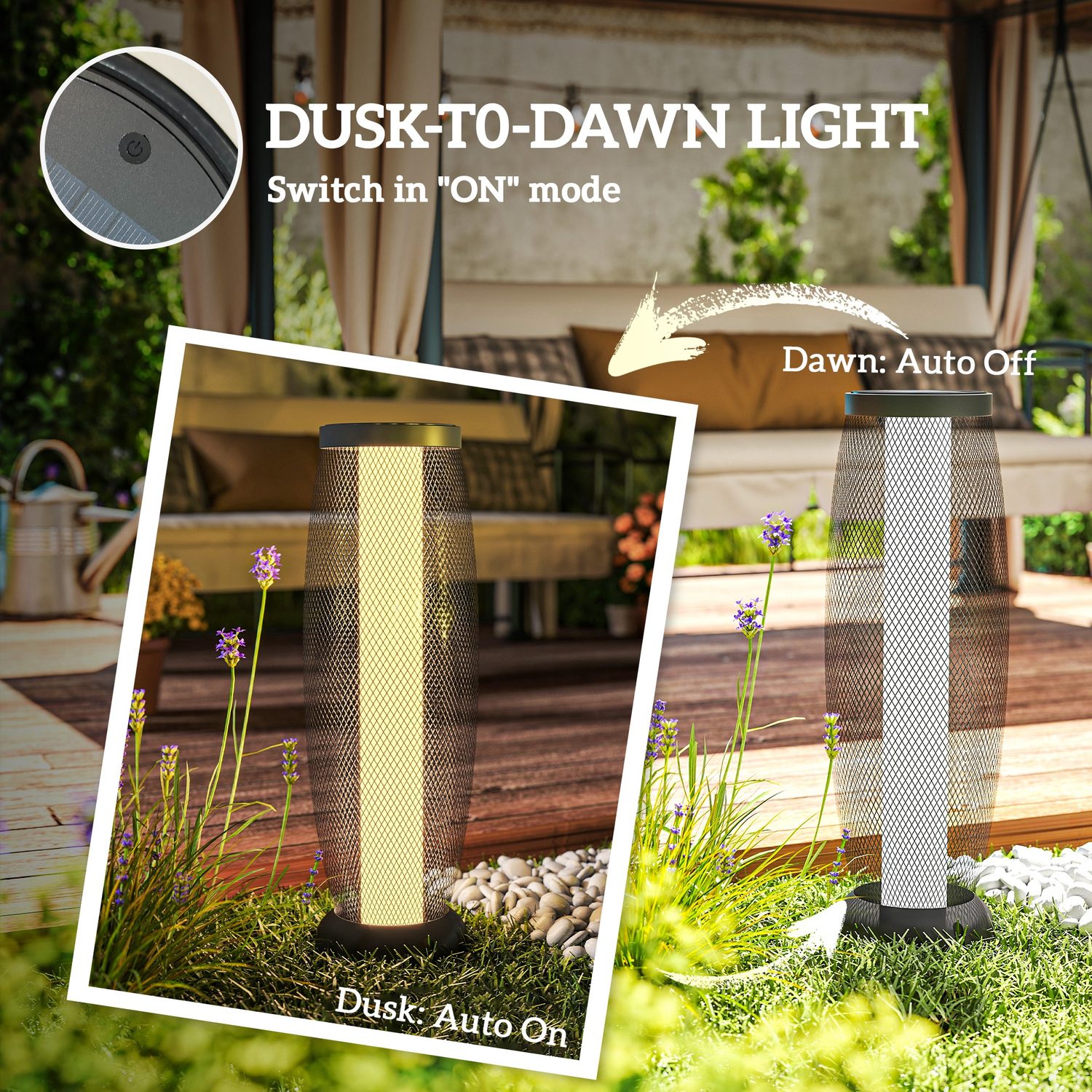
Outdoors, the plug-socket hangover gets less forgiving. Ideal Home’s 29 May 2026 garden lighting coverage called outdoor floor lamps the biggest garden lighting trend of 2026 and said demand had surged. I get it: an outdoor floor lamp makes a patio feel like a room. Yet garden power is not indoor power with a longer lead. You need suitable IP ratings, weatherproof connections, and ideally RCD protection. An IP44 solar garden floor lamp neatly avoids a trailing cable across damp paving, but solar output depends on placement and dull weeks. The DIYUK patio thread from 12 May 2026 was telling: commenters praised the look, then immediately asked about the lighting. The poster described cheap strip lights that needed resoldering and separate 240 V pergola lights in conduit. That is the trend in miniature: lovely effect, then conduit, solder and waterproofing.
Where should cables go before you buy the lamp?
Start with the route, not the shade. Put a bit of masking tape where each lamp would sit, then trace the cable path to the nearest socket. If it crosses a doorway, a rug edge or the narrow gap at the foot of a UK king-size bed, rethink it. In Victorian terraces, sockets often sit on chimney-breast walls while the useful furniture lives in alcoves, so a lamp can be only 60 cm from power and still awkward. Rechargeables help on a mantel or dining table, but check claimed run time against your habits. If it lasts six hours, that’s one long dinner or two winter evenings, then another charger on the worktop. That may be fine. Pretending it’s invisible is the dodgy bit.
Related questions
Are little lamps safe to use with extension leads?
Usually, yes, if the total load is low and the extension is decent. LED lamps draw little power compared with heaters or kettles. The safety problem is physical: daisy-chained extensions, trapped cables, frayed flexes and leads under rugs. Use one good extension where needed, keep it ventilated, and never treat it as a permanent substitute for enough sockets.
Do rechargeable table lamps make the trend more practical?
They help in awkward spots, especially on a mantel, kitchen shelf or dining table where a cable would look messy. They are not magic. You still need a charging routine, and cheaper batteries can fade noticeably after regular use. For a lamp you use every night, mains power is usually less annoying than another item begging for a USB-C cable.
Can renters make layered lighting work without rewiring?
Yes, and renters may benefit most. Use plug-in floor lamps, clip-on lights and low-output table lamps to soften a room without touching the ceiling rose. The savvy move is to choose furniture placement around existing sockets, not after. Removable cable clips can tidy skirting runs, but check your tenancy before sticking anything to fresh paint.
What IP rating should garden lamps have in the UK?
For exposed outdoor use, look for a proper outdoor rating rather than an indoor lamp dragged onto the patio. IP44 is a common minimum for splash resistance, though more exposed spots may need higher protection. Connections matter too: a weatherproof lamp plugged into an indoor extension running through a window is still a poor setup.
How many small lamps does one living room need?
Most average UK living rooms work with three light sources: one general lamp, one reading lamp and one small accent. Five can look lovely in photos but become tiresome if every one has its own switch behind furniture. If you cannot turn the room down without crawling behind the sofa, you’ve overdone it.
Should I replace my ceiling pendant with little lamps?
Keep the pendant unless it is truly awful. It is useful for cleaning, lost earrings and gloomy winter afternoons. The better move is to fit a warm, dimmable bulb overhead, then use little lamps for evening mood. That gives you flexibility without relying on six separate switches just to see the carpet.
The little-lamp trend is not the problem; the pretend simplicity is. A good UK lighting scheme now needs the pretty decisions and the practical ones in the same conversation: where the glow lands, where the cable runs, how the lamp switches on and what happens outside when it rains sideways. If you plan those details first, little lamps are sorted. If you buy them on looks alone, the socket hangover arrives before the cosy evening does.
Villalta Home Editorial is the in-house byline used for buying guides and product roundups on villaltaco.uk. Each guide is written by the editorial team, drawing on the catalogue's measurable data — real dimensions, materials, UK use cases, price bands — and on hands-on research into how products actually perform in UK homes. Every post tagged with this byline is reviewed and approved by Juan Antonio Villalta Pacheco, the founder and editor, before it goes live. See our editorial standards for the full process.
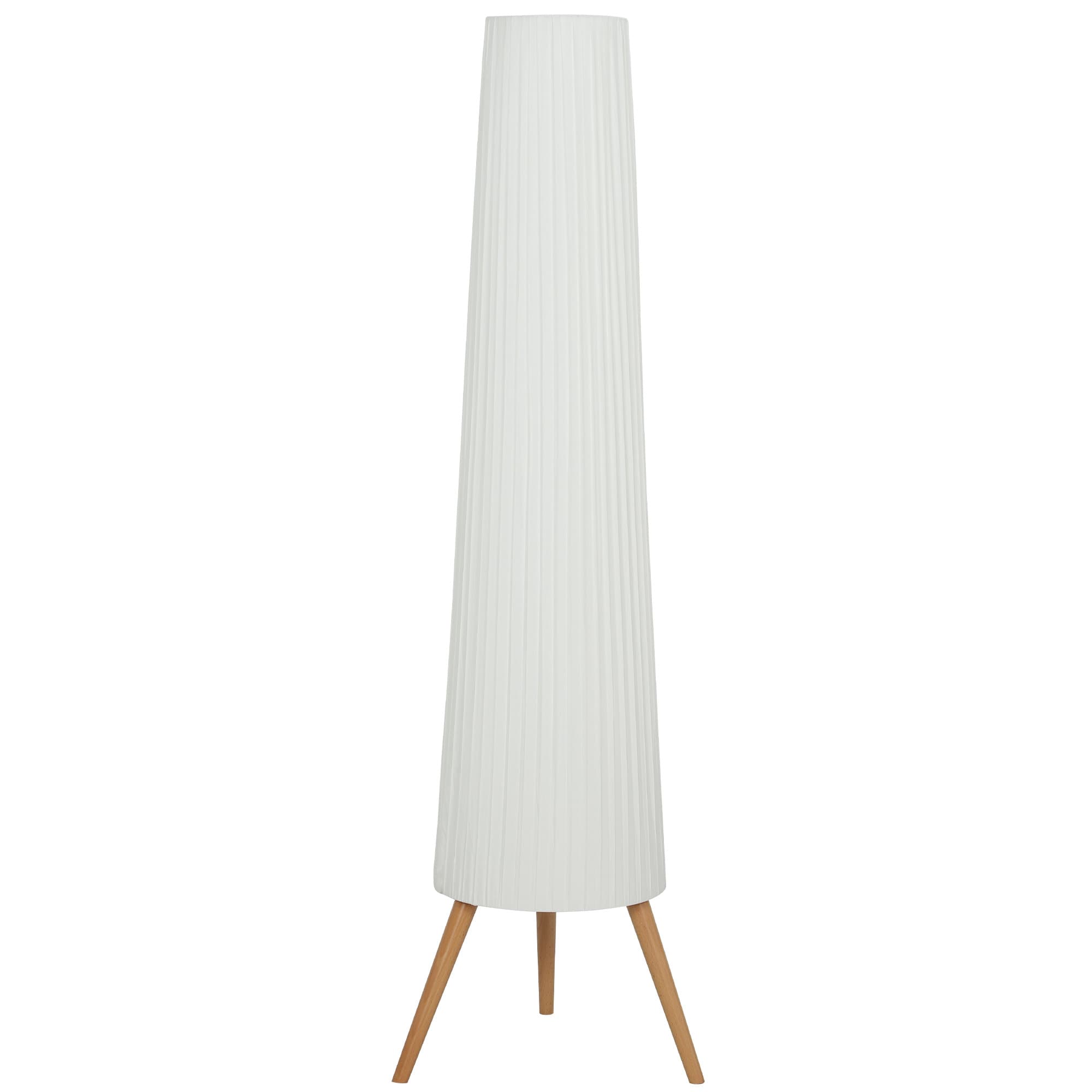
Most UK rental sitting rooms have one sad ceiling pendant and a corner that swallows all the light. Five tripod floor lamps from about £55, across pleated white, bronze nautical, beige linen, black-and-gold and all-black searchlight — picked for the corner they earn, not just the bulb they hold.