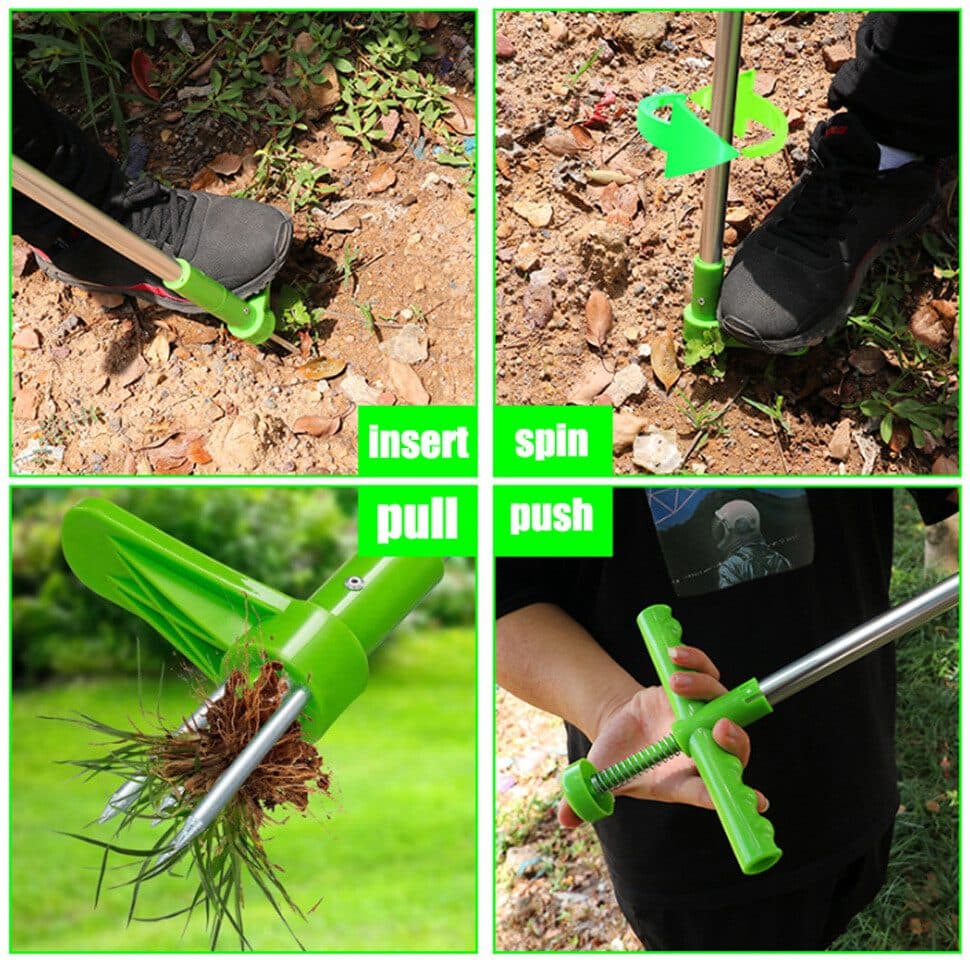
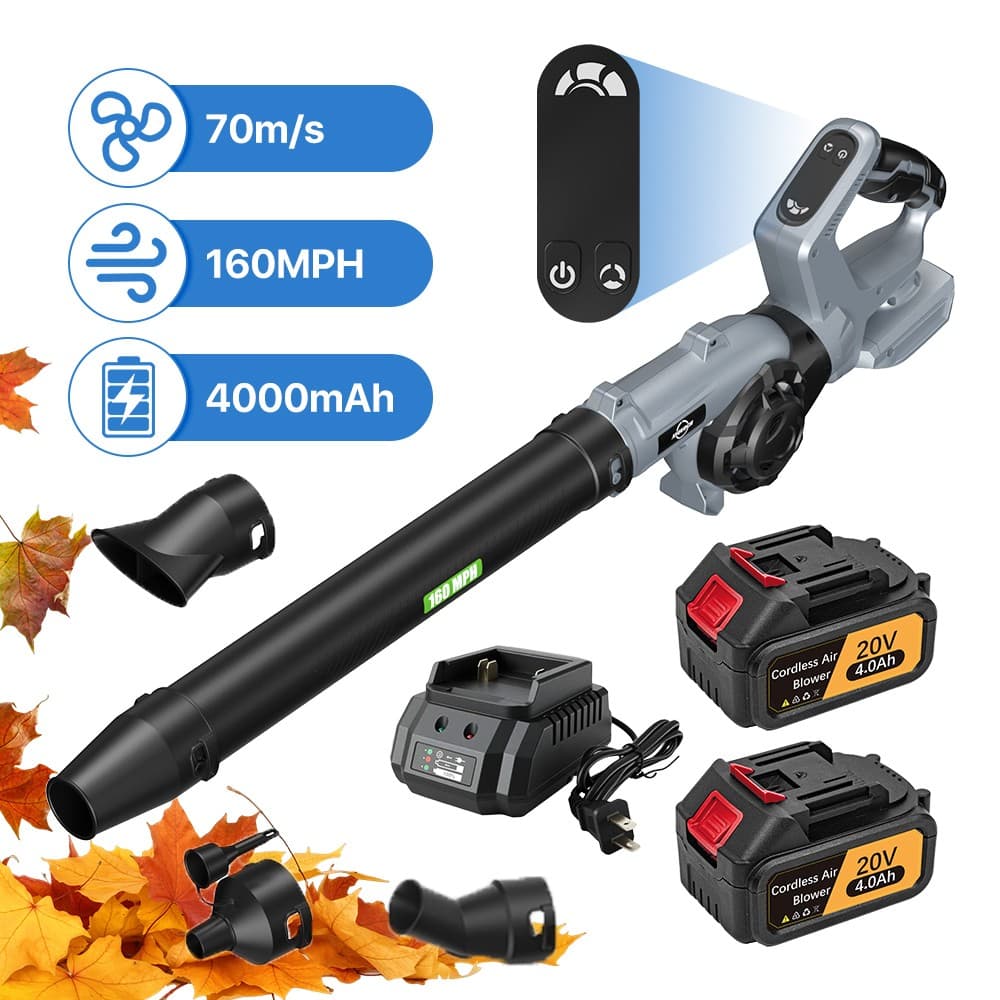
End of June, fortnight off booked, and the back garden looks like it's been somebody else's problem since April. The grass has crept halfway into the bed, there are nettles in the patio cracks, and a buddleia branch is scraping the back of the shed. It's the post-spring lull — the bit between the daffodils dying back and the first BBQ you actually invite people round to. I had two free afternoons last weekend, a budget of about £100, and the goal of making it look like an adult lives here.
These are the five buys that earned their place in the trolley. Each is under £35, three are under £20, and not one needs power, charging or an extension lead through the kitchen window. The list assumes a typical UK back garden — small lawn, a couple of beds, a patio, possibly one knackered tree over the fence. Bigger plot or real landscaping, you'll want more than this.
How I picked them
Three rules. The job had to be one I'd actually do on a Saturday morning rather than book a man with a van for — tidy, not transform. The tool had to work without electricity or a battery I'd forgotten to charge; late-June garden jobs are decided by whether you can be bothered after lunch. And anything under £15 had to earn its hook in the shed rather than gather cobwebs after one use. Petrol strimmers, anything that needs PPE, weedkillers, weekend-gardener subscription boxes — all left out. Not bad, just not in a £35-or-less list.
1. The standing weed puller — for the dandelions in the lawn
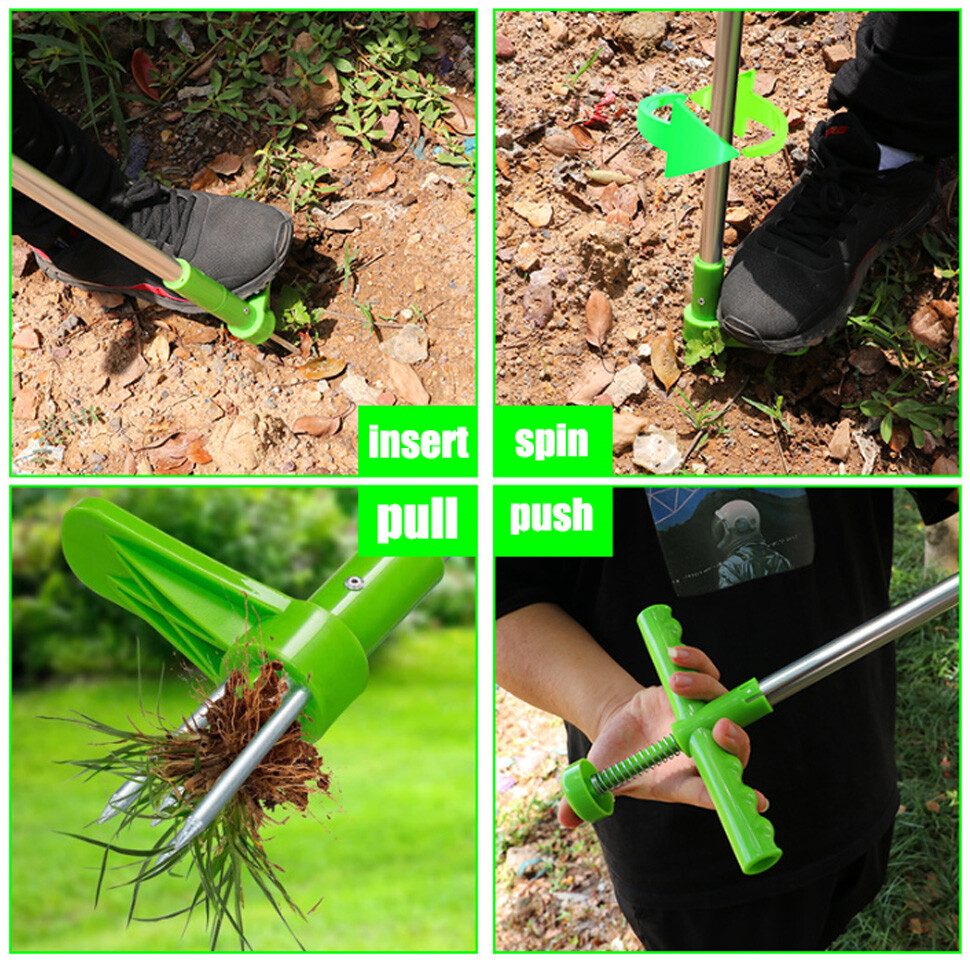
The thing about lawn weeds is that bending to pull them is the bit that breaks you. After ten dandelions you've decided the patio will do for one more summer and the kettle's on. This standing weed puller does the job without kneeling: long aluminium shaft, claw head, twist and pull. The claw genuinely grips a dandelion crown rather than slipping off the leaves, and the aim is the taproot — the bit that grows back if you snap it. Works best on moist British soil.
It struggles on bone-dry compacted lawns and on weeds in cracks — the claw needs purchase, and brick gives it none. If yours has gone to dust under the heatwave, watering can the night before. At around £11, it's not a tool you'll regret if you use it twice a season.
2. The black edging strip — for the bed that's eating the lawn
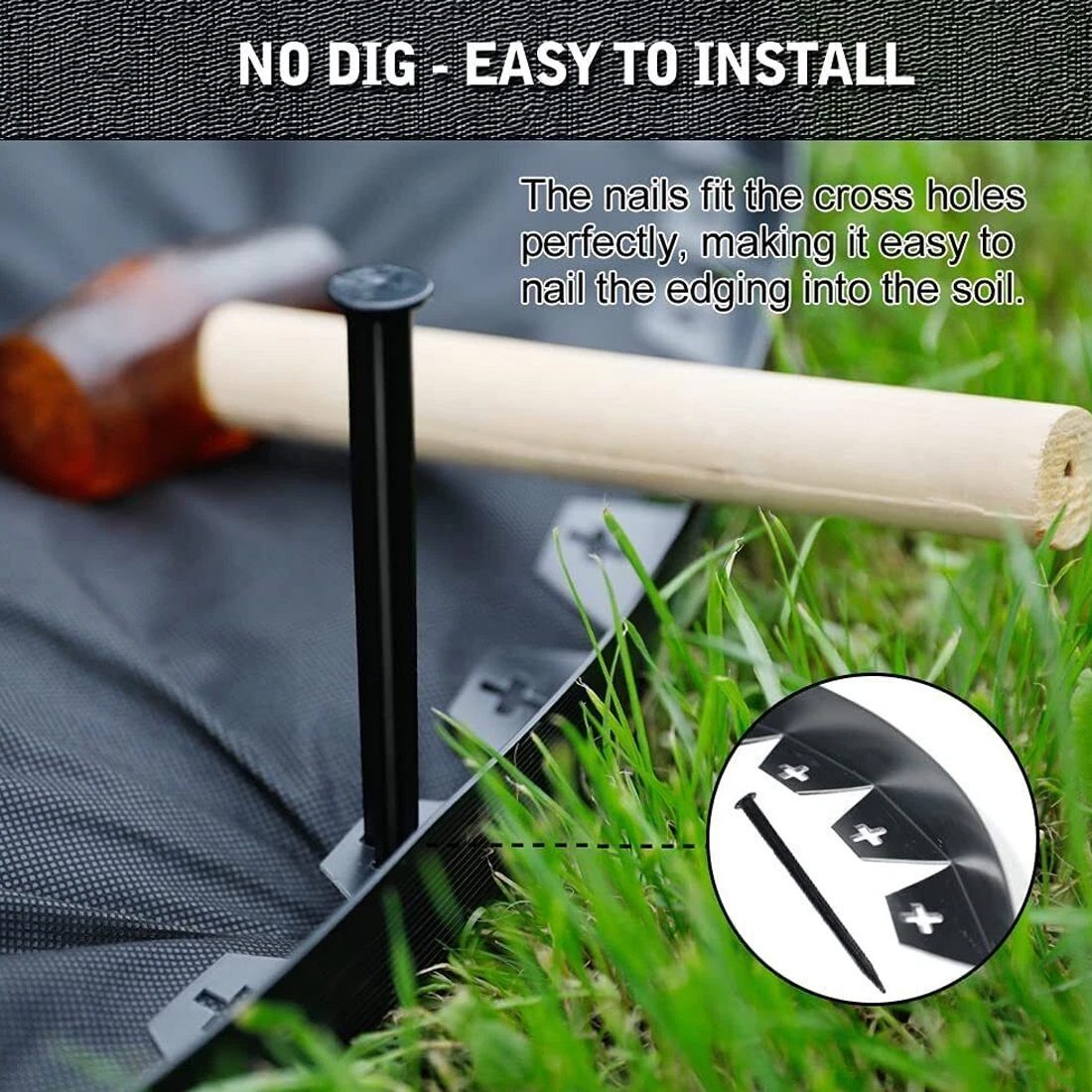
One thing separates a tidy back garden from a knackered one: a clean line between lawn and bed. Soft frilled edges look romantic in the magazines and like neglect in a real Victorian terrace with patchy moss and ragged grass. This 10 m strip of flexible PE plastic, with 30 plastic pegs in the box, lets you cut a curve along the bed and lock it in. The 5 cm profile stops creeping grass roots getting under in one weekend, and disappears once you've mulched.
The compromise is that it's plastic, and plastic in a hot bed is plastic — it claims 50 °C and probably means it, but I'd give it shade where you can. Not winning beauty contests against a proper brick edge either. For a £19 weekend job that lasts two or three seasons and doesn't need drilling, it's hard to argue with. Best for rentals, first homes, anyone who'll move before the next bed-edging round comes round.
3. The clear weed control membrane — for under the bark

This is the unsung hero of any tidy-up that needs to last past August. Pull a thistle in June and it brings three friends in July; you're either redoing the job or accepting a wild meadow look you didn't ask for. A 2 m by 25 m roll goes down over the bed, you cut crosses for plants you want to keep, and you top it with bark, gravel or shingle. The membrane lets water and air through but blocks most of what germinates underneath. Two months in, the difference is between a bed that looks deliberate and one that looks abandoned.
Clear membrane lets a bit of light through, so persistent bindweed and bramble can push past — for serious cases pay for a heavier woven type. Cutting crosses for established shrubs also takes patience. At under £24 for 50 m², the maths works. Best for paths, gravel areas, anywhere you'll top with bark and want it still right at the school run in October.
4. The stiff broom head — for the patio after
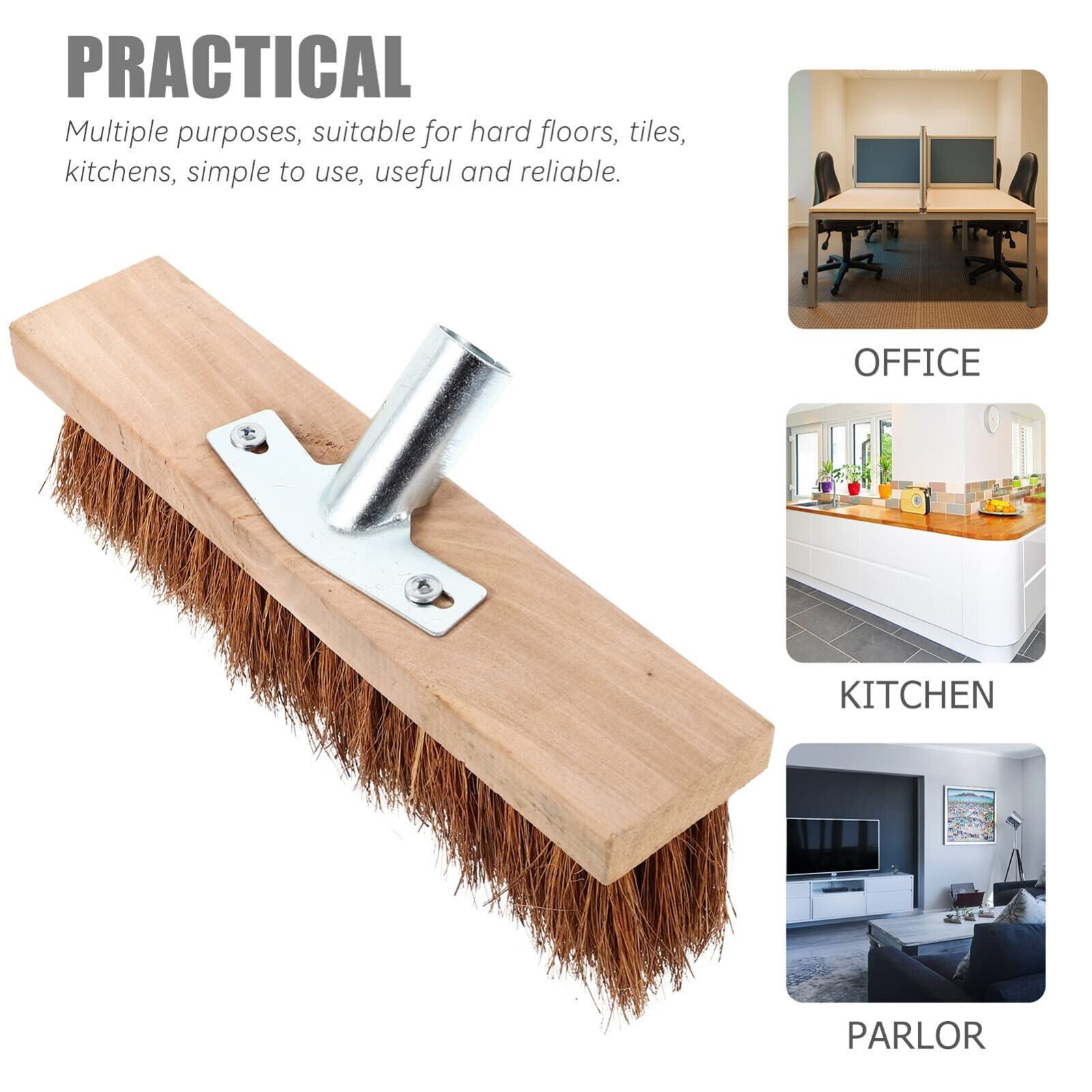
After you've pulled the weeds, edged the bed and laid the membrane, your patio looks like the inside of a garden-centre van. This is the cheapest pick on the list, and the one I'd replace every couple of years without grumbling. A 12-inch head with proper stiff natural bristles, sized to bolt onto the broom handle leaning behind the shed. Concrete, slabs, decking, the bit between the back door and the bins — it gets all of it, and the bristles are stiff enough to clear moss between slabs without chemicals.
This is a head, not a full broom — no handle in the box, so if you binned your last one in spring that's a separate trip. Natural bristles also wear faster than synthetic, so expect a season or two before the ends splay. For around £11, I'd buy it again. Best for anyone with a patio slowly losing the war against moss and a willing handle already on site.
5. The manual extendable pole saw — for the branch you've been ignoring
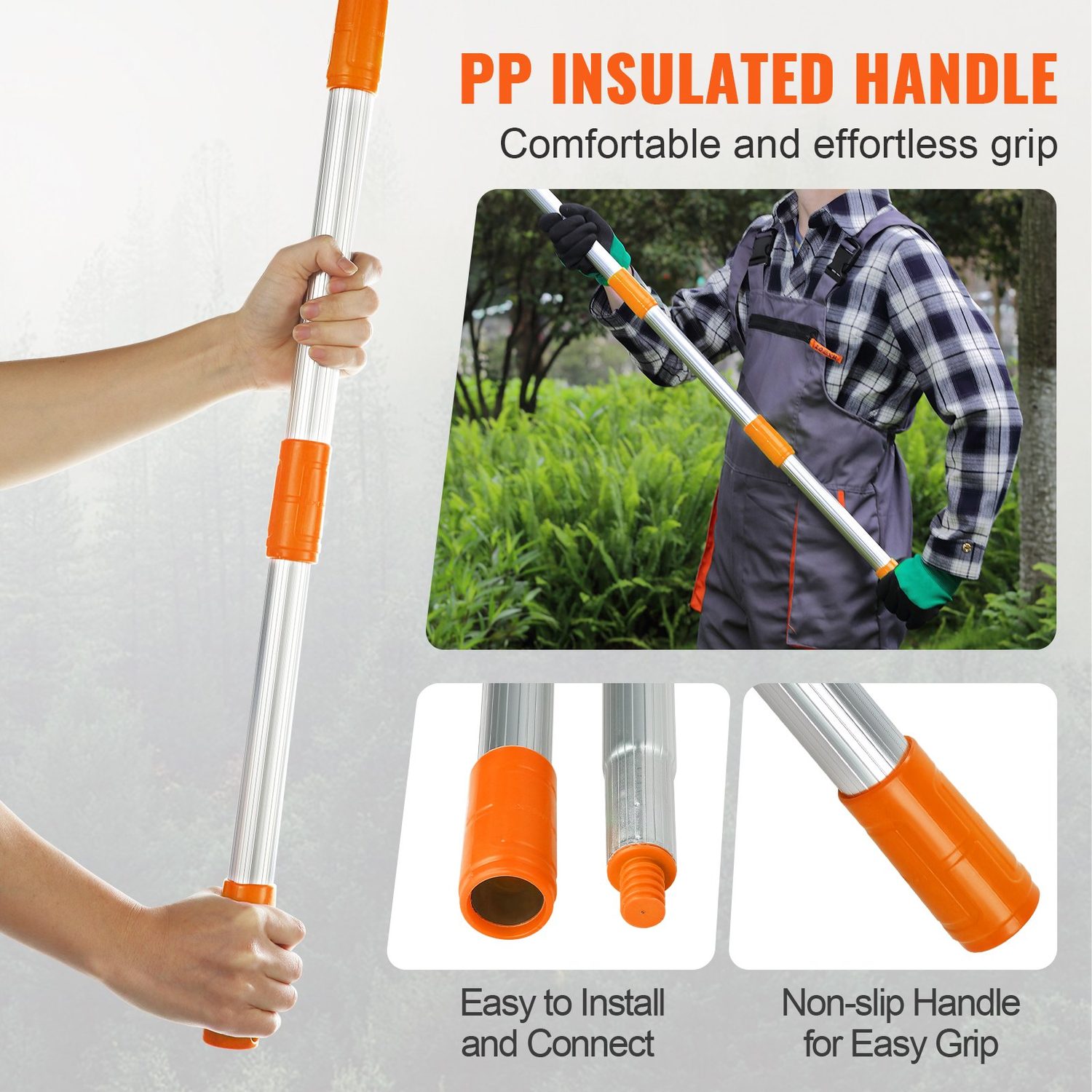
Every UK back garden has a branch nobody wants to deal with — over the path, over the fence, over the neighbour's shed roof. Hiring an arborist for one branch feels mad. Borrowing a petrol chainsaw off your dad's mate feels like a bad day off waiting to happen. A manual extendable pole saw is the middle path: aluminium sections that lock together, a curved steel blade with aggressive teeth, the only power source you. Stand on the ground, extend, saw. Slow, mildly annoying, genuinely safe — branch on the floor and nobody in A&E.
The limit is reach and diameter. The blade copes with small branches well, but anything more than three or four inches across is a chore — ten minutes of sawing on one cut. At full extension the pole also flexes more than you'd like at the tip, so precision suffers. For one branch in late June before the leaves get heavier, it's about £30 well spent, and lives behind the shed door for years between uses. Best for small back gardens with one or two overgrown shrubs or a low tree.
What to actually plan for
Order matters. Edge first, then weed, then membrane — not the other way round. If you membrane before you edge, the strip can't go in later without lifting the bark. Water the lawn the night before for the weed puller. Sweep the patio last, not first, because everything else dumps soil onto the path. Bin bags out the day before, not on the day, unless you fancy them sat full in the sun until Wednesday.
Two things to avoid: cheap aluminium tools with riveted joints (they fail at the weld within a season) and any membrane sold as "biodegradable" you plan to top with bark. The bark stays, the membrane goes, you're back where you started by next May.
If you only buy one
The edging strip is the single change with the biggest visual payoff per pound. A Saturday afternoon, less than the cost of a couple of pints, and the rest of the garden looks sorted on purpose. If your beds are already half-decent and the patio is what's letting you down, swap that for the broom head and a £4 handle. Either route, you've spent under £25 and finished before tea.
By the Villalta Home Editorial team, June 2026. Edited by Juan Antonio Villalta Pacheco.