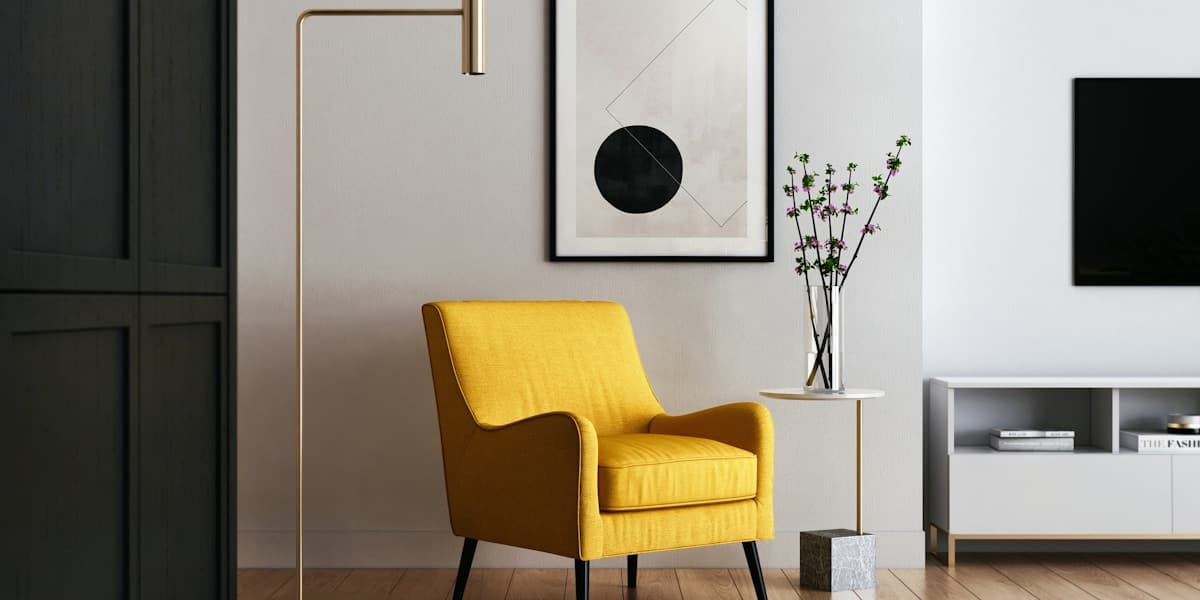
The first sofa I saw properly ruined by a pet was in a rented flat in Lewisham, up two flights of narrow stairs, where a spaniel had polished one arm to a greasy shine and a cat had treated the front panel like a scratching post. The sofa was only 18 months old. It had looked sensible in the showroom: mid-grey, slightly nubby, “family friendly”. In real life, the weave caught every claw, the cushion covers shrank by about 2 cm after a cautious wash, and the landlord’s magnolia walls made the whole thing look sadder than it was.
This guide is about choosing upholstery fabric for UK homes with dogs, cats, muddy paws, shedding, the occasional accident and owners who don’t want to spend Saturday morning blotting a cushion with kitchen roll. The thesis is blunt: for most pet-owning UK households, a tight performance weave or quality microfibre beats ordinary linen-look fabric and cheap corrected leather, even if leather still wins for some dogs and some rooms. You can disagree with that. Good. Fabric choice depends on the animal, the room, the cleaning routine and how much visible wear you can live with.
This is not a guide for commercial kennels, outdoor garden sofas, antique upholstery or show-home rooms pets never enter. It assumes a real British living room: a two-bed flat, a Victorian terrace, a 1930s semi, a Manchester new-build with one big open-plan space, or a rental where replacing a three-seater is a proper faff.
Why this matters in UK homes specifically
UK sofas have to work harder than the glossy upholstery samples suggest. Many living rooms are small, which means the pet sofa is also the TV sofa, the guest sofa and the place where the dog lands after the school run. A 190 cm sofa may be wedged between a radiator and an inward-opening door; once it’s in, you won’t casually swap it out because the fabric was a mistake.
There are practical limits, too. Victorian conversion front doors can be under 76 cm wide, and narrow stairs make returning bulky furniture miserable. Council bulky-waste collections often need booking, with rules about what can be left at the kerb. Removable covers sound easy until you’re line-drying them in February with no utility room. Even plug positions matter if your pet bed, lamp and robot vacuum are fighting over the same BS 1363 double socket beside the sofa. Upholstery fabric is not a decorative afterthought here; it decides whether the biggest object in the room copes with daily life.
Performance weave: the safest middle ground
Performance weave is the phrase retailers use for tightly woven synthetic or blended upholstery designed to resist stains and abrasion. It may be polyester, acrylic, nylon, olefin or a mix. The important bit is not the word “performance” on the swing tag; it is how tight the weave is, how the yarn behaves under claws, and whether the finish survives cleaning.
A decent performance weave feels less precious than linen and less sticky than vinyl. It tends to hide hair better than flat cotton, especially in mid-tones: charcoal, olive, oatmeal and warm grey are more forgiving than black or cream. Look for a Martindale rub count of at least 40,000 for a main family sofa, and 60,000 plus if you have a large dog that launches itself onto the cushions. Upholstery weight around 300-500 g/m² is a useful sign, though not a guarantee. Prices for reupholstery fabric commonly sit between £22.00 and £65.00 per metre, with higher-end stain-resistant cloths pushing past £90.00.
Check the weave with your fingernail; if you can lift a loop easily, a cat probably can too.
Ask for a sample at least 10 x 10 cm, then rub it with a damp white cloth and let pet hair sit on it overnight.
Choose heathered or flecked colours if your pet sheds pale and dark hair across the same week.
Confirm the cleaning code before buying; “spot clean only” is not the same as washable.
The common mistake is assuming any stain-resistant fabric is claw-resistant. A loose bouclé marketed as durable may repel tea but still snag within days. If you have a scratchy cat, texture is the enemy unless the weave is very tight.
[CLUSTER_SATELLITES]
Microfibre: brilliant for mess, less lovely for everyone
Microfibre is usually made from very fine polyester or nylon fibres, creating a dense surface that liquids struggle to penetrate quickly. For pets, that density is useful. Mud wipes off more easily than it does from cotton. Short hair can often be lifted with a rubber glove. The surface has fewer obvious threads for claws to catch, which is why microfibre has earned its reputation as one of the best pet friendly sofa fabric UK options for practical households.
The trade-off is feel and appearance. Some microfibre has a peachy nap that shows hand marks, paw prints and cushion shading in certain light. In a south-facing room, it can look patchy by 3pm even when it is clean. Cheaper versions can also go shiny on the front edge of the seat, especially where jeans, dog claws and daily use meet. That does not make it a bad choice; it means you need to like its lived-in look.
Look for dense, short-pile microfibre rather than plush suede-effect cloth if claws are the main issue.
Budget roughly £18.00-£45.00 per metre for upholstery-grade microfibre, more for treated versions.
Test water beading, but also test greasy marks; pet oils are often harder to shift than rainwater.
Prefer removable seat covers if your dog sleeps in one spot every day, but measure for shrinkage risk.
The common mistake is buying very pale microfibre because it cleans well in a demonstration video. It may clean, yes, but it will show every damp paw print until it dries. In a hallway-adjacent sitting room, that gets old quickly.
[CLUSTER_SATELLITES]
Leather: the counterargument, and where it still wins
Leather deserves a fair defence. For many dog owners, especially those with short-haired breeds, leather is the easiest sofa surface to live with. Hair does not weave itself into the fibres. Spills sit on top for long enough to wipe. A muddy paw print on pigmented leather is usually less alarming than the same print on pale fabric. If your pet is a calm Labrador rather than a climbing kitten, leather can be wonderfully low-faff.
The problem is the type of leather. Cheap corrected-grain leather, bonded leather and leather-look coatings often age badly under pets. They can peel, crack or show pale scratch lines. Aniline leather looks beautiful but drinks in oils and stains; it belongs in a home where pets are decorative, which most pets refuse to be. Pigmented or protected leather is the sensible option, ideally with a thickness around 1.2-1.4 mm and a finish that does not feel plasticky.
Choose protected leather if wipe-clean care matters more than natural patina.
Expect real upholstery leather to cost from about £45.00-£120.00 per square metre for material alone.
Keep claws trimmed; leather resists hair, not sharp pressure from a 28 kg dog jumping off the arm.
Avoid bonded leather for pet sofas, as the surface layer is often the weak point.
The counterargument is simple: leather is cleaner. Often, it is. But cleaner is not the same as more durable in every pet home. A cat can scar leather in one committed stretch, and those marks are visible because the surface is flat. If scratches will annoy you, performance weave is safer.
[CLUSTER_SATELLITES]
Velvet, chenille and bouclé: tempting, but read the room
Velvet has a strange reputation in pet homes. Some short-pile synthetic velvets are surprisingly good because the pile is dense and there are no open loops. Cat hair sits on the surface, and a lint brush can sort it. Performance velvet, especially polyester velvet with a high rub count, can be a decent choice for owners who want colour and softness without surrendering to beige practicality.
Chenille and bouclé are more complicated. Chenille can be durable, but its raised yarns may flatten or catch. Bouclé is the one I’d treat with suspicion around cats. It is tactile, fashionable and lovely under a hand, yet the looped texture can look like an invitation to scratch. In a pet-free reading nook, fine. On the main sofa in a one-bedroom flat with a bored indoor cat, dodgy.
Pick short-pile velvet with a rub count above 40,000 if the sofa is used daily.
Use a pet hair tool on the sample before buying; velvet can hold fine undercoat more than expected.
Check pile direction across modular pieces, because mismatched nap looks like a colour fault.
Be wary of chunky loops over 3 mm high if claws are part of the household.
The common mistake is confusing softness with comfort over time. A bouclé sofa may feel gorgeous for 20 seconds in a showroom and still look battered after one winter of cats, throws and central heating.
[CLUSTER_SATELLITES]
Cleanability: the label matters less than the routine
Pet-friendly fabric is only as good as the cleaning you can realistically do. A removable cover is not automatically better if it needs a 30°C delicate wash, cannot be tumble dried and takes 36 hours to dry over radiators. In many UK homes, especially flats without outdoor space, “washable” can mean cushions leaning against every chair in the kitchen while everyone has nowhere to sit.
Look for clear care instructions and test them before a crisis. Water-cleanable fabrics are useful for muddy paws. Solvent-clean-only fabrics are a nuisance unless you are disciplined and willing to pay for professional cleaning. Some stain-resistant finishes lose effectiveness after repeated washing or harsh sprays, so the best plan is boring: vacuum weekly, blot quickly, use washable throws in high-risk spots, and keep a proper upholstery brush near the sofa rather than buried under the sink.
Choose cushion covers with zips at least 35-45 cm long so removal is not a wrestling match.
Use a vacuum with an upholstery tool; suction matters more than fancy scent sprays.
Check if replacement covers are available, especially for modular sofas over £1,000.00.
Keep enzyme cleaner for accidents, but patch-test because some formulas lighten fabric.
The common mistake is treating stain protection like armour. It buys you time. It does not mean red wine, wet dog and cat sick can sit there until morning.
[CLUSTER_SATELLITES]
Colour and pattern: the unglamorous part that saves you
Colour does half the work in a pet home. The best fabric can still annoy you if it contrasts sharply with your animal. A black sofa with a cream cockapoo is not brave; it is a daily grooming report. A cream sofa with a black cat is much the same. Mid-tones are the savvy compromise, especially with flecking or a small broken weave that disguises hair and minor marks.
Pattern helps, but scale matters. A tiny herringbone or tweed effect hides more than a large printed motif, which can look messy once cushions shift. If your living room is already busy — toys, drying rack, school bags, the lot — a calm textured plain is often better than a loud pattern. In a spare, modern room, a subtle check or weave can stop pet wear becoming the only visible detail.
Match fabric depth to pet hair: warm taupe for golden dogs, charcoal-brown mixes for darker coats.
Avoid brilliant white unless the pet is banned from the room and everyone believes this fiction.
Use throws where the animal actually sleeps; a 130 x 170 cm washable throw is easier than cleaning a full chaise.
Order samples and view them at 9am and 8pm, because UK winter light changes everything.
The common mistake is buying for the room you wish you had. Buy for the room you have at 8:15 on a wet Tuesday, when the dog has brushed against the kerb and the cat has claimed the clean laundry.
[CLUSTER_SATELLITES]
How to choose for your situation
Tight London flat
Choose a tight performance weave or dense microfibre in a mid-tone, and prioritise removable seat covers only if you have space to dry them. In a small rented flat, the sofa is too dominant to risk pale loose linen or high-loop bouclé. Measure the full delivery route as well as the sofa: front door, stair turn, hallway width and lift depth. If the sofa cannot leave easily, the fabric needs to be boringly robust.
Victorian terrace with awkward rooms
Go for protected leather if you have dogs and like patina, or a high-rub performance weave if cats are involved. Victorian terraces often have alcoves, fireplaces and radiators forcing the sofa into one hardworking position, so rotate cushions if you can and avoid fabrics that fade heavily in a bay window. A 150 x 200 cm UK king-size mattress is already a squeeze upstairs in many of these houses; do not assume a bulky sofa will be easy to replace.
Modern new-build with the opposite problem
In a larger open-plan new-build, you can use colour and texture more freely, but pets still create wear paths. Pick performance velvet or textured weave if the sofa floats in the room and needs to look softer. Avoid very flat black leather in bright open spaces, as scratches and dust show under downlights. If the pet has a favourite corner, plan a washable throw from day one rather than adding one after the fabric has already gone shiny.
FAQs
What is the best pet friendly sofa fabric in the UK?
For most homes, the safest choice is a tight performance weave or dense microfibre with a rub count of at least 40,000. Leather can be excellent for dogs, but it is more vulnerable to visible claw scratches, especially from cats.
Is leather or fabric better for a dog sofa?
Leather is easier for wiping hair, drool and muddy marks, but protected leather is the only sensible version for most dog homes. If your dog jumps, digs or has sharp claws, a performance weave may hide wear better.
What sofa fabric should I avoid with cats?
Avoid loose weaves, chunky bouclé, open linen textures and anything with obvious loops. Cats can hook claws into these surfaces quickly. Short-pile velvet or a very tight weave is usually safer.
Does microfibre hold dog smell?
It can if it is rarely cleaned, but it usually copes well with regular vacuuming and quick spot cleaning. The cushion filling often holds more odour than the face fabric, so check whether covers are removable and whether the sofa has good ventilation around it.
Are washable sofa covers worth it for pets?
They are worth it if you have drying space and the covers keep their shape. In a small UK flat, large covers can take a long time to dry, and some shrink or twist. Always wash a sample or spare cover first if possible.
What colour sofa is best if I have pets?
Mid-tones with flecking are most forgiving. Warm grey, taupe, olive, brown-grey and textured oatmeal hide more than black, navy or cream. Match the fabric loosely to your pet’s hair rather than to an idealised mood board.
Can stain-resistant fabric stop pet accidents ruining a sofa?
It helps, but it does not make the sofa accident-proof. Blot immediately, use an enzyme cleaner if suitable for the fabric, and patch-test first. Stain resistance is a delay, not a force field.
What to do next
Before ordering a sofa or booking reupholstery, get samples and abuse them a little. Rub them with a damp cloth, press in pet hair, drag a fingernail across the weave and leave them on the floor where your pet can investigate. Measure your sofa space, the delivery route, and the cushion covers if washing matters. Write down your pet’s worst habit — scratching, shedding, drooling, muddy paws, accidents — then choose for that, not for the nicest showroom swatch. If you are rethinking the wider room as well as the sofa, browse the relevant home decor ideas after the fabric decision is sorted; the upholstery is the bit that has to survive daily contact.
Villalta Home Editorial is the in-house byline used for buying guides and product roundups on villaltaco.uk. Each guide is written by the editorial team, drawing on the catalogue's measurable data — real dimensions, materials, UK use cases, price bands — and on hands-on research into how products actually perform in UK homes. Every post tagged with this byline is reviewed and approved by Juan Antonio Villalta Pacheco, the founder and editor, before it goes live. See our editorial standards for the full process.