
The toothbrush shelf in my brother’s 64 cm-wide downstairs loo in a Leeds Victorian terrace has become a tiny tech graveyard: one charging puck, two brush heads, a travel case nobody uses, and a black ring of mould where the head meets the handle. He asked the real question over the sink: are AI electric toothbrushes worth it in the UK, or are we being sold bathroom confidence while NHS dentistry becomes harder to get? The honest answer sits somewhere between useful coaching and expensive displacement.
The short answer
AI electric toothbrushes are worth it only if the feedback changes how you brush every day. They can help with pressure, timing and missed zones, especially for people who rush. They are not worth it if you’re expecting £300 to £419.99 of sensors to replace an NHS check-up, a hygienist appointment or consistent cleaning between teeth. That is the line. Smart brushing can improve a routine; it cannot widen dental access.
The longer answer
What does an AI toothbrush actually do better than a decent electric brush?
The useful bit is behavioural. A standard oscillating or sonic electric toothbrush can already clean very well if you use it properly for two minutes, twice a day, with the bristles angled towards the gum line. AI models add coaching: a phone map showing which areas you’ve missed, pressure warnings, time tracking and, in some newer versions, camera-assisted positioning. That can be genuinely helpful if you always blitz the front teeth and neglect the inside lower molars. It’s less glamorous than the adverts suggest, but it does deal with a real household failing: people overestimate how thoroughly they brush. If the app makes you slow down at 11.18 pm instead of doing a 38-second panic scrub, it has done something useful.
Why can’t the technology make up for missed dental care?
Because brushing is only one part of oral health. The Guardian reported on 22 September 2026 that one of the new smart toothbrushes cost £419.99, while 60% of adults in England had not seen an NHS dentist in the two years to March 2026. That contrast matters. A toothbrush cannot diagnose decay under an old filling, check gum pocket depth, take X-rays, remove calculus or spot an early lesion on soft tissue. The app may congratulate you for a seven-day streak while a problem quietly develops where you cannot see it. That’s the uncomfortable bit of the premium-tech promise: it gives you a feeling of being sorted, but it does not provide clinical access.
Is the counterargument fair: could a pricey brush still save money later?
Yes, and it deserves a proper answer. If a £300-plus brush makes a reluctant brusher consistent for years, reduces heavy-handed scrubbing and helps them clean the gum line, the cost may feel rational. Marie Claire UK asked on 10 October 2026 whether a £300-plus electric toothbrush is really better than a £30 one, and that is exactly the useful comparison. The expensive model does not have to be clinically magical to be worthwhile; it only has to change the person using it. For a teenager in braces, someone with dexterity issues, or a data-minded adult who responds to streaks, the coaching may be the nudge. For a careful brusher already using a pressure sensor and interdental brushes, the upgrade may be mostly theatre.
What should UK buyers check before paying over £300?
Start with the boring costs. Replacement heads can be £4 to £9 each depending on the system, and a household of four can chew through them quickly if everyone swaps every three months. Reddit’s r/AskUK thread on 7 October 2026 captured the everyday gripes well: mould under brush heads, the cost of replacements, budget models that do enough, and scepticism about whether outcomes justify upgrading. Also check whether the charger is a two-pin bathroom plug, whether you need a shaver socket or adaptor, and whether the app becomes a faff after week three. In a rented flat with one socket nowhere near the basin, a clever brush that lives uncharged in a drawer is poor value.
Where does interdental cleaning fit into this?
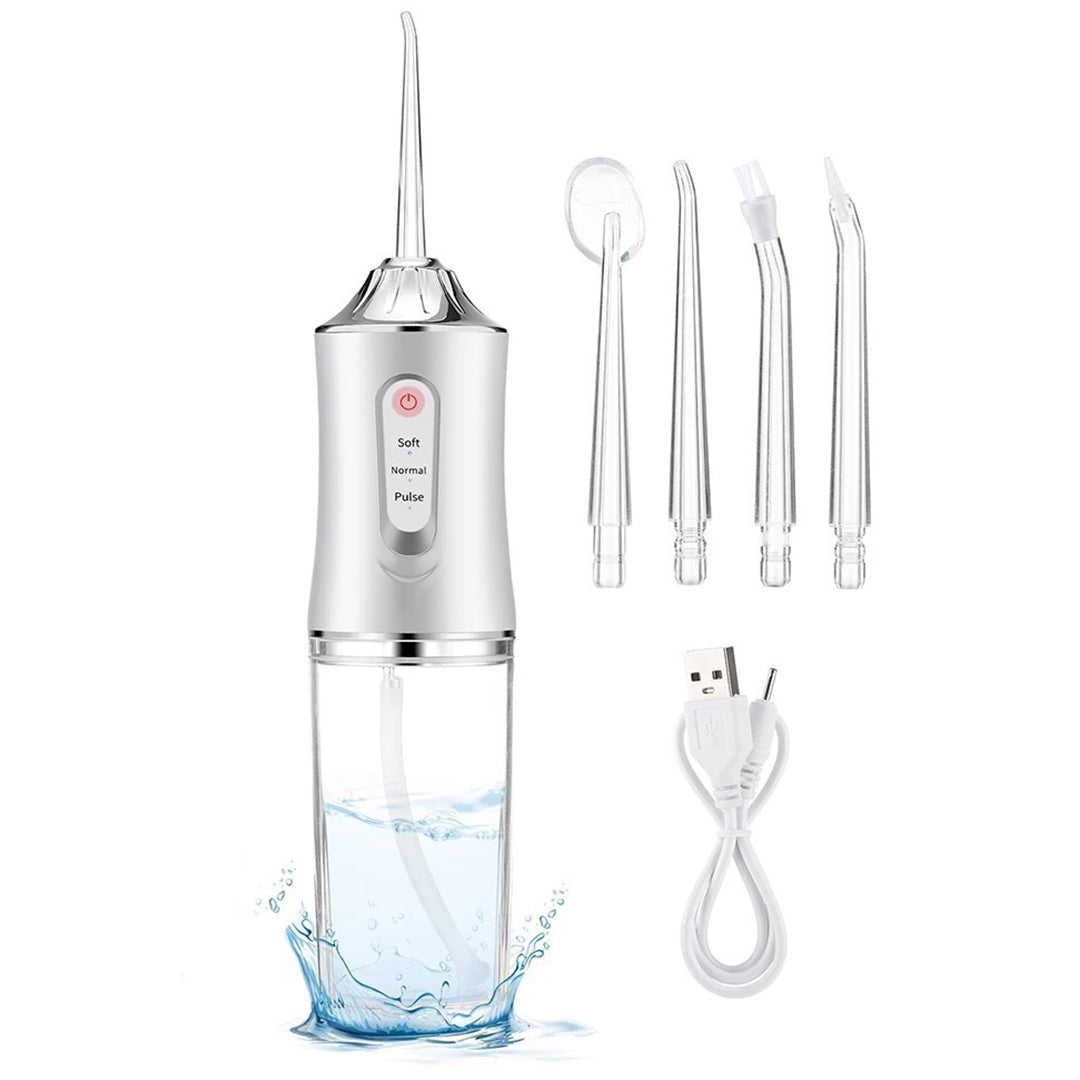
This is where the marketing gets too shiny. Dentists keep returning to the same mundane behaviours: brush the gum line gently, avoid excess pressure, give it enough time, and clean between teeth. An AI toothbrush mainly tackles the first three. It does not clean the tight contact point between a premolar and molar. Interdental brushes, floss or tape still matter. A water flosser, such as the cordless water flosser, can make the job less of a faff for some people, especially around bridges or fixed retainers, but it is an adjunct rather than a magic wand. If your routine has no between-teeth cleaning, spend attention there before chasing more brush intelligence.
Related questions
What’s the best AI electric toothbrush for a small UK bathroom?
The best AI toothbrush for a small UK bathroom is one with a compact charger, pressure sensor and app coaching you will actually keep using. Avoid bulky stands if your basin ledge is under 12 cm deep. In Manchester new-builds and older terraces alike, charger clutter becomes annoying quickly, and a brush that is awkward to store tends to be ignored.
Is a £30 electric toothbrush enough for most people?
Yes, a decent £30 electric toothbrush can be enough for many people if it has a two-minute timer and you use the right technique. The big gap is behaviour, not gadgetry. If you brush gently at the gum line and clean between teeth, a budget brush may beat a premium AI model used carelessly.
Do AI toothbrushes help with gum disease?
An AI toothbrush may help reduce gum irritation by warning you about excess pressure and missed areas, but it cannot treat gum disease on its own. Bleeding gums, recession or bad breath need dental assessment. Gum disease management often involves professional cleaning and daily interdental cleaning, not just a smarter handle.
Can children use AI electric toothbrushes?
Some older children may benefit from app coaching, especially if it turns brushing into a visible habit. For younger children, supervision matters more than AI. A parent checking technique at the sink is often more useful than a phone dashboard, and brush heads still need to fit a child’s mouth properly.
Are camera toothbrushes more hygienic?
A camera toothbrush is not automatically more hygienic. Hygiene depends on rinsing the head, letting it dry upright, replacing heads and cleaning the join where residue collects. If your current brush gets mould under the head, a pricier camera model can develop the same issue unless you clean it regularly.
Should I buy an AI toothbrush before seeing a dentist?
Do not buy an AI toothbrush as a substitute for seeing a dentist if you have pain, swelling, bleeding or a broken tooth. If you can afford both, the brush may support your daily routine. If money is tight, prioritise urgent dental care and the basics: fluoride toothpaste, consistent brushing and between-teeth cleaning.
So, are AI electric toothbrushes worth it in the UK? Buy one if it will correct a specific weakness you recognise: rushing, scrubbing too hard, or repeatedly missing the same areas. Skip it if the purchase is really anxiety dressed up as tech. The savvier move is a decent electric brush, the right heads, interdental cleaning you can stick with, and a dental appointment whenever you can get one. The app can coach you at the sink. It cannot be your dentist.