The fluoride line is the bit TikTok keeps cropping out
Last week, in the toothpaste aisle of a large Boots near a Victorian terrace where the bathroom barely fits a 50 cm basin, I watched a teenager show her mum a TikTok clip about “repairing enamel overnight”. The tube in her hand shouted whitening in silver foil; the fluoride line sat on the back in 7-point type. That is the real question here: should viral toothpaste on TikTok change what you buy, or should UK dentist advice still win?
The short answer
No: don’t choose toothpaste because it has gone viral. Choose it because it contains fluoride at the right strength, then use it properly. The defendable, boring thesis is this: a toothpaste promoted for enamel repair, natural purity or instant whitening is usually less useful than a standard 1,350 to 1,500 ppm fluoride paste brushed twice daily for two minutes and spat out, not rinsed away.
The longer answer
Why has fluoride become the small print?
Because the louder claims are easier to film. “Instant whitening” photographs well. A thick purple paste looks dramatic on camera. “Fluoride-free” sounds clean if the video is set against linen towels and a plant. A UK dental practice article updated on 6 October 2026 made the same point: viral toothpastes now commonly promise enamel rebuilding, instant whitening or natural fluoride-free alternatives, yet the detail that matters most is often whether the paste contains fluoride and how much. That is not sexy packaging. It is a number on the back of the tube: ideally 1,350 to 1,500 ppm fluoride for most adults. If you cannot find that line within 15 seconds, the marketing has done too much faff and the useful information has been pushed into the cupboard under the sink.
What does the NHS actually tell you to do?
NHS advice is plain: brush twice daily with fluoride toothpaste for about two minutes, and do not rinse with water straight after brushing. That last bit is where many households fall down. The school-run rush at 8:15 encourages a quick scrub, a big rinse and out the door, but rinsing washes away the fluoride you have just paid for. Spit, then leave it. This is also why a £7.99 75 ml viral tube is not automatically better than a less exciting supermarket paste if both have the same fluoride level. The habit carries the product. A decent electric brush can help with timing, but it cannot rescue a paste that avoids the main active ingredient while shouting about minerals, foam or flavour.
Are enamel-repair and whitening claims always nonsense?
No, and this is the fair counterargument. Some toothpastes can reduce sensitivity, polish surface staining or support remineralisation when used consistently. Fluoride itself helps protect enamel by making it more resistant to acid attack, so “enamel care” is not a silly category. Whitening toothpaste can lift tea, coffee and red wine staining from the surface, which matters if your front teeth have taken on that grey-beige cast after years of builder’s tea. The problem is the leap from surface stain to “new enamel” or “instant white teeth”. Enamel does not grow back like a bad fringe. If a product implies a dentist-level change from one brush, be sceptical. It may make teeth look brighter for an evening; it may also be abrasive if used obsessively.
Is the fluoride-free argument ever reasonable?
Some people avoid fluoride because they dislike the idea of additives, worry about swallowing toothpaste, or have had advice tailored to a child or medical situation. That does not make them daft. The better answer is proportion. For adults in the UK, routine brushing with fluoride toothpaste is the mainstream dental advice because the risk of decay is real and cumulative. If you want a fluoride-free paste for taste, ethics or sensitivity, speak to a dentist or hygienist rather than a creator filming over a bathroom sink. The Dentistry.co.uk report from 9 September 2026 said TikTok dental hacks had gathered more than 43 million combined views and warned about permanent damage from trends such as enamel filing and rubber bands. That is the context: the platform rewards novelty, while teeth reward boring repetition.
Where do gadgets fit without becoming another gimmick?
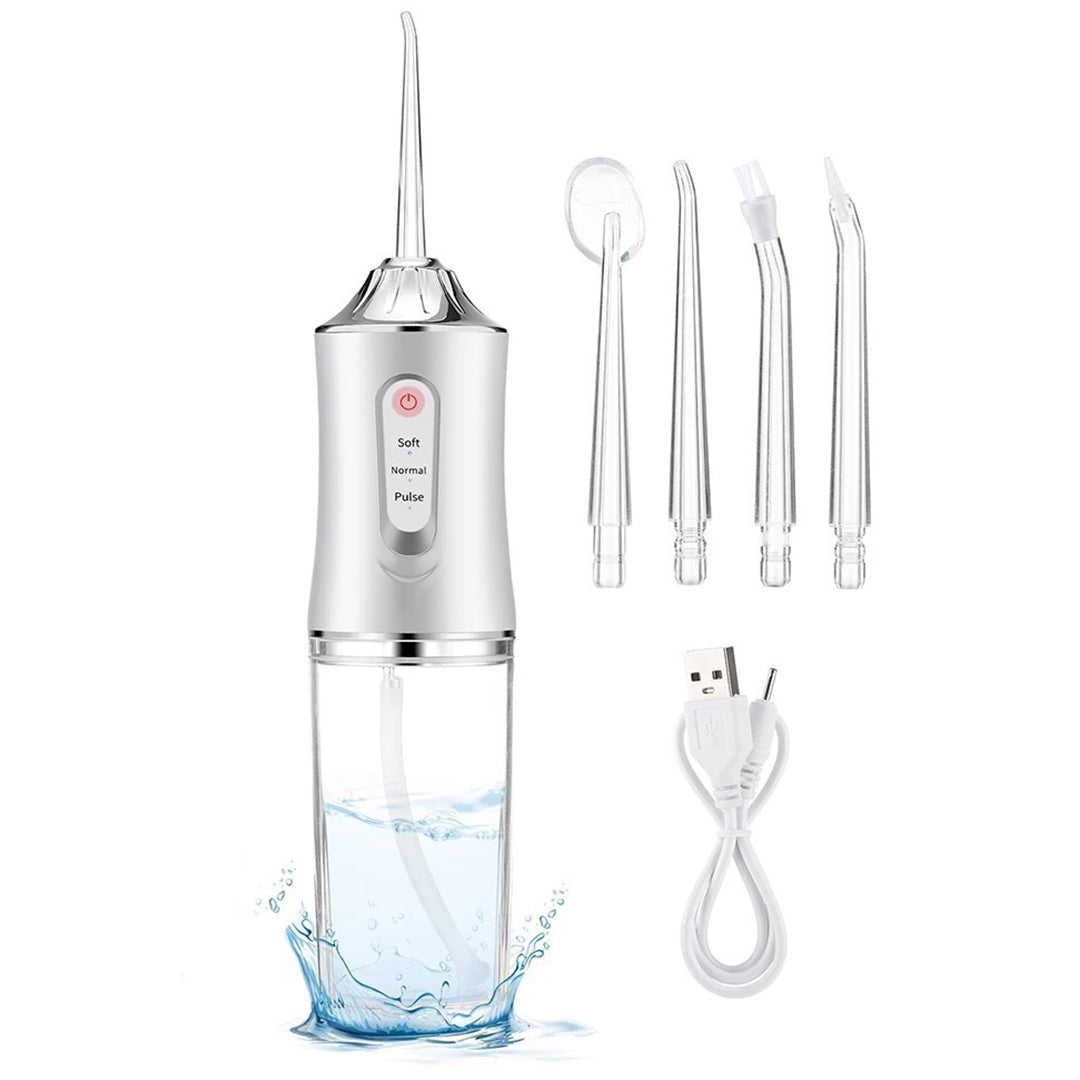
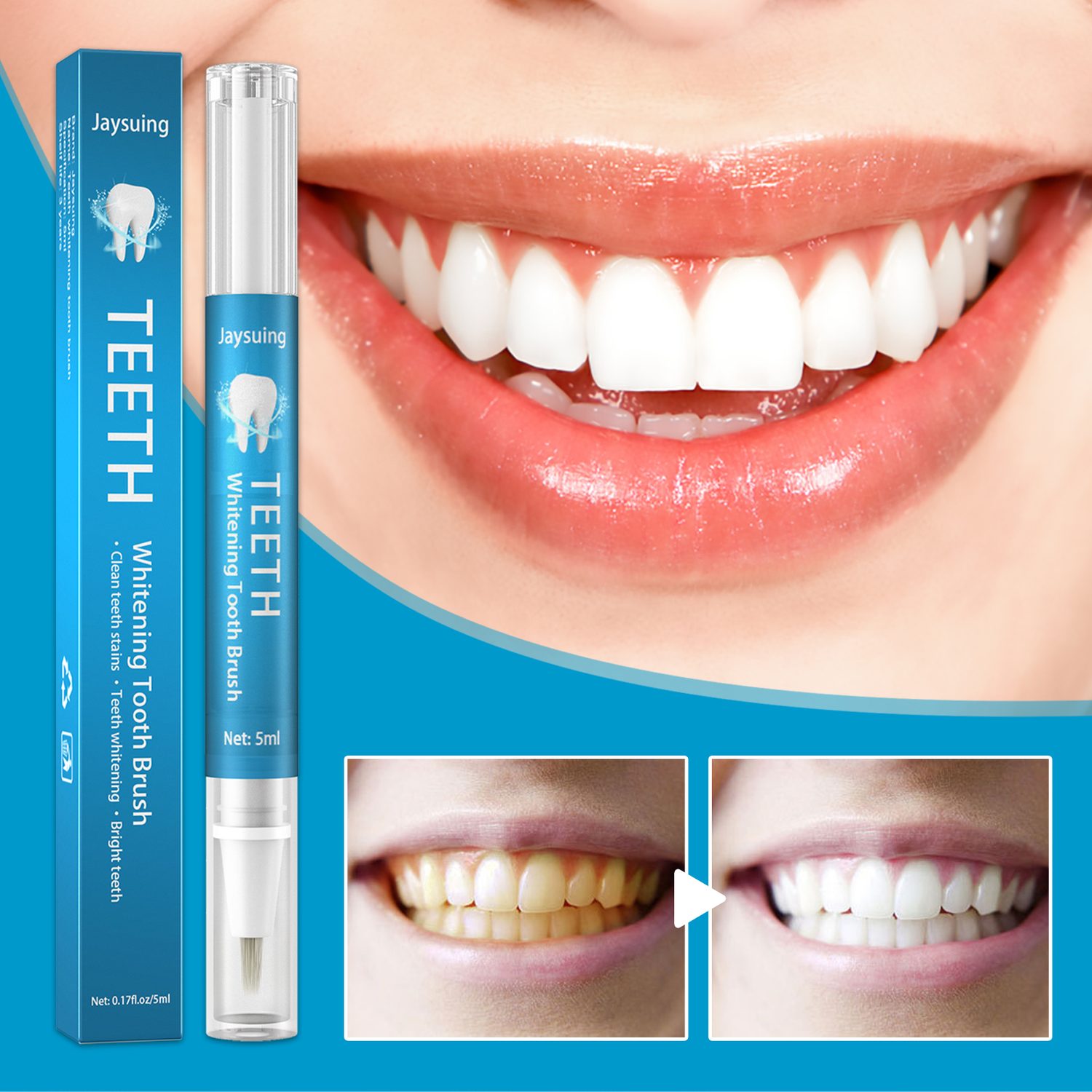
Gadgets can be useful, but they sit around the core habit; they do not replace it. NHS guidance says interdental brushes or single-tufted brushes can be used instead of flossing, which is a refreshingly unglamorous point. If your teeth are tightly spaced or you hate string floss, a cordless water flosser may help you keep the gumline cleaner, especially in a rented flat bathroom where there is no room for a full countertop unit. It still will not add fluoride to your enamel. A tooth whitening pen can be a short-term cosmetic tool, but it will not change crowns, fillings or the underlying shade of teeth; sensitivity can happen too. Treat tools as extras, not the main act.
What fluoride level should adults look for in toothpaste in the UK?
Most UK adults should look for toothpaste with 1,350 to 1,500 ppm fluoride on the label. That figure is usually printed on the back of the tube or carton, often near the ingredients. If the front talks about whitening, charcoal or enamel repair but the fluoride level is missing, put it back unless your dentist has told you otherwise.
Should I rinse after brushing my teeth?
No, you should spit out excess toothpaste and avoid rinsing with water straight after brushing. NHS advice says rinsing washes away concentrated fluoride left on the teeth. It feels odd at first if you grew up rinsing until your mouth felt squeaky, but it is one of the easiest upgrades to your routine.
Can viral whitening toothpaste damage enamel?
Some whitening toothpastes can be too abrasive if used heavily or alongside other whitening products. They may remove surface stains, but they cannot rebuild lost enamel or permanently bleach teeth in the way professional treatments can. If your teeth feel rough, sensitive or sore after using one, stop and ask a dental professional.
Is fluoride-free toothpaste good enough if I brush well?
Fluoride-free toothpaste may clean the mouth, but it does not give the same evidence-backed decay protection as fluoride toothpaste. For most UK adults, brushing well with a fluoride paste is the safer default. If you want to avoid fluoride, make that decision with a dentist who knows your decay risk.
Do I need floss if I use an electric toothbrush?
Yes, you still need to clean between your teeth somehow, because a toothbrush does not fully reach those gaps. NHS guidance allows for interdental brushes or single-tufted brushes as alternatives to floss. Pick the method you will actually use at night, even if it looks less polished than the version on TikTok.
Are water flossers worth it for gum health?
A water flosser can be worth it if it helps you clean along the gumline more consistently, but it is not a substitute for fluoride toothpaste. It may suit braces, tight routines or people who dislike string floss. The caveat is practical: it needs charging, cleaning and space by the basin.
The savvy move is to treat viral toothpaste as entertainment until the label proves otherwise. Check the fluoride number, brush for two minutes, spit rather than rinse, and clean between the teeth in a way you can keep doing on a wet Tuesday night. If a tube promises a dramatic result while hiding the basics, leave it on the shelf. Your teeth do not need a trend cycle; they need the dull routine that works.