Why a water-tank cooler struggles in a sticky British room
At 10.42pm during last summer’s hot spell, my thermometer read 28.6°C in a rented Manchester new-build, with the bedroom window cracked open and a £53.99 cube air cooler humming on the chest of drawers. The hallway was only 82 cm wide, so the breeze bounced about nicely. The room still felt muggy. That is the heart of the question: do air coolers work in humid UK heatwave conditions, or are we panic-buying a colder-looking fan?
The short answer
Mostly, no: cheap evaporative air coolers do not work well in humid UK heatwaves if you expect them to chill a room like air conditioning. They can make skin feel cooler at close range, especially in dry air, but they add moisture while relying on evaporation. In a sticky bedroom or top-floor flat, the better wins come from blocking sun, moving air at night and controlling humidity before it becomes a proper problem.
The longer answer
What is an air cooler actually doing?
The typical budget air cooler is a fan, a water tank and a damp wick or filter in a plastic box. Air is pulled across the wet surface. As water evaporates, it absorbs some heat, so the airflow can feel cooler than a plain fan. Ideal Home’s 26 May 2026 coverage of returning budget air coolers described this water-tank mechanism plainly, and that mechanism is also the catch. Evaporation works best when the air has room to accept more moisture. In a dry Spanish courtyard, lovely. In a British bedroom already sitting at 65% relative humidity, less so. The little unit I tried had a 600 ml tank and two ice packs; the first pack had lost its chill within 75 minutes, and the filter gave off a plasticky damp smell until the second fill.
Why does UK heat make the promise fall apart?
The thesis is simple enough to argue with: in a humid UK heatwave, a budget evaporative air cooler is usually a wet fan, not a room-cooling appliance. British homes are often built to keep warmth in, which is grand in February and grim in July. A r/UKWeather thread from 19 June 2026 caught the mood, with people saying their indoor temperatures barely dropped overnight and that homes felt designed to retain heat. Victorian terraces can trap heat in upper bedrooms; top-floor flats are worse. GOV.UK’s updated 20 May 2026 keep-cool checklist specifically flags top-floor flats as vulnerable and puts the emphasis on keeping heat out, checking fans and watching for heat illness. That advice is less shiny than a countertop gadget, but it matches the physics.
But do some people get real relief from them?
Yes, and it would be daft to pretend otherwise. A cooler blowing directly at your face while you work at a desk can feel decent. The moving air speeds up sweat evaporation from your skin, which is why even an ordinary fan helps. Cold water in the tank may give a short-lived chill. If the room is relatively dry and you keep a door or window open for airflow, an evaporative cooler may be useful for a person, not the room. The problem begins when marketing lets shoppers think a £39.99 to £89.99 water-tank box will behave like a compressor air conditioner. It will not. Fans move air but do not remove moisture; Ideal Home’s 24 May 2026 fan humidity piece reported expert advice on that exact point.
What should you do before buying one?
Start with the boring stuff, because it works. Shut blinds or curtains before the sun hits the glass, especially south and west-facing rooms. External shade beats internal shade, so a balcony umbrella or even a temporary sheet outside a patio door can cut solar gain more effectively than a thin voile inside. Open up late, once the outside air is cooler than indoors; in my flat that was often after 9.30pm, not at 6pm when the pavement was still radiating heat. Put a fan near a window to push hot air out on one side, then draw cooler air from another side if you can. Narrow stairs and single-aspect flats make this a faff, but the principle still holds.
Where does humidity control fit?
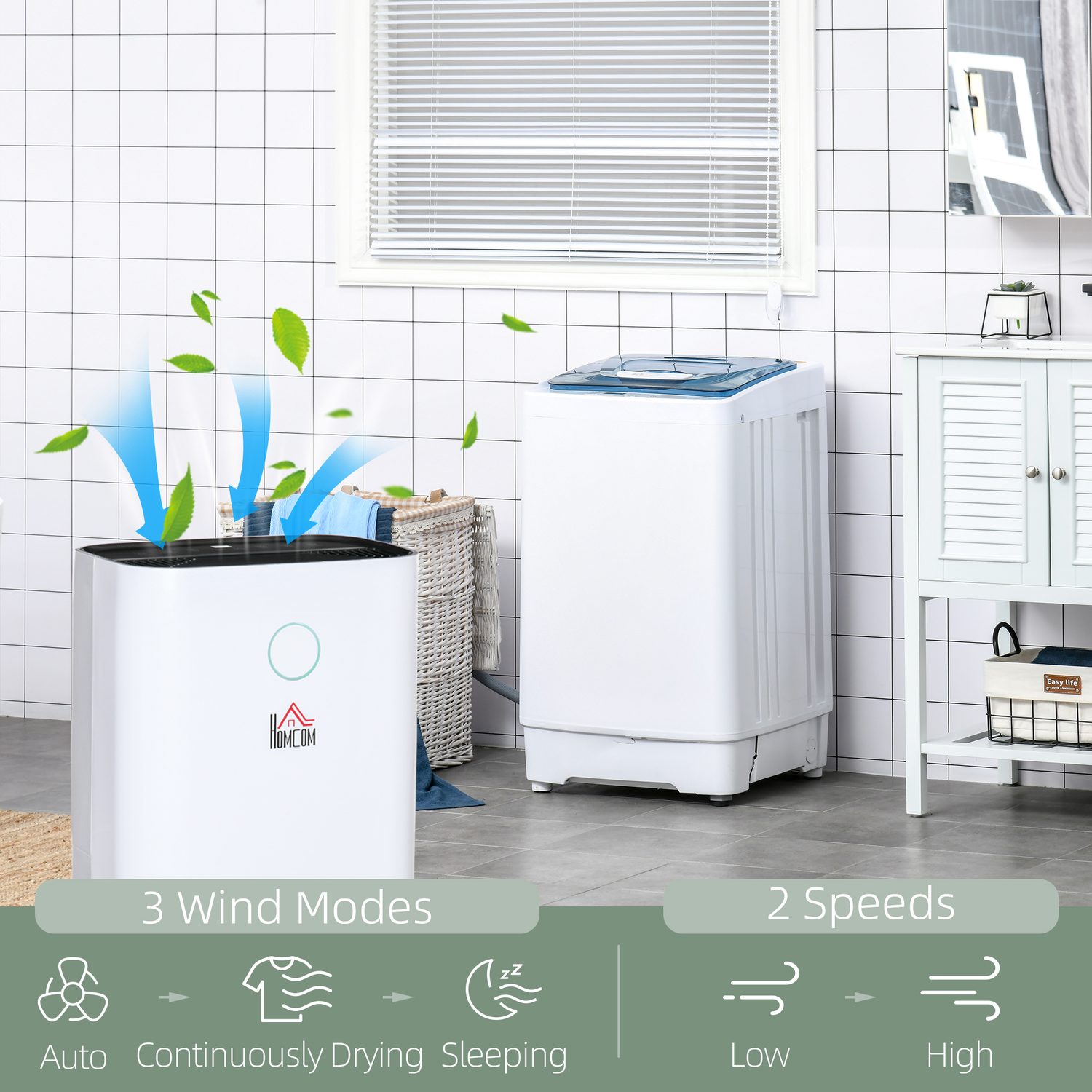
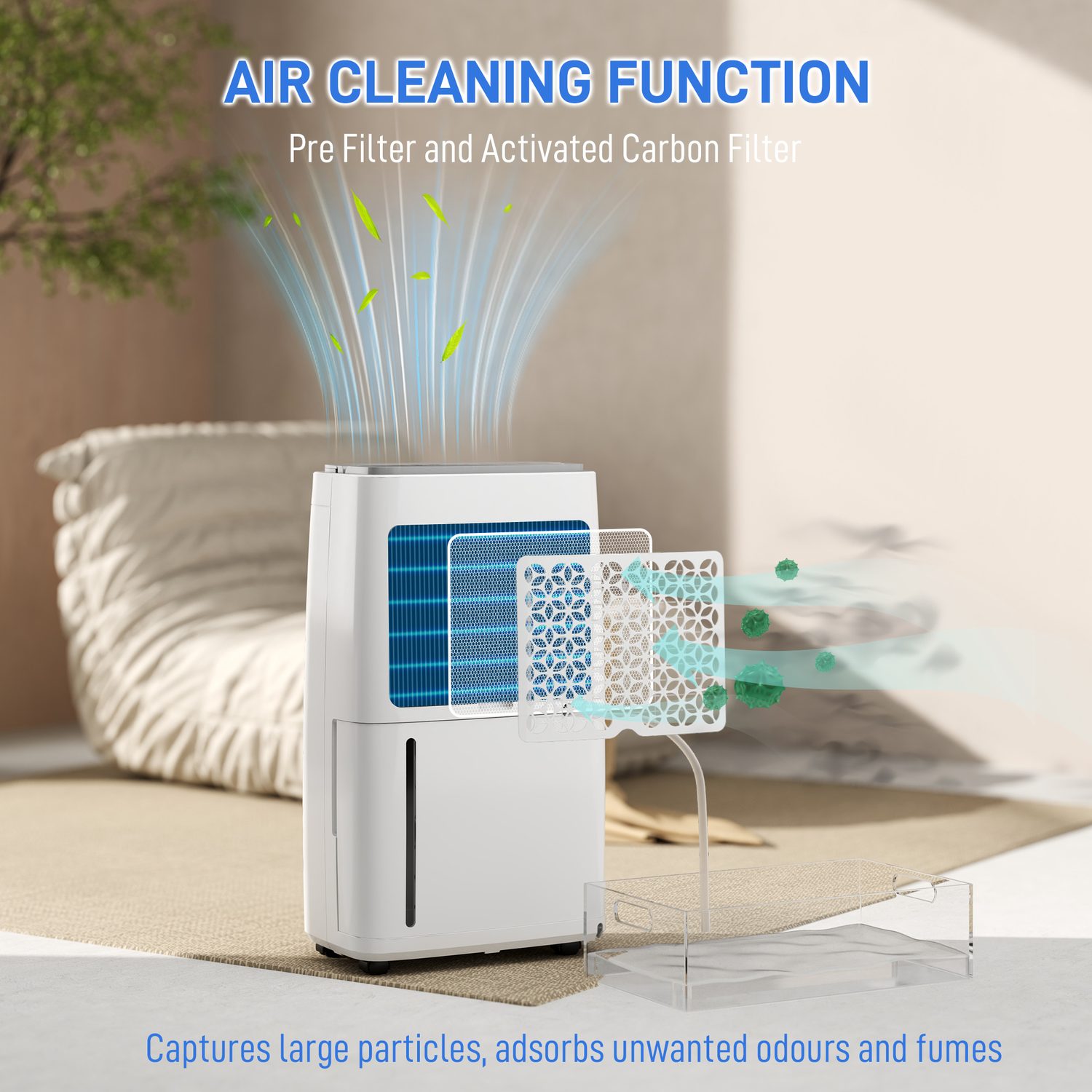
Humidity is the part people miss because it is invisible. A 16-litre-per-day dehumidifier can be useful in a damp flat, especially if laundry dries indoors and the bedroom starts the evening clammy. Villalta Home Co. sells small appliances, including dehumidifiers and compact cooling-adjacent kit, but the savvy use is timing. A dehumidifier exhausts warm air and uses power, so running one beside your bed at 3pm in a heatwave is not magic cooling. Use it earlier in the day or outside the hottest room to reduce background damp. Empty the tank, clean the filter and do not expect it to replace shade or night ventilation.
Related questions
Do air coolers work better with ice in the tank?
Only briefly. Ice can cool the water and make the first blast feel nicer, but a small pack melts quickly in a hot room. Once the ice is gone, the appliance is back to evaporating water into the air. If the room is humid, the extra moisture can leave it feeling heavier.
Is an air cooler better than a fan in a UK bedroom?
For many UK bedrooms, a good fan is the more honest buy. It will not pretend to lower room temperature, but it can improve comfort without adding water vapour. An air cooler may feel nicer up close, yet in a closed, sticky room it can make the air more muggy by midnight.
Can an air cooler cause damp or mould?
One evening will not ruin a room, but repeated use in a poorly ventilated flat can raise moisture levels. That matters if you already get condensation on windows or black specks around silicone. Keep doors open, ventilate at night and check humidity with a £7.99 digital meter if damp is already an issue.
Should I buy a portable air conditioner instead?
A portable air conditioner can cool a room because it uses a compressor and vents heat outside. The catch is noise, hose placement and power use. You also need a workable window seal, which can be awkward in sash windows or rented flats where you cannot fit anything permanent.
Does a dehumidifier cool a room during a heatwave?
No, not in the direct sense. A dehumidifier removes moisture, which can make air feel less sticky, but the machine gives off some heat while running. It is best used as part of a wider plan: reduce indoor damp, block sun and save fan cooling for occupied rooms.
What is the cheapest way to keep a flat cooler?
Stop sun entering the room first. Close curtains early, shade glass where possible and avoid cooking with the oven during the hottest hours. Ventilate late, use a fan on your body rather than trying to cool empty air, and keep an eye on vulnerable rooms under the roof.
If your basket currently has a mini air cooler in it because the heat alert made the house feel unbearable, pause before paying. Buy one only if you want a personal breeze and you can ventilate the room. If you want the bedroom temperature to fall, spend the effort on solar gain, night air and moisture control. Less glamorous, yes. More sorted by 11pm, usually.
Villalta Home Editorial is the in-house byline used for buying guides and product roundups on villaltaco.uk. Each guide is written by the editorial team, drawing on the catalogue's measurable data — real dimensions, materials, UK use cases, price bands — and on hands-on research into how products actually perform in UK homes. Every post tagged with this byline is reviewed and approved by Juan Antonio Villalta Pacheco, the founder and editor, before it goes live. See our editorial standards for the full process.
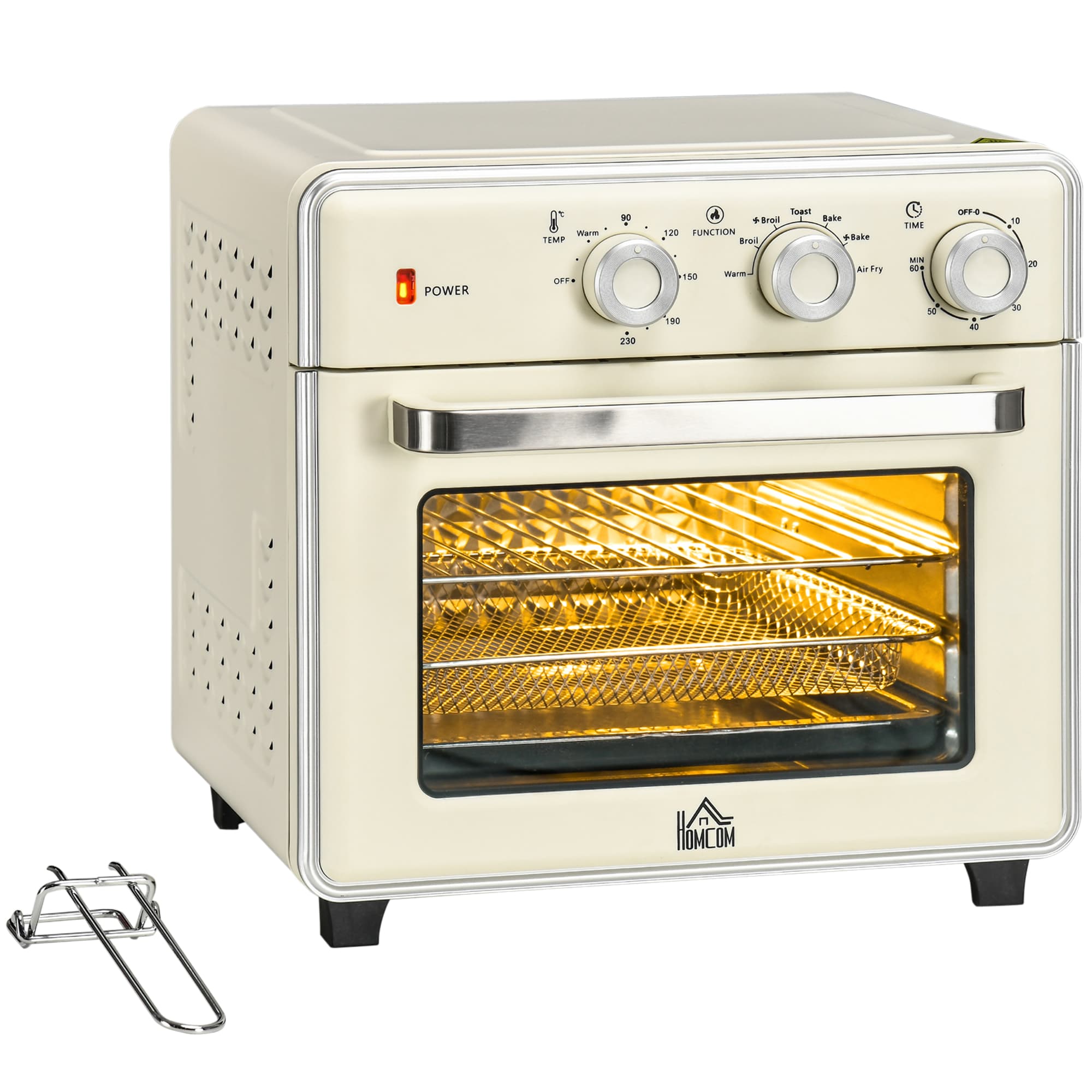
Late June, the kitchen tiles still warm from yesterday, and firing up the main oven for one tray of veg feels mad. Five mini countertop ovens from about £34 up to £114, picked for what actually goes through a real UK kitchen between May and September.
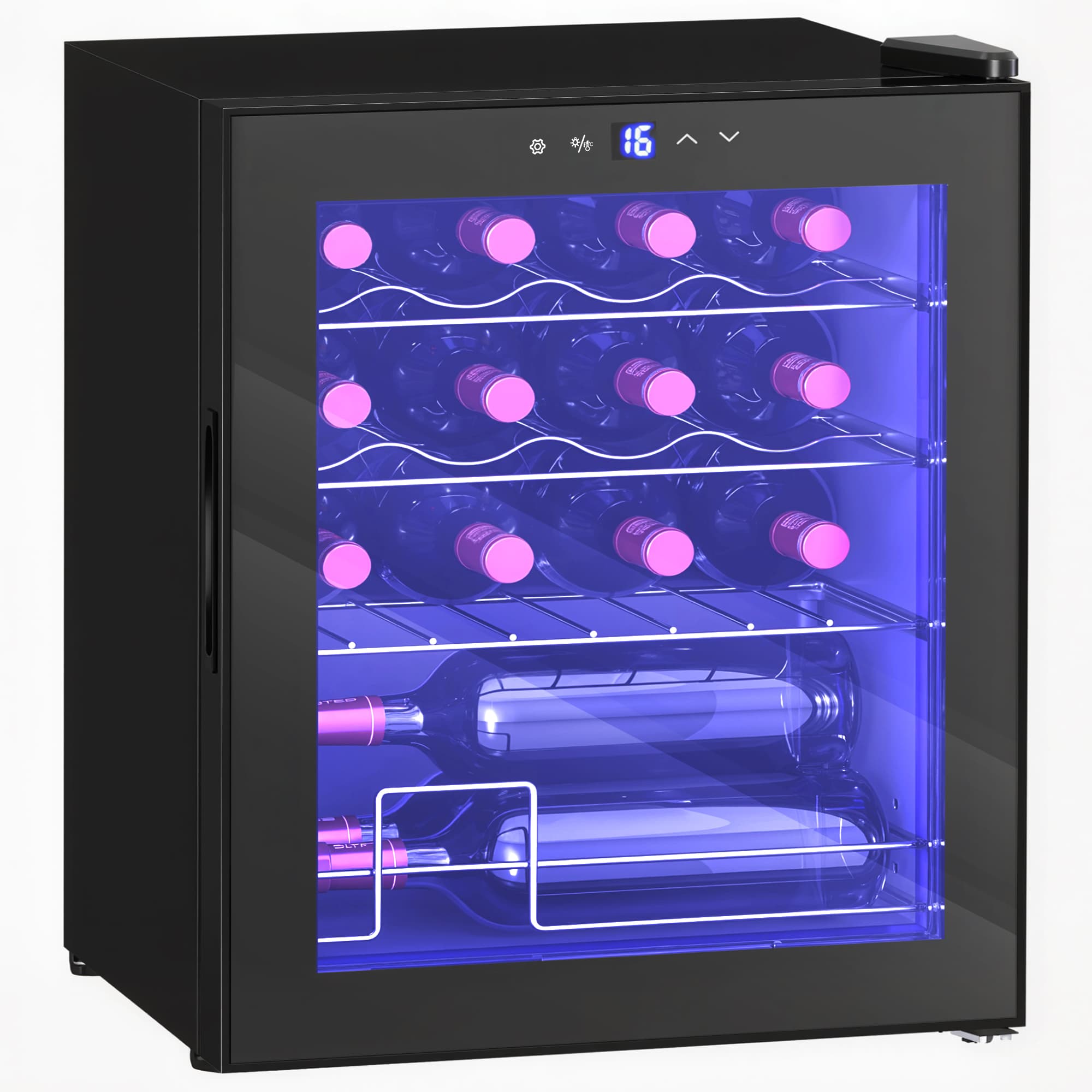
Your main fridge can't handle a Bank Holiday BBQ on its own. Five focused mini fridges and wine coolers we'd actually plug in for a UK summer of garden drinks.
Most UK kitchens can't spare permanent worktop tenancy for a blender that only blends. Five Villalta Home picks from about £11 that earn their plug — daily smoothies, soups, curry pastes, gym shakes.