UK Bedroom Buying Guide: Beds, Storage and Sleep Choices
The most useful bedroom lesson I’ve had lately came from a 158 cm alcove beside a chimney breast in a north London Victorian conversion. On paper it would take a chest of drawers. In real life the skirting board stole 22 mm, the radiator valve stuck out like a little brass saboteur, and the wardrobe door clipped the bed frame every morning. That is the UK bedroom problem in miniature: the furniture usually fits the floor plan, then fails in the room.
This guide covers the big bedroom buying decisions for UK homes: bed frame sizes, mattress firmness, storage beds, divans, ottomans, wardrobes, Bedside Tables, and the sofa-bed, day-bed and bunk-bed corner for guests or children. The thesis is simple and arguable: in most UK bedrooms under 12 square metres, storage access matters more than buying the largest bed you can squeeze through the door. You can disagree with that. Plenty of people do. But after living with drawers that only open 18 cm before hitting a rug, I’d rather have a smaller bed and a calmer morning.
This is not a guide for furnishing a four-bed detached house with a walk-in wardrobe and a spare room that stays spare. If you’ve got generous landings, a 3 m wall of fitted wardrobes and no need to store winter bedding under the bed, half of these constraints won’t bite. This is for rented flats, box rooms, terraces with odd chimney breasts, Manchester new-build bedrooms with too many sockets in one corner, and anyone trying to get decent sleep without turning the room into a furniture showroom.
Why this matters in UK homes specifically
UK bedrooms are rarely blank rectangles. Victorian terraces give you chimney breasts, alcoves and narrow stairs. 1930s semis often have decent ceiling height but awkward door swings. New-build flats can be clean-lined yet small, with the double bedroom designed around a 135 x 190 cm mattress and not much else. Then there are rented flats where you can’t drill into every wall, or where a freestanding wardrobe has to do the work of a built-in run.
Logistics matter too. A UK king-size mattress is 150 x 200 cm, which sounds reasonable until you meet a tight stair turn with a low ceiling. BS 1363 sockets decide where lamps and charging cables land. Council recycling collections may refuse bulky furniture unless booked, and kerbside pickup rules are no help if your old divan base won’t fit through the communal hallway. The right bedroom buy is not the one that looks nicest on a white background. It is the one that fits the route in, clears the skirting, opens properly, and still lets you make the bed without a daily faff.
Bed frames and sizes: start with clearance, not ambition
Bed size is the first emotional trap. A bigger bed feels like an adult decision, especially if you’ve spent years sleeping in rented rooms where the mattress touched three walls. The UK standard sizes are useful anchors: single 90 x 190 cm, small double 120 x 190 cm, double 135 x 190 cm, king 150 x 200 cm and super king 180 x 200 cm. The frame will usually be larger than the mattress, often by 5-12 cm in width and length once side rails and a headboard are included.
The room measurement that matters is not just wall-to-wall. Measure the walking gap beside the bed, the wardrobe door arc, the drawer pull-out, the radiator depth and the plug position. A 60 cm path down one side is comfortable; 45 cm is workable; 30 cm is a sideways shuffle. In a tight bedroom, a small double with usable storage can beat a double that leaves you climbing over laundry baskets.
Allow at least 45 cm beside one side of the bed if one person needs daily access; 60 cm feels much better.
Check the frame’s total footprint, not only the mattress size. A padded sleigh-style frame can add 20 cm to the length.
Budget roughly £120.00-£300.00 for a simple metal or fabric frame, £300.00-£700.00 for sturdier upholstered or storage designs.
Look for centre support legs on double and king frames; a missing centre rail is often where squeaks and sagging begin.
The common mistake is buying by mattress size and ignoring the bed frame. A 150 x 200 cm king can become a 162 x 218 cm object once upholstered rails and a deep headboard are counted, and that extra length is exactly where the wardrobe door needed to open.
Mattresses and firmness: your back is not the only voter
Mattress shopping gets oddly moral. People talk as if firm means sensible and soft means indulgent. The better question is whether the mattress keeps your spine supported in your usual sleeping position while letting shoulders and hips settle. Side sleepers often need more give at the shoulder. Back sleepers tend to cope with medium-firm. Front sleepers usually need firmer support so the hips do not dip.
Depth matters in practical ways. A 25 cm mattress on a tall ottoman base can make the bed feel high, especially in a small room. A 15 cm budget mattress may look neat but can feel mean on slats and may not suit heavier adults. If two people share, weight difference matters more than marketing labels. One person’s medium can be another person’s hammock.
Use firmness labels as a starting point only: soft, medium, medium-firm and firm vary widely between makers.
Check mattress depth against fitted sheets; deep mattresses often need 30-35 cm pocket depth sheets.
For slatted frames, look for slat gaps under 7 cm unless the mattress maker says otherwise.
Expect £180.00-£450.00 for many basic double mattresses, with hybrid and deeper pocket-sprung options often £450.00-£900.00.
The common mistake is pairing a new mattress with a tired base. If the divan is bowed or the slats are cracked, the mattress will inherit the problem. You’ll blame the foam or springs, but the fault may be the platform underneath.
Storage beds, divans and ottomans: brilliant if you can reach the stuff
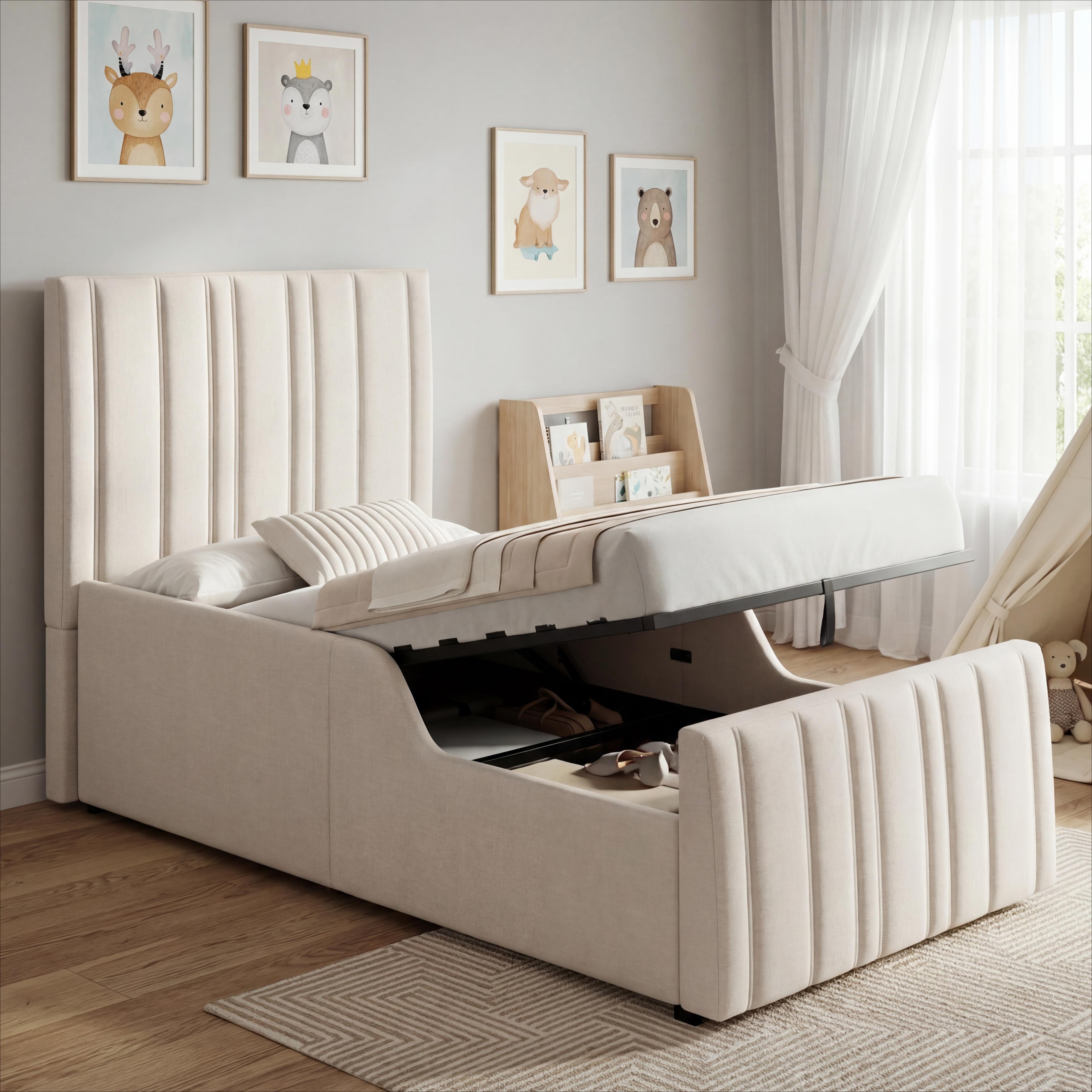
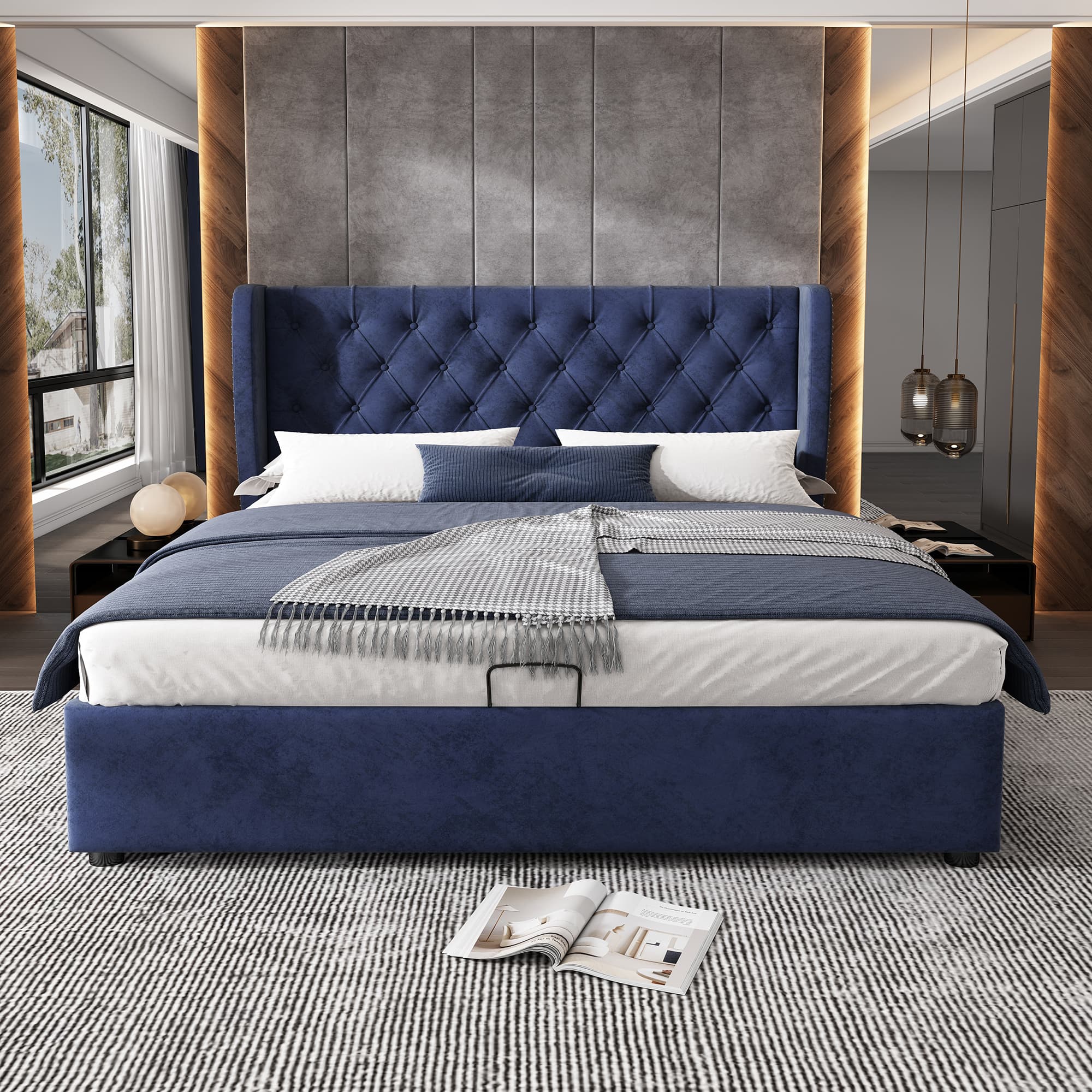
Under-bed storage is one of the most useful tricks in a UK bedroom, but the mechanism decides whether it stays useful. Divan drawers suit rooms with space at the sides. Ottoman Beds suit tight rooms because the mattress lifts and the storage opens from above. Gas-lift ottomans can swallow spare duvets, out-of-season clothes and the bag of cables nobody wants to sort. They can also be heavy to lift and annoying if the room’s layout forces you to stand in the wrong place.
The counterargument is fair: storage beds are bulkier, more expensive and sometimes less elegant than simple frames. A plain wooden bed with separate boxes underneath can be easier to move and better for renters. I agree in rooms where you have clearance. But in bedrooms where drawers cannot open fully, a well-made ottoman is often the less irritating long-term answer, provided you choose one with a stable lift and a base that does not sag.
For side drawers, allow 50-60 cm clear space beside the bed or the drawer becomes decorative.
For an ottoman, check the lift direction: end-lift works at the foot, side-lift works better against a wall.
Look for a boarded storage floor rather than flimsy fabric if you’re storing shoes, books or heavier bedding.
Expect about £220.00-£550.00 for many double storage beds, with ottomans often costing more than drawer divans.
The common mistake is using under-bed storage for things needed every day. It is ideal for spare bedding, coats and seasonal kit. It is rubbish for socks at 7:20 am. A 3ft single ottoman bed, such as the beige linen single ottoman style sold for children’s rooms, makes sense for bulky toys and bedding; it would be daft as the only clothes storage for a teenager.
Wardrobes, chests and bedside storage: freestanding is flexible, fitted is unforgiving
Wardrobes are where UK bedrooms show their age. Alcoves tempt you into fitted joinery. Rented flats push you towards freestanding rails and flat-pack wardrobes. Built-in storage can look calm and use every centimetre up to the ceiling, but it is expensive and permanent. Freestanding wardrobes are cheaper to change, easier to take with you and more forgiving if your room is not staying yours for long.
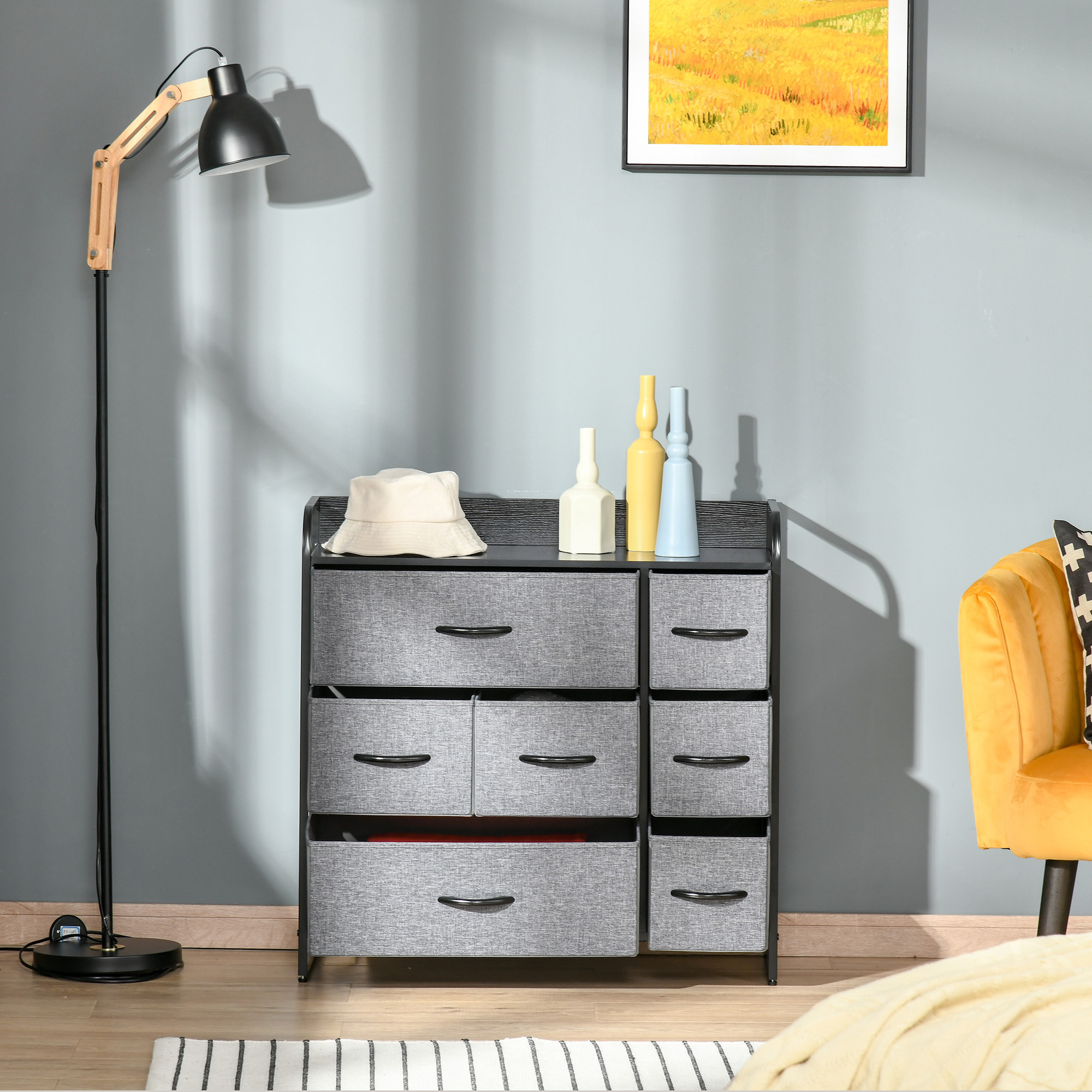
Chests of drawers and fabric storage towers have their place, but they are not the same job. A 7-drawer fabric chest can be a savvy choice for children’s clothes, gym kit or light folded items; it is not a substitute for a solid timber chest if you plan to cram it with jeans and jumpers. Bedside Tables are similar. Two drawers look tidy, but the footprint matters. A 40 cm wide table can be generous in one room and a shin-bruiser in another.
Measure wardrobe depth. Hanging adult clothes usually need around 55-60 cm external depth; slim wardrobes can crush sleeves.
Leave 70-80 cm in front of hinged wardrobe doors where possible; sliding doors help in tighter rooms.
For bedside tables, 30-45 cm width is the usual sweet spot, with the top close to mattress height.
Budget £80.00-£250.00 for basic freestanding storage pieces, and far more for fitted wardrobes once measuring and installation are included.
The common mistake is buying a tall wardrobe without checking the ceiling height and assembly space. A 236 cm wardrobe in a room with a 240 cm ceiling may technically fit, but you may not be able to stand it upright after building it on the floor. That is a proper Saturday-ruiner.
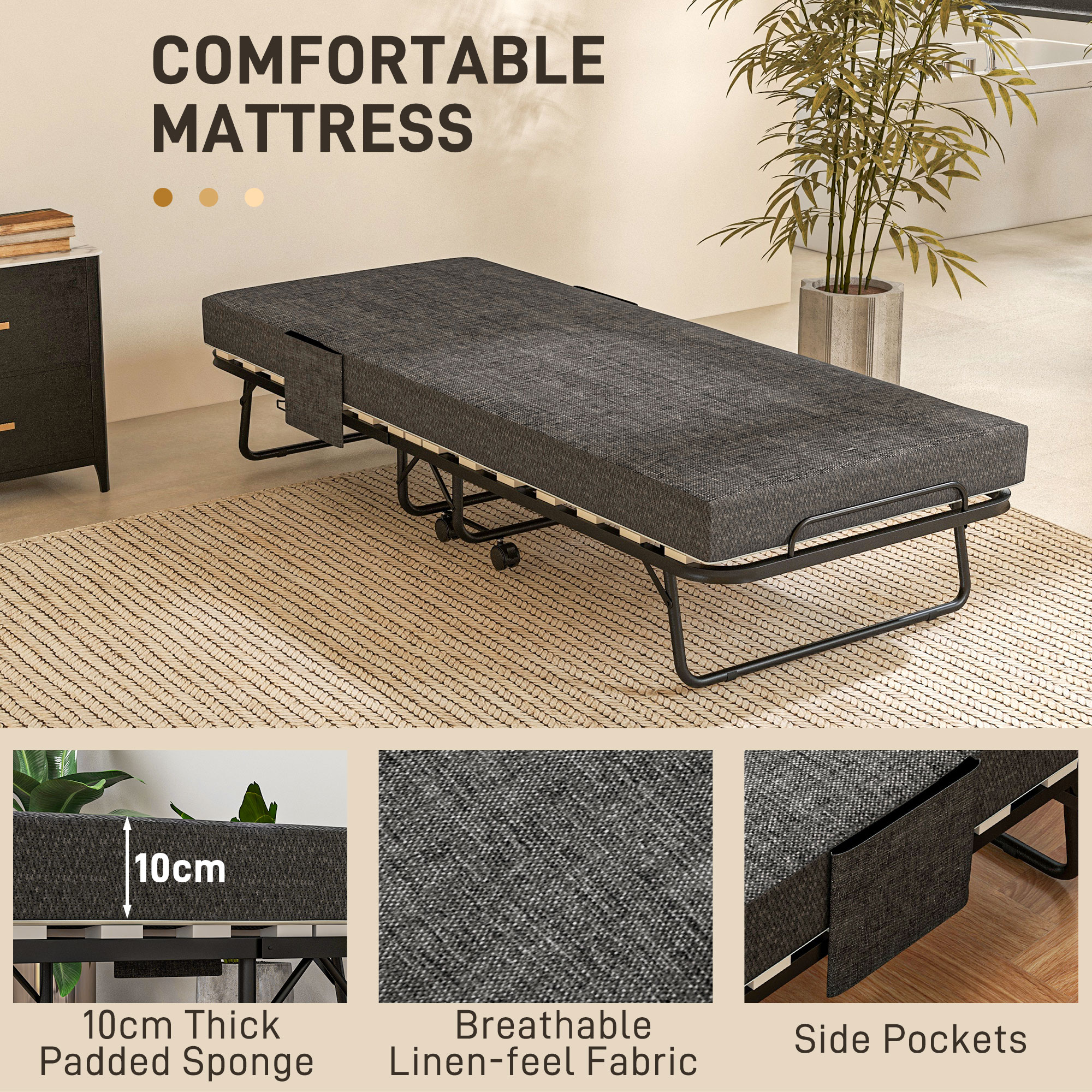
Guest sleep is where people overspend for an imaginary lifestyle. A sofa bed in a spare room sounds sensible until it becomes a laundry platform and nobody sleeps on it for nine months. A folding guest bed with wheels can be the better buy if guests are occasional and storage space exists. Day beds suit offices and children’s rooms because they read as seating by day and a single bed at night, though many need proper bedding storage nearby.
Bunk Beds earn their keep in children’s rooms, especially in box rooms where two single beds would eat the floor. The trade-off is height, bedding faff and safety. Always check guard rail height, ladder angle and ceiling clearance. A child sitting up in the top bunk should not be inches from an artex ceiling.
For occasional adults, avoid ultra-thin fold-out mattresses under about 8-10 cm unless the stay is one night.
Check folded dimensions of guest beds; a wheeled single folding bed may still need a cupboard 90 cm wide.
For day beds and trundles, confirm whether mattresses are included and whether the lower bed takes a full 90 x 190 cm single.
For Bunk Beds, allow at least 75 cm between the top mattress surface and the ceiling where possible.
The common mistake is buying a sofa bed for guests without testing the bed mechanism in the room. Some need more than 210 cm of clear floor length when open. In a small office with a desk chair, radiator and filing box, that can mean moving half the room every time someone stays. A folding guest bed with a mattress is less glamorous, but often more honest.
Tight London flat: choose the smallest bed you can sleep on happily, then spend the saved floor space on storage that opens properly. A double may beat a king if it leaves 60 cm beside the bed and room for a narrow bedside table. Favour ottoman storage over side drawers if the bed sits near a wall. Keep guest sleep temporary: a folding bed or chair bed is easier to hide than a permanent sofa bed in a room that already works hard.
Victorian terrace with awkward rooms: measure alcoves, chimney breast depth and skirting before looking at wardrobes. Built-ins can be excellent here, but only if you are staying long enough to justify the cost. In the smaller rear bedroom, a small double or single storage bed usually beats forcing in a standard double. Watch the stair turn too; split divan bases and boxed flat-pack frames are less stressful than one-piece frames.
Modern new-build with the opposite problem: the room may be square and plain, but storage can still be thin. New-build bedrooms often have clean walls, low visual clutter and a suspicious lack of cupboards. Use the regular shape to your advantage with a full-width wardrobe run or matching freestanding pieces. You can often take a king bed visually, but check socket positions before committing to wide bedside tables and lamps.
FAQs
What bed size is best for a small UK bedroom?
For many small UK bedrooms, a double at 135 x 190 cm is the upper practical limit, and a small double at 120 x 190 cm can be much easier to live with. The right choice depends on clearance. If a double leaves less than 45 cm down the usable side, think carefully before sizing up.
Is a UK king-size bed too big for a typical bedroom?
A UK king is 150 x 200 cm, before the frame is counted. It can work in a room of about 3 x 3.5 m if wardrobes and doors are sensibly placed. In narrow terraces or flats, the extra 15 cm width over a double may cost you the only comfortable walkway.
Ottoman beds are better where side clearance is poor, because you access storage from above. Divan drawers are simpler and can be cheaper, but they need room to open. If you store heavy items, check the ottoman has a solid base and a gas-lift mechanism that feels stable.
Should I buy fitted wardrobes or freestanding wardrobes?
Buy fitted wardrobes if you own the home, plan to stay, and have awkward alcoves or high ceilings worth using. Choose freestanding wardrobes if you rent, move often or want lower upfront cost. Freestanding pieces also avoid the risk of spending thousands on storage that suits only one room.
How high should a bedside table be?
A bedside table usually works best when its top is level with, or slightly below, the top of the mattress. In many UK bedrooms that means roughly 45-65 cm high, depending on the bed base and mattress depth. Too low and you grope for your phone; too high and it feels bulky.
What mattress firmness is best for side sleepers?
Most side sleepers do better with medium or medium-soft support that lets the shoulder and hip sink a little. Very firm mattresses can create pressure points. Heavier side sleepers may still need firmer support underneath, often from pocket springs or a hybrid construction.
Can a sofa bed replace a real bed?
For daily sleep, usually no. Some premium Sofa Beds cope, but many have thinner mattresses and more joins than a proper bed. For guests, a sofa bed is useful if the room also needs seating. For occasional overnight stays, a folding guest bed can be less fuss.
Buy the mattress and bed frame first, but measure storage access at the same time. The bed sets the room’s footprint. After that, choose wardrobe or drawer storage based on what can open fully, then add bedside tables only if they do not block movement or sockets.
Your next step is not browsing 40 beds with a mug of tea and hoping one feels right. Measure the room in millimetres: wall lengths, alcove widths, radiator depth, door swing, socket positions and the stair route in. Mark the proposed bed footprint on the floor with masking tape and open every wardrobe or drawer in your head before spending money. If you are starting from scratch, browse the Bedroom Furniture category at /bedroom-furniture/ with those numbers beside you, not buried in your phone photos. If you already own a decent mattress, protect that decision by buying the right base. If the room is rented or likely to change, keep pieces lighter and movable. Sorted bedrooms are rarely the biggest ones. They are the ones where nothing has to be shoved aside before you can get a decent kip.
Villalta Home Editorial is the in-house byline used for buying guides and product roundups on villaltaco.uk. Each guide is written by the editorial team, drawing on the catalogue's measurable data — real dimensions, materials, UK use cases, price bands — and on hands-on research into how products actually perform in UK homes. Every post tagged with this byline is reviewed and approved by Juan Antonio Villalta Pacheco, the founder and editor, before it goes live. See our editorial standards for the full process.
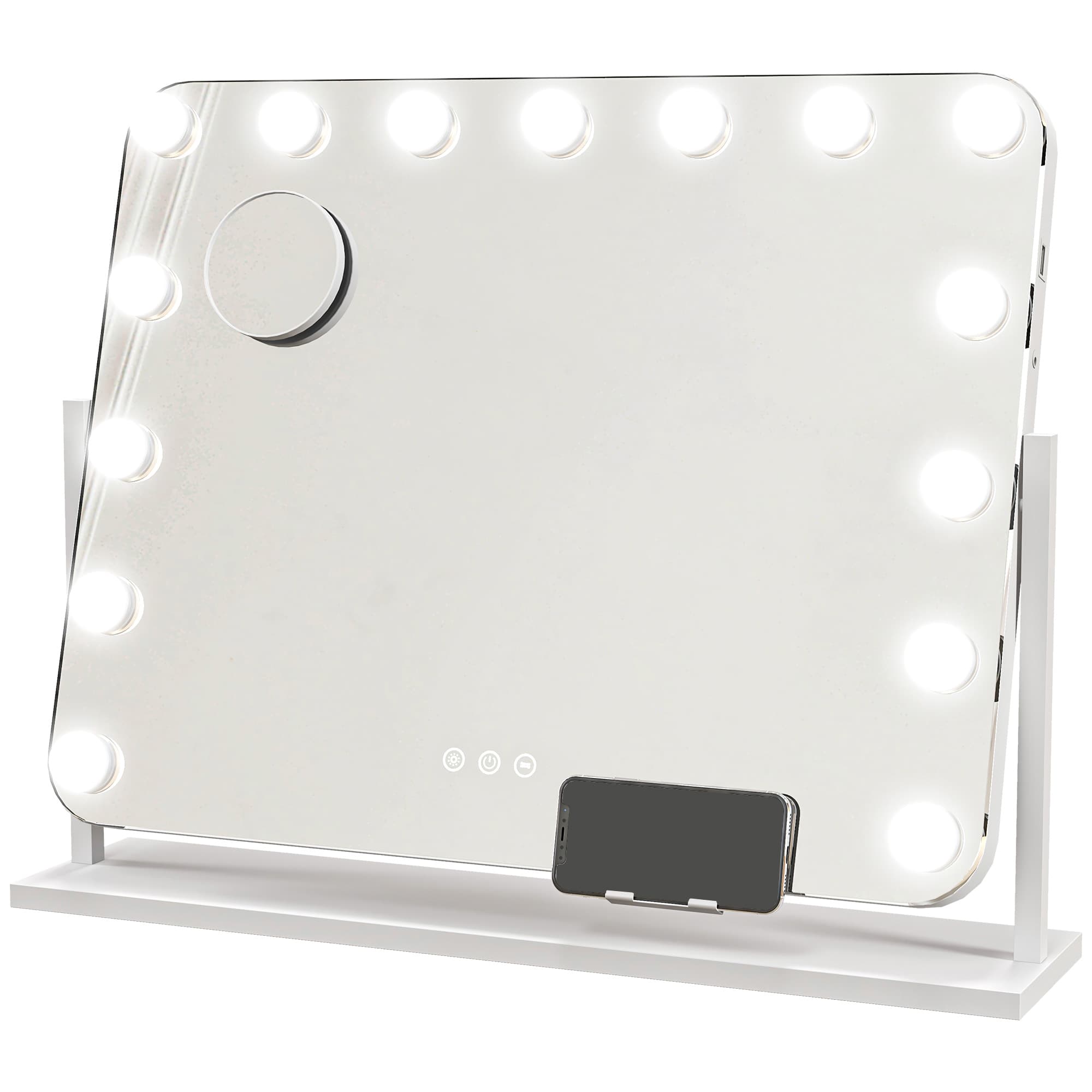
Most UK bedrooms have one ceiling pendant and a warm bedside lamp — the worst light for putting on makeup. A small LED mirror with three colour modes fixes it. Five tested picks from about £36 to around £61, from the best daily tabletop to the splurge that doubles as a jewellery cabinet.
Five real storage beds from £78.99 to £281.99 for UK box rooms, rental bedrooms and compact doubles, chosen for useful drawers, lift-up storage, charging shelves and honest space trade-offs.