The bathroom I keep thinking about is a 2.1 m × 1.8 m upstairs box in an East London Victorian terrace: bath along the left wall, loo under a frosted sash, pedestal basin pinching the doorway, radiator that dries one towel if it’s in a good mood. The owner had saved £5,000.00 after a boiler scare and had a folder full of “bathroom living room” references: little chair, framed art, possibly a lamp. Nice mood. Dodgy maths. My thesis is blunt: a bathroom only becomes a living room if it has at least 1.2 m of clear floor width after the sanitaryware, reliable extraction and closed storage; below that, the trend is mostly styling copy.
What we're working with
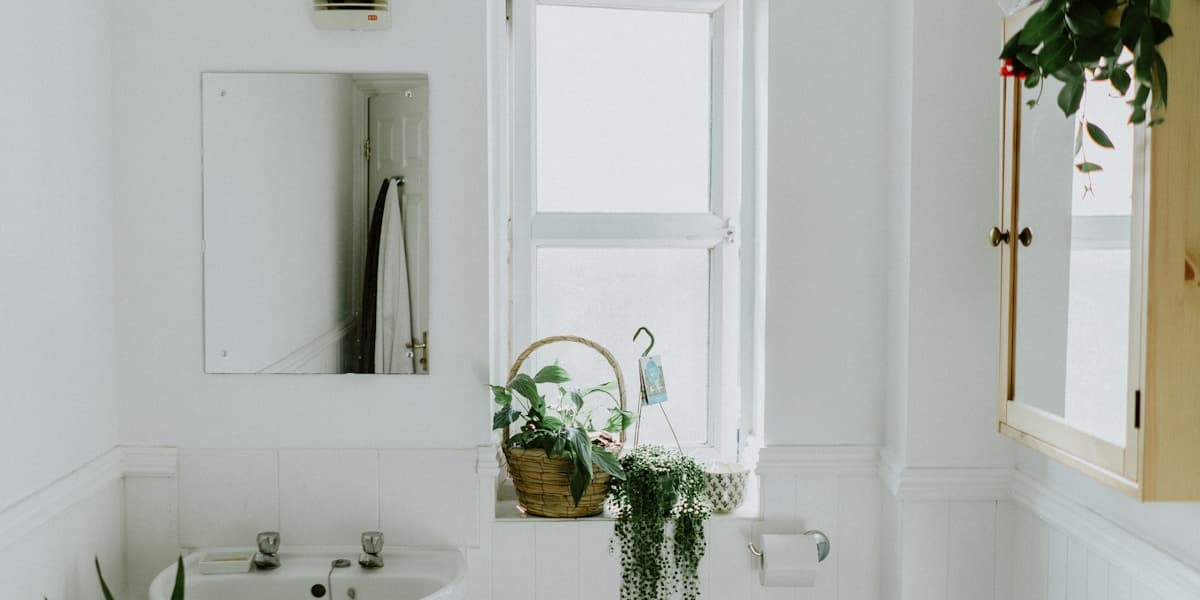
The bathroom living room trend UK small bathroom budget problem starts with the room itself. A typical terrace bathroom or post-war flat washroom has a 700 mm door swing, a 1700 mm bath, a basin that projects 380-450 mm, and a radiator under or beside the window because that was the least annoying place for the pipework. You may have a shaver socket, but you probably do not have a normal BS 1363 socket safely available in the room for a table lamp, and nor should you be casually trailing flex near steam and splashes. If the fan is a tired 15 W unit on a long duct, velvet stools and framed prints are not being given a fair chance.
Ideal Home reported on 1 May 2026 that bathrooms are being pulled towards living-area cues: seating, dressing zones, fire and sauna features. By 28 May 2026, its bathroom awards coverage was already pointing to the more attainable mainstream version: colour, textured tiles and ample storage. That distinction matters. A HousingUK thread on 24 May 2026 discussed a £19,000.00 quote for a bathroom and ensuite without tiles or plastering, while another on 24 April 2026 put a small East London bathroom budget at about £5,000.00. Those two figures explain the whole faff.
Scenario one: texture and closed storage before furniture
The goal is to make a cramped family bathroom feel warmer without asking it to hold a chair.
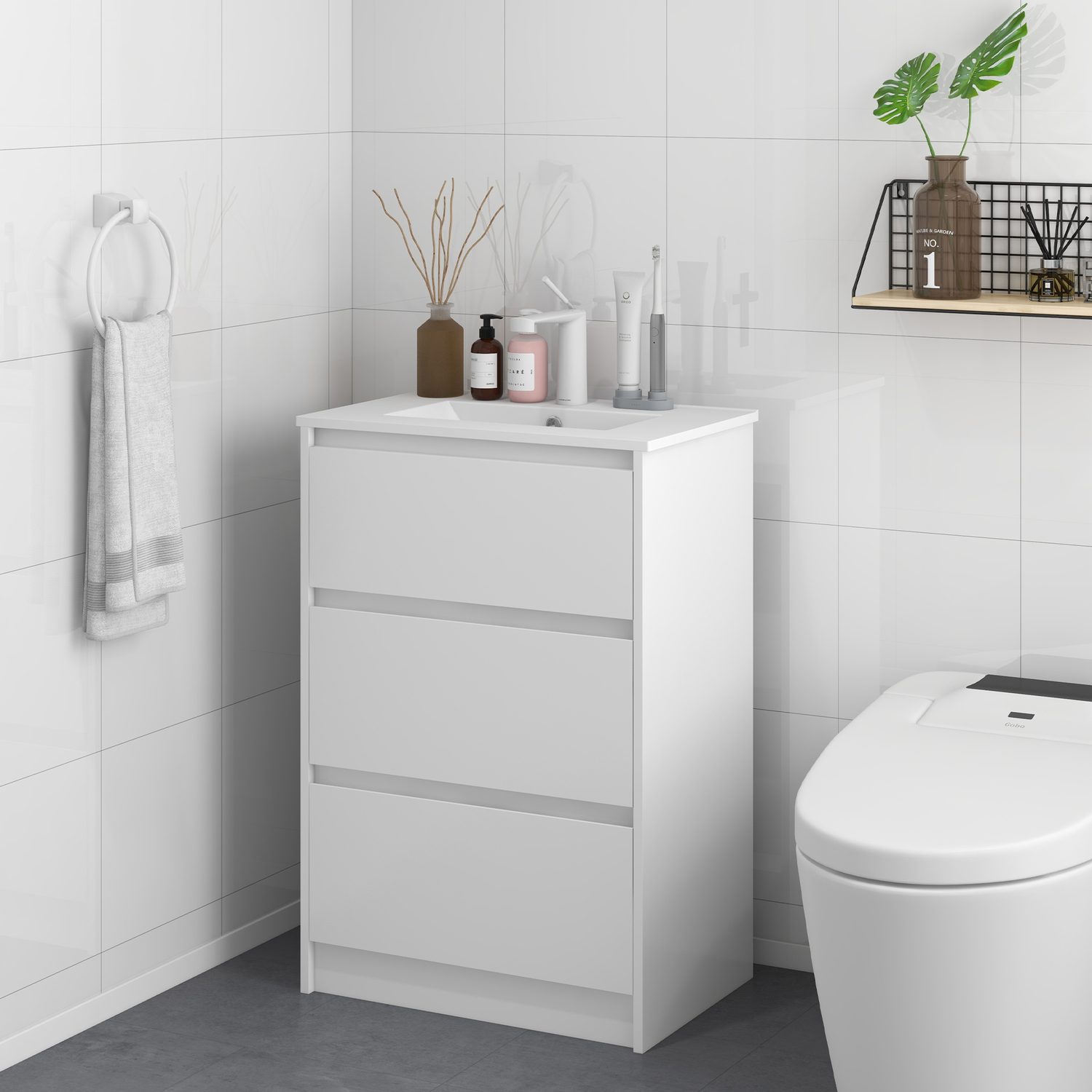
This is the layout I’d draw first for a £5,000.00 refit in a Victorian terrace or a rented-flat bathroom where the landlord will allow storage but not plumbing acrobatics. The living-room feeling comes from reducing visual mess. A 600 mm white gloss bathroom vanity unit with basin is not glamorous, but it swallows toothpaste, spare soap and the half-used bottles that make a small room look like a chemist’s shelf. Closed storage is the unsexy bit that makes colour and texture read as intentional.
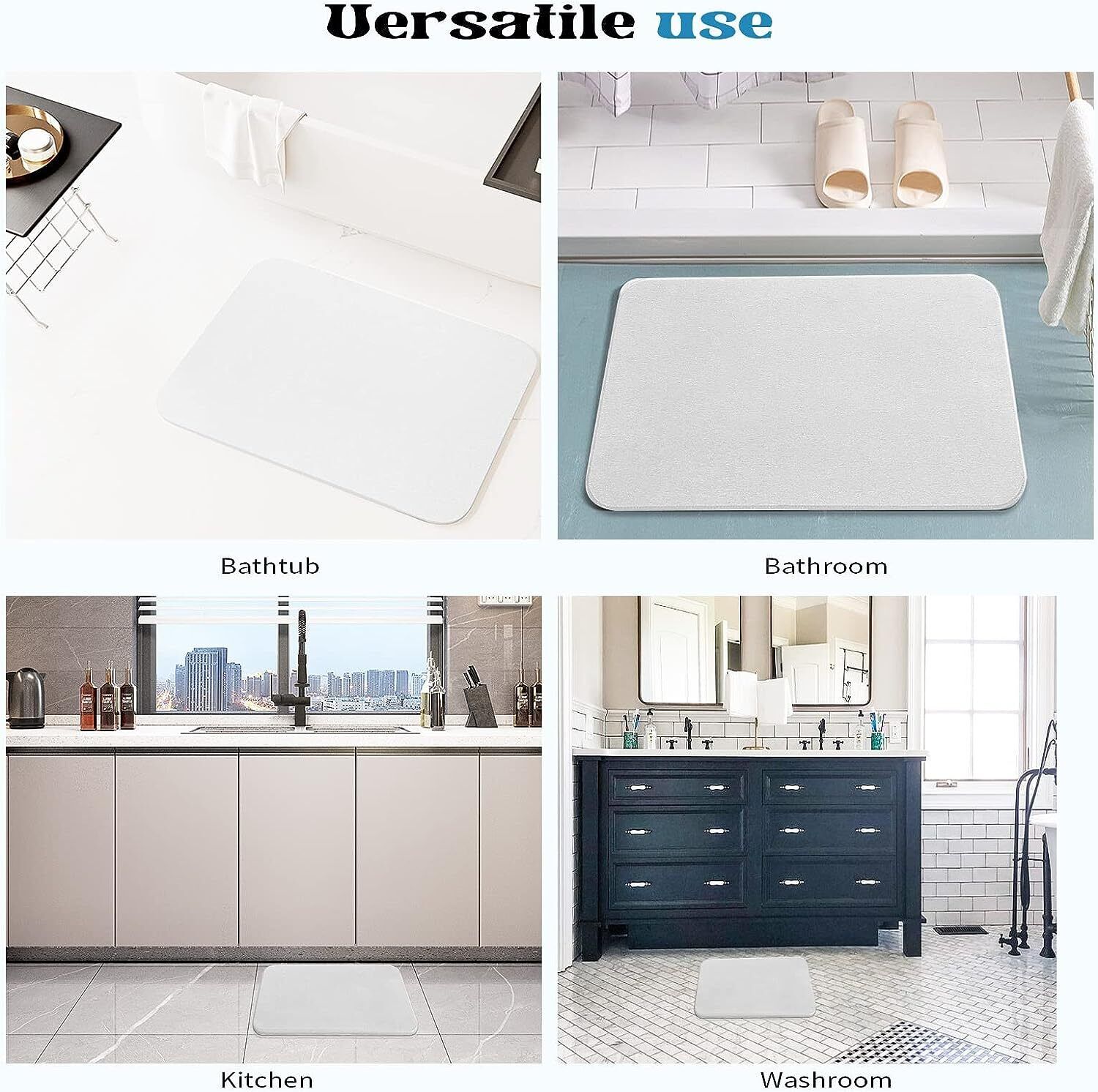
Use the money on tactile surfaces where hands and feet actually notice them: a proper bath panel, a limewash-look bathroom paint above the tile line, decent towels on one rail, and a quick-drying diatomite stone bath mat if the floor is always wet after the school-run shower queue. The trade-off is obvious. There is no “seating moment”. Good. If the central path drops below 650-700 mm, everyone starts turning sideways to reach the loo, and the room stops feeling cosy and starts feeling overstuffed.
Scenario two: colour at the window wall, storage in the dead corner
The goal is to create a softer focal wall without moving the loo or chasing pipes through old plaster.
Small UK bathrooms often have the only natural light on the wall behind the loo. That is awkward for a dressing-zone fantasy, but it is very useful for colour. A green, terracotta or inky blue wall reads as decorated from the landing, before anyone notices that the bath is standard acrylic and the pipe boxing is doing its best. Textured tiles can work here, but the tile budget bites fast. At £53.99 per m², a full-height tiled room can burn through money before the extractor, plastering and waste pipe have had their say.
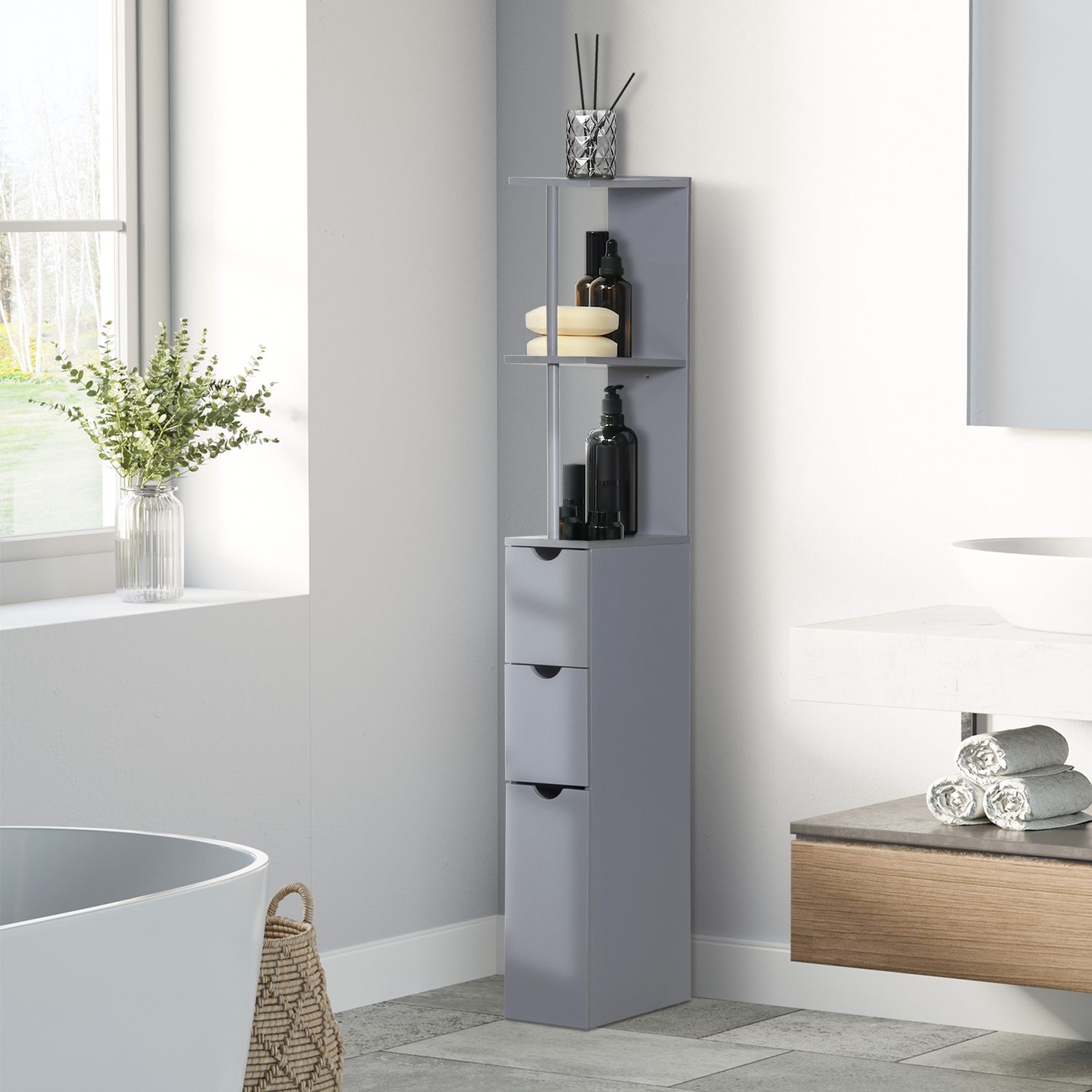
The shelf above the cistern needs discipline. Keep it to a plant that tolerates humidity, a lidded jar and one framed print behind glass. Open shelves full of cotton wool and spare shampoo are not “living room”; they are dust and condensation traps. A tall slim bathroom cabinet in the corner does the harder work. The caveat is door clearance: if the bathroom door opens inward, tape the cabinet footprint on the floor before ordering. A 30 cm projection can still catch your hip at 7:10 in the morning.
Scenario three: shower room version with a dry bench line
The goal is to borrow the spa mood only where the floor plan can stay dry and safe.
This works best in a Manchester new-build ensuite or a converted flat where the bath has already gone and the soil pipe position suits a shower at the end. The “living room” cue is not a fireside chair. It is a dry line: somewhere to put a towel, sit briefly to moisturise a shin, or place clean clothes without them steaming on the cistern. If the shower screen actually contains the water, a small timber-look stool can survive. If it doesn’t, buy better extraction before buying props.
A 60 cm linear shower drain looks calm on drawings, but a flush wet-room floor is rarely a casual budget move in older properties. Falls, tanking and floor build-up matter. For a small bathroom budget, a low-profile tray may be less photogenic and more sensible. The honest caveat with the cosy look is maintenance: fluted screens show limescale, black fittings mark with toothpaste, and chrome shows fingerprints in certain light. None of that is fatal, but it is not the same as styling a dry corner of a sitting room.
Scenario four: the fair case for a real bathroom chair
The goal is to show where the trend genuinely works, because sometimes it does.
The counterargument is fair: bathrooms can be more than rinse-and-run spaces. In a large Edwardian house, a converted bedroom bathroom, or a loft suite with a proper window, mechanical extraction and underfloor heating, a chair is not silly. It gives you somewhere to dress, supervise a child in the bath, or take a minute before bed. Fire or sauna features sit in the same category: convincing only when the services, ventilation and floor area were planned for them from the start.
My answer is that this is a different market from the £5,000.00 small bathroom refit. It needs more floor, more heat and more contingency. A chair placed 20 cm from a bath in a 1.8 m-wide room is theatre, not comfort. If you can keep 900 mm clear in front of the vanity, 600 mm beside the bath, and the fabric out of the splash zone, fine. If you cannot, steal the mood through warm colour, a better mirror, a closed cabinet and one tactile material underfoot. That version is less exciting on social media, but it is the one most UK bathrooms can support.
Common mistakes
The first mistake is buying a tiny accent chair because the photo had one. In a 2 m-wide bathroom, even a 50 cm chair usually blocks the bath panel, the towel rail or the loo approach. The second is treating ventilation as background admin. A weak fan means peeling paint, swollen MDF and towels that never quite get a kip between uses. The third is spending the tile budget on every wall. If the quote is already creeping past £5,000.00, use texture on the wet wall and paint elsewhere with a bathroom-rated finish. The fourth is ignoring storage depth. Deep freestanding units look generous online, then clash with an inward-opening door or a narrow stair delivery. Measure the actual arc of the door, not the empty patch of floor. In small UK bathrooms, 10 cm is the difference between sorted and annoying.
FAQs
Can a small UK bathroom really follow the bathroom living room trend?
Yes, but the useful version is colour, texture, warmer lighting and closed storage. Seating only works if you still have about 1.2 m of clear usable width after the bath, loo and basin are in place.
Is £5,000.00 enough for a cosy bathroom refit?
It can be enough for a modest refresh or a careful like-for-like refit, but not usually for moving plumbing, full-height textured tiling, underfloor heating and built-in seating. Labour and remedial work eat budget quickly.
Where should storage go in a narrow bathroom?
Start under the basin with a 60 cm vanity, then use a tall slim cabinet in a dead corner or behind the door if the swing allows it. Avoid deep open shelving near the shower because it gathers condensation clutter.
Are textured tiles a better buy than bathroom furniture?
Often, yes. Textured tiles on one wall can make a small room feel designed without stealing floor area. Full-room tiling is the expensive bit, so keep the feature focused if the budget is tight.
Can I put a lamp in a bathroom for a living-room feel?
Usually not in the casual table-lamp sense. UK bathrooms have strict electrical zones, and a normal BS 1363 plug is not something to improvise near water. Use suitable bathroom-rated wall lights or a lit mirror installed by a qualified electrician.