The bathroom I keep coming back to is a 2.0 m × 1.7 m box in a London ex-council flat: bath on the left, WC jammed under the window, basin so close to the door that you learn to breathe in. The hallway outside is 78 cm wide and the soil pipe runs boxed-in along the back wall. This is the room behind a May 2026 r/AskUK thread about a mother with arthritis who can no longer climb into the bath. My thesis is simple enough to argue with: a small British bathroom only earns its spa styling if it becomes safer and easier to keep dry first.
What we're working with
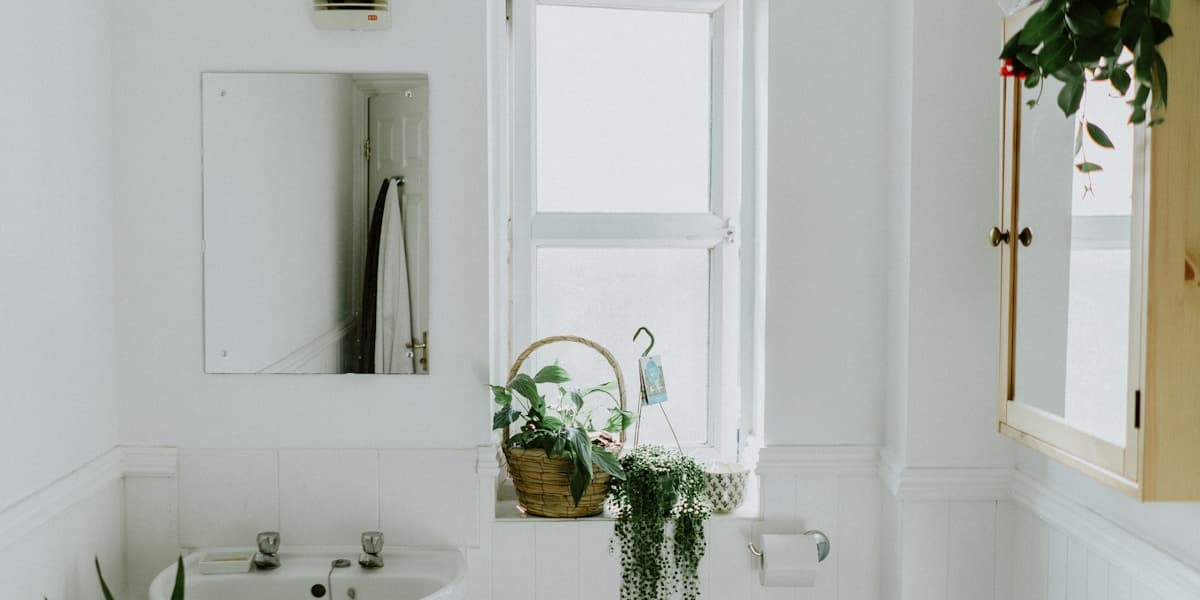
The typical British small bathroom is not a blank wellness suite; it's a set of awkward fixed points. The door often swings inwards because the landing is narrow. The radiator sits under the window because that's where the original pipework landed. The WC wants to stay near the soil stack, especially in Victorian terraces and post-war flats where moving waste across joists is a proper faff. You may have a shaver socket, an extractor on a tired pull cord and a fused spur outside the room rather than a convenient BS 1363 plug anywhere near the mirror.
The cost tension starts there. A wet room in a 2 m × 1.7 m space sounds like one decision, but it is really drainage, waterproofing, heating, slip resistance and storage. The r/DIYUK discussion from 2 May 2026 caught this neatly: people were debating tiles versus waterproof panels, LVT, plastering and the need for a proper bathroom plumber if a sink or waste run moves. That invisible work decides whether the room feels calm or stays damp at the skirting.
Scenario 1: level-access wet room for arthritis or future-proofing
The goal is level access, with the WC and basin kept on existing services to control cost.
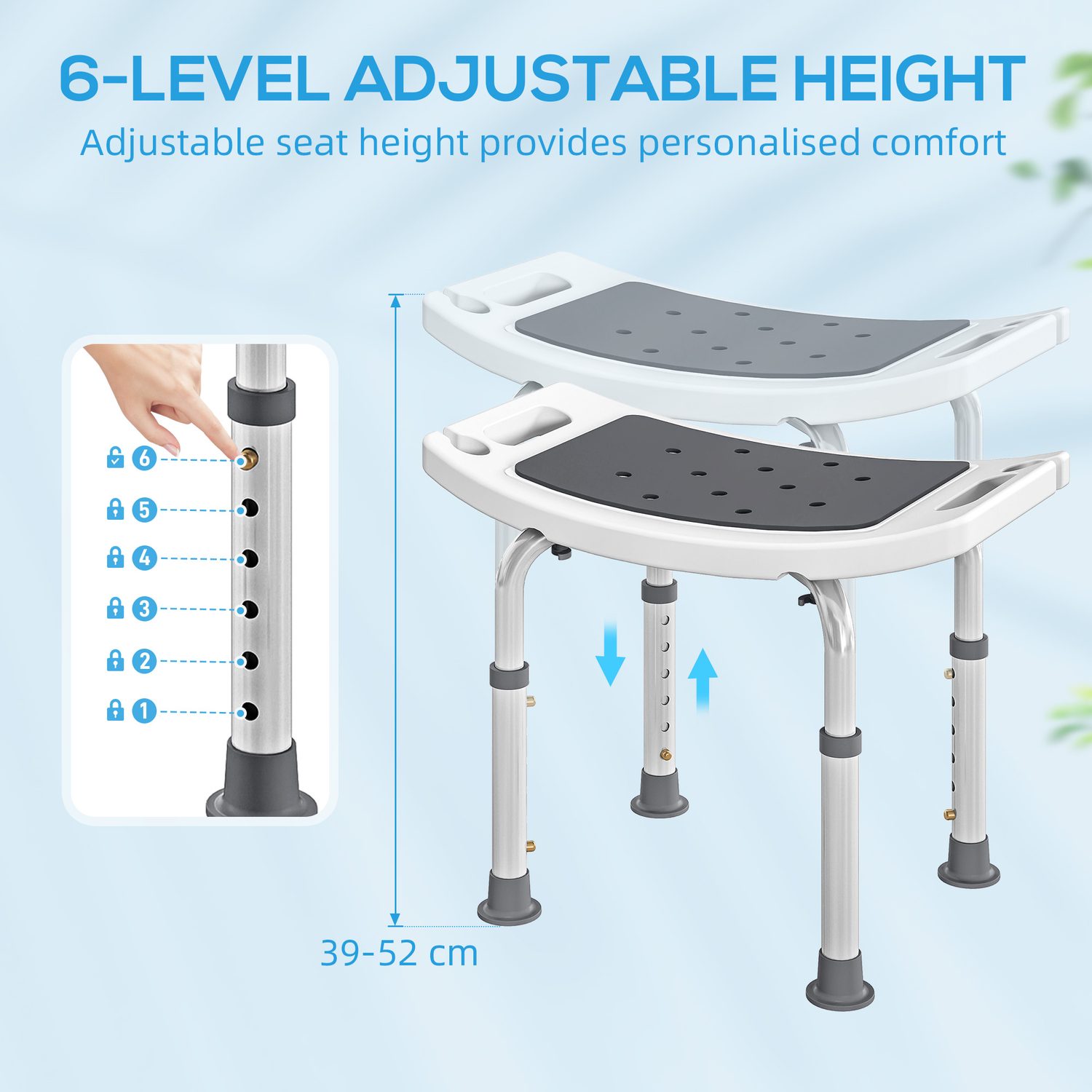
This layout makes sense when stepping over a bath has become the problem. The showering area uses the full width of the room, so a person can enter without turning sharply. If there is a shower chair, leave at least 80 cm clear in front of it and do not let the basin project into that movement line. A fold-down seat or an adjustable shower chair is less photogenic than a timber stool, but it is the thing that may keep someone washing independently.
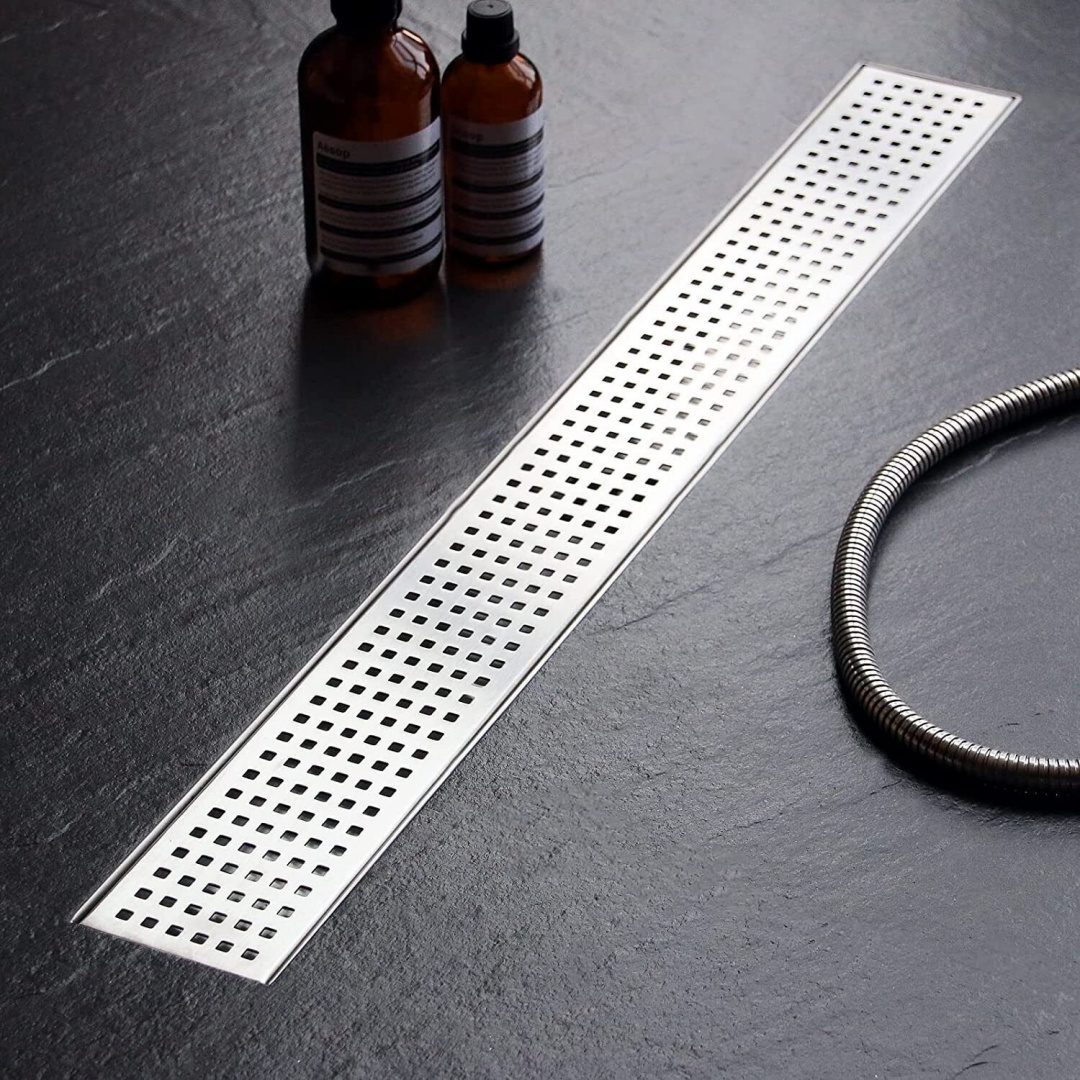
The trade-off is cost risk. A small bathroom wet room cost UK practical design lives or dies on the fall to the drain. A 60 cm linear shower drain can look tidy, but the floor has to be formed correctly, tanked and tested. If a quote says £4,800.00 and ignores the subfloor, alarm bells. In flats, the building may not give you enough depth for a recessed former without raising the whole floor by 25-40 mm at the doorway. That lip defeats some of the access benefit.
Panels can be savvy here. Large waterproof panels reduce grout lines and cleaning, although the trims need careful sealing and some gloss finishes show fingerprints in low winter light. Tiles feel more traditional, but tiny mosaic floors can be grim to scrub if the grout discolours after a year.
Scenario 2: keep the bath, make the showering zone drier
The goal is a lower-disruption layout where the bath stays because budget, kids or resale still matter.
This is the layout for the household that is not ready for a full wet room. A bath is still useful for small children, soaking laundry and the odd emergency bucket job when the boiler sulks. In a rented flat, or a first 1930s semi where every trade quote hurts, keeping the bath and waste positions can save more than any clever tile choice.
The point is to stop pretending an over-bath shower is automatically dry. A floppy curtain in a 1.7 m-wide room usually means wet flooring by the loo and a bath mat that never quite recovers. A fixed screen of 80 cm gives a better splash line, but it must be paired with a decent riser height and a shower head that does not blast sideways at 15 litres per minute. Water-saving handsets can help; the caveat is that cheap chrome often spots and the promised pressure boost cannot fix poor mains pressure.
This is not level access. If arthritis, balance or a dodgy hip is the reason for the project, keeping the bath is a compromise that may expire quickly. Still, for families trying to avoid a £7,500.00 refit, it can be the right halfway house if you add a grab rail fixed into proper backing rather than plasterboard.
Scenario 3: remove the bath for a walk-in shower, but keep a dry strip
The goal is a shower-first bathroom that doesn't make the whole floor wet every morning.
This is often the best plan for a 2.4 m × 1.8 m bathroom in a Manchester new-build or a compact 1930s semi. You gain elbow room because the bath's 70 cm-high wall disappears, but you keep a defined wet zone. The dry strip by the basin matters more than lifestyle photography admits. It is where you stand in socks, wipe a child's face before the school run and open a cabinet without dripping into the toilet roll stack.
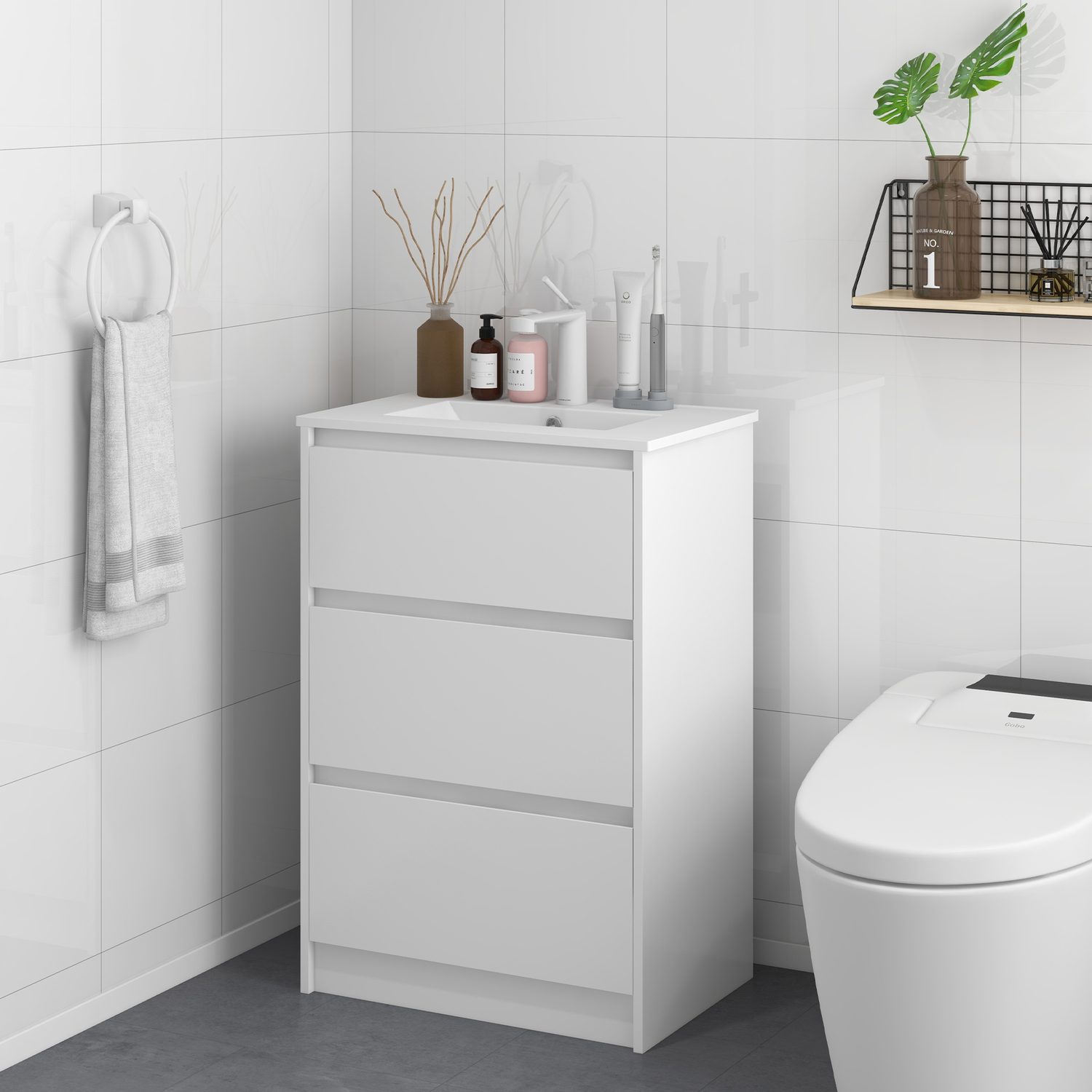
A 600 mm vanity unit with basin can be useful here because it hides pipework and gives proper storage. Go wall-hung if the floor area is mean; seeing tiles run underneath tricks the eye and helps mopping. The snag is fixing. A vanity loaded with bottles can easily carry 25 kg, so plasterboard alone is not enough. Ask what it is fixed to before anyone tiles.
This is also the layout where LVT gets debated. It is warmer underfoot and less slippy than polished tile, but only if it is specified for bathrooms and fitted around edges properly. If the installer says the silicone will sort it, that is not sorted. The detail at the tray, door threshold and WC pan is the detail you pay for.
Scenario 4: add warmth without pretending the bathroom is a lounge
The goal is a cosier room using surface and storage choices, while keeping maintenance realistic.
Ideal Home, on 1 May 2026, reported bathroom trends moving towards spaces that feel as cosy as living areas rather than simply practical wash spaces. Fair enough. British bathrooms can feel cold, especially with white tiles, a north-facing window and an extractor that sounds like a small aircraft. Texture helps. So does warmer lighting at 2700-3000K, a timber-effect cabinet and a quick-drying diatomite mat that does not sit soggy on the floor.
The counterargument deserves respect: if a bathroom feels clinical, people rush, balance gets worse and the room becomes a chore. A spa reference can push homeowners away from mean little plastic fittings and towards better lighting, nicer handles and storage that looks like furniture. That is good design.
Where the trend misses the British bathroom is moisture. Upholstered stools, open timber ladders and deep display shelves in a 2 m room are asking a lot of an extractor rated at 15 W and a family of four taking back-to-back showers. A slim bathroom cabinet is more useful than a decorative chair if it gets toothpaste, razors and spare loo roll off the basin edge. Warmth should be wipeable. Texture should survive condensation.
Common mistakes
The first mistake is making everything wet because the word wet room sounds luxurious. In a tiny flat bathroom, a full wet floor can mean damp slippers, wet toilet paper and sealant doing too much work. Keep a dry standing zone if you can.
The second is moving the WC for symmetry. Soil pipes are stubborn. In older terraces, chasing a new waste route can push the job from cosmetic to structural faster than anyone expects. Spend the money on drainage and tanking before feature tiles.
The third is choosing a vanity that blocks the door swing. A 600 mm unit can be fine; a 460 mm projection in a 1.7 m-wide room may leave you sidestepping every morning. Tape it on the floor first.
The fourth is under-specifying extraction. A cosy bathroom with poor ventilation is just a damp bathroom with better lighting. Check the duct run, not only the fan face.
FAQs
Is a wet room worth it in a 2 m × 1.7 m bathroom?
It can be worth it if access is the main reason, especially for arthritis or balance problems. If the aim is only a spa look, a defined walk-in shower with a dry strip is often cheaper and easier to maintain.
What costs most in a small UK wet room?
The expensive parts are usually floor falls, tanking, drainage and labour around existing waste pipes. Tiles and taps are visible, but the hidden waterproofing decides whether the room lasts.
Are waterproof wall panels better than tiles?
Panels reduce grout and can be easier to clean, which helps in small bathrooms with poor ventilation. Tiles allow more design choice, but grout needs maintenance and bad prep can still fail.
Should the bathroom door open outwards?
For access, yes, if the landing or hallway allows it safely. In many UK homes with narrow stairs, an outward door can clash with circulation, so a pocket door or rehung swing may need careful checking.
Can I fit a shower chair in a tiny wet room?
Yes, but plan it before plumbing. Leave around 80 cm of usable approach space, position controls within reach when seated and fit grab rails into proper backing rather than relying on plasterboard fixings.