
At 11:40 on the first properly hot night in our 3.4 m by 2.7 m bedroom, the duvet was folded on the floor, the fan was doing its sad little orbit, and the fitted sheet had pinged off the mattress corner again. That is the real British heatwave bed: too much fabric in March, not enough useful fabric in May, and nowhere in a rented flat to store a spare 10.5 tog duvet. This is a head-to-head between specialist cooling bedding and a plainer breathable low-tog layering system. My thesis is blunt: for most UK heatwave nights, breathable layers beat cooling-labelled bedding because they cope better with storage, shared beds and the temperature drop at 4am.
The case for specialist cooling bedding
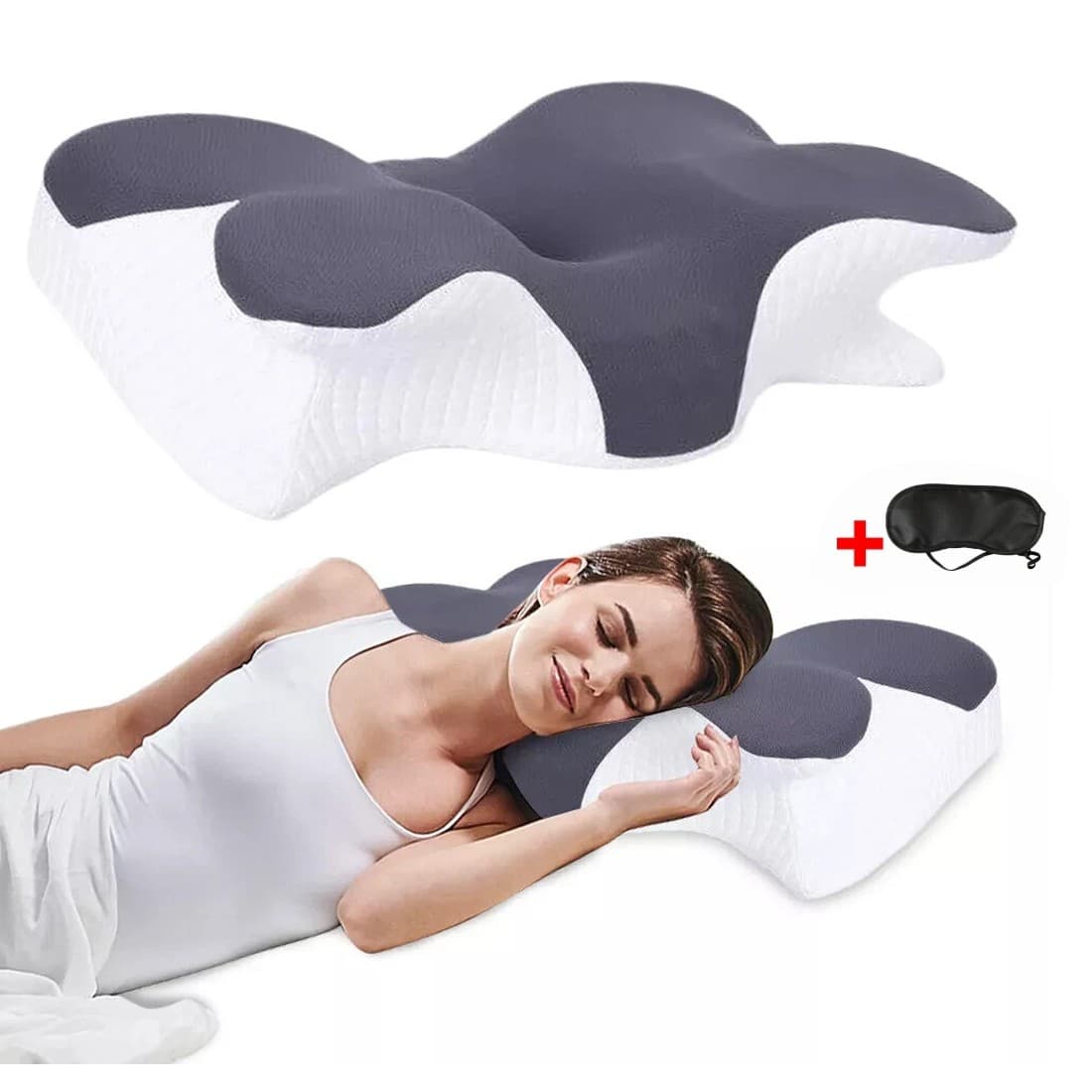
Cooling bedding has a fair argument. If you run hot, a cool-touch pillowcase or phase-change mattress topper can feel like relief in the first ten minutes, which is exactly when a sticky room makes you furious. After Britain saw temperatures over 30C, Ideal Home reported on 30 May 2026 that budget cooling bedding ranges were back in the shops, which tells you how predictable the scramble has become. The appeal is obvious: buy one thing, put it on the bed, feel as if you’ve done something.
The good versions are not all nonsense. A smooth pillowcase can reduce that clammy cheek-on-polycotton feeling, and a breathable mattress protector matters more than people think because it sits directly under your sheet. If your current protector is plasticky, switching it may make a bigger difference than replacing the duvet. A cooling pillowcase in the £12.00 to £35.00 bracket is also easier to justify than buying a new summer duvet and finding a cupboard for the old one.
The catch is that cooling claims often ask too much of one textile. A pillowcase cannot lower a 26C bedroom with a west-facing window, closed internal doors and a carpet holding the day’s heat. Some fabrics feel cool because they are slick, not because they breathe well. That can be lovely for five minutes and a bit sweaty by 2am. The counterargument is that specialist bedding is useful for menopausal night sweats, hot sleepers and people sharing a UK king-size mattress, 150 x 200 cm, with someone who insists they are freezing. I buy that. I just don’t think it wins as the main answer to the average British heatwave bed.
The case for breathable low-tog layering
The better fix is less glamorous: breathable fibres, lower tog, and layers you can remove without waking the other person. Ideal Home’s May 2026 duvet guide makes the sensible point that tog, material and ease of care matter more than seasonal language. A 4.5 tog or 5 tog summer duvet is not exciting, but it is legible. You know roughly what job it is doing. Reddit’s r/AskUK heatwave threads from 22 May 2026 were full of people moving from 12 tog winter duvets to 4.5 or 5 tog options, plus a lot of confessions that there is no storage for multiple duvets. That last bit is the bit shops rarely solve.
Layering solves more of the actual night. A cotton percale fitted sheet, an empty duvet cover, and a lightweight wool or cotton blanket at the foot of the bed gives you options at 11pm and at 4am, when British heatwaves often turn into a draught under the door. Linen is brilliant if you like a rumpled bed and can tolerate the price; cotton is cheaper and easier to replace; wool sounds mad in summer but a very light wool layer can regulate better than a synthetic throw. The decent move is to avoid polyester-filled summer duvets if you are already sleeping hot. They are cheap, yes, but they can trap heat just when you want moisture to move away from skin.
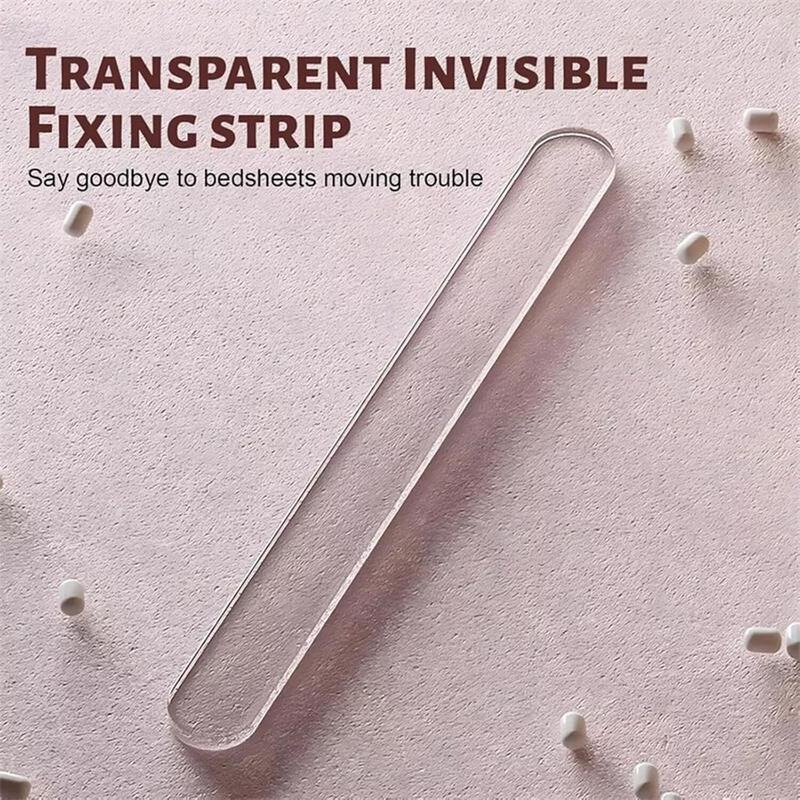
This setup is also savvier in small homes. An empty duvet cover folds to the size of two jumpers. A 4.5 tog single duvet for the hotter sleeper on one side of a double bed is less elegant than a matching hotel bed, but it works. If your fitted sheet creeps off a deep mattress, a set of sheet fasteners is not glamorous, but it can stop the midnight faff; Villalta Home Co.’s adjustable bed sheet fasteners are the sort of unsexy textile accessory that makes a breathable layer behave. No miracle claims. Just fewer corners pinging loose.
The honest trade-off
Specialist cooling bedding wins on immediacy. It is easy to buy, easy to understand, and it scratches the itch when the room is unbearable and you want a fix by bedtime. The trade-off is that the effect can be shallow, especially if the base layers are still synthetic or the mattress protector is doing the equivalent of cling film. Breathable low-tog layering asks more of you. You need to read labels, accept a less dressed-looking bed, and possibly wash sheets more often because natural fibres show creases and body oils faster than shiny synthetics.
A cool pillowcase is a sticking plaster; a breathable, low-tog bed is the bit you can actually control.
There is also a storage compromise. A second duvet is bulky even in a vacuum bag; the £8.99 bag I tried reduced the loft but turned the airing cupboard into a game of Tetris. That is why I’d rather build summer bedding around covers, sheets and one genuinely lightweight insert than chase a full cooling set.
Which to pick by use case
- Rented flat under 60 m² with one wardrobe: pick breathable low-tog layering. Use an empty duvet cover during hot spells and keep one 4.5 tog insert rather than storing a winter-and-summer duvet wardrobe.
- Shared bed where one person overheats and the other wants cover: pick breathable low-tog layering. Two single lightweight duvets on a UK king-size mattress look a little Scandinavian in a suburban way, but everyone gets a better kip.
- Hot sleeper who mainly struggles with face and neck heat: pick specialist cooling bedding, but limit it to the pillowcase or pillow protector. Do not buy a whole synthetic cooling bundle if the rest of the bed is already trapping heat.
- Victorian terrace bedroom with a west-facing window and no loft storage: pick breathable low-tog layering. The room is the problem, but cotton, linen or light wool layers give you more control than a single cool-touch sheet.
FAQs
What is the best cooling bedding for UK heatwave nights?
For most homes, the best cooling bedding for UK heatwave nights is not a full cooling set. It is a breathable fitted sheet, an empty cotton or linen duvet cover, and a 4.5 tog or 5 tog duvet only when the night cools.
Is a cooling pillowcase worth buying?
Yes, if your main problem is a hot face or sweaty neck. It is less useful if the mattress protector, duvet filling and sheet are synthetic, because those layers affect far more of your body.
Should I swap from a 12 tog duvet to a 4.5 tog duvet?
During a heatwave, yes. A 12 tog duvet is winter bedding. A 4.5 tog or 5 tog duvet gives enough cover for cooler early mornings without the heavy insulation that makes warm bedrooms miserable.
What if I have no space to store another duvet?
Use an empty duvet cover as the main summer layer and keep one light blanket at the foot of the bed. If you do buy a summer duvet, consider one shared household duvet rather than duplicates for every bed.
Are linen sheets cooler than cotton sheets?
Linen usually feels airier and handles moisture well, but it creases heavily and costs more. Cotton percale is the safer buy if you want a crisp sheet that washes easily and does not make the room look permanently slept in.
Can bedding fix an overheated bedroom?
No. Bedding can reduce trapped heat against your skin, but it cannot cool a badly ventilated room. Fans, shaded windows, open internal doors and cooler sleeping arrangements still matter.