
At 8:15 on a damp September morning, I watched a new runner in a hi-vis vest pause by the kerb outside a Victorian terrace, phone in hand, clearly deciding whether graduation from NHS Couch to 5K meant “try 10K now” or “go home and have toast”. That is the real UK question: what to do after NHS Couch to 5K UK, once the app stops telling you what happens next. My answer is deliberately plain: treat the next month as consolidation, not a launchpad for panic mileage.
The short answer
After NHS Couch to 5K, spend four weeks running easily three times a week, adding two short strength sessions, and keeping any home cardio modest. Do not rush into a 10K plan unless your joints, calves and sleep all feel boringly fine. The thesis is simple and arguable: most new Couch to 5K graduates would improve more from a dull month of repeatable habits than from chasing a longer distance straight away.
The longer answer
Why not jump straight from 5K to 10K?
The NHS Couch to 5K plan works because it is progressive. It uses run-walk intervals over weeks to build fitness and confidence, rather than pretending that willpower can replace adaptation. Your heart and lungs often improve before your shins, ankles, hips and tendons have caught up. That gap is where trouble starts.
A 6 September 2026 UKRunners thread asked exactly what should happen after Couch to 5K graduation, and one sensible reply suggested two weeks of easy running so joints and muscles can catch up with the cardiovascular system. That advice sounds unglamorous because it is. It is also the sort of thing people only appreciate after a dodgy calf turns a proud 5K finish into three weeks of limping down narrow stairs.
What should the first four weeks look like?
Keep the shape familiar. Run three times a week for 25 to 35 minutes at a pace where you could speak in short sentences. If you finished Couch to 5K running for 30 minutes, do not suddenly make every run 45 minutes because the weather is cooler. September makes runners feel heroic; pavements still do not care.
A boring week might be Tuesday easy run, Thursday easy run, Saturday parkrun-style effort without racing it. Leave at least one day between runs. If a route is hilly, count it as harder. If your 5K took 38 minutes, that is still a proper run. Write down time, effort and any niggle in a £1.50 notebook or phone note. You are looking for patterns, not medals.
Should you do home cardio as well?
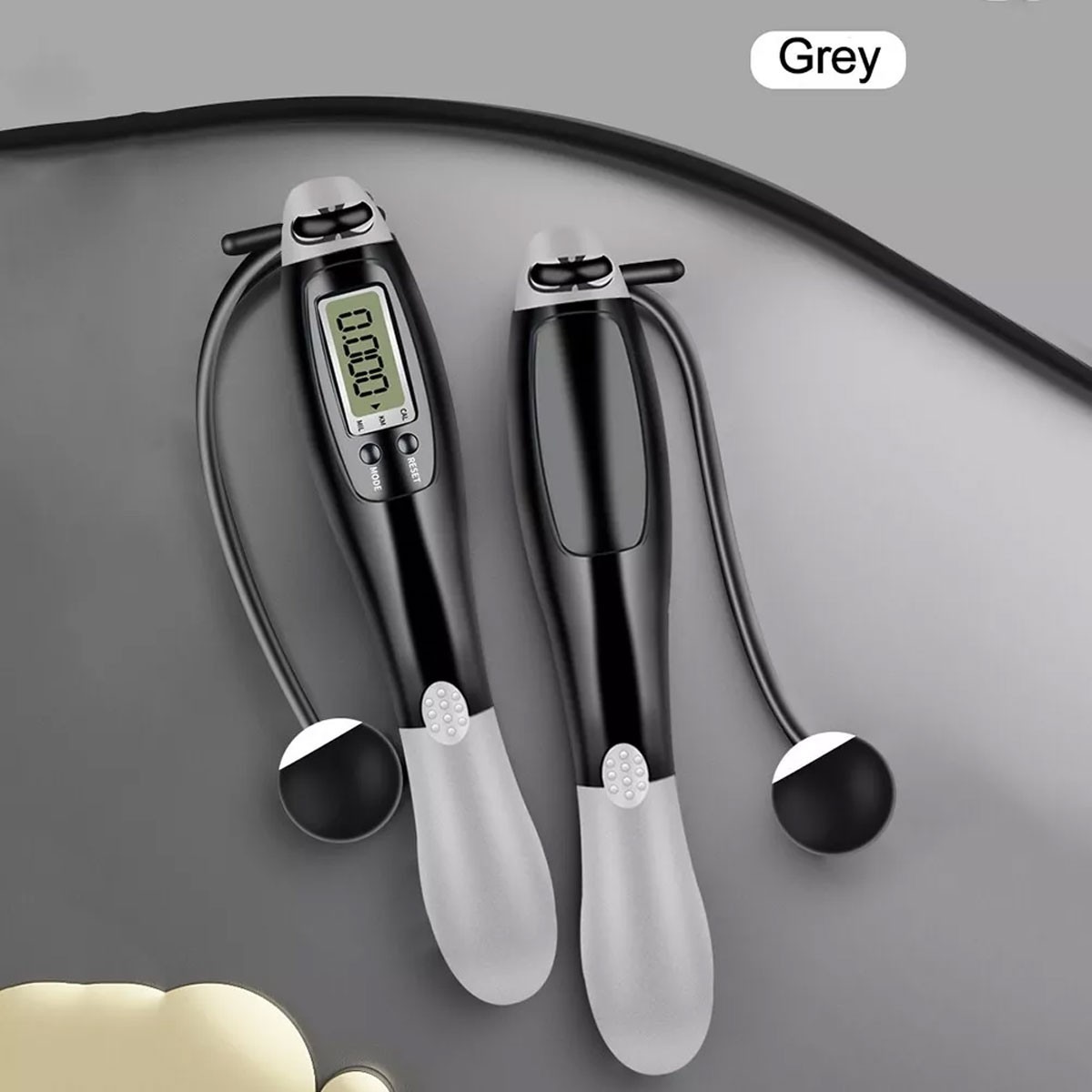
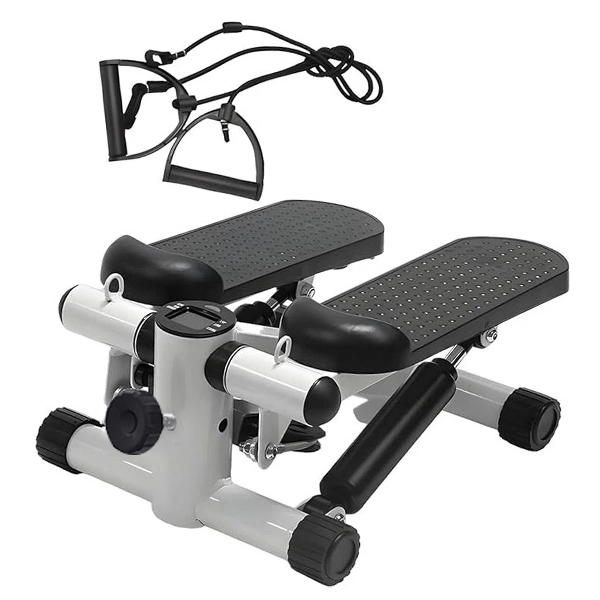
Yes, but only if it helps your running rather than becoming secret extra training. A 10-minute easy session on a mini stepper, a few rounds on a cordless skipping rope, or low step-ups on a 10 cm to 15 cm aerobic step can be useful on dark evenings when you do not fancy wet pavements. Keep it light enough that your calves are not humming the next morning.
This is where home kit earns its keep in rented flats and Manchester new-builds with tiny spare rooms: it removes the faff. It should not become punishment. Ten minutes while the pasta boils is plenty. If you are sweating through a 40-minute stair-stepper session the day after your longest run, you are no longer consolidating; you are quietly building a fatigue debt.
What about strength and recovery?
Strength work is the bit most new runners skip because it does not feel like running. Do it anyway. Twice a week, spend 15 to 20 minutes on calf raises, sit-to-stands, glute bridges, side steps with a light band, and slow step-downs from the bottom stair. A cheap resistance band at £6.00 and a sturdy chair are enough. You do not need a garage gym.
Recovery is not laziness. Runner’s World’s September 2026 training page being full of comeback plans and soreness checklists tells you something about autumn: people return from summer, get keen, then wonder why everything aches. Sleep, food and easy days are training inputs. If your resting legs feel heavy walking to the bus stop, that is data. Listen before you add distance.
Isn’t a 10K goal motivating, though?
It can be. A clear goal suits plenty of people, and some graduates will be ready for a 10K build if they have a sport background, no niggles, and have finished Couch to 5K feeling fresh rather than rescued. Motivation matters, especially after the app’s structure disappears.
The problem is treating 10K as the only respectable next step. It is not. A faster-feeling 5K, a consistent month, or being able to run through October without your knees complaining are all decent goals. If you want a 10K, give yourself eight to twelve weeks and keep most running easy. There is no prize for turning September enthusiasm into November physio appointments.
Related questions
What is the best running plan after Couch to 5K in the UK?
The best plan after Couch to 5K is usually four weeks of steady consolidation: three easy runs a week, two short strength sessions, and no big jump in distance. In the UK, that fits well around parkrun, darker evenings and the school run, without needing a paid plan or a gym membership.
Can I do parkrun every week after NHS Couch to 5K?
Yes, you can do parkrun weekly after NHS Couch to 5K, but treat it as an easy run most weeks rather than a race. If you sprint the last kilometre every Saturday, your legs may not recover well enough for the next week’s runs. Chatty pace is sorted for now.
How soon after Couch to 5K can I train for a 10K?
Most new runners should wait two to four easy weeks before starting a 10K plan. Start sooner only if you finished Couch to 5K comfortably, have no soreness, and already recover well between runs. A sensible 10K build then takes roughly eight to twelve weeks for many beginners.
What strength exercises help after Couch to 5K?
The most useful strength exercises after Couch to 5K are calf raises, glute bridges, sit-to-stands, side steps with a band, and controlled step-downs. They target the lower-leg and hip strength new runners often lack. Keep sessions short, about 15 to 20 minutes, twice a week.
Should I use a treadmill or home cardio machine after Couch to 5K?
A treadmill or small home cardio machine can help after Couch to 5K if it keeps you consistent without adding hard effort. Use it for short, easy sessions when weather, childcare or dark streets get in the way. It should support your running week, not sneak in another exhausting workout.
Why do my legs ache after finishing Couch to 5K?
Your legs may ache after Couch to 5K because muscles, tendons and joints adapt more slowly than your breathing fitness. Mild soreness can be normal, but sharp pain, one-sided pain or pain that changes your walking needs rest and possibly professional advice. Do not run through anything that feels wrong.
The move after Couch to 5K is not dramatic. That is the point. Repeat the habit, make your body sturdier, and keep a little cardio in reserve for the days when British weather makes the front door feel miles away. If you are asking what to do after NHS Couch to 5K UK, the most grown-up answer is this: spend a month becoming the sort of runner who can train again next month. The 10K will still be there.