Dehumidifiers That Earn Their Plug in a UK Flat — 5 Picks From £82 to £172
Damp in a UK home isn't usually catastrophic — it's the slow stuff. Mould along the bathroom silicone, a wardrobe that smells off by February, towels that take two days to dry on the radiator. Five dehumidifiers we'd actually recommend, from £82 budget unit to £172 laundry workhorse.
If you've ever come back to a Manchester flat after a long weekend and found the bedroom window streaked with condensation and the duvet faintly musty, you already know what we're solving here. Damp in a UK home isn't usually catastrophic — it's the slow stuff. Mould creeping along the silicone seal in the bathroom. A wardrobe that smells off by February. Towels that take two days to dry on the radiator. The kind of thing landlords blame on "lifestyle" and tenants live with because it never feels bad enough to ring anyone about.
A decent dehumidifier sorts most of that for the price of about three pub dinners. Below are five we'd actually recommend — small budget unit through to the proper laundry-drying workhorse — with honest notes on where each one falls down.
How we're thinking about this
A dehumidifier earns its plug if it does three things: pulls enough water out of the air to drop a damp room into the 50–60% relative humidity comfort zone, doesn't drive you mad with noise, and is easy enough to move between rooms that it actually gets used. Capacity (litres per day) is the headline number, but in a UK flat it matters less than tank size, drainage options, and where you'll store the thing when guests come over.
Two practical UK things to factor in: most older flats have a single non-condensing tumble dryer outlet or no dryer at all, which means drying clothes indoors is the main moisture source half the year. And second, if you're in a rental, you want something portable on castors, not a heavy fixed unit that signals "the bathroom has issues" the moment anyone walks in.
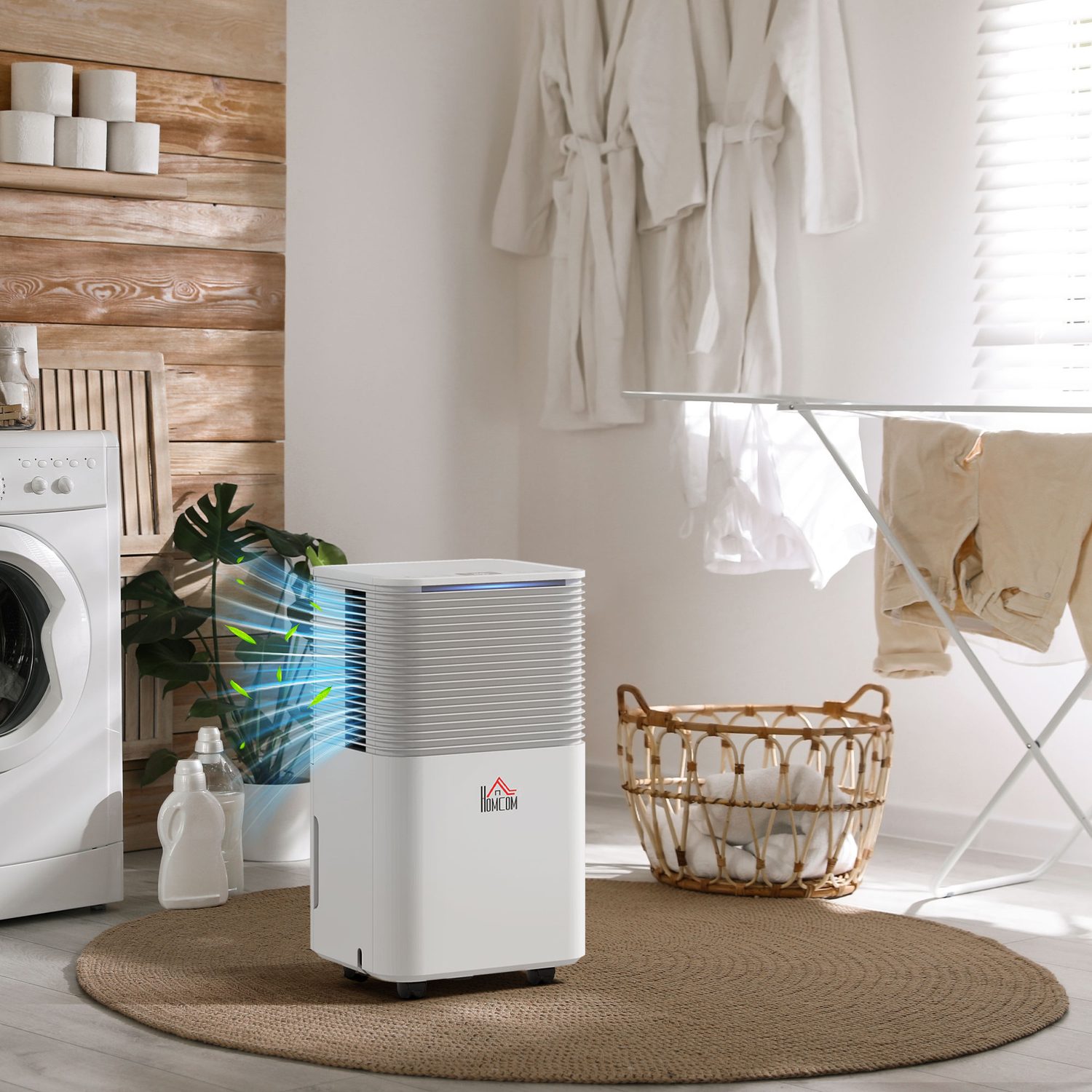
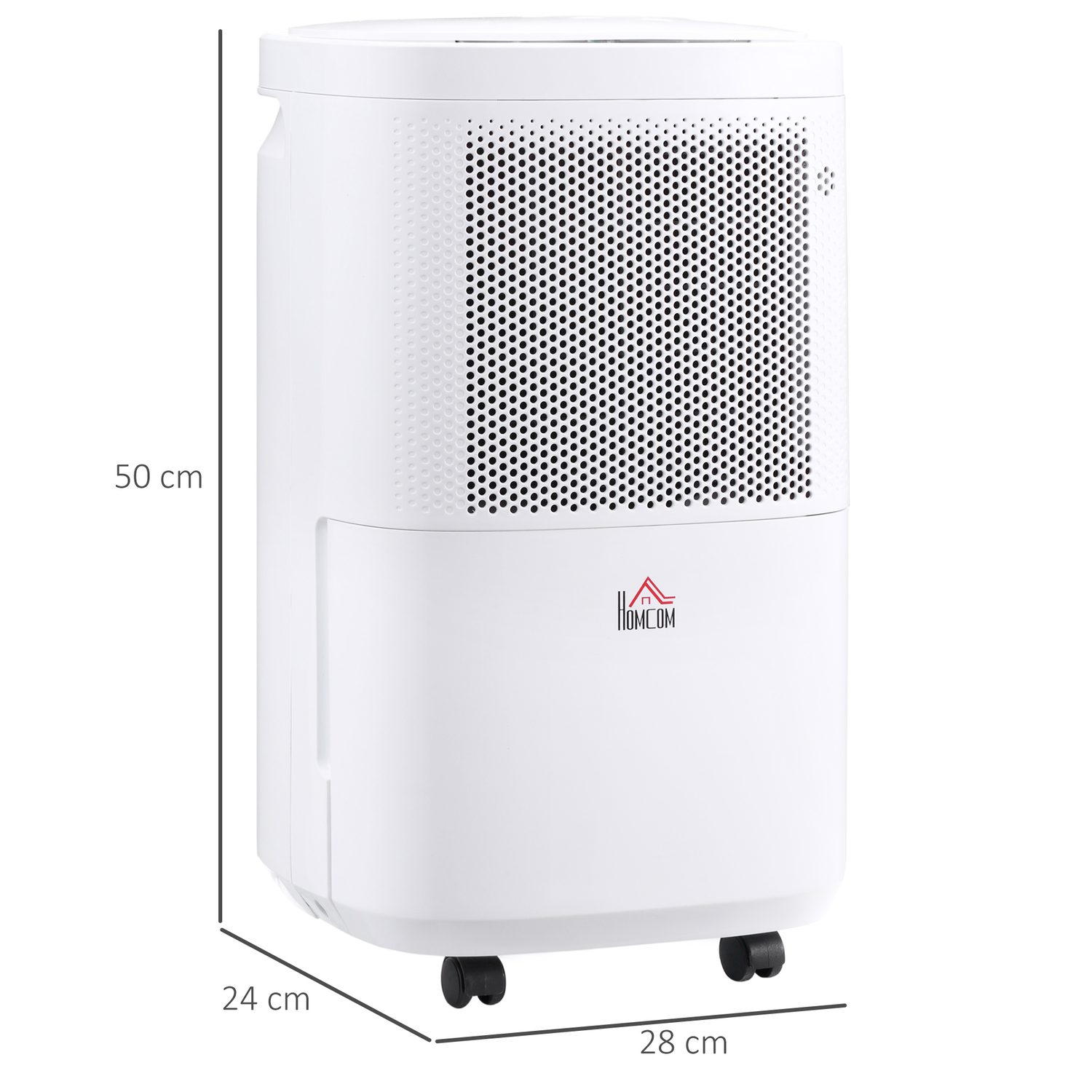
The cheapest one we'd happily live with. Ten litres a day sounds modest, but for an 8–12 m² bedroom or a small box room where the issue is condensation rather than full-on damp, it's the right size. Three modes (auto, drying, sleep), a 24-hour timer, four castors, and an LED display that doesn't try to do anything clever. The 38 dB sleep mode is genuinely quiet — closer to a fridge hum than a fan.
Where it falls down: the 2-litre tank is small. If you're running it through a wet washing load, expect to empty it twice a day. And the rated performance is at 30°C / 80% RH — a chillier Yorkshire bedroom in November will pull noticeably less than the box says. Fine for the box room or a bedside use; not the one for a damp basement.
The savvy pick if you'd actually use the app. Same 10 L/day capacity as the budget unit above, but with WiFi, Alexa, Google Home, and a front-loading 2.2-litre tank that slides out without having to wrestle the whole appliance. The convenience that matters here isn't "switch it on from the bus home" — it's getting a phone notification when the tank's full instead of finding it idle at 3pm because it cut off at 11am.
The trade-off is the price-to-capacity ratio. You're paying £85 for the same extraction you get for £82 above, and the WiFi is genuinely useful only if you keep it in a room you're not in much (a utility space, a basement, a spare bedroom you only use as a drying room). For the master bedroom where you're walking past it five times an evening, the app's a nice-to-have you'll stop opening after week two.
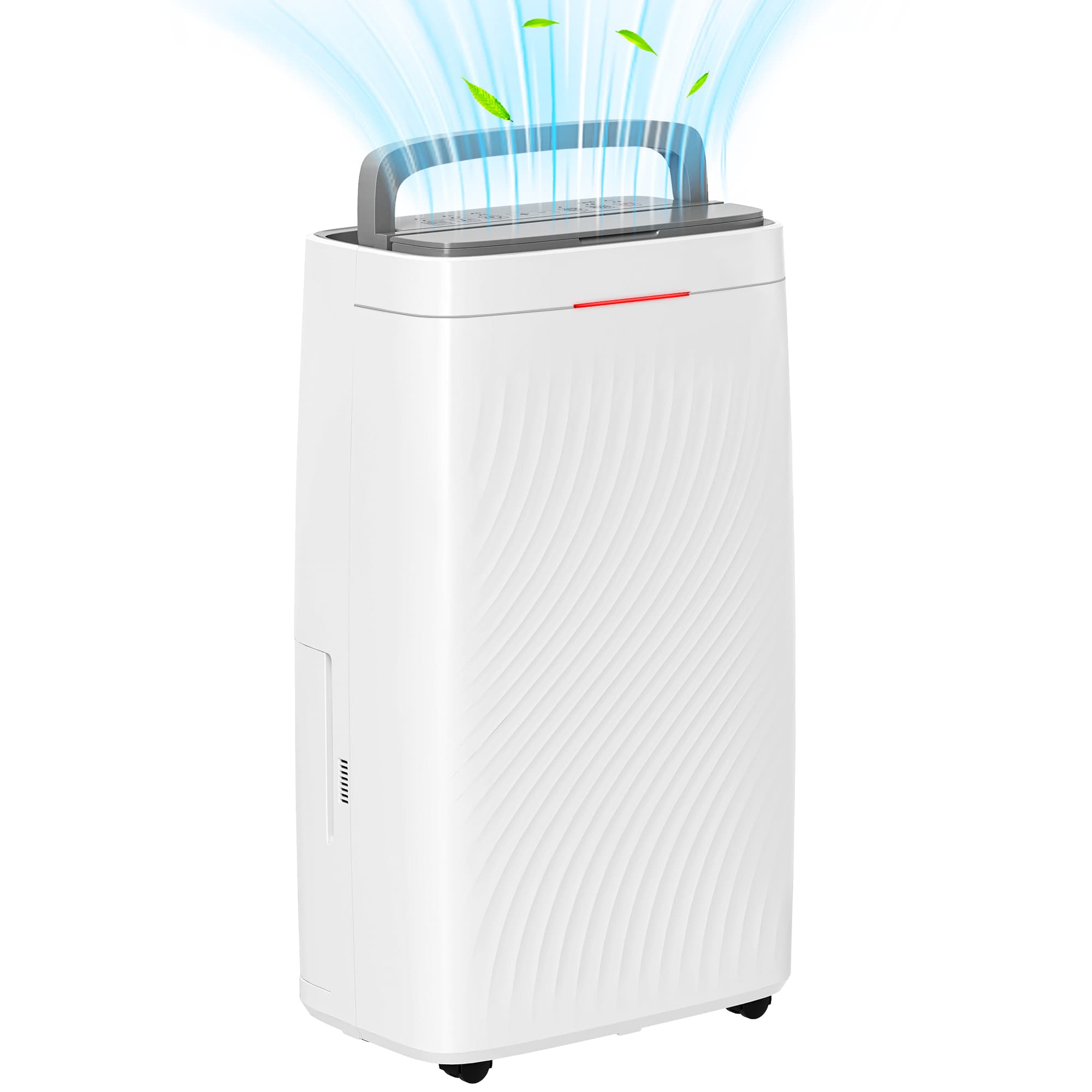
This is the one to buy if you've got proper damp — the kind that comes back every winter, the kind your bathroom extractor was never going to fix. The headline feature isn't the 12-litre capacity; it's the continuous drainage hose. Route it into the bath, a sink, or out through a window vent, and the unit runs indefinitely without you ever having to think about a tank.
For Victorian terraces with chronic moisture in the rear lean-to, or for ground-floor flats where the patio door is the coldest single surface in the house, that's the difference between a dehumidifier that solves the problem and one that gets forgotten behind the hoover after a fortnight. The washable filter (no replacement cartridges to buy) is a small but real saving over time. Noise sits at 38 dB. The honest caveat: the body is plain white plastic, not a design object. If you want a dehumidifier that looks like furniture, this isn't it.
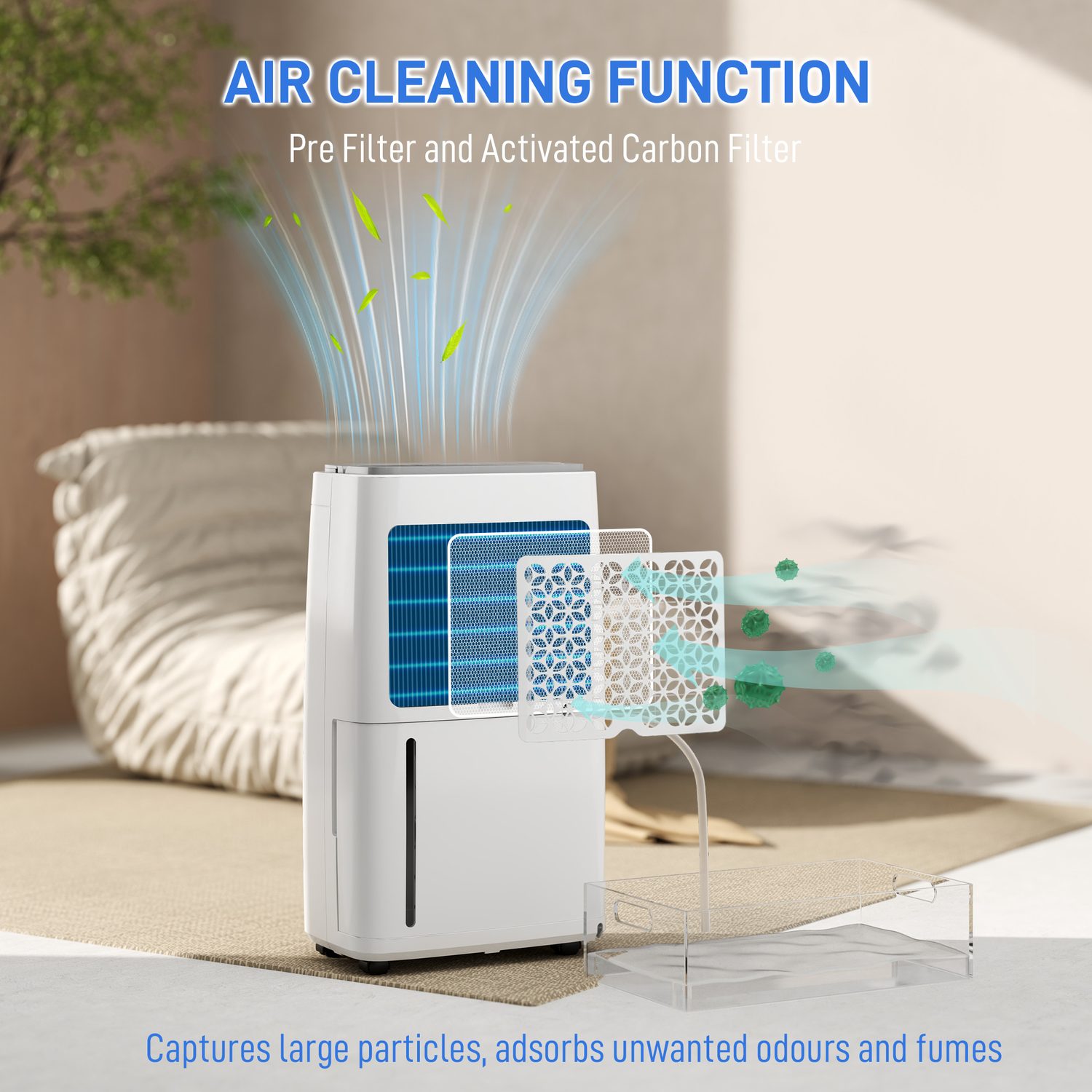
The one we'd buy for an open-plan kitchen-diner or a mid-sized 16–30 m² living room. Sixteen litres a day is enough to make a measurable dent in winter condensation, and the 5.5-litre tank means you're emptying it once a day rather than every few hours. What lifts it above the cheaper units is the dual-layer filter — a particulate pre-filter plus activated carbon — which is the right combination for British home air: damp, dust, lingering cooking smells, the occasional cat. It's not a full air purifier, but it's doing more than the foam mesh you find in budget units.
Honest caveat: at 16 L/day it's a compressor unit, so it makes more of a working hum than the tiny 10 L models. Fine in a kitchen or hallway, less ideal if you want it running next to your bed all night. The touch panel beeps with every press — not loud, but worth knowing if you're sensitive to that.
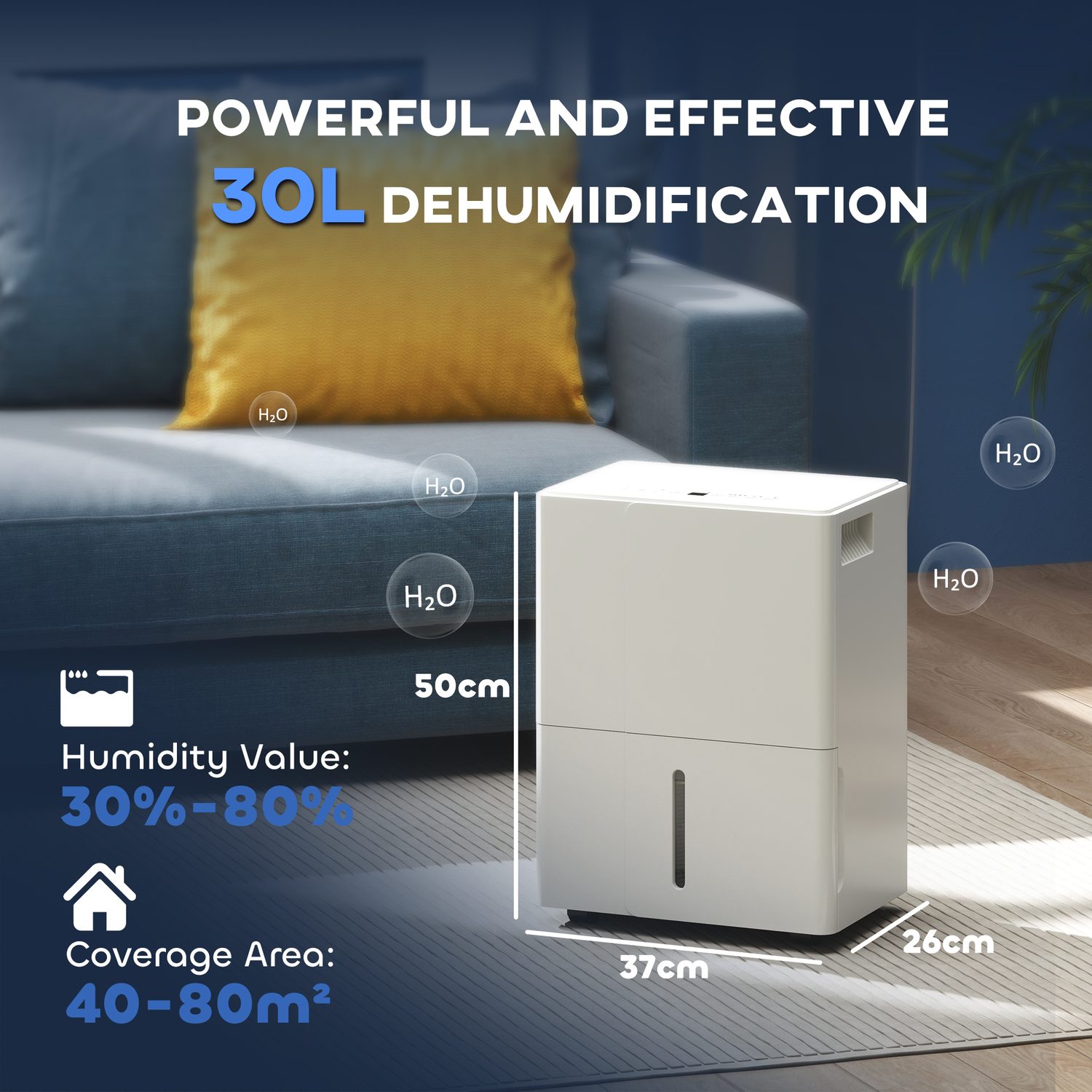
The proper workhorse. Thirty litres a day, a dedicated strong laundry mode, 40–80 m² coverage, and the 4.7-litre tank means it runs longer between empties than the smaller units even when working hard. If you live in a flat with no garden, no balcony, and no dryer, this earns its plug faster than almost any other appliance you'll buy this year — three loads a week dried indoors in winter and you're saving on the alternative laundrette runs within a couple of months.
The trade-offs are size and noise. At 47 dB, sleep mode dims the display but it's still audible — this is a kitchen or utility-room unit, not a bedside one. And it's the largest of the five — you need somewhere to park it when it's not running, which in a small one-bed is genuinely a question. The handles and wheels help, but it's not light.
What to look for (and what to ignore)
Litres per day is rated at lab conditions. Real-world UK extraction in a 16°C room is often half the box number. Buy slightly bigger than the room maths suggests.
Tank size matters more than capacity in daily use. A 2L tank on a 16L/day unit means emptying three times a day during heavy use. The faff kills the habit.
Continuous drain is the single best feature for chronic damp. If you're going to leave it running for a week solid, the hose is non-negotiable.
Don't trust "air purifier" marketing on cheap units. A foam mesh and a UV lamp isn't a HEPA system. If you want filtration, look for activated carbon plus a pre-filter (the 16L unit above) at minimum.
Noise figures are measured at low speed. Anything labelled 38–42 dB will sound proper loud on high. Place it accordingly.
The verdict
For a damp box room or a small flat where the issue is condensation on the windows, the 10L laundry-drying unit at £82 is the one — same job as the WiFi unit for a fiver less, and you don't need the app. For a Victorian terrace with real winter damp, skip ahead to the 12L unit with the continuous drain hose: the £20 extra buys you the only feature that genuinely matters when the problem is recurring. And if you're drying three loads of washing indoors every week through a London winter, the 30L workhorse pays for itself in laundrette money and dry duvets by February. The 16L with the carbon filter is the compromise pick — the most decent all-rounder if you've only got space and budget for one.
By the Villalta Home Editorial team, June 2026. Edited by Juan Antonio Villalta Pacheco.
Villalta Home Editorial is the in-house byline used for buying guides and product roundups on villaltaco.uk. Each guide is written by the editorial team, drawing on the catalogue's measurable data — real dimensions, materials, UK use cases, price bands — and on hands-on research into how products actually perform in UK homes. Every post tagged with this byline is reviewed and approved by Juan Antonio Villalta Pacheco, the founder and editor, before it goes live. See our editorial standards for the full process.
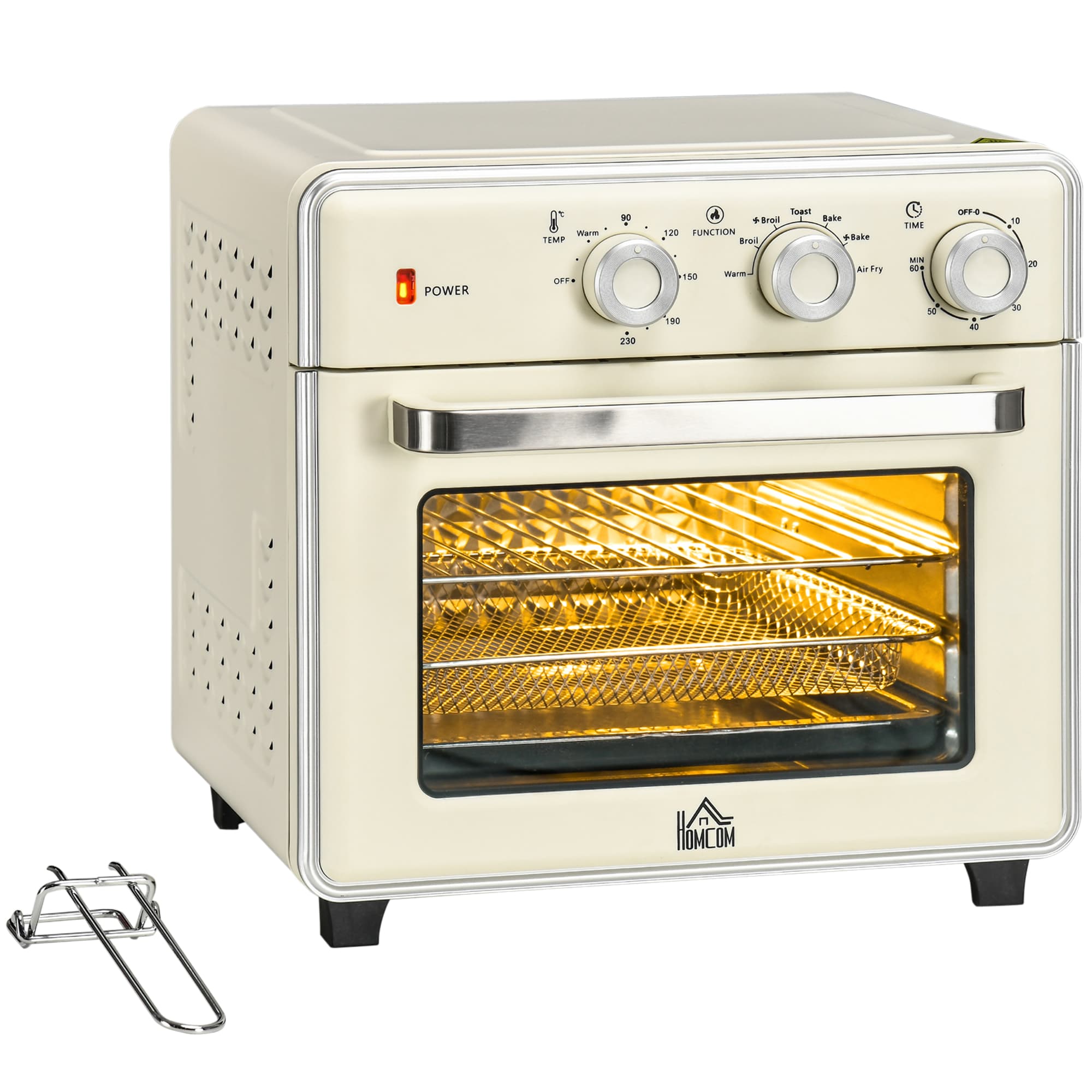
Late June, the kitchen tiles still warm from yesterday, and firing up the main oven for one tray of veg feels mad. Five mini countertop ovens from about £34 up to £114, picked for what actually goes through a real UK kitchen between May and September.
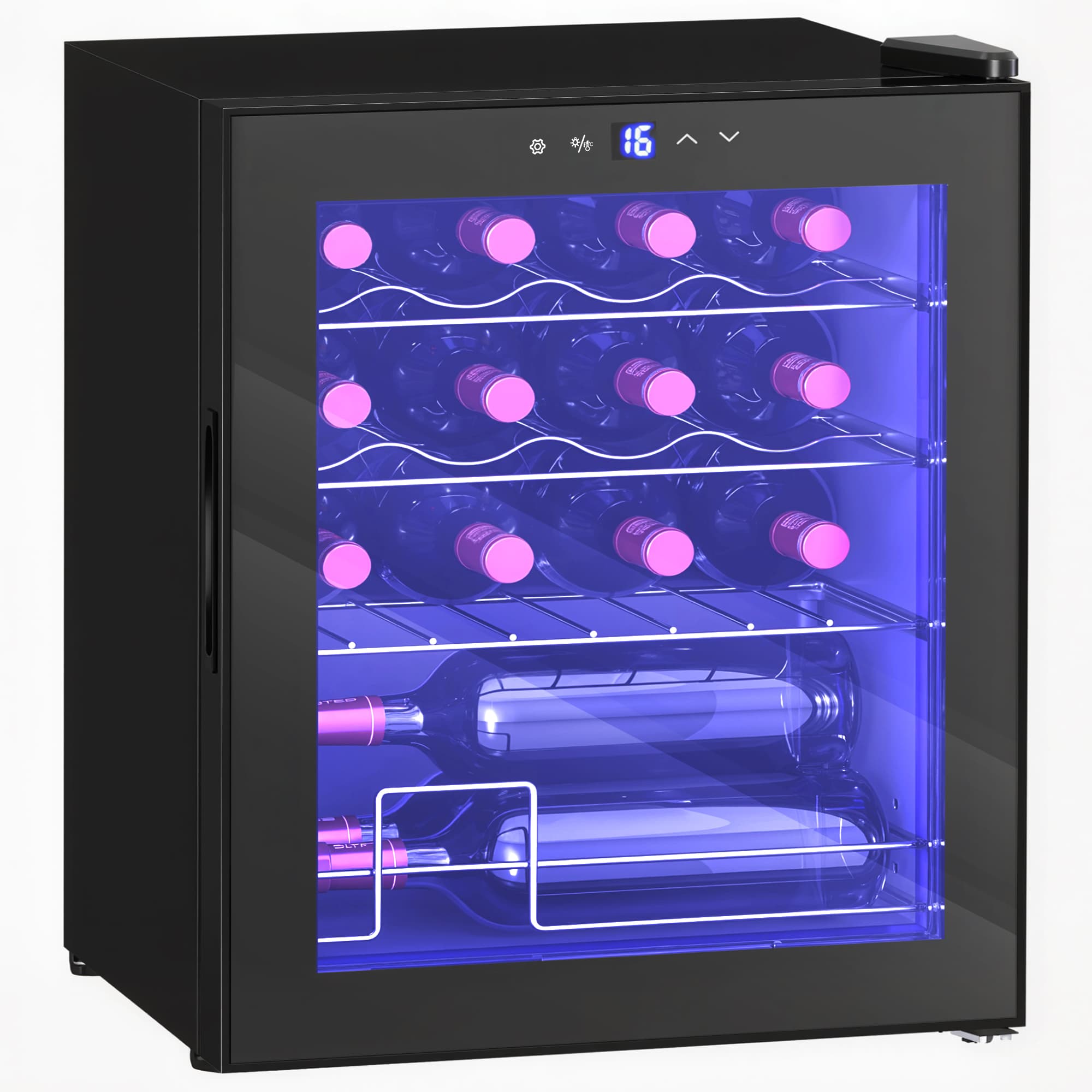
Your main fridge can't handle a Bank Holiday BBQ on its own. Five focused mini fridges and wine coolers we'd actually plug in for a UK summer of garden drinks.