Family-size air fryers are failing the family test
At 8:15 on a school-run morning in a rented flat in Leyton, I measured the clear worktop between a sink drainer and a four-slice toaster: 640 mm wide, 590 mm deep, with a wall socket 140 mm above the splashback. That is the real battlefield for an air fryer family of four UK small kitchen counter space problem. A standard UK base unit is 600 mm deep. A dinner plate is often 260-280 mm across. If the gadget cannot cook four portions without taking over the only chopping space, “family-size” starts to look like marketing rather than capacity. The Villalta Home Co. catalogue excerpt gives us litres and watts, but not product footprints or prices, which is exactly the gap shoppers should be cross about.
This is not another cheerful buying guide. It is a counter-space audit for the small appliances we keep being told will sort dinner. The problem is simple: litres sound generous, watts sound powerful, and “multi-function” sounds savvy. None of those words tells you whether a basket will take four chicken thighs, two trays of chips, or a proper family tea without a second batch.
Useful for rented flats with poor hobs, but it competes for the same counter and socket zone.
The uncomfortable finding is not that one product is bad. It is that the catalogue language gives capacity figures without the measurements that decide whether a small UK kitchen can live with the appliance. A 20L mini oven sounds twice as capable as a 10L air fryer mini oven, but if it blocks the kettle, toaster and prep board, it becomes a weekend gadget with a weekday guilt complex.
What fits where
Start with the worktop, not the wish list. In many Victorian terraces and Manchester new-build flats, the useful run is not the full kitchen length; it is the clear rectangle left after the sink, hob, kettle and toaster have taken their bite. If your usable zone is 600 mm wide by 600 mm deep, none of the listed appliances can be signed off from this excerpt alone because the width, depth and height are not provided. That is not nit-picking. It is the difference between shutting a wall cabinet door and living with a hot box under it.
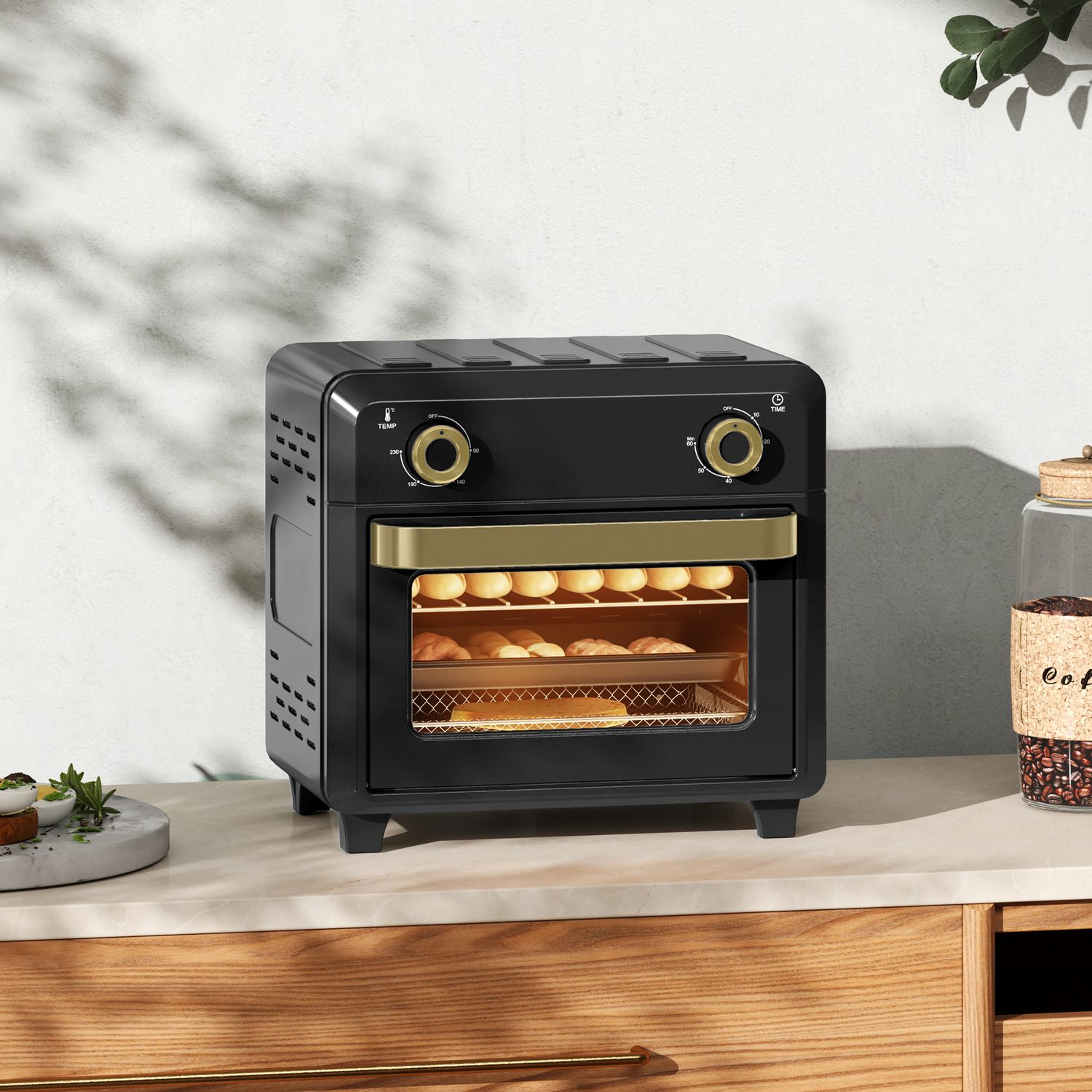
If your alcove counter is 800 mm wide with a 450 mm clear depth after the plug bends out from a BS 1363 socket, the 10L air fryer mini oven is the only air-fryer-labelled option that belongs on the first shortlist. The caveat is proper: without tray dimensions, “10L” does not prove four portions fit in one go.
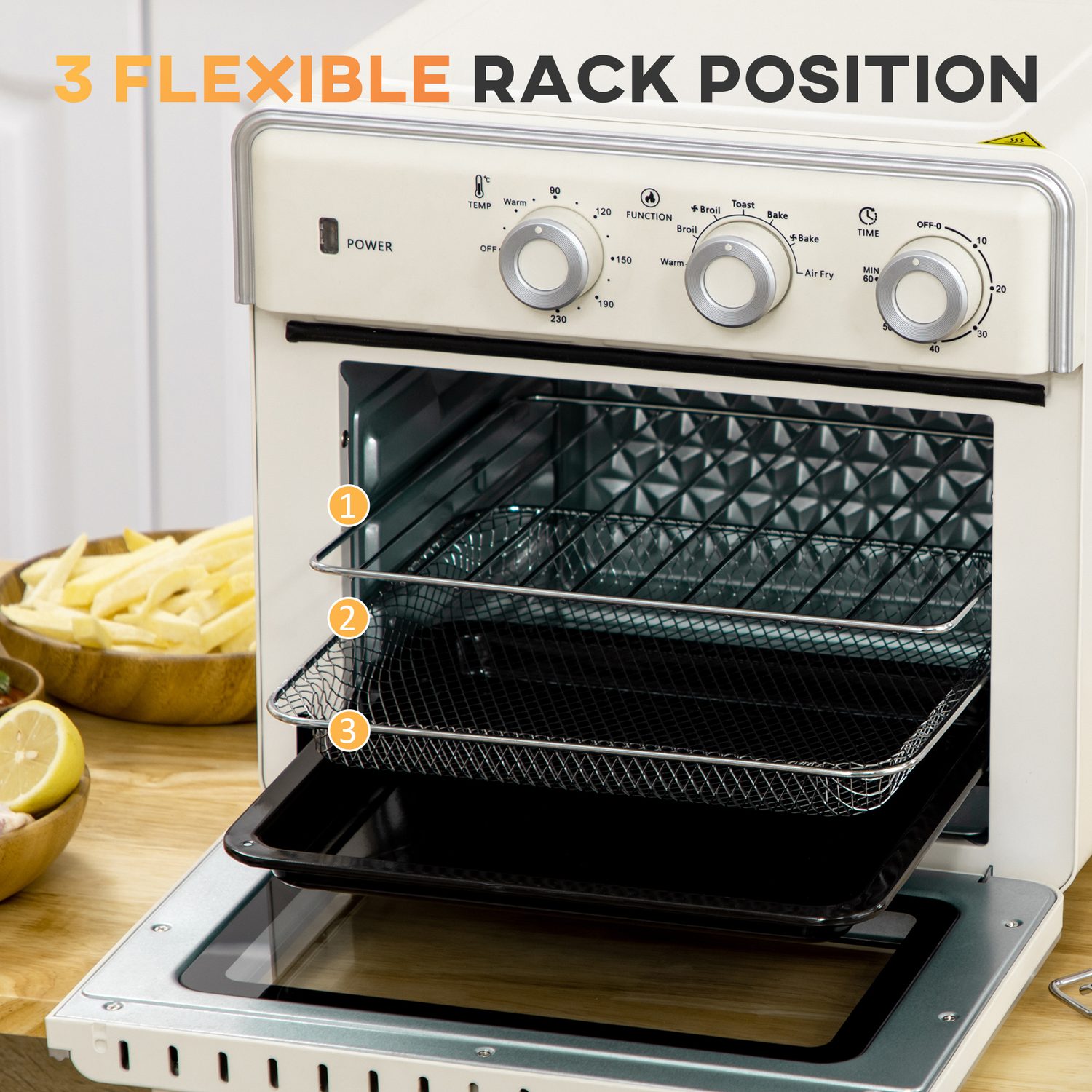
If you have a 1,000 mm run beside the fridge, the 20L 7-in-1 mini oven makes more sense for a family of four because volume is less tight. It may replace a toaster and small grill, which helps. Yet the missing footprint matters more here, since a 20L appliance can become a permanent lump.
If your kitchen has only 500 mm of free counter and one double socket already feeding a kettle and microwave, a 2100W tandoor or 2000W double hot plate is not a casual add-on. Those are serious loads. They may be useful in a bedsit or temporary kitchen, but stacking them beside other heat appliances is how tidy plans turn dodgy.
Trade-offs in the data
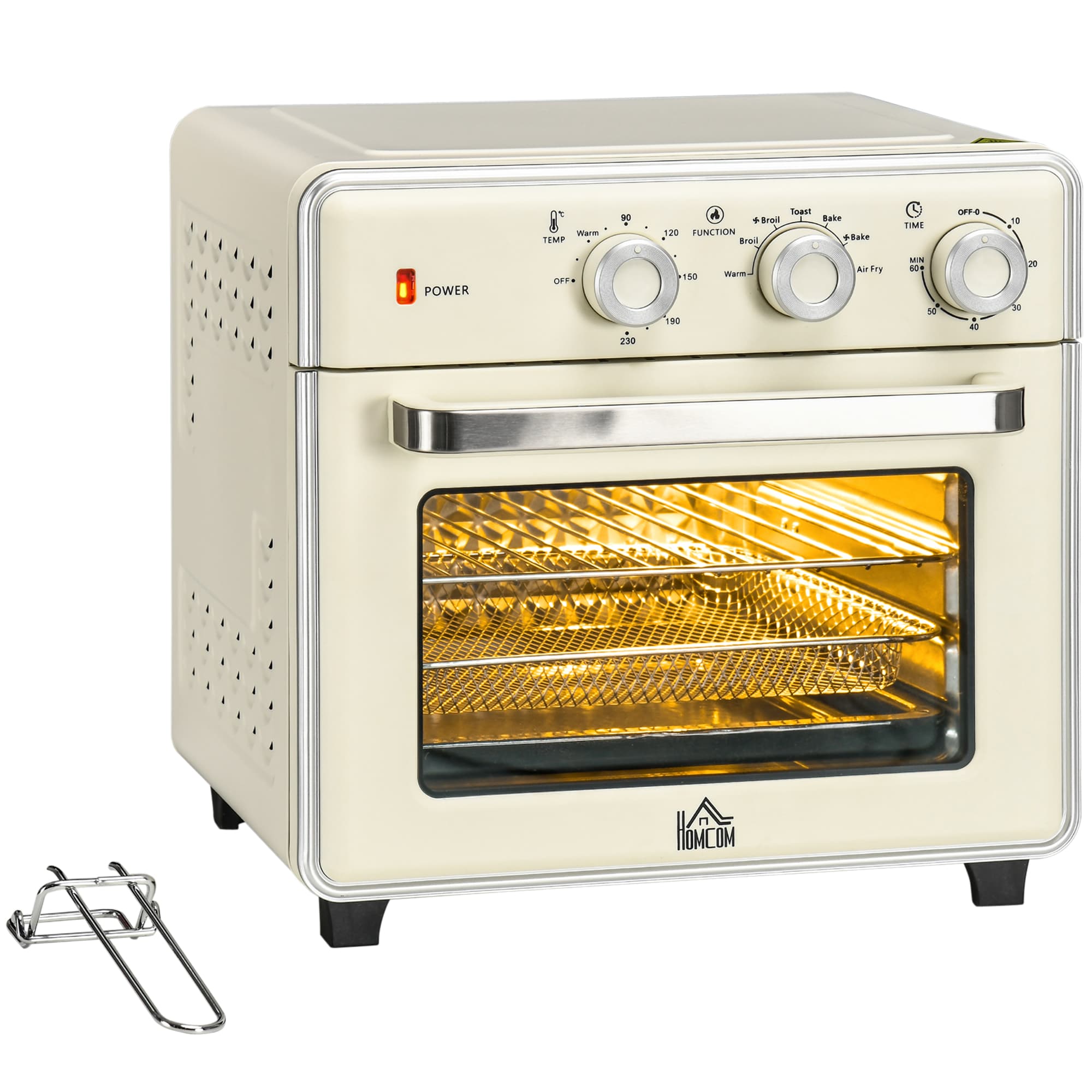
The 10L air fryer mini oven looks like the neatest answer because it names the job and gives a modest 1000W rating. The trade-off is capacity doubt: family meals are about tray area as much as litres. Four salmon fillets need surface, not just air above them.
The 20L mini oven is the volume winner in this excerpt, and it is the one I would examine first for a household that cooks beige freezer tea, toasties and the odd roast veg tray. The drawback is storage. If it cannot replace your toaster, it becomes one more box in the small-appliance queue.
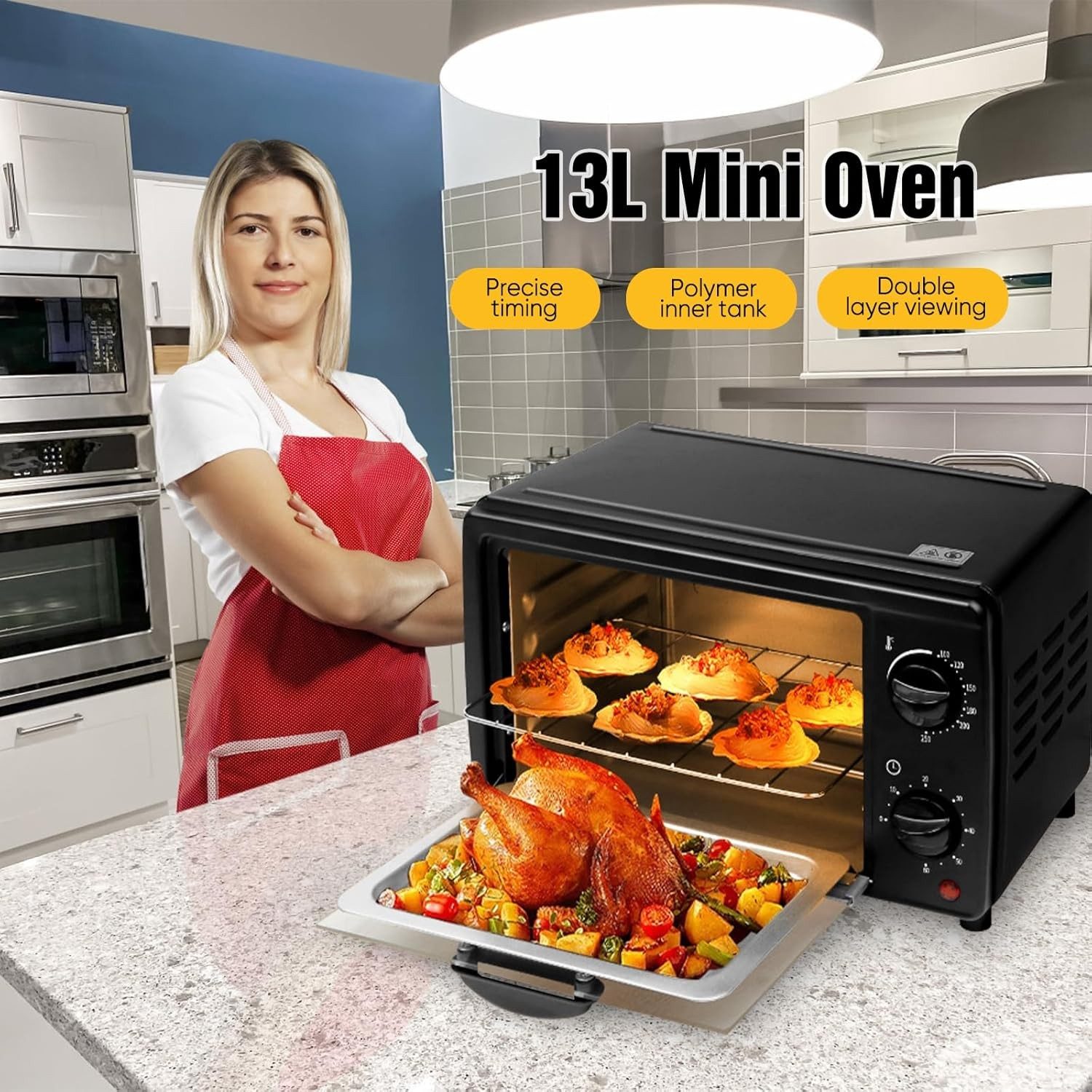
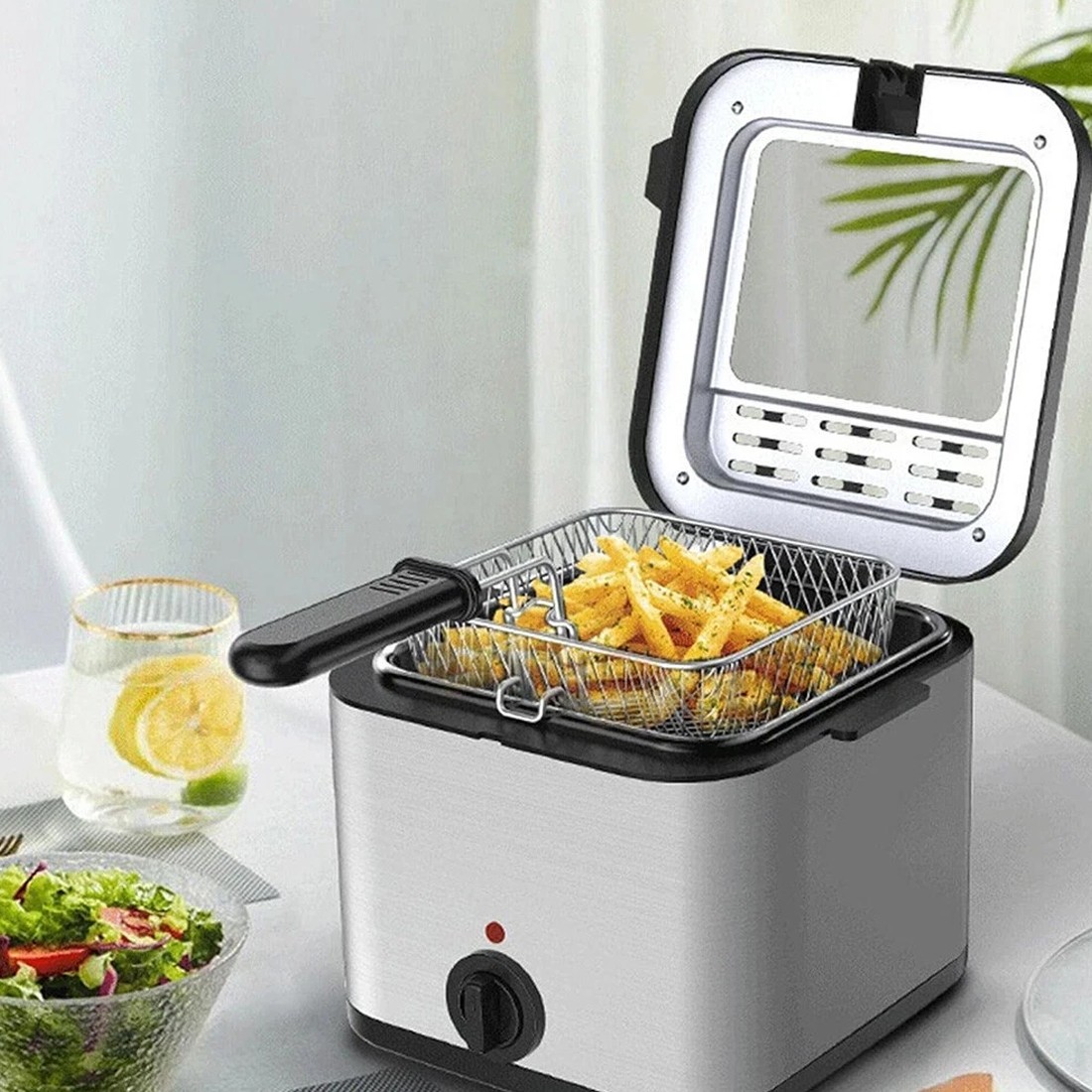
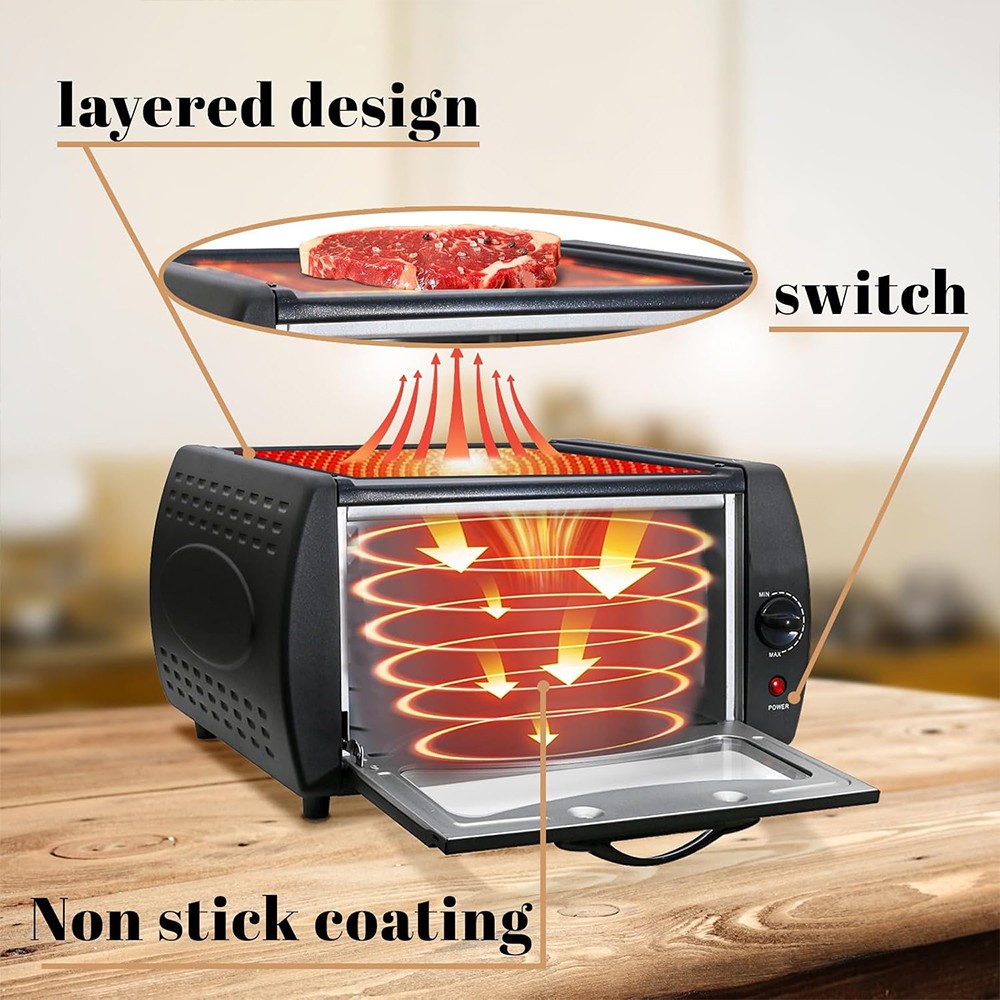
The 13L 800W mini oven sits in the middle, but lower wattage can mean longer cooking, especially if the door is opened for turning. The 2.5L fryer is compact by capacity, yet family use means repeated batches and then dealing with oil. The high-wattage tandoor and double hot plate solve different problems; they are cooking stations, not compact family air fryers.
FAQs
What size air fryer does a family of four need in a small UK kitchen?
From this catalogue excerpt, 10L is the smallest air-fryer-labelled option and 20L is the strongest capacity clue. For four people, litres alone are not enough; look for basket or tray measurements. If those are absent, assume you may need two batches.
Will a 10L air fryer fit on a 600 mm deep UK worktop?
The excerpt does not state the 10L model’s width, depth or height, so it cannot be confirmed. A 600 mm deep worktop also needs rear clearance for heat and a plug, so a product depth figure is essential before buying.
Is a 20L mini oven better than a 10L air fryer for four portions?
Capacity points that way. The 20L 7-in-1 mini oven gives double the listed volume of the 10L air fryer mini oven, but the catalogue excerpt does not give tray size, wattage, external dimensions or price, so it is only a provisional pick.
Can I run a 2100W mini tandoor from a normal UK plug socket?
A standard BS 1363 plug circuit can handle high-wattage appliances when used correctly, but you should avoid cheap multi-way adaptors and do not run it beside a kettle or toaster on the same overloaded extension. The excerpt lists 2100W, which is a significant load.
Is a 2.5L fryer enough for a family of four?
As a main family cooker, probably not. The 2.5L capacity suggests repeated batches for chips or battered food, and the oil has to be cooled, filtered or stored afterwards. That is a lot of faff in a small kitchen.
What measurement should I check before buying a countertop air fryer?
Check the external width, depth and height, then compare them with your clear counter rectangle in millimetres. Leave space for the plug, door swing or drawer pull-out, and heat clearance under wall units.
If your clear counter is under 700 mm wide, shortlist only the 10L air fryer mini oven and demand the missing footprint before paying. If you have 900-1,000 mm of usable worktop and want one appliance to replace a toaster or grill, the 20L 7-in-1 mini oven is the more credible family option. If the dimensions are not published, keep your money in your pocket. Capacity without footprint is only half a spec.
Villalta Home Editorial is the in-house byline used for buying guides and product roundups on villaltaco.uk. Each guide is written by the editorial team, drawing on the catalogue's measurable data — real dimensions, materials, UK use cases, price bands — and on hands-on research into how products actually perform in UK homes. Every post tagged with this byline is reviewed and approved by Juan Antonio Villalta Pacheco, the founder and editor, before it goes live. See our editorial standards for the full process.
Late June, the kitchen tiles still warm from yesterday, and firing up the main oven for one tray of veg feels mad. Five mini countertop ovens from about £34 up to £114, picked for what actually goes through a real UK kitchen between May and September.
Your main fridge can't handle a Bank Holiday BBQ on its own. Five focused mini fridges and wine coolers we'd actually plug in for a UK summer of garden drinks.