Scalp gadgets are not a diagnosis
The woman ahead of me in a Boots queue in Bristol had a £129.99 LED scalp band under one arm and a bottle of rosemary oil in the other; the pharmacist was trying, very gently, to ask whether the shedding had been sudden or gradual. That is the whole issue in miniature. If you’re asking do hair growth devices work for women in the UK, the honest answer starts before the gadget: what kind of hair loss are we talking about?
The short answer
Hair-growth devices can help some women, mainly where female pattern hair loss is the issue, but they are not a sensible first step without a diagnosis. Our view is blunt: if a hair-growth device is bought before you know whether the cause is pattern loss, deficiency, stress shedding or a medical condition, it is more likely to delay proper treatment than sort your hair.
The longer answer
What does “hair loss” mean in real life?
Women often use one phrase for several different problems. A wider parting over 18 months is not the same as handfuls of shedding six weeks after flu, childbirth, a crash diet or a horrible spell at work. Patchy loss is different again. Who What Wear UK reported on 14 October 2026 that an estimated 8 million women in the UK experience some form of hair loss, which helps explain why the market feels so noisy. In rented flats, Victorian terraces and shared bathrooms alike, people are comparing plug-in brushes, oils and supplements while quietly panicking over the shower trap. The first job is to name the pattern: gradual thinning, sudden shedding, breakage, scalp inflammation or bald patches. A £299 LED cap cannot tell you that.
So do LED caps and scalp devices actually work?
Low-level light devices have some evidence for androgenetic hair loss, often described as female pattern hair loss, but the claim is narrower than the adverts make it sound. Many devices use red light around 630 to 660 nm and ask for 10 to 20 minutes several times a week. That is a proper commitment, not a lazy Sunday faff. The problem is that home gadgets vary in coverage, power, fit and testing, and “supports thicker-looking hair” can mean less than a medical treatment claim. Which?, in its 16 October 2026 UK consumer guide, put rosemary oil, LED hair and scalp devices, and minoxidil in the same crowded decision space. That is useful because it shows the buying decision is mixed up. It should not be.
Where do oils and scalp massage fit?
Rosemary oil has become the internet’s favourite before-and-after story, but the evidence is not as settled as the videos suggest. Patient.info, last updated 7 October 2026, said rosemary oil has become a social-media hit for hair growth, while tracing much of the claim back to limited evidence rather than a firm treatment consensus. Scalp massage may feel decent and can help you notice irritation, flakes or sore patches. Oils can reduce friction during massage, though neat essential oils can irritate skin and make shedding feel more dramatic if washing becomes aggressive. None of this makes oil useless. It makes it a cosmetic ritual, not a replacement for checking ferritin, thyroid issues, hormonal shifts, medication effects or alopecia areata.
What should come before a gadget?
Start with a timeline and a scalp check. Take photos in the same light every four weeks, from the front hairline, crown and parting. Count context, not every strand: recent illness, heavier periods, weight loss, new contraception, perimenopause symptoms, bereavement or exam stress. A GP may consider blood tests depending on the story; a dermatologist or trichologist may be needed if there is pain, scaling, scarring, patchiness or fast loss. Minoxidil is the best-known evidence-backed topical option for pattern hair loss, but it has rules: it needs months, can cause initial shedding, and is not right for everyone. A device can sit beside a plan. It should not be the plan.
What is the fair argument for using a device anyway?
The counterargument is fair: women are often dismissed when they raise hair loss, NHS waits can be slow, private appointments cost money, and a home device gives a sense of agency. If you can afford a £199 to £499 gadget, use it consistently, and you have signs of pattern thinning rather than sudden shedding or inflamed scalp, it may be a reasonable add-on. The answer is not to sneer at people buying devices. The answer is to stop marketing them as if every hair fall has the same cause. A gadget routine that runs alongside diagnosis is savvy. A gadget that postpones diagnosis is risky.
What’s the best hair growth device for female pattern hair loss in the UK?
The best device is one that matches a confirmed or strongly suspected pattern-hair-loss picture and is realistic to use for months. Look for clear light specifications, full scalp coverage, safety information and published evidence, then check with a pharmacist, GP or hair-loss clinician if you are pregnant, on medication or have scalp disease.
Can rosemary oil regrow women’s hair?
Rosemary oil is not proven as a reliable hair-regrowth treatment for women. It may be part of a scalp-care ritual, and some people like how it feels, but UK medical advice has not settled it as an evidence-backed substitute for assessment or treatments such as minoxidil where appropriate.
Should I see a GP before buying an LED hair cap?
Yes, you should seek medical advice first if your hair loss is sudden, patchy, painful, scaly, linked to heavy periods or comes with tiredness or weight change. For slow, inherited-looking thinning, a pharmacist or GP can still help you work out whether minoxidil, blood tests or referral make more sense than a device.
How long do hair-growth devices take to show results?
Most hair-growth devices need at least three to six months of consistent use before any fair judgement can be made. Hair grows slowly, and photos taken every four weeks in the same bathroom light are more useful than daily mirror checks, which can drive you spare.
Do hair towels or gentler drying help with hair growth?
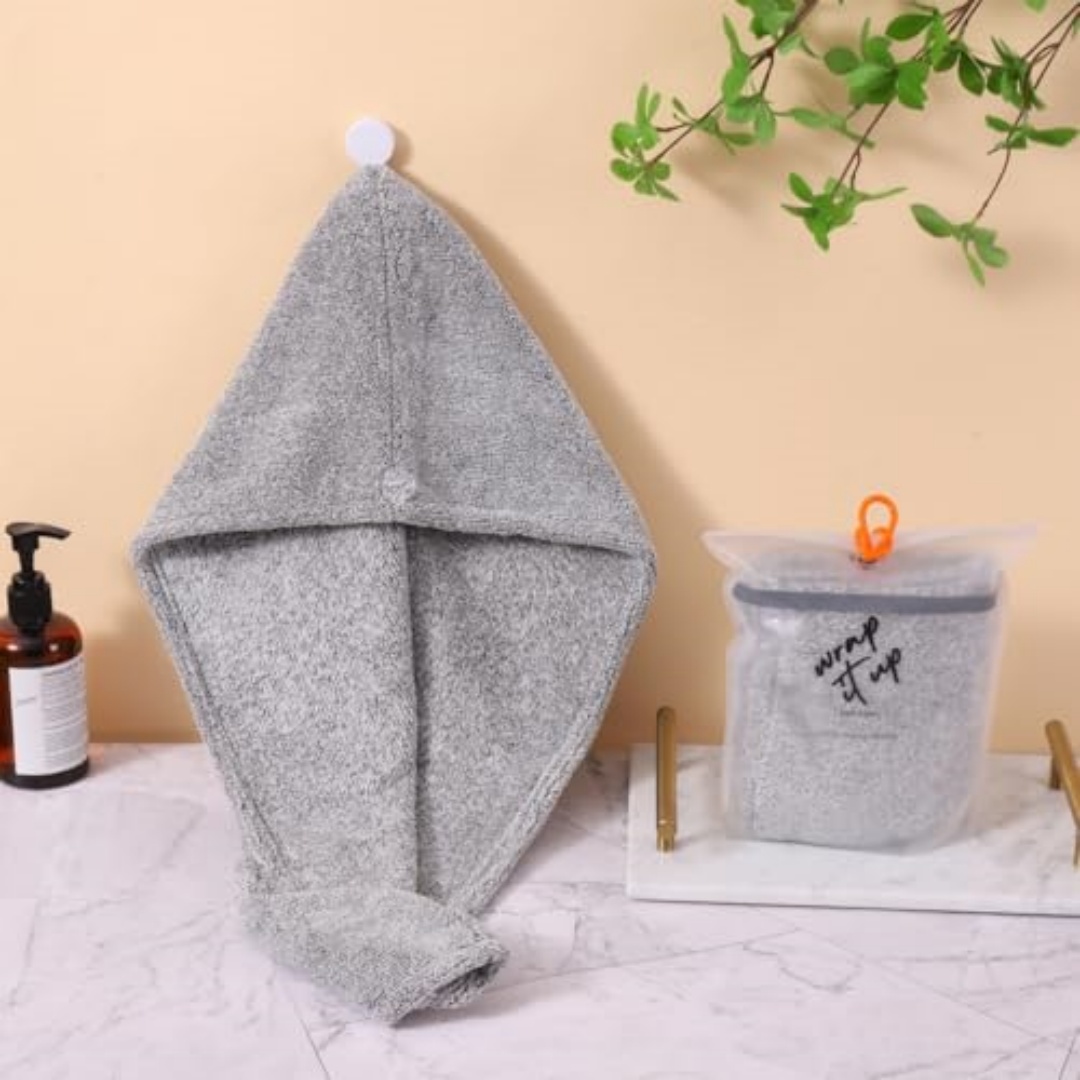
Gentler drying does not cure hair loss, but it can reduce breakage that makes thinning look worse. A thick microfibre hair-drying towel, used without twisting hard, is useful if your hair snaps easily; it belongs in the breakage category, not the regrowth category.
Are hair supplements worth taking for women’s hair loss?
Hair supplements help only when they address a real deficiency or dietary gap. Taking high-dose blends without testing can waste money and may muddy the picture, so it is better to discuss iron, vitamin D, B12 or thyroid concerns with a clinician if symptoms point that way.
The sensible answer to do hair growth devices work for women in the UK is: sometimes, for the right kind of hair loss, with patience and a wider plan. If your parting has been widening for a year, an LED device might deserve a place after proper checks. If your hair is falling fast, your scalp hurts, or your body has been through a shock, skip the viral oil story and get the cause pinned down first. Then build the routine. That order matters.