
The chrome shower hose in my south London rented flat showed white crust again three days after I’d scrubbed it, and the glass screen was only 72 cm wide, so there was nowhere to hide the evidence. A £26.99 screw-on shower filter looked like the tidy fix: less limescale, less straw-like hair, less faff. The catch is that the question UK buyers are asking — do shower filters work for hard water hair? — needs a more exact answer than social feeds usually give.
The short answer
Shower filters can help some hair feel cleaner or less irritated, especially if they reduce chlorine or sediment, but they do not truly soften UK hard water. My firm view: a shower filter can make a hard-water shower feel nicer, but it will not remove enough calcium and magnesium hardness to solve mineral build-up on hair. For that, you’re looking at softening the water or using chelating hair care.
The longer answer
What is hard water actually doing to hair?
Hard water is water with higher levels of calcium and magnesium. In hair terms, that can mean dullness, rougher texture, roots that feel coated after washing, and conditioner that never quite seems to rinse clean. It’s not always dramatic. In a Victorian terrace in Bristol or a Manchester new-build with very hard mains water, you might simply notice that your usual shampoo has stopped behaving like it did on holiday in Scotland. Glamour UK’s 2026 shower-filter coverage put the bigger context neatly: around 60% of the UK has hard or very hard water. That is why this promise has landed so hard with renters who cannot plumb in a whole-house system and just want their hair to behave before the school run at 8:15.
What does a shower filter remove, and what does it leave behind?
Most shower filters are filtration devices, not softeners. Many use carbon, KDF media, vitamin C, ceramic balls or a mix, and the useful work is usually reducing chlorine, odour, rust particles or general sediment. TapWater.uk’s September 2026 UK guide makes the crucial distinction: shower filters may remove chlorine, but they do not remove calcium and magnesium hardness in the way a water softener does. That matches the mood of a 13 September 2026 r/Haircare thread, where several replies pushed back on the idea that a regular shower filter would properly soften hard water. The cartridge may cost £9.99 to £18.99 to replace every two or three months, and it may be a decent buy, but it is not doing the same job as ion-exchange softening.
But what if a shower filter genuinely made someone’s hair better?
This is the fair counterargument, and it matters. Some people do notice softer-feeling hair after fitting a shower filter. That does not mean the filter has softened hard water. It may mean their scalp disliked chlorine, their pipes were adding sediment, or the new shower head changed the spray pattern enough to rinse shampoo more thoroughly. A 25 September 2026 r/dailywash thread showed the real consumer dilemma: a fine-haired user in hard water wondered whether they needed a shampoo that cleaned without stripping or a shower filter to fix the issue. That is exactly the grey zone. A filter might reduce one irritant, while the underlying calcium and magnesium still sit there, quietly making your lengths feel coated.
So what should you do if hard water is the hair problem?
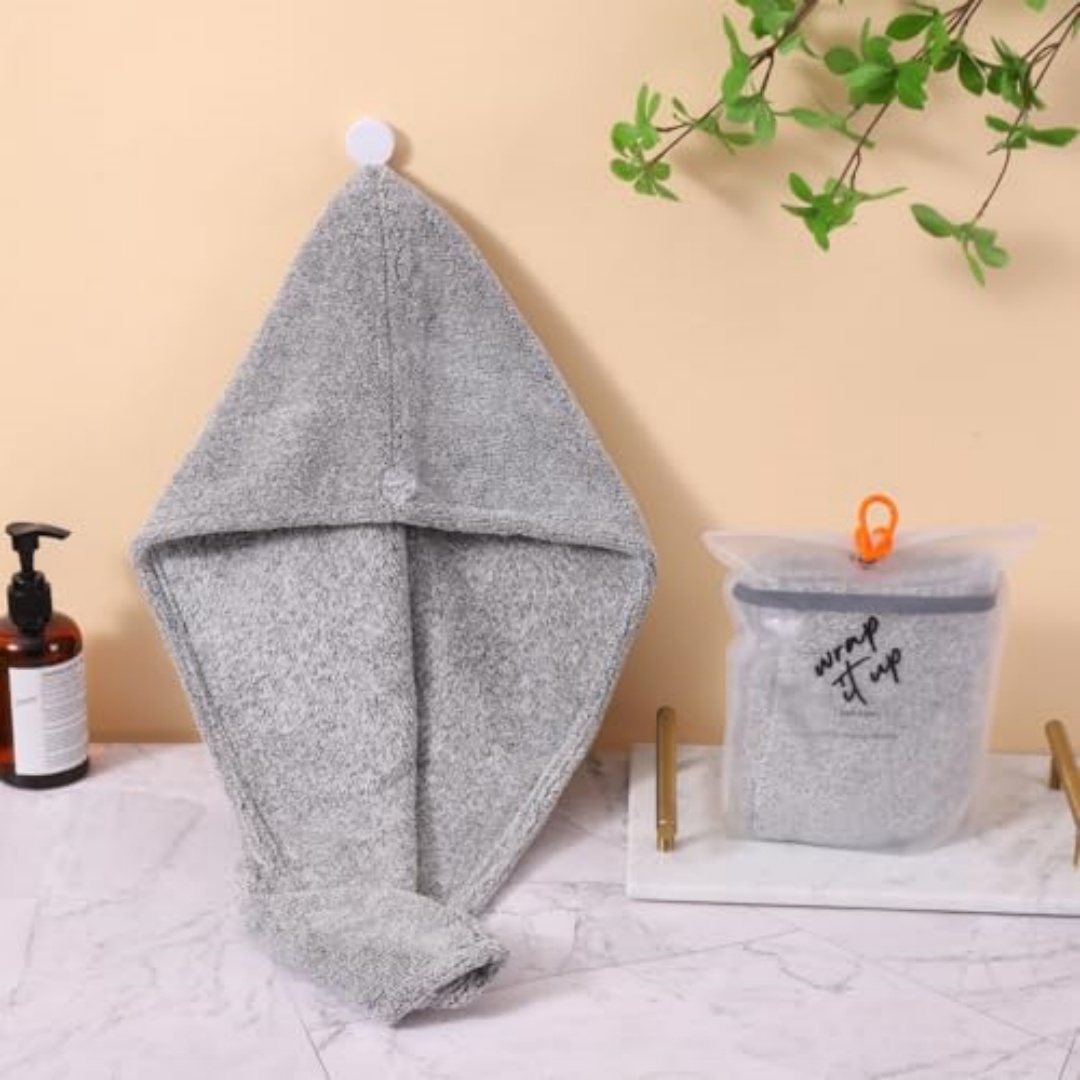
First, separate the symptom. If your scalp feels itchy, your shower smells chlorinated, or the water leaves rusty marks, a filter may be worth trying, especially in a rented flat where plumbing changes are off the table. If your problem is waxy build-up, flat roots and conditioner failure in a known hard-water area, think chelating shampoo once every one to four weeks instead. Chelating formulas use ingredients that bind minerals so they rinse away; they are different from ordinary clarifying shampoos, which mainly remove oil and styling residue. Expect to pay about £6.50 to £28.00 for a bottle. Follow with conditioner, because chelating can feel a bit brisk on dry ends. A thick microfibre hair towel can also reduce rubbing after washing, but it will not change the water chemistry.
Is a proper water softener the only real fix?
If you want genuinely softened water, yes, the proper fix is a softener that treats calcium and magnesium before the water reaches the shower. That usually means a plumbed-in ion-exchange unit, salt top-ups, and enough space near the mains supply. In many UK homes, especially narrow terraced houses with cupboards already stuffed with the hoover and recycling bags, that is not a casual purchase. Renters are usually out of luck unless the landlord is unusually savvy. There are shower-head gadgets marketed as softening solutions, but the wording is often doing a lot of heavy lifting. If the product does not clearly state how it removes hardness minerals, assume it is filtering rather than softening.
Related questions
Can a shower filter stop limescale in my bathroom?
A shower filter will not reliably stop limescale if your water is hard, because limescale comes from calcium and magnesium minerals. You may see slightly less staining if the filter removes sediment, but the white crust on taps, screens and the shower hose is still likely to return.
What is the best hair care routine for hard water in the UK?
The best hard-water hair routine is a gentle regular shampoo, a chelating wash used occasionally, and proper conditioning afterwards. If your ends are fragile, dry with less friction; a thick microfibre hair-drying towel can help reduce rough handling, though it does not treat mineral build-up.
How often should I use a chelating shampoo for hard water?
Most people in hard-water areas should start with chelating shampoo every two to four weeks. Fine hair that gets coated quickly may need it closer to fortnightly, while bleached, curly or dry hair may prefer monthly use followed by a richer conditioner.
Do shower filters help with chlorine in UK water?
Some shower filters can reduce chlorine, depending on the filter media and contact time. That can make water smell less sharp and may suit sensitive scalps, but chlorine reduction is not the same as softening hard water.
Are shower filters worth it for renters?
Shower filters can be worth it for renters if the aim is reducing chlorine taste, odour or visible particles without changing the plumbing. They are less convincing if the promise is to fix hard-water hair completely, because the main hardness minerals remain.
The sorted way to think about it is this: buy a shower filter for filtration, not softening. If your hair issue follows you across a hard-water postcode, chelating care is the more targeted bathroom swap, and a true water softener is the proper household answer where the budget, landlord and cupboard space allow it. For more practical hair washing and drying choices, our hair care section is the better place to start than another miracle-filter advert.