The reformer is furniture before it becomes fitness
In a friend’s Manchester new-build, the tape measure stopped at 241 cm between the sofa arm and balcony door. The home reformer she wanted was listed at 238 cm long, before leaving room to climb on without kicking the skirting. That is the real version of the question: is a home Pilates reformer worth it in the UK, or are you buying a long, expensive guilt plank for the spare room? The answer sits less in the springs than in your habits.
The short answer
A home Pilates reformer is worth it only if you already practise consistently, know how to set up the springs safely, and have a weekly plan you will follow without a teacher watching. If the thing that gets you to Pilates is the booked class, the instructor’s corrections or the mild shame of wasting £32.00, a home machine will probably become furniture before it becomes fitness.
The longer answer
What are you really buying: a machine or an appointment?
Studio reformer costs hurt because you are paying for more than a carriage and pulleys. Which? reported in February 2026 that reformer Pilates classes typically cost £20 to £45, while mat Pilates sits nearer £12 to £30. That gap explains the home-equipment temptation. But a class also buys a time, a teacher and someone saying your ribs are flaring when you thought you were being elegant. Marie Claire UK’s August 2026 three-month home reformer review raised the right issue: can home practice replace studio accountability and community? For many people, that booked slot is the product. The machine is secondary.
Couldn’t a home reformer pay for itself quite quickly?
Yes, and this is the strongest counterargument. If you do two £30.00 classes a week, that is £240.00 across four weeks. A £1,200.00 home reformer looks sensible after five months, before app fees or the odd class top-up. Marie Claire UK also covered people quitting expensive studio sessions for app-led Pilates and saving more than £100, so the maths is not fantasy. The catch is that savings only exist if you use the machine properly. A Reddit r/pilatesreformer thread in August 2026 had users saying classes had become too expensive, but several also warned that a home reformer needs a plan or it turns into random stretching on the carriage. That is the line.
Do UK homes actually have room for one?
Many home reformers are roughly 230 to 245 cm long and 55 to 70 cm wide in use. Put another way, longer than a UK king-size mattress, which is 150 x 200 cm, and less forgiving because you need space for legs, straps and getting off without doing a sideways crab walk. Folding models sound sorted, but a 35 kg to 55 kg machine still has to be lifted, rolled or wedged behind a door. In Victorian terraces with narrow stairs, that can be a proper faff. Also check ceiling height if you plan to use a jumpboard, and floor protection if you have vinyl or soft pine boards. Wheels can leave marks.
Who should buy one, and who should stay with classes or props?
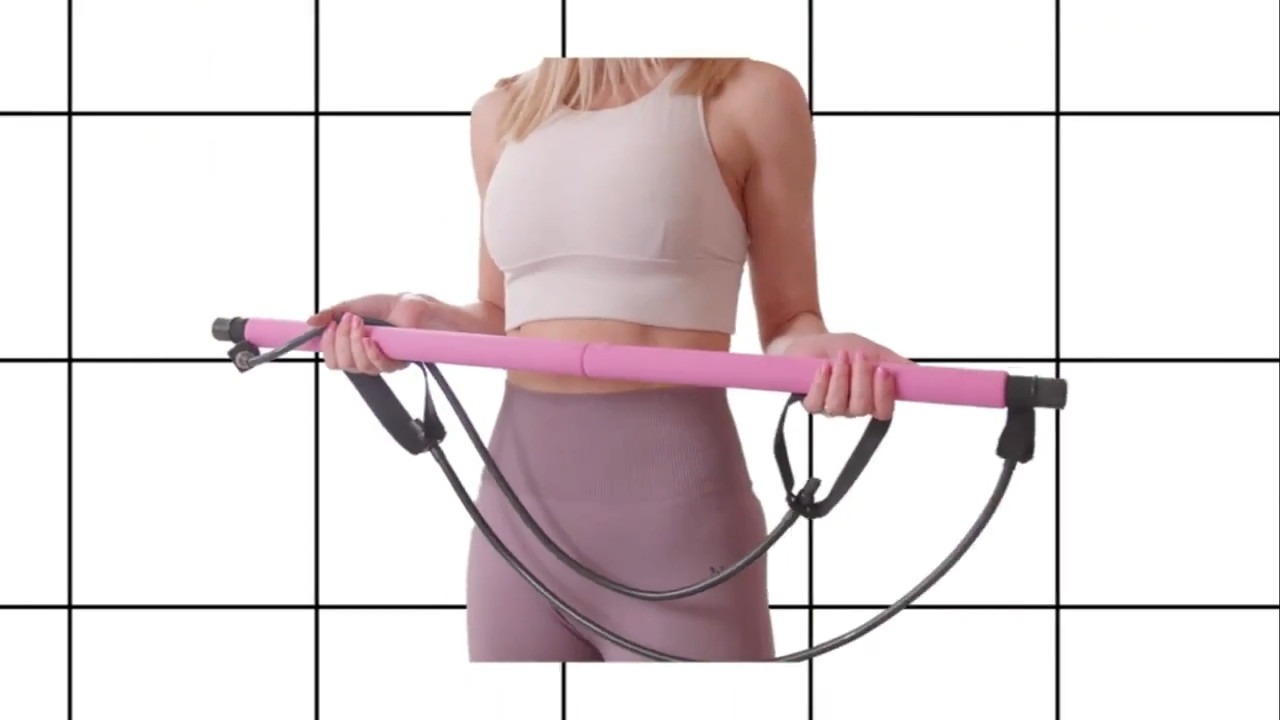
Buy one if you have taken enough reformer classes to understand spring resistance, neutral pelvis, footbar positions and what pain is not normal. You should also be the sort of person who can train at 7:20 before the school run without needing applause. Do not buy one if you are still unsure what exercises suit your back, knees or postnatal recovery. In that case, spend on a short class pack first, then use mat work at home between sessions. If you mainly want resistance and habit-building, a Pilates bar kit with bands, such as the Pilates bar kit with 6 resistance bands, is a much lower-stakes test than parking a reformer in the lounge. Our broader Yoga Pilates section is useful only if you are building that smaller home routine, not trying to pretend bands are the same as a carriage.
Related questions
Is a home Pilates reformer better than classes?
A home Pilates reformer is not better than classes for beginners because it removes live correction and the pressure of a booked appointment. It can be better for experienced users who already know their settings, follow a programme and will train without a teacher in the room.
How much do reformer Pilates classes cost in the UK?
Reformer Pilates classes in the UK typically cost £20 to £45, according to Which? reporting from February 2026. Mat Pilates is usually cheaper at about £12 to £30, which is why some people combine occasional reformer classes with home mat or resistance work.
Can a Pilates bar replace a reformer?
A Pilates bar cannot fully replace a reformer because it does not give you the moving carriage, footbar or spring-loaded feedback. It can help with resistance work at home, though, and it is a decent way to test whether you will actually exercise outside a studio before buying a large machine.
What size room do I need for a home Pilates reformer?
You need more than the reformer’s listed footprint: allow roughly 250 cm in length and 100 cm in width if the machine is around 240 cm long. That gives room for straps, mounting safely and moving without hitting a radiator, wardrobe or the kerb-side pile of council recycling bags waiting by the hallway.
Is app-based reformer Pilates enough?
App-based reformer Pilates can be enough for confident users who already understand technique and know how to modify exercises. It is weaker for beginners because an app cannot see your alignment, spot compensations or stop you pushing through dodgy shoulder or lower-back pain.
What should I buy before a reformer?
Before a reformer, buy a mat, a small ball, a resistance band set or a Pilates bar, then commit to three home sessions a week for a month. If you cannot keep that up with cheap kit, a £1,000-plus machine is unlikely to fix the habit.
The most honest answer is this: a home reformer is worth it in the UK for the already-converted, not the reformer-curious. If you know classes work because of the teacher and the diary slot, keep paying for fewer, better sessions and support them with mat work. If you know you are self-directed, have the floor space and can follow a proper plan, the machine can earn its keep. Measure the room first. Then measure your accountability.
Villalta Home Editorial is the in-house byline used for buying guides and product roundups on villaltaco.uk. Each guide is written by the editorial team, drawing on the catalogue's measurable data — real dimensions, materials, UK use cases, price bands — and on hands-on research into how products actually perform in UK homes. Every post tagged with this byline is reviewed and approved by Juan Antonio Villalta Pacheco, the founder and editor, before it goes live. See our editorial standards for the full process.