
At 11:47pm in a 3.1m by 3.6m front bedroom in a Walthamstow Victorian terrace, I could hear a minicab idling at the kerb through a 142cm-wide sash window that looked shut but had a 4mm rattle at the meeting rail. The room had bare floorboards, a hollow-core door with a 13mm gap at the bottom, and a party wall that did a decent job of sharing next door’s telly. That is the usual bedroom noise problem in old UK houses: not one dramatic hole, but six small leaks. This is a practical roundup of the fixes I’d try first, what they cost, and where they stop helping.
How I’m thinking about this
Proper soundproofing means mass, airtightness and separation. Victorian terraces are awkward because they have leaky sash windows, suspended timber floors, chimney breasts and floorboards that carry vibration like a gossip. You can spend £2,000.00 on specialist acoustic lining and still be annoyed if the bedroom door has a finger-width gap under it.
I’ve treated these as bedroom-friendly jobs rather than building-site jobs. Most are suitable for rented flats if you pick removable fittings and keep the landlord happy. If you’re also rearranging the room, start with placement and storage before buying new bedroom furniture; putting mass on the noisy wall can matter more than the colour of the bedside table.
One warning: “soundproof” is oversold. These fixes reduce noise. They won’t make a front bedroom on a bus route feel like a recording studio, and they won’t stop structural thuds from shared joists. Still, a few well-chosen changes can be the difference between broken sleep and a proper kip.
Best first fix for sash windows — EPDM window seals and meeting-rail tape · £8.99-£24.00
If the bedroom noise is traffic, pub chatter or the school run, start at the window. A roll of self-adhesive EPDM rubber seal, usually 6m to 10m long and 9mm to 12mm wide, costs from £8.99. For an average two-panel sash, I’d budget £16.00 to £24.00 for perimeter seals, a thinner brush strip at the meeting rail, and a careful hour with a cloth and rubbing alcohol.
The gain is mainly from stopping air leaks. Sound travels with draughts, so a sash that rattles in the wind is a noise path. Clean the paintwork, test the sash still moves, then fit the seal where the timber closes rather than where it scrapes. In a painted-shut window, don’t bodge around rotten timber; get the frame checked first.
The trade-off is stiffness. Too thick a seal makes an old sash hard to close, and in a damp bay you may see more condensation because you’ve reduced ventilation. It’s cheap, tidy and renter-savvy if you use removable tape, but it’s not a substitute for secondary glazing.
Best for bare floorboards — dense underlay plus carpet or a large rug · £68.99-£220.00
Suspended timber floors are lovely until they turn every heel strike into a drum. In a 12 sq m bedroom, a 10mm to 12mm crumb-rubber or felt-rubber underlay under carpet is the sensible fix. Materials can land at £68.99 for a budget rug pad and nearer £220.00 for better underlay and a bound rug large enough to sit under a UK king-size mattress, which is 150cm by 200cm.
This helps with impact noise inside your own room and cuts some airborne noise bouncing off hard surfaces. If you can’t fit fitted carpet, use the biggest rug you can live with, ideally 200cm by 300cm, and put a dense pad underneath. Thin washable rugs look nice on Instagram but do very little over gappy pine boards.
The caveat is height. Add 12mm underlay and 8mm carpet and your door may drag, especially in Victorian houses where nothing is square. Renters also need to avoid gripper rods if the floorboards must stay unmarked. A loose rug is less effective, but it’s a lot less faff when you move out.
Best for next-door voices — a loaded bookcase or storage wall · £110.00-£650.00
Against a party wall, mass is your friend. A full bookcase filled with books, records, folded jumpers and storage boxes won’t seal a wall, but it can soften voices and reduce the sense that next door is in the room with you. The sweet spot is a run that covers at least two-thirds of the noisy wall and stands 180cm or taller; a token 60cm shelf in an alcove won’t do much.
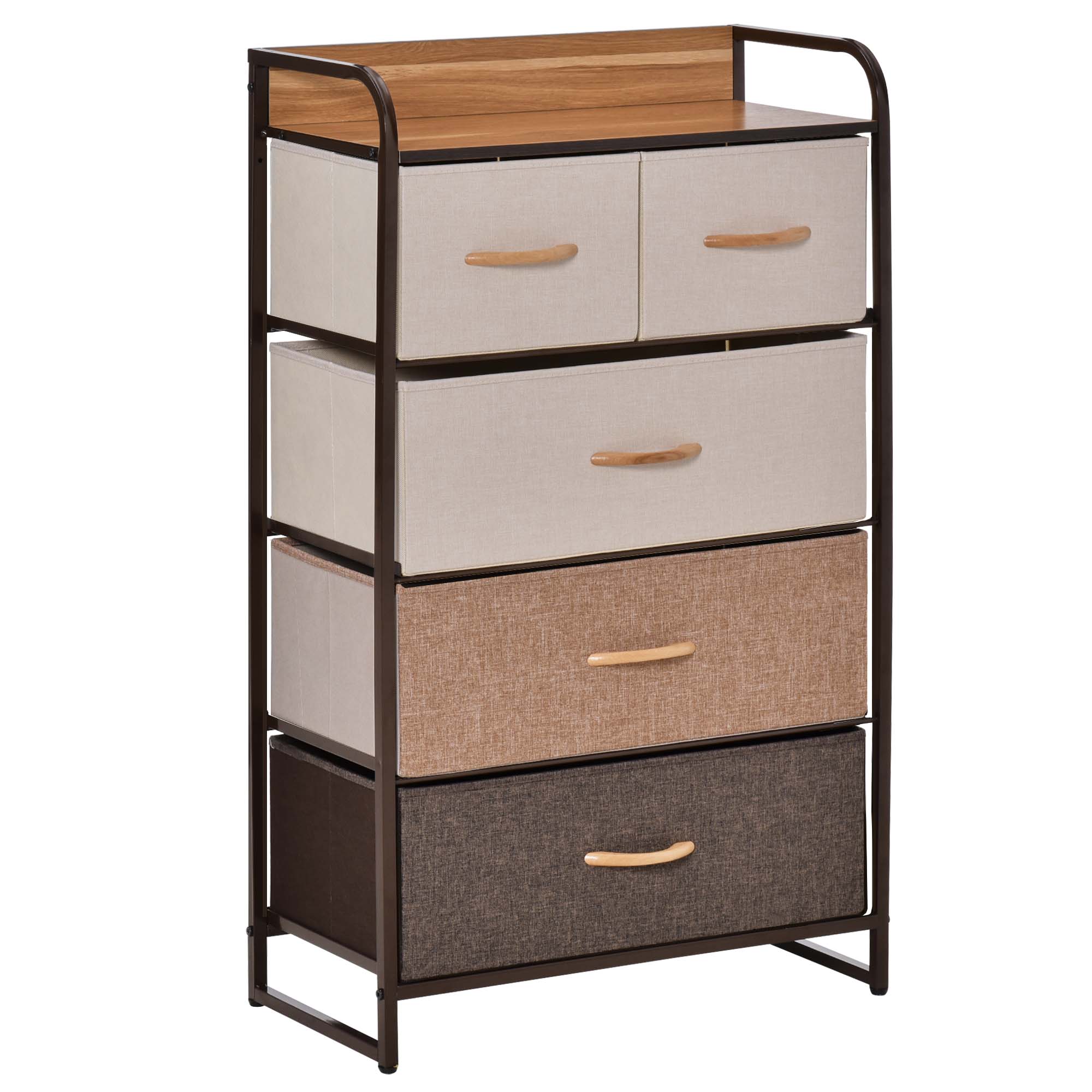
For Victorian terraces with chimney breasts, use the alcoves. A 158cm alcove can take two narrow shelving units or a chest plus shelves above, leaving the bed on the quieter wall if the layout allows. The Premium 6-Drawer Fabric Chest of Drawers or the slimmer 5-Drawer Fabric Storage Dresser can help you fill awkward storage gaps, though fabric drawers are light; they organise clutter rather than block much sound on their own.
The honest trade-off is depth. A useful storage wall can steal 28cm to 40cm from the room, which hurts in a boxy terrace bedroom. Anchor tall furniture properly, especially on crumbly lime plaster. If you want a real acoustic jump, furniture alone is the polite version; specialist acoustic plasterboard and resilient bars are the serious one.
Best cheap door fix — brush sweep and perimeter seals · £11.50-£42.00
Bedroom doors in old houses are often the overlooked leak. A 760mm-wide hollow door with a 10mm gap underneath can let in landing noise, bathroom fans and late-night kitchen clatter. A surface-mounted brush sweep costs about £11.50 to £18.00, while a better drop-down seal can be £32.00 to £42.00. Add foam or rubber perimeter seal around the stop if light shows through the sides.
Fit the sweep so it kisses the floor, not so low that it ploughs the carpet. If there’s a threshold, a rubber blade seal usually works better than a brush. For renters, choose a screw-fixed sweep only if you’ve got permission; adhesive versions exist, though they can peel on painted doors during a humid winter.
The drawback is feel. Cheap sweeps can look a bit office-like, and a badly fitted one makes the door annoying every single night. Be careful with fire doors and rooms that need ventilation for safety. Sound reduction is useful, but blocking all airflow in a small bedroom can leave the room stuffy by morning.
Best soft layer at the window — lined curtains on a wide pole or track · £45.00-£180.00
Curtains won’t fix a leaky window, but once the seals are sorted they help tame sharp street noise and echo. Look for heavyweight lined curtains, ideally 250gsm fabric or heavier, and mount them 15cm to 20cm beyond each side of the window reveal. In a bay, a ceiling track is often better than a pole because it lets the fabric sit closer to the glass.
For a 142cm window, don’t buy a 142cm curtain pair. You want fullness: roughly double the track width, so the fabric hangs in folds rather than as a flat sheet. Expect £45.00 for basic thermal linings and £120.00 to £180.00 for heavier ready-made pairs. Blackout lining is useful for sleep, but weight matters more than the blackout label.
The caveat is bulk. Heavy curtains can crowd a small room and they collect dust, so allergy sufferers may prefer washable linings. The felted “acoustic” claims online are often woolly. If the sash still whistles, curtains are just dressing a draught.
Sharp caveat: if you can see daylight, fit seals before fabric. If you can hear bass through the floor, fabric and foam will barely touch it. Spend money on the leak you actually have, not the one a product photo suggests.
| Fix | Typical bedroom cost | Best at reducing | Renter-friendly? | Main compromise |
|---|---|---|---|---|
| EPDM window seals | £8.99-£24.00 | Traffic hiss, draught-borne noise | Usually | Can make sashes stiff |
| Dense underlay and rug/carpet | £68.99-£220.00 | Floorboard echo, footsteps | Rug yes, fitted carpet less so | Raises floor height |
| Bookcase or storage wall | £110.00-£650.00 | Muffled voices through party wall | Yes, if anchored safely | Steals floor space |
| Door sweep and seals | £11.50-£42.00 | Landing noise, household clatter | Sometimes | Can snag carpet |
| Lined curtains | £45.00-£180.00 | Window echo, sharper street noise | Yes with removable fittings | Bulky and dusty |
FAQs
Can I soundproof a bedroom in the UK without building work?
Yes, but think reduction rather than silence. Window seals, a door sweep, dense rugs and better furniture placement are the best low-mess starting points. They suit many rented flats because most can be removed later.
Do egg boxes or cheap foam panels work on a bedroom wall?
Not for neighbour noise. Foam can reduce echo inside the room, but it has too little mass to block voices through brick, plaster or floorboards. It also looks dodgy unless you are actually recording music.
Will a bookcase against a party wall really help?
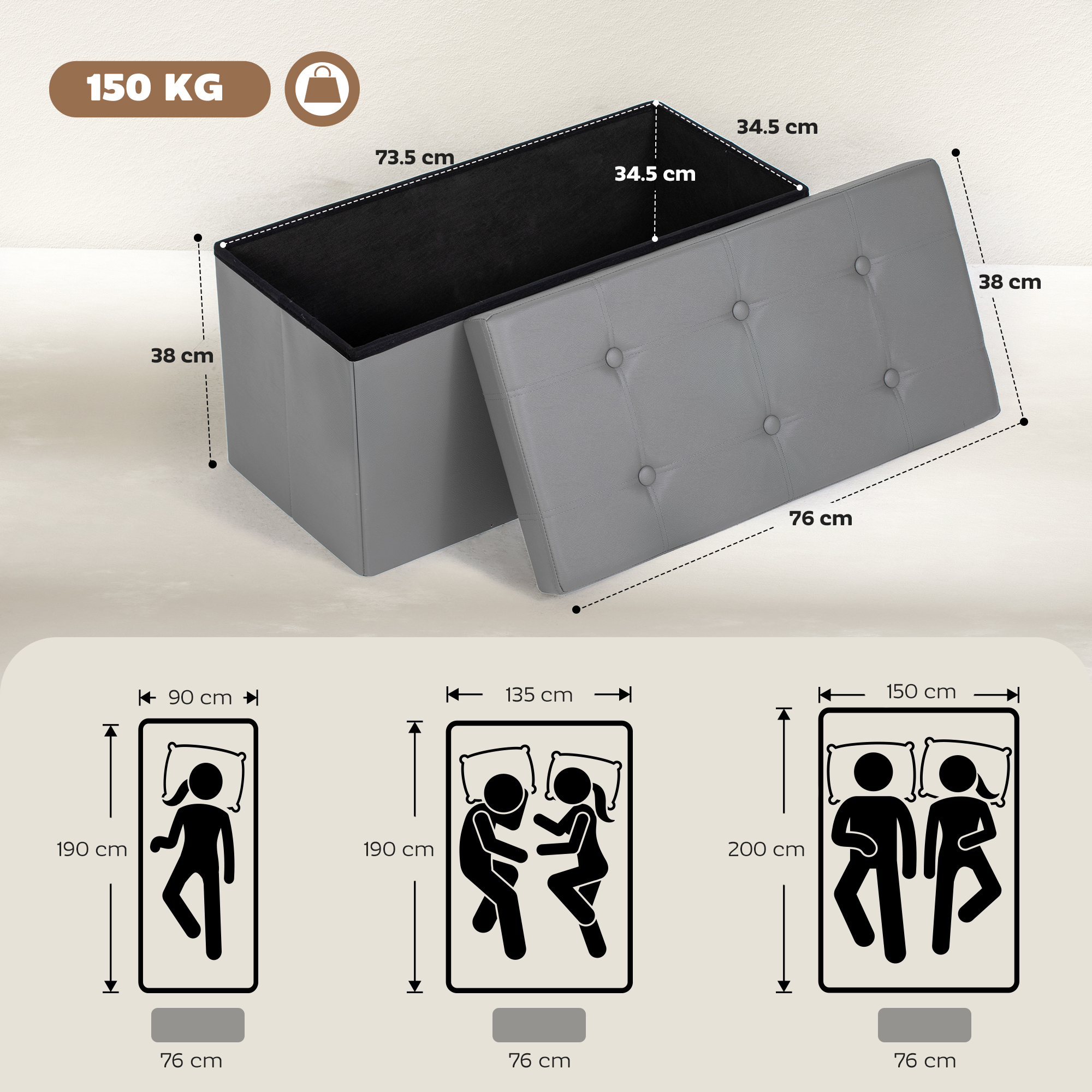
It can help a little, especially with speech, if it is large, full and placed on the noisy wall. Empty shelves and lightweight fabric drawers won’t do much by themselves, though storage pieces such as an 89L storage ottoman bench can add soft clutter control at the foot of the bed.
Should I replace the bedroom door?
A solid-core door helps more than a hollow one, but it is pricier and may need a joiner because old frames are rarely straight. Try sealing the gaps first. If light still leaks around the door, sound will too.
What is the biggest mistake people make?
Buying one expensive “acoustic” product before finding the leak. In a Victorian terrace, the weak points are often the sash meeting rail, the floorboard gaps, the door undercut and the alcoves around a chimney breast.
If I had one Saturday and £100.00, I’d seal the window, fit a door sweep and put the biggest dense rug I could afford over the boards. If the budget stretches further, add lined curtains and build storage onto the party wall. For a small terrace bedroom, that mix is sorted: not studio-grade, but noticeably calmer without turning the room into a building project.