At 8:15 in a Manchester new-build kitchen I saw a parent make packed lunches on a 42 cm strip of worktop between the sink and a hidden tall cabinet, while the toaster lived behind a folding door and the cereal had to be fetched from above the oven. It looked calm in photos. In the school-run rush, it was a faff. So, is the invisible kitchen trend practical for UK homes, or are we designing the cooking out of kitchens?
The short answer
Sometimes, but only under strict conditions. An invisible kitchen is practical in a UK home only if it protects at least 1.2 m of usable prep run, full-height food storage and appliance access without opening three doors before boiling a kettle. If the seamless look costs you counter space, sockets, bin access or everyday storage, it is not aspirational. It is a living room pretending dinner appears by magic.
The longer answer
What is an invisible kitchen actually hiding?
The phrase has been used by interiors titles to describe concealed appliances, seamless storage and kitchens that read more like architecture than workspace. House Beautiful’s 1 April 2026 piece defines the invisible kitchen in exactly that territory: appliances tucked away, cabinetry flattened into walls, and the practical parts visually suppressed. The idea makes sense in open-plan rooms, where the kitchen shares air with the sofa, dining table and Zoom background. Nobody wants a tower of cereal boxes glowing behind them at 9am. But cooking is physical. It needs landing space for a hot tray, a place for peelings, a drawer that opens while someone else stands at the sink, and sockets that meet normal UK habits: kettle, toaster, air fryer, phone charger, all fighting for BS 1363 plugs.
Where does the trend go wrong in ordinary UK homes?
It fails fastest in homes that already have awkward bones: Victorian terraces with chimney breasts, rented flats with one legal place for the washing machine, and narrow stairs that make huge built-in runs expensive before the fitter even starts. I measured one galley recently at 2.05 m wide. After a 600 mm fridge, 600 mm sink base and 600 mm oven housing, the remaining clear prep space was less than a chopping board and a mug. Invisible cabinetry can make that look neater, yes, but it cannot invent worktop. The marketing picture often shows closed doors. Real life shows toast crumbs, wet tea towels, council recycling collections split into four containers, and a 50 kg weekly shop that needs somewhere to land before half of it goes into the fridge.
Isn’t the clean look calmer, especially in open-plan rooms?
That is the fair counterargument, and it has teeth. Visual clutter can make a small room feel restless. Ideal Home has recently argued that open shelves only look expensive when they are carefully edited, with everyday cardboard packaging hidden behind cupboard doors. True. A row of lentils in matching jars is one thing; five half-used crisp packets and a Calpol box are another. The invisible kitchen can help if the household mostly reheats, snacks or entertains with takeaway. It can also suit a compact flat where the same 18 sq m has to serve as kitchen, dining room and evening kip zone. The problem starts when calm becomes concealment for its own sake. If every appliance is behind a pocket door, the cook pays the tax in tiny repeated movements.
What should remain visible or instantly reachable?
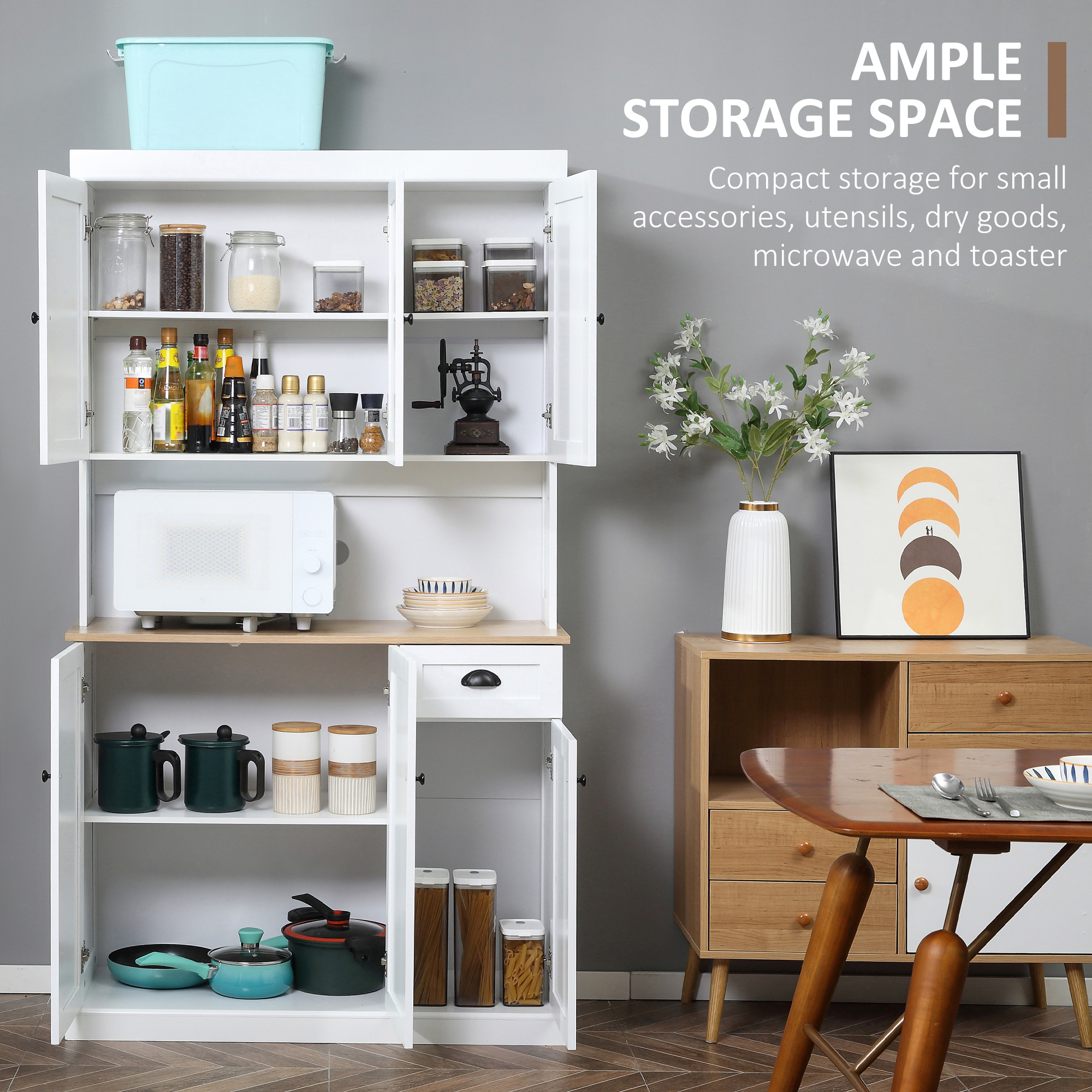
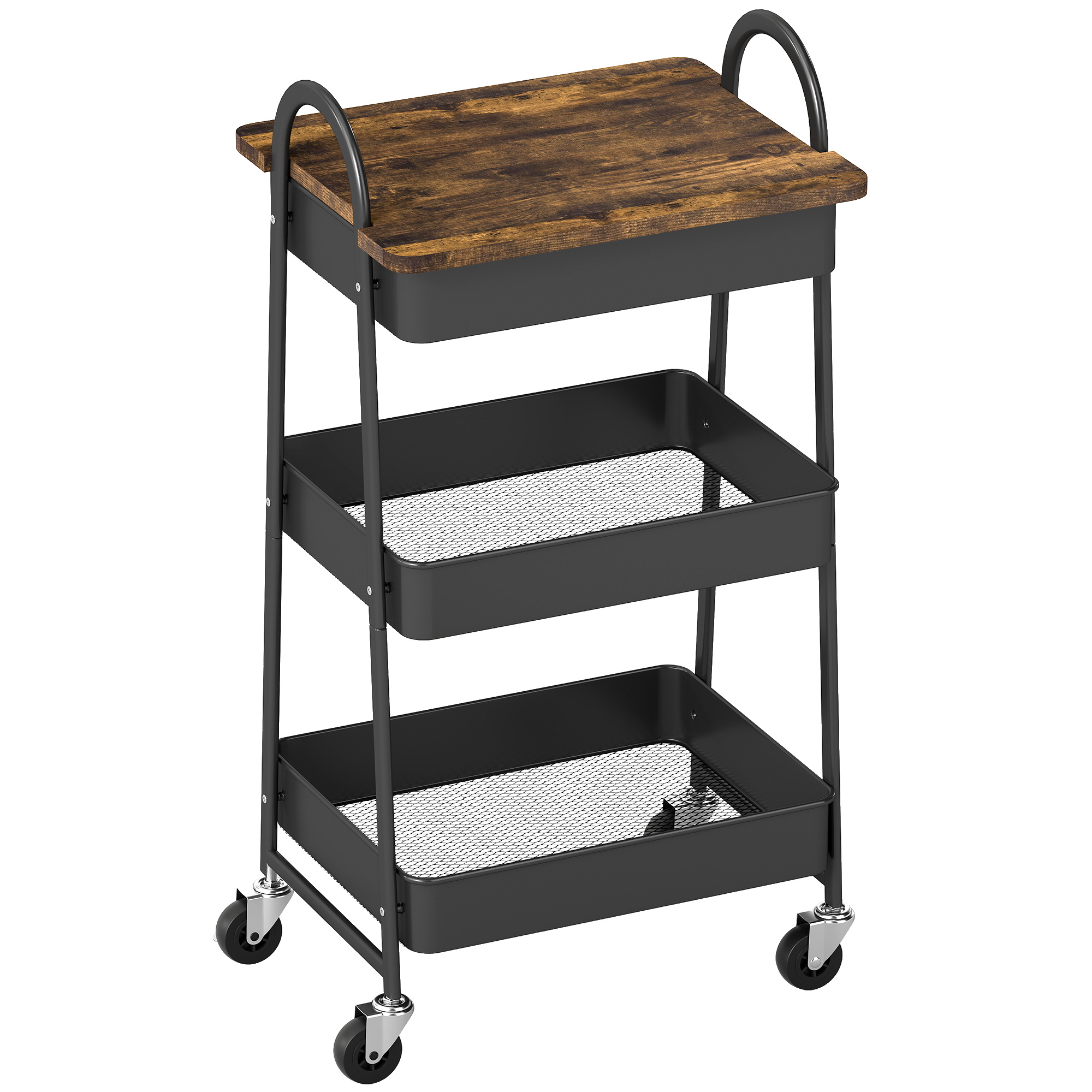
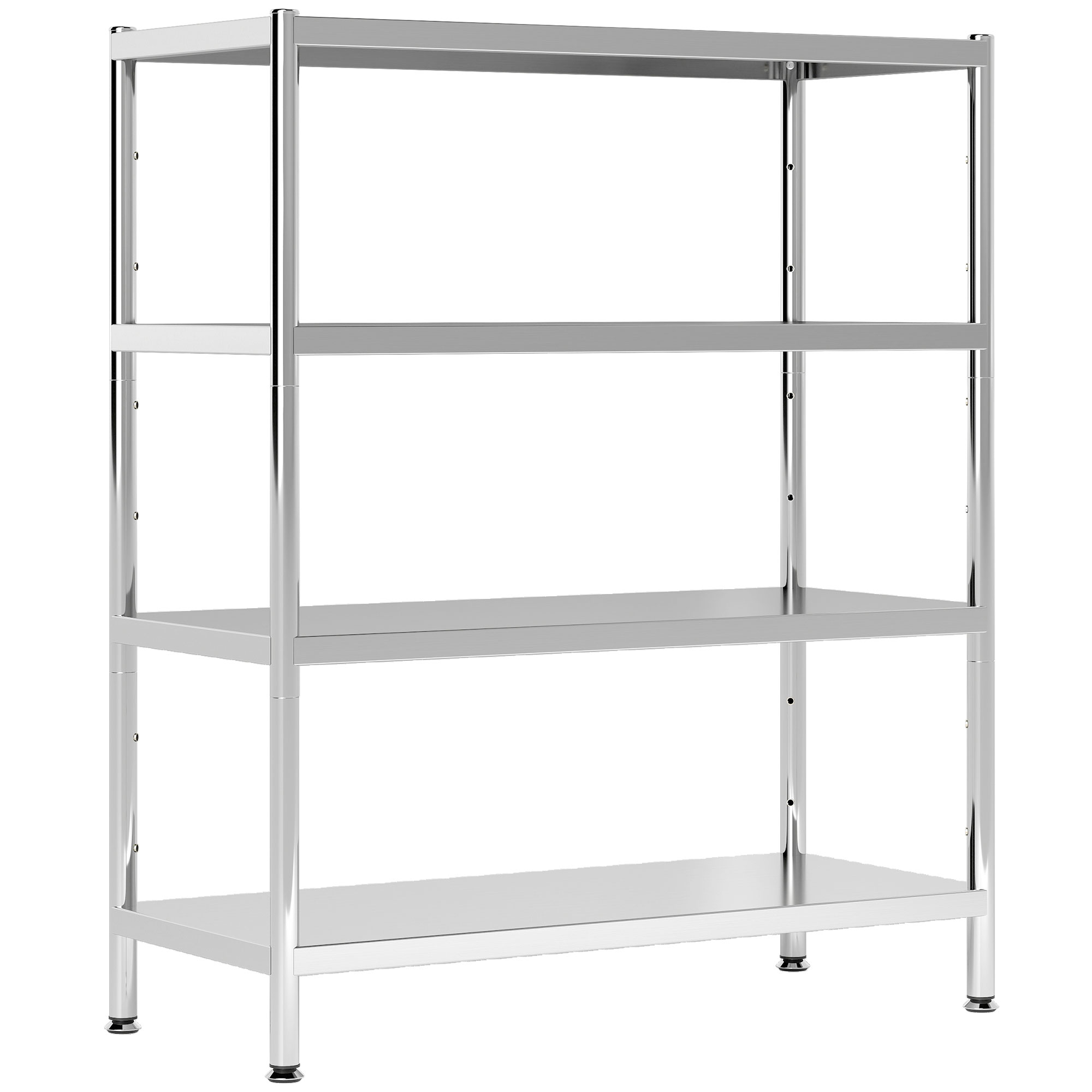
The honest answer is less glamorous than the trend board: prep space, the bin, pans, oils, chopping boards and the things used daily. A kitchen can still look decent without pretending nobody cooks. One proper run of clear worktop, ideally 1.2 m to 1.8 m, beats two pretty hidden niches. If the room lacks built-in storage, freestanding kitchen furniture can be the savvy compromise: a 180 cm cabinet with a countertop, a 3-tier kitchen storage trolley, or a 4-tier baker’s rack can take pressure off cramped cupboards without a full refit. We’d rather see a visible spice rack near the hob than a beautifully blank wall that makes you cross the room with a hot pan. The DIYUK renovation thread from 5 April 2026 gets to the same practical nub: the poster wants a wall removed specifically for more counter and storage space, while commenters debate open plan as a functional game changer, not just a look.
Related questions
Are handleless kitchens annoying to use every day?
They can be. Push-to-open doors look crisp in photos, but greasy fingers, wet hands and a child leaning on a drawer all test the mechanism. Recessed pulls are usually easier. If you cook daily, try opening a tall larder door while holding a saucepan lid before committing.
Can the invisible kitchen trend work in a rented flat?
Only lightly. Most renters cannot move plumbing, hardwire lighting or alter extractor routes, and many leases forbid fixing heavy units to walls. Use removable fixes instead: closed storage boxes, a freestanding cupboard, a worktop organiser and a trolley that can move with you. Keep the landlord’s deposit in mind.
Do open shelves make a kitchen look cheaper?
Not automatically, but they expose the truth. Open shelves look polished when they hold edited, repeat-use pieces: bowls, glasses, coffee canisters. They look messy when they become overflow storage for pasta packets and vitamin tubs. If you hate decanting, use doors for food packaging and shelves for things that earn their place visually.
How much counter space does a real cooking kitchen need?
Aim for one uninterrupted run of at least 1.2 m, with 1.8 m feeling much easier for batch cooking or family meals. Two scattered 50 cm gaps do not behave the same way. You need space to chop, park ingredients, rest a baking tray and plate up without balancing things on the hob.
Is a hidden appliance garage a good idea?
It depends what goes inside. A stand mixer used twice a month is a good candidate. A kettle used eight times a day is not. Heat, steam and crumbs also need managing, so check ventilation and socket position. Bulky doors can steal more counter space than the appliance itself.
Is freestanding storage better than seamless built-in cabinetry?
For many UK kitchens, yes, especially where budgets or room shapes are awkward. Built-in cabinetry gives a cleaner line, but freestanding storage can add capacity quickly and adapt if your needs change. A visible rack full of pans may be less pristine, but it can make cooking genuinely easier.
The invisible kitchen is not the enemy. The lazy version is. If your kitchen must also be dining room, hallway overspill and laptop backdrop, hide the ugly packaging and keep the lines calm. But protect the cook first. In that 8:15 kitchen, the answer was not another flush door. It was 1.2 m of clear counter, a reachable bin and storage that opened without ceremony. Get those sorted, then worry about the wall looking seamless.
Villalta Home Editorial is the in-house byline used for buying guides and product roundups on villaltaco.uk. Each guide is written by the editorial team, drawing on the catalogue's measurable data — real dimensions, materials, UK use cases, price bands — and on hands-on research into how products actually perform in UK homes. Every post tagged with this byline is reviewed and approved by Juan Antonio Villalta Pacheco, the founder and editor, before it goes live. See our editorial standards for the full process.