
The soft kitchen looks lovely until the recycling bag is wedged by the back door at 8:15, the toaster is stealing half a 92 cm worktop, and someone has parked a school bag against the radiator. I saw this in a Victorian terrace kitchen in Leeds: uneven quarry tiles, a chimney-breast alcove measuring 64 cm wide, one double BS 1363 socket in the wrong place, and a bin route that crossed the hob. So here is the comparison that matters for UK homes in 2026: the soft kitchen trend versus storage-first kitchen planning. My thesis is blunt: in a normal British home under 90 m², storage-first planning beats the soft kitchen because visible clutter is still clutter, even if you call it lived-in charm.
The case for the soft kitchen
The soft kitchen is not nonsense. That is why it has travelled so quickly. House Beautiful, writing on 6 May 2026, framed it through British designers as a response to kitchens becoming multifunctional spaces for cooking, entertaining, working and socialising. That part rings true. Lots of kitchens are no longer just food rooms. They are homework benches, Teams-call backdrops, dog-feeding stations and the place where birthday cards sit for three weeks because nobody knows where else to put them.
The better versions of the trend are a reaction against the cold, over-specified kitchen: slab doors, glaring downlights, quartz everywhere, no visible life. Softness can mean fabric blinds instead of shutters, a lamp on a counter, warm timber, open shelves with mugs you actually use, or a painted freestanding cupboard that works with a wonky wall rather than pretending the house is a showroom box. In period homes, that can be savvy. Ideal Home’s May 2026 piece on the related “burrowcore” kitchen trend gets one thing right: avoiding natural clutter in a kitchen is borderline impossible, especially in older houses with awkward nooks and uneven floors.
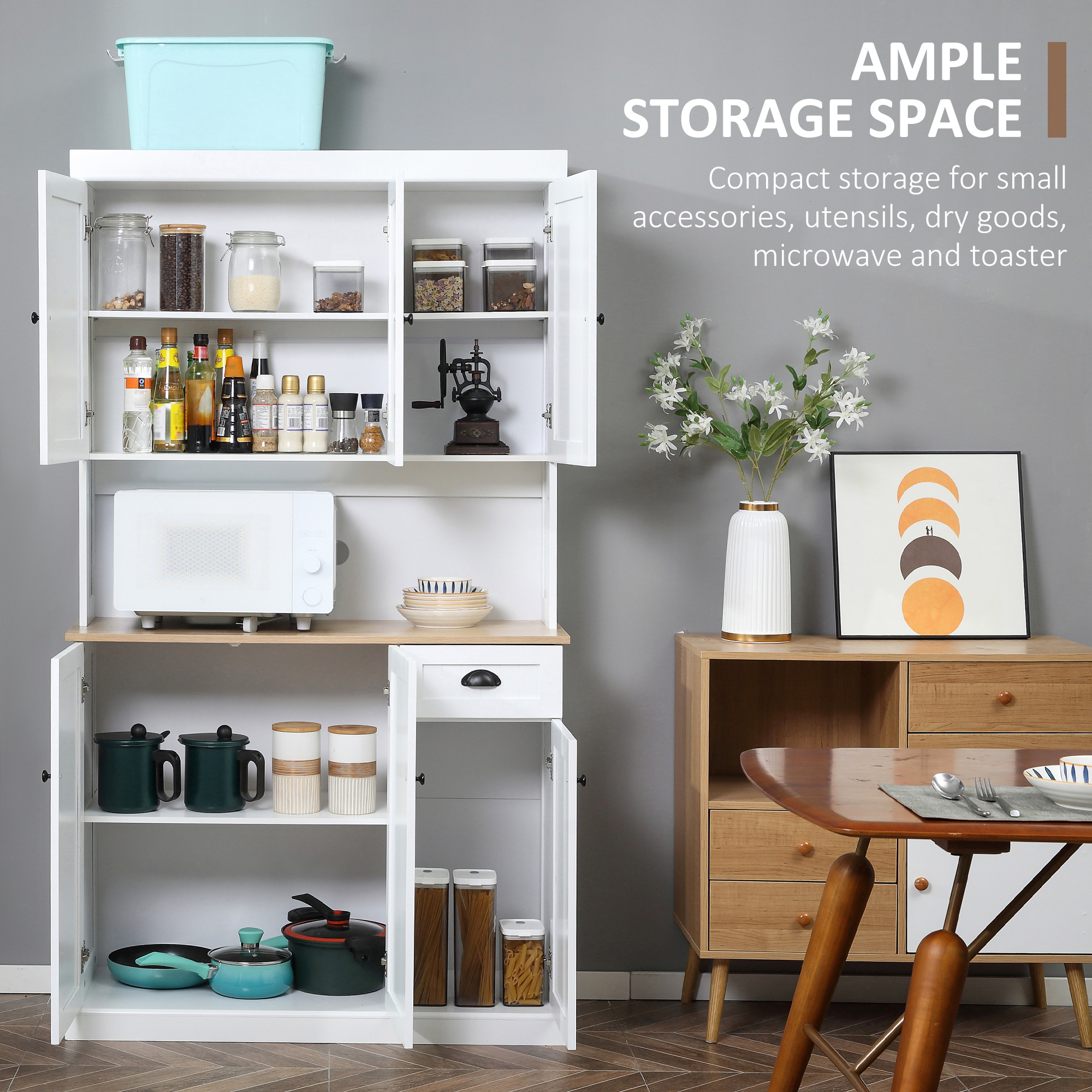
The soft kitchen also gives permission to stop chasing seamlessness. If your kitchen has a radiator under the only sensible breakfast perch, a soil pipe boxing-in near the sink, or a ceiling that drops by 22 mm from one end to the other, a looser room can feel more honest. A 180 cm freestanding kitchen cabinet with a countertop, for example, can be a practical patch in a rental or a stopgap before a full refit. The catch is that the language around the trend often slides from forgiving imperfection into excusing poor planning. A basket of onions on the floor is not pantry storage. A curtain under the sink is not a bin solution if the bin still blocks the dishwasher door.
The case for storage-first kitchen planning
Storage-first kitchen planning starts with the unromantic kit: fridge-freezer, oven, hob, dishwasher if you have one, washing machine if you have no utility, food waste caddy, general waste bin, recycling, kettle, toaster, microwave, pans, chopping boards, pet food, lunch boxes and the awkward party plates nobody uses but nobody bins. Then it asks where each thing lives, what door it collides with, and how much counter remains for cooking.
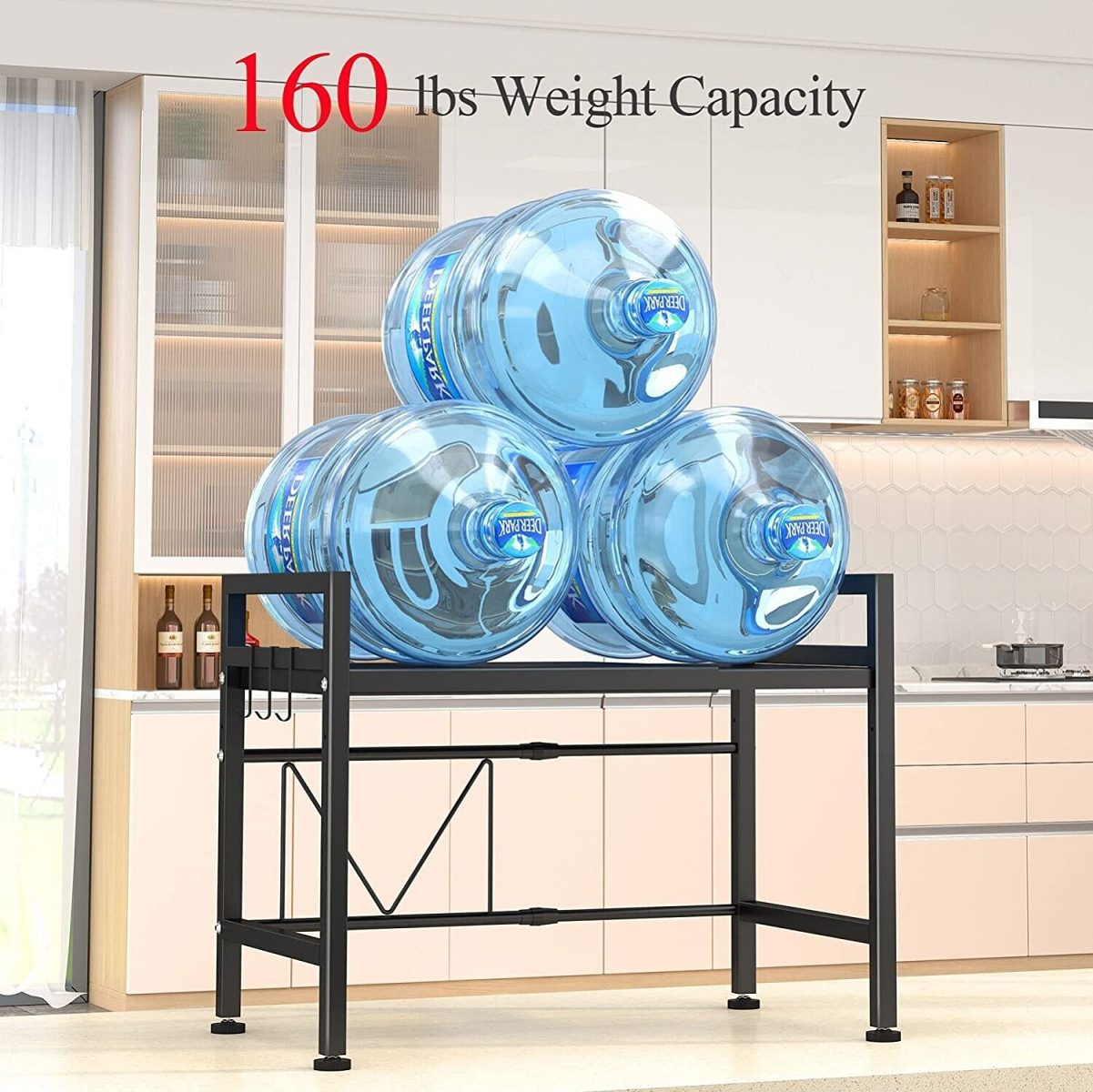
This is where trend language tends to fail. A kitchen is mechanical. It has hot zones, wet zones, bin routes, extraction, sockets, pipework and load-bearing walls. A 600 mm base unit does not magically create useful storage if half of it is swallowed by plumbing. A 300 mm pull-out larder sounds neat until you realise your cereal boxes are 280 mm deep and the door handle hits the skirting. A microwave on the worktop may cost you 50 cm of prep space; a simple 3-tier microwave stand can be ugly in the wrong room, but it solves a real pressure point.
The Reddit renovation threads say the quiet part out loud. In r/HomeImprovementUK on 21 April 2026, a buyer planning to knock through rooms for an open-plan kitchen was told to think carefully about islands, utilities and breakfast-bar storage before chasing the big airy layout. That is exactly the advice glossy trend pieces tend to soften. In r/DIYUK on 8 April 2026, a supposedly simple kitchen refit became a “never ending renovation nightmare” after a false wall was discovered. That is not a styling problem. That is a structure, services and budget problem.
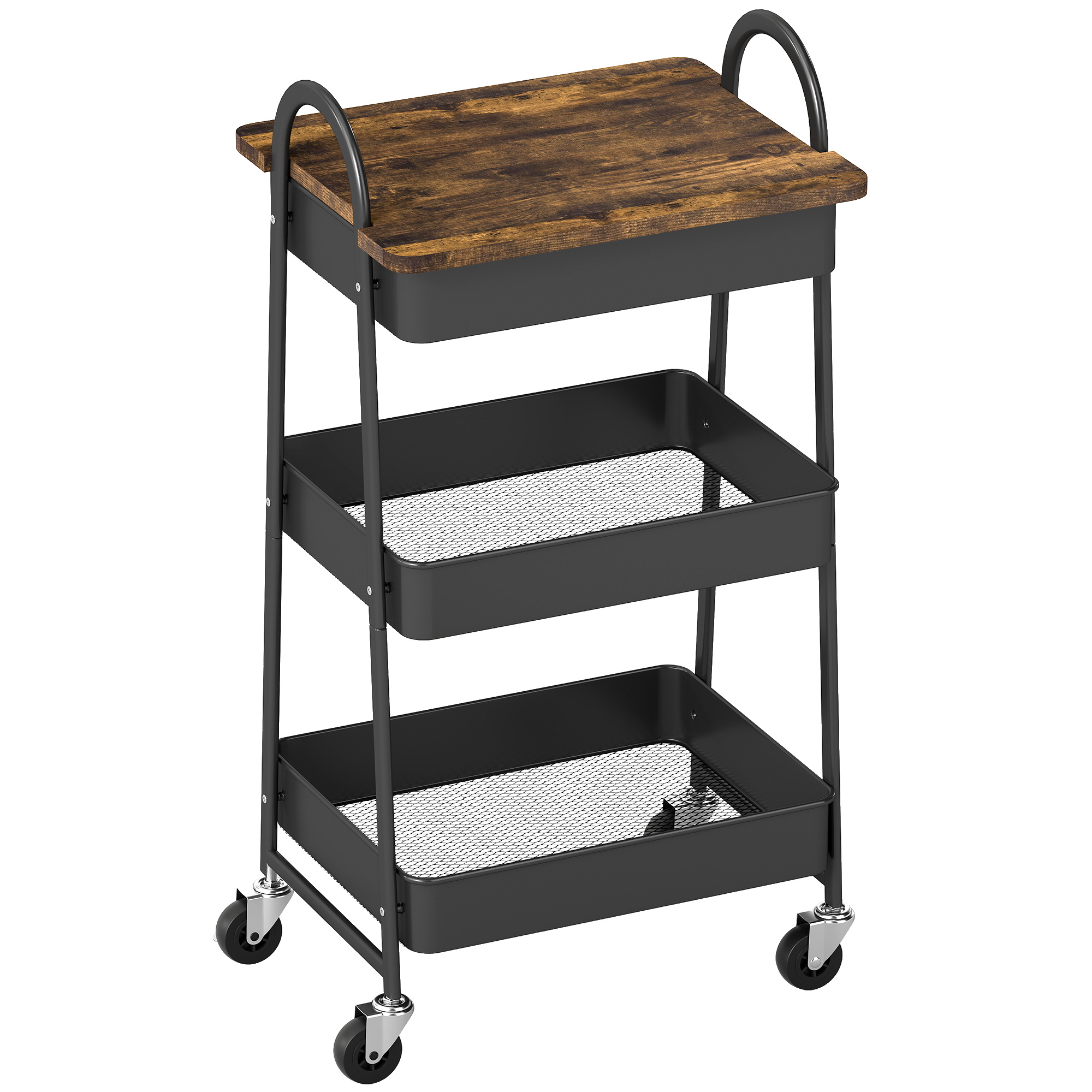
Storage-first does not have to mean joyless. The best version still uses colour, texture and proper materials. But it buys the right things in the right order: pantry depth before display shelves, closed storage before more ceramics, counter space before a stool no one can sit on. If you are browsing kitchen furniture, the useful question is not “does this look storybook?” It is “will it take the pressure off the worktop?” A 176 cm cupboard with doors, or a 3-tier kitchen trolley that can move out of the way, may do more for daily life than another mood-board corner.
The honest trade-off
The soft kitchen gives you emotional warmth. Storage-first planning gives you operational relief. That is the split. If you pick the soft kitchen as your guiding idea, you may get a room that feels forgiving, especially in a rented flat or a terrace where nothing is square. You will also be tempted to keep too much in sight: pans on rails, jars on shelves, baskets on the floor, tea towels pretending to be texture.
If you pick storage-first, you may lose some looseness. Closed cupboards can read flat. Tall units can make a narrow room feel tighter, particularly if the walkway drops below 85 cm. A freestanding unit in a 2.4 m-wide galley can look like it has barged in wearing muddy boots. Yet the daily gain is real: clearer counters, fewer appliance negotiations, less faff when cooking on a Tuesday night.
Softness is a mood; storage is a mechanism, and kitchens punish you when you confuse the two.
The fair counterargument is that real homes are not laboratories. Quite right. But that strengthens the storage case. A room with children, lodgers, narrow stairs, council recycling collections and one radiator in the only blank wall needs more mechanical thinking, not less.
Which to pick by use case
- Rented flat under 60 m², landlord will not allow drilling: pick storage-first planning. Use freestanding cupboards, a microwave stand, a trolley and lidded bins. Add softness with a lamp or curtain only after the worktop is usable.
- Period terrace with awkward alcoves and uneven floors: pick storage-first planning with a soft finish. Measure every alcove in millimetres, accept freestanding pieces where fitted units would be expensive, but do not let baskets become a substitute for food storage.
- Open-plan knock-through being planned: pick storage-first planning. Before choosing an island, map utilities, extraction, breakfast-bar storage and bin routes. The April 2026 renovation advice threads are right: the structural decisions come first.
- Large kitchen-diner over 25 m² with a separate utility: pick the soft kitchen, but only as styling. If the bins, laundry and overflow pantry already live elsewhere, softness can make the room feel human rather than staged.
- Budget refresh under £500.00: pick storage-first planning. Spend on one closed storage piece, better internal organisers and a worktop-clearing appliance stand before buying decorative shelves.
FAQs
What is the soft kitchen trend in 2026?
The soft kitchen trend is a move away from hard, showroom-style kitchens towards warmer, more lived-in rooms. In 2026 UK interiors coverage, it is tied to kitchens doing more jobs: cooking, working, hosting and family admin.
Is the soft kitchen trend practical for UK homes?
It can be practical as a styling layer, but it is weak as a planning method. UK homes often have narrow rooms, radiators, awkward pipework and limited pantry space, so counter space and closed storage need to come first.
How is burrowcore different from a cluttered kitchen?
Burrowcore celebrates cosy, lived-in rooms with texture and visible use. A cluttered kitchen is different: it is when appliances, bins and food have no proper home and start blocking prep space or circulation.
Should I remove a wall to create a softer open-plan kitchen?
Do not start with the look. Start with structure, utilities, extraction and storage. UK renovation threads are full of “simple” refits becoming expensive once false walls, supports or services appear.
What should I buy before decorative open shelving?
Buy anything that clears worktop pressure first: a tall closed cupboard, a microwave stand, internal drawer organisers, a recycling station or a moveable trolley. Open shelving should be the last layer, not the storage plan.
Can a kitchen be both soft and storage-first?
Yes, but storage has to lead. Once the bins, appliances, pantry goods and everyday crockery have proper homes, you can soften the room with colour, timber, fabric and a few visible pieces that earn their place.