Pine vs Oak vs Engineered Wood Beds: UK Buyers' Guide
The bed frame that started this argument was jammed sideways on the first-floor landing of a Victorian terrace in Walthamstow, with 72 cm between the banister and the wall and a king-size oak headboard that weighed 38 kg on its own. The mattress was a standard UK king, 150 x 200 cm, but the frame was 164 cm wide once the chunky side rails were included. Beautiful thing. Total faff. That is the bit glossy bedroom photos skip: wood choice affects weight, staircases, fixings, Cleaning and how often you’ll be buying the same bed again. This guide compares pine, oak and engineered wood beds by the things UK buyers actually live with: load limits, care, cost per year and eco credentials.
How I’m thinking about wooden bed frame materials in the UK
A bed frame is part furniture, part small bit of architecture. It has to survive two adults, a child bouncing in at 6:40am, a mattress that might weigh 35 kg, and the occasional move between rented flats. I’m less interested in pretty grain on a product page than in the boring specifications: total weight capacity, centre support legs, slat thickness, rail depth and whether the fixings bite into proper timber or crumble after the second dismantle.
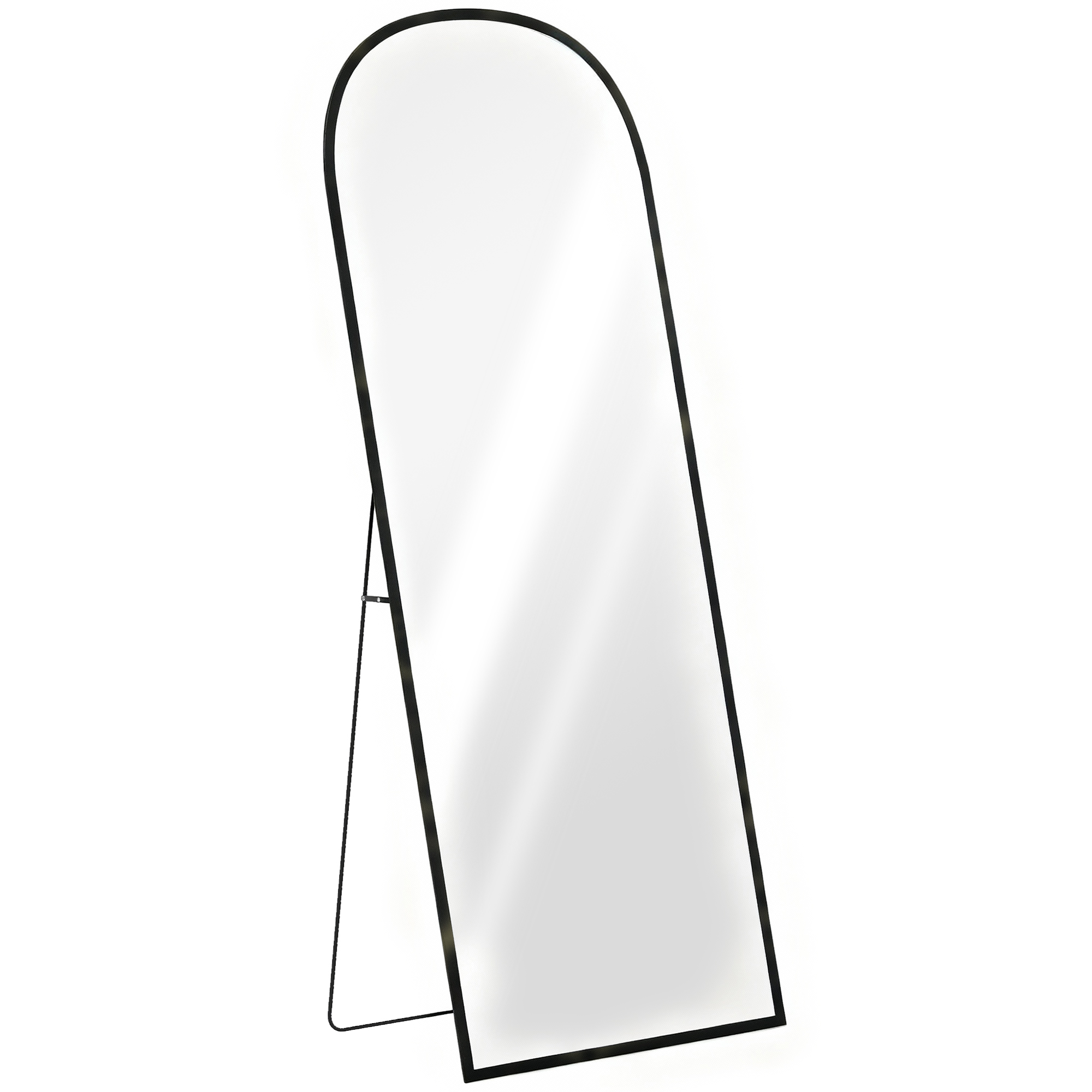
For this roundup, I’m using realistic UK retail price bands for a double or king frame, not fantasy sale prices. I’ve also treated the frame as part of the room rather than a standalone object, because a heavy oak bed in a 3 m x 3.2 m bedroom can make every other choice feel crowded. Our wider home decor approach is the same: buy the large permanent pieces carefully, then use easier swaps such as bedroom mirrors or artificial plants to soften the room later. A slim 165cm black full-length standing mirror, for example, can do more for a dark pine bed than another matching bedside table.
Sharp caveat: never judge a wooden bed by the word “solid” alone. Ask for the stated total load limit, including mattress and sleepers, and look for a centre rail with support legs on any double, king or super king.
Best cheap-and-cheerful material — Pine · £129.99–£349.99
Pine is the one I’d pick for a spare room, a first flat or anyone who needs a proper wooden frame without spending a month’s council tax. A simple pine double can come in at £129.99, while painted or chunkier king frames tend to sit nearer £249.99–£349.99. It’s light enough for narrow stairs, which matters in converted flats and older terraces, and most pine frames arrive in manageable boxes rather than one back-breaking headboard.
The usual weight limit for decent pine beds is roughly 150–250 kg total, though the frame design matters more than the tree. Wide slats, a central rail and at least one centre leg make the difference. Pine is a softwood, so it dents if you catch it with a vacuum cleaner and the screw holes can widen if you dismantle it repeatedly. Painted pine also chips along corners. You can sand and re-wax natural pine, which is a nice saving grace, but don’t pretend it will age like oak.
Cost per year can be very good or a bit dodgy. A £229.99 pine frame that lasts eight years costs £28.75 a year. If you buy a flimsy £129.99 version with thin slats and it squeaks itself into retirement after three years, that jumps to £43.33 a year and you’ve had three years of poor kip. Eco-wise, pine grows quickly and can be a sensible choice if it is FSC-certified, though cheap painted finishes can be harder to repair neatly.
Best long-term buy — Oak · £499.00–£1,299.00
Oak is the proper grown-up option: dense, stable when well made, and strong enough for heavier mattresses and sleepers. A solid oak double usually starts around £499.00, with king frames often between £699.00 and £1,299.00 depending on joinery, headboard height and how much of it is genuinely solid oak rather than oak veneer over a cheaper core. For a main bedroom you plan to keep for 15 to 25 years, oak starts to make financial sense.
Weight limits are often in the 250–400 kg range on well-built oak frames, but again, check the actual specification. Oak rails can take more abuse than pine, and fixings tend to hold better after a house move. Care is straightforward: dust it, wipe spills quickly, avoid soaking it, and feed oiled finishes once or twice a year. The trade-off is weight. A king oak frame can be 55–85 kg before the mattress, and that can turn moving day into a proper ordeal if your bedroom is up two flights of narrow stairs.
On cost per year, oak looks worse at the till and better over time. An £849.00 oak bed kept for 20 years works out at £42.45 a year. That is not dramatically more than a mid-priced pine frame, and you’re less likely to send it to bulky waste after one tenancy. The eco argument is mixed: oak grows slowly, so certification and origin matter. A UK or European FSC oak frame bought once is easier to defend than a cheaper tropical hardwood frame with vague sourcing. The caveat is visual heaviness; in a small Manchester new-build bedroom, a chunky sleigh-style oak bed can make the room feel half a metre narrower.
Best for modern flats and tight budgets — Engineered wood · £179.99–£599.00
Engineered wood covers a broad church: plywood, MDF, particleboard, laminated boards and veneer-faced panels. The good versions are stable, neat and surprisingly strong. The bad versions feel hollow, chip at the corners and use cam-lock fittings that never quite tighten again. Most double and king engineered frames fall between £179.99 and £599.00, with storage beds and upholstered hybrids pushing higher.
Load limits usually sit around 180–300 kg, though some platform-style plywood frames go higher. Engineered wood is good for clean-lined rooms because it resists the seasonal movement you get with solid timber near radiators. It also works well for ottoman or drawer beds, where precise panels matter. A UK king engineered storage bed might be 160 cm wide, 212 cm long and 95 cm high at the headboard, so measure skirting boards and sockets before ordering. BS 1363 plug sockets behind a headboard are a small nuisance until you can’t plug in a lamp.
The trade-off is repairability. Veneer can’t be sanded back like solid oak, and once particleboard around a fixing fails, there’s only so much wood glue can do. A £299.99 engineered frame lasting ten years is £30.00 a year, which is excellent if the fittings are decent. Eco credentials depend on the board: engineered wood can use timber efficiently and may contain recycled fibres, but adhesives and low-quality laminates complicate the picture. Look for FSC or PEFC claims, low-formaldehyde boards where stated, and avoid anything with a chemical smell that lingers after a week.
Material
Typical UK price band
Likely total load limit
Care level
Best lifespan bet
Pine
£129.99–£349.99
150–250 kg
Easy, but dents quickly
5–10 years
Oak
£499.00–£1,299.00
250–400 kg
Needs occasional oil or wax
15–25 years
Engineered wood
£179.99–£599.00
180–300 kg
Wipe-clean, less repairable
7–12 years
What to check before you buy
Start with the footprint, not the mattress size. A UK double mattress is 135 x 190 cm, but a wooden double frame may be 146 cm wide and 202 cm long. A UK king mattress is 150 x 200 cm, yet the frame can easily reach 165 x 215 cm with a deep headboard and side rails. Tape it on the floor with masking tape and open the wardrobe doors. This is not glamorous, but it’s sorted in five minutes and saves an expensive mistake.
Then check the slats. Solid slats are firmer and usually sturdier; sprung slats feel softer but can be weaker if they are thin. For heavier sleepers or a heavy hybrid mattress, I’d rather have solid slats at least 7 cm wide with small gaps, plus a centre support rail. If the retailer does not publish a weight limit, ask. If they still cannot give one, I’d walk away.
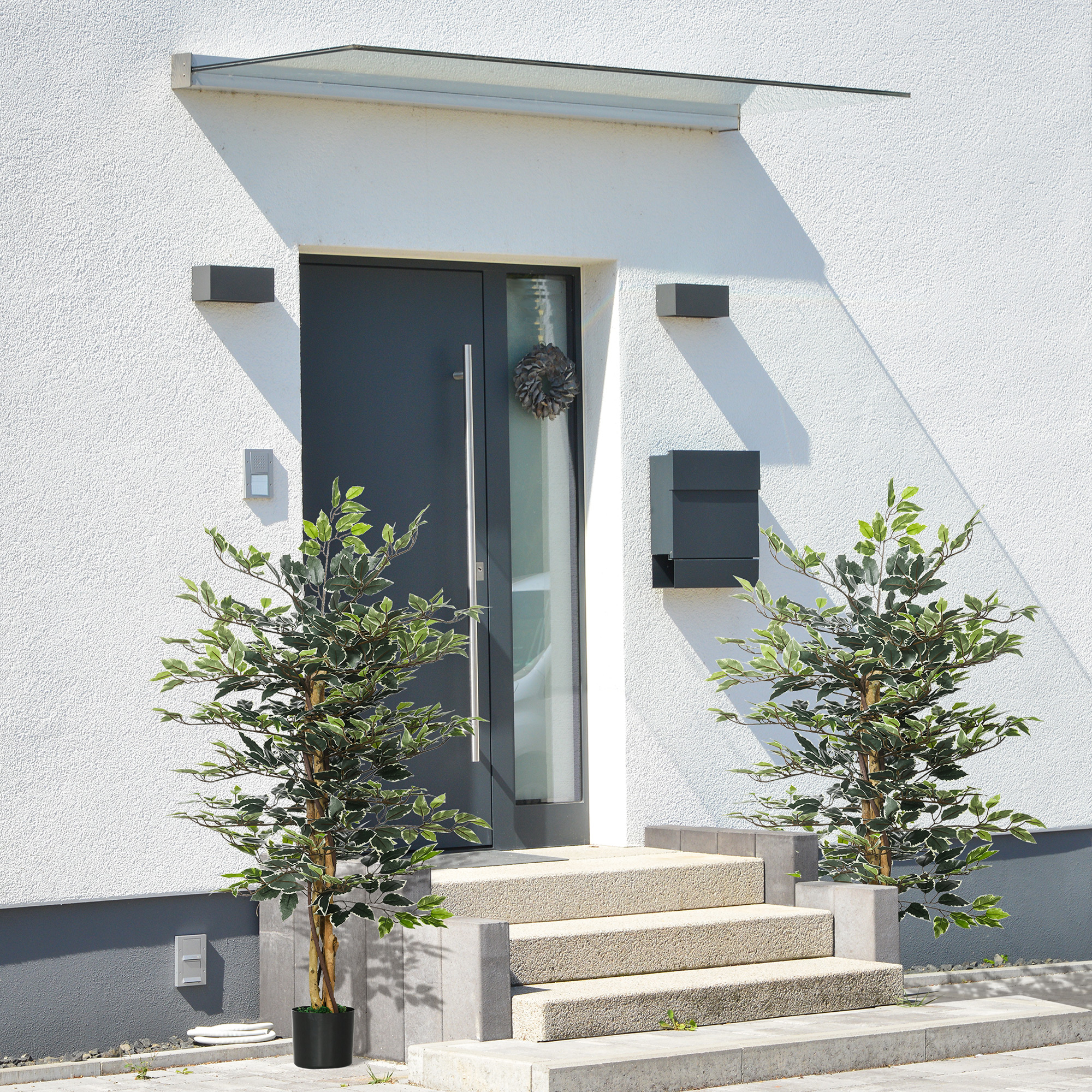
Finally, think about the rest of the bedroom. A pale pine frame can look calm with white walls and linen bedding, while dark oak often needs reflective or vertical pieces to stop it feeling blocky. Villalta Home Co.’s 107cm silver metal asymmetric wall mirror and 165cm black full-length standing mirror are the sort of pieces I’d use to balance a heavier wooden bed; a pair of 130cm artificial ficus trees can soften a corner without adding another wooden surface.
FAQs
Which wooden bed frame material is strongest?
Solid oak is usually the strongest of the three, especially in frames with thick side rails, a centre rail and support legs. A well-made engineered plywood frame can also be strong, but cheap particleboard frames are less forgiving.
Is pine strong enough for two adults?
Yes, if the frame has a stated load limit that suits your combined weight plus the mattress. I’d avoid very cheap pine beds with thin slats, no centre support on a double or king, and vague wording such as “sturdy construction” without numbers.
Are engineered wood beds bad for the environment?
Not automatically. Engineered boards can use timber efficiently and may include recycled fibres. The better eco choice is a certified board with clear FSC or PEFC sourcing and a frame you’ll keep for years, rather than a flimsy one headed for disposal.
How much weight should a UK king-size bed frame hold?
For a UK king-size mattress, I’d look for at least 250 kg total capacity for everyday use by two adults. Heavier hybrid or pocket-sprung mattresses can weigh 35–55 kg, so include the mattress in the total.
Which material is easiest to repair?
Natural pine is easiest for small DIY repairs because it can be sanded, filled and re-waxed. Oak can be repaired beautifully but takes more skill. Veneered engineered wood is the hardest to disguise once chipped.
My recommendation
If you’re in a rented flat, up narrow stairs or buying for a spare room, pine is the savvy pick as long as the slats and centre rail are decent. For a main bedroom and a frame you want to keep through moves, oak is the one I’d spend on. Engineered wood wins for storage beds and crisp modern rooms, but only if the load limit is published and the fittings look replaceable rather than disposable.
Villalta Home Editorial is the in-house byline used for buying guides and product roundups on villaltaco.uk. Each guide is written by the editorial team, drawing on the catalogue's measurable data — real dimensions, materials, UK use cases, price bands — and on hands-on research into how products actually perform in UK homes. Every post tagged with this byline is reviewed and approved by Juan Antonio Villalta Pacheco, the founder and editor, before it goes live. See our editorial standards for the full process.