The first thing I notice in most British living rooms is not the sofa. It is the lonely ceiling pendant, usually dangling from a rose in the dead centre of the room, casting a pale circle over a coffee table while the corners sit in gloom. In a friend’s rented flat in Hackney, the hallway was 70 cm wide at its meanest point, the living room had one double BS 1363 socket on the useful wall, and the landlord’s magnolia paint made every nice object look slightly tired. She was convinced she had a “style problem”. She had a Lighting and scale problem.
This guide covers the big decisions behind UK Home Decor, lighting and style: how to light rooms without rewiring, how to make renter-safe Bathroom changes, where faux plants earn their keep, how to judge flooring, shelves, mirrors, towels, hobby decor, baby gates and Cleaning kit as part of the same visual system. The thesis is simple and arguable: most UK decorating problems are lighting and scale problems before they are taste problems.
This is not a guide for gut-renovating a five-bed detached house with a boot room, plant room and a £7,000 lighting plan. It assumes rented flats, Victorian terraces, Manchester new-builds with too many downlights, narrow stairs, modest budgets and rooms doing two jobs. If you have space to float furniture with 90 cm clearance on every side, some of this will feel overly cautious. Lucky you.
Why this matters in UK homes specifically
UK homes are awkward in ways glossy decor advice often ignores. A 1930s terrace may have 2.4 m ceilings downstairs, a chimney breast slicing the best wall into two skinny alcoves, and a front door that makes large furniture delivery a proper faff. Victorian conversions can have beautiful cornicing and stair turns that hate anything wider than 80 cm. Many rented flats still come with one central pendant per room, no dimmers, and sockets placed for a television life nobody lives now.
Then there is the practical stuff: council bulky-waste collections may limit item sizes or charge per item, kerbside pickup is rarely kind to flimsy flat-pack mistakes, and bathrooms in rentals often forbid drilling into tile. Electric showers and mixer showers behave differently, laminate and vinyl plank age differently, and a baby gate that fits a square new-build doorway may not work in a wonky Victorian hallway. Style in the UK is less about buying one dramatic object and more about making constraints look intentional.
Lighting sets the style before furniture gets a vote
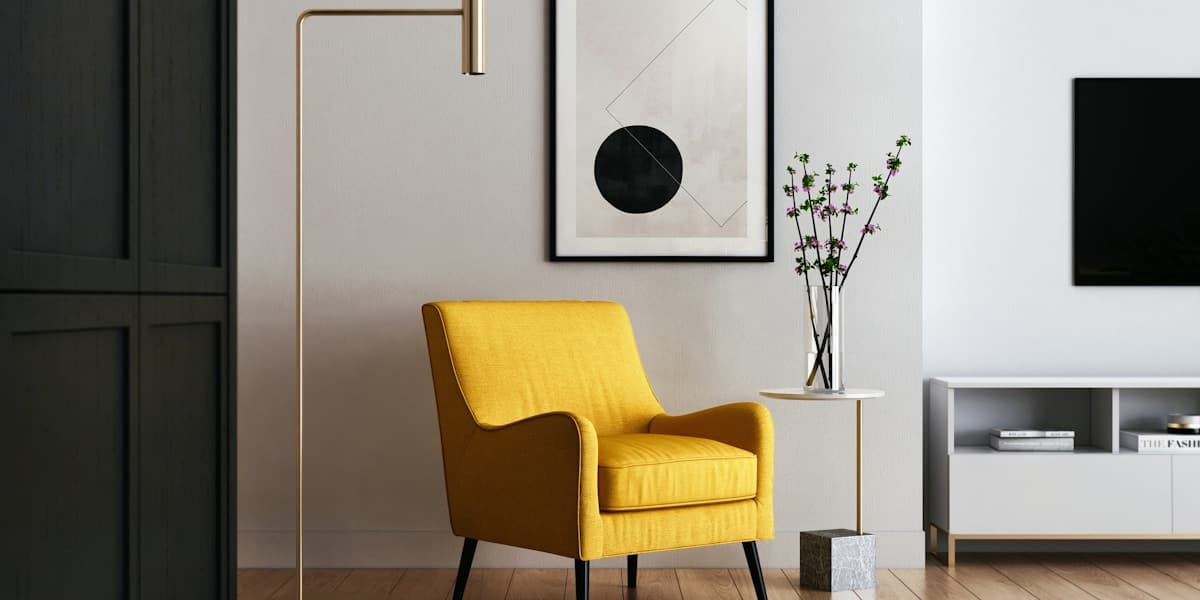
Lighting is the single quickest way to make cheap decor look better, and the quickest way to make expensive decor look oddly grim. The central ceiling pendant is useful for Cleaning, finding earrings and assembling IKEA drawers, but it is rarely flattering for an evening room. A pendant with an opaque shade can push light down onto a table; a fabric drum shade softens it; a bare bulb in a clear glass shade often just shows dust and glare.
Think in layers rather than fittings. A 12 m² living room can usually take one overhead light, one floor or table lamp near seating, and a smaller accent lamp on a shelf or sideboard. Warm white bulbs around 2700K feel kinder in living rooms and bedrooms; 4000K can be useful in utility corners but looks clinical beside cushions and timber. If you rent, plug-in wall lights, smart bulbs and lamps with inline dimmers do more than another cushion ever will.
Ceiling height matters: in a 2.35 m room, leave at least 200 cm clearance under a pendant where people walk.
Bulb compatibility is not glamorous, but check LED dimmability before buying a dimmer; flicker is maddening.
For lamps, expect £25.00 to £120.00 for decent high-street options; the shade quality is often where the money shows.
Black flex and smoked glass look sharp in pictures, but both can read harsh in a north-facing flat.
The common mistake is treating the pendant as the main decorative decision. It is usually the least forgiving light in the room. Sort the lamps first, then decide whether the ceiling fitting needs drama or just manners.
Renter-safe bathrooms need restraint, not a mini spa fantasy
Bathroom decor in rented homes has to work around bad tile, extractor fans that wheeze, and landlords who say no to drilling before you have finished the sentence. The wins are rarely grand. A better shower curtain, a proper bath mat, a clean mirror edge, new towels and a plug-in dehumidifier can do more for the room than a basket of decorative shells pretending to be in Cornwall.
Showers deserve special attention because they affect both comfort and design decisions. An electric shower heats cold mains water inside the unit, so the box on the wall is bulkier and the flow can be less generous in winter. A mixer shower blends hot and cold from your system and often looks neater, but it depends on your boiler and plumbing. In a rental, you may only be choosing around the shower, not changing it. That means fewer visual distractions and better textiles.
Shower curtains should be 180 x 180 cm for most standard baths; longer versions can drag and go manky at the hem.
Towels need replacing before they become cardboard. A 500-650 gsm towel is a sensible middle ground for drying and washing.
Adhesive storage can work, but tile must be cleaned with isopropyl alcohol first; steam and soap residue are the enemies.
Budget £15.00-£35.00 for a decent bath mat and £30.00-£80.00 for a full towel refresh.
The common mistake is over-accessorising a small bathroom. Five amber bottles on an open shelf look calm on day one; by week three, they are sitting in limescale and toothpaste mist.
Scale, mirrors and movement decide whether a room feels designed
Scale is the boring word behind most good rooms. A mirror that is too small above a mantelpiece looks apologetic. A rug that barely reaches the front legs of a sofa makes the seating area feel like a queue. A plant that stops at waist height beside a tall bookcase can look like it is waiting for instructions. In small UK rooms, people often buy too many medium-sized things because one larger piece feels risky.
Movement matters too. A hallway with a buggy, school bags and a radiator cover is not an abstract styling exercise. Baby gates in older houses are a useful warning: many Victorian hallways and stair openings are not square, so pressure-fit gates may need extensions or wall cups, and screw-fit gates can be safer at the top of stairs. The same principle applies to mirrors and console tables. If you brush past it every morning, it is too deep.
Hall furniture should usually stay under 30 cm deep in narrow terraces; 20-25 cm is better if coats hang nearby.
Full-length mirrors work best from about 150 cm tall; a 165 cm standing mirror can feel generous without dominating.
Round or asymmetric mirrors soften boxy rooms, but check width against the wall, not just height.
Leave 75-90 cm for main walking routes where possible; less than 60 cm feels like a squeeze.
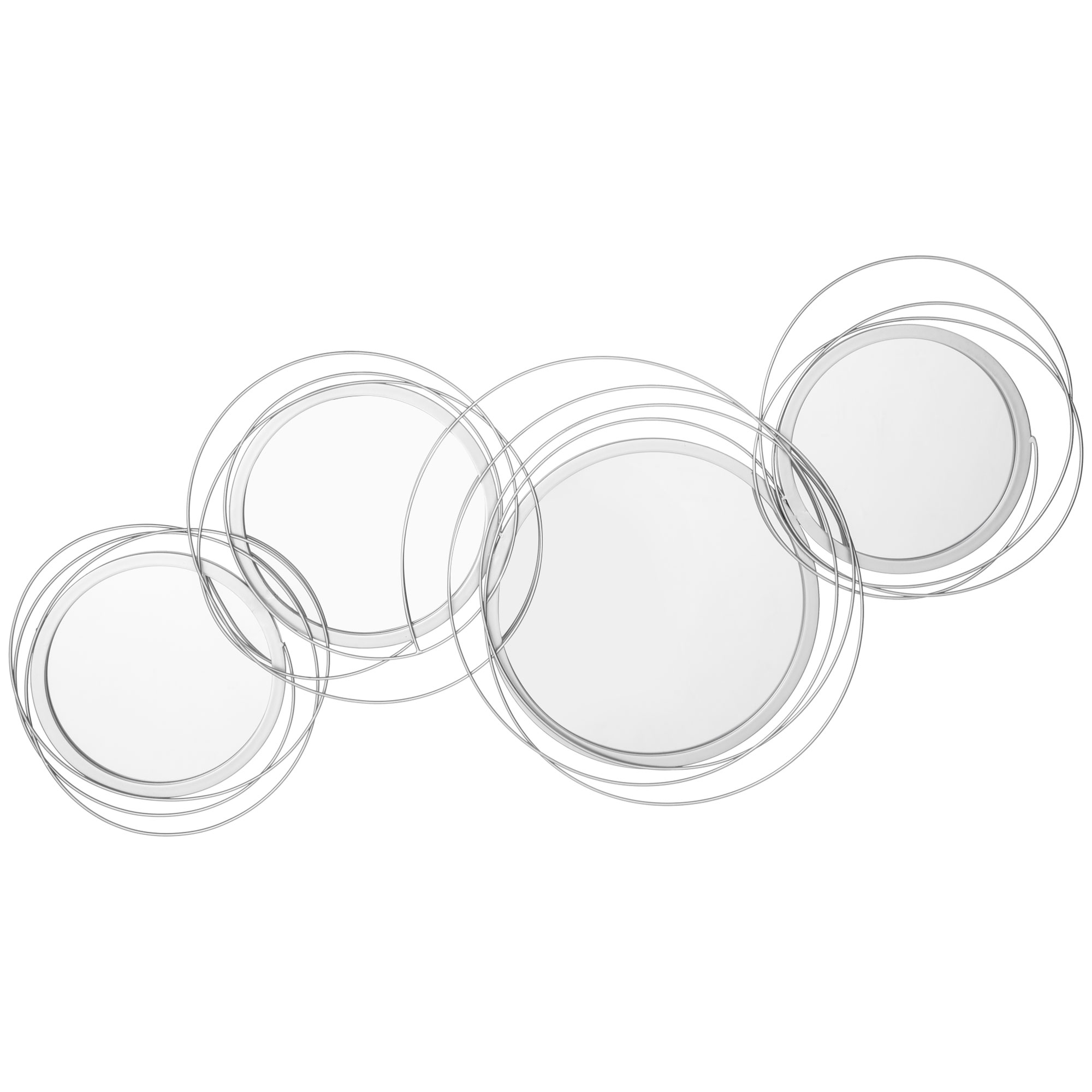
A 107 cm asymmetric wall mirror can be a good example of one larger, cleaner gesture doing the work of several small frames, though it still needs wall space and decent fixings. The common mistake is buying for the empty wall rather than the route through the room. If the piece steals the path to the kitchen, it will annoy you daily.
Greenery, shelves and hobby decor should earn their footprint
North-facing flats are hard on real plants. Some survive, many sulk, and a few become expensive compost in ceramic pots. Faux plants are not a moral failure; dodgy faux plants are the problem. The best use is to bring height, texture and shadow into a dim corner where a real olive or palm would give up by November. Keep them dusted, avoid shiny plastic leaves, and do not scatter tiny fake succulents across every shelf.
Open shelves and hobby decor are where personality either lands or turns into clutter. Book-nook kits, wooden models, small clocks and display cases can be charming because they show the hand of the person who lives there. They need editing. One illuminated display case on a sideboard reads as intentional; six unrelated mini-scenes across three shelves can look like a charity shop window after a busy Saturday.
For faux trees, 120-160 cm is the useful range for flats; 200 cm needs higher ceilings and clear corners.
A plant pot should be wider than the nursery base by 5-10 cm, or the whole thing looks top-heavy.
Open shelves need negative space: leave roughly one third of a shelf visually quiet.
LED display cases look best on a switched socket or smart plug; nobody wants to crawl behind furniture every night.
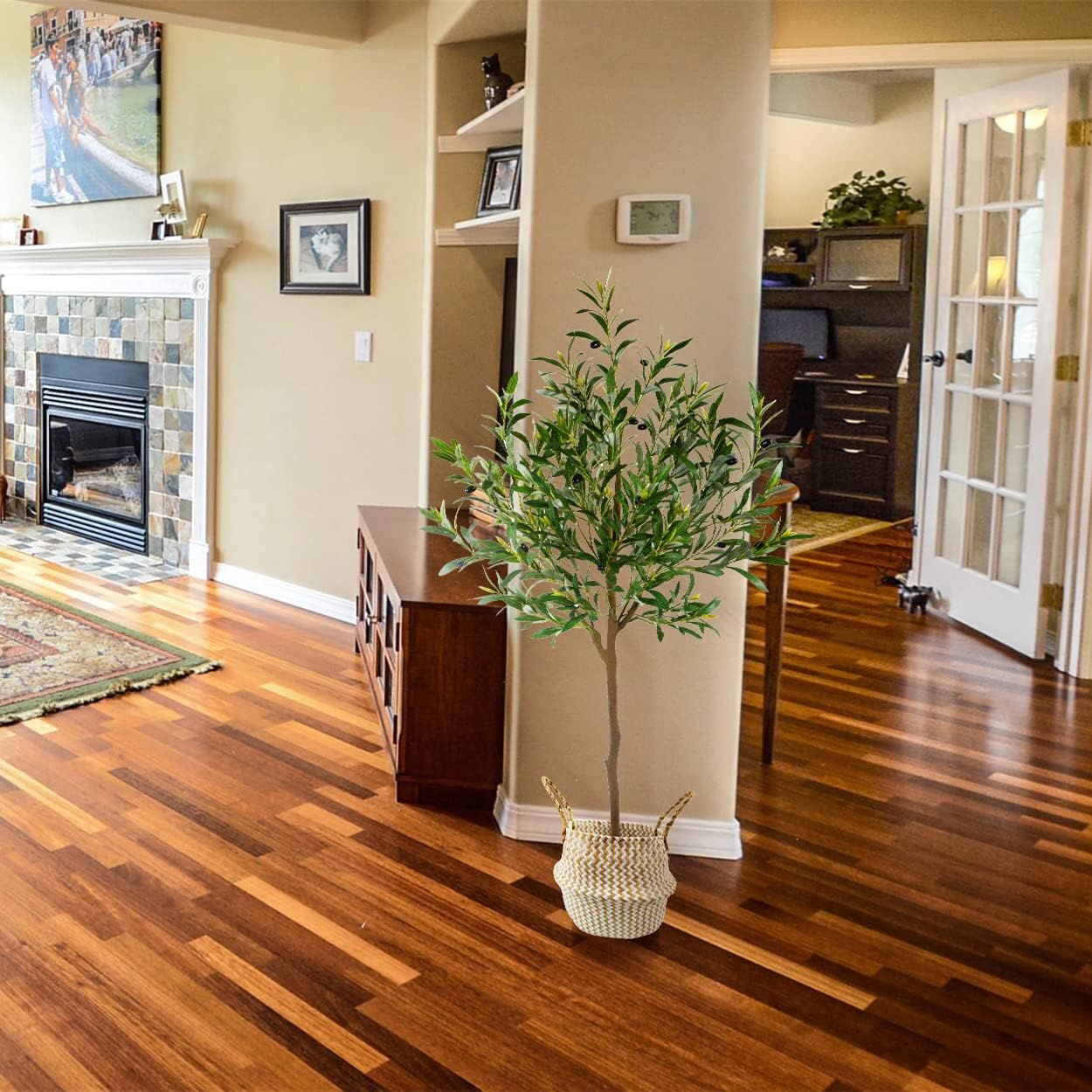
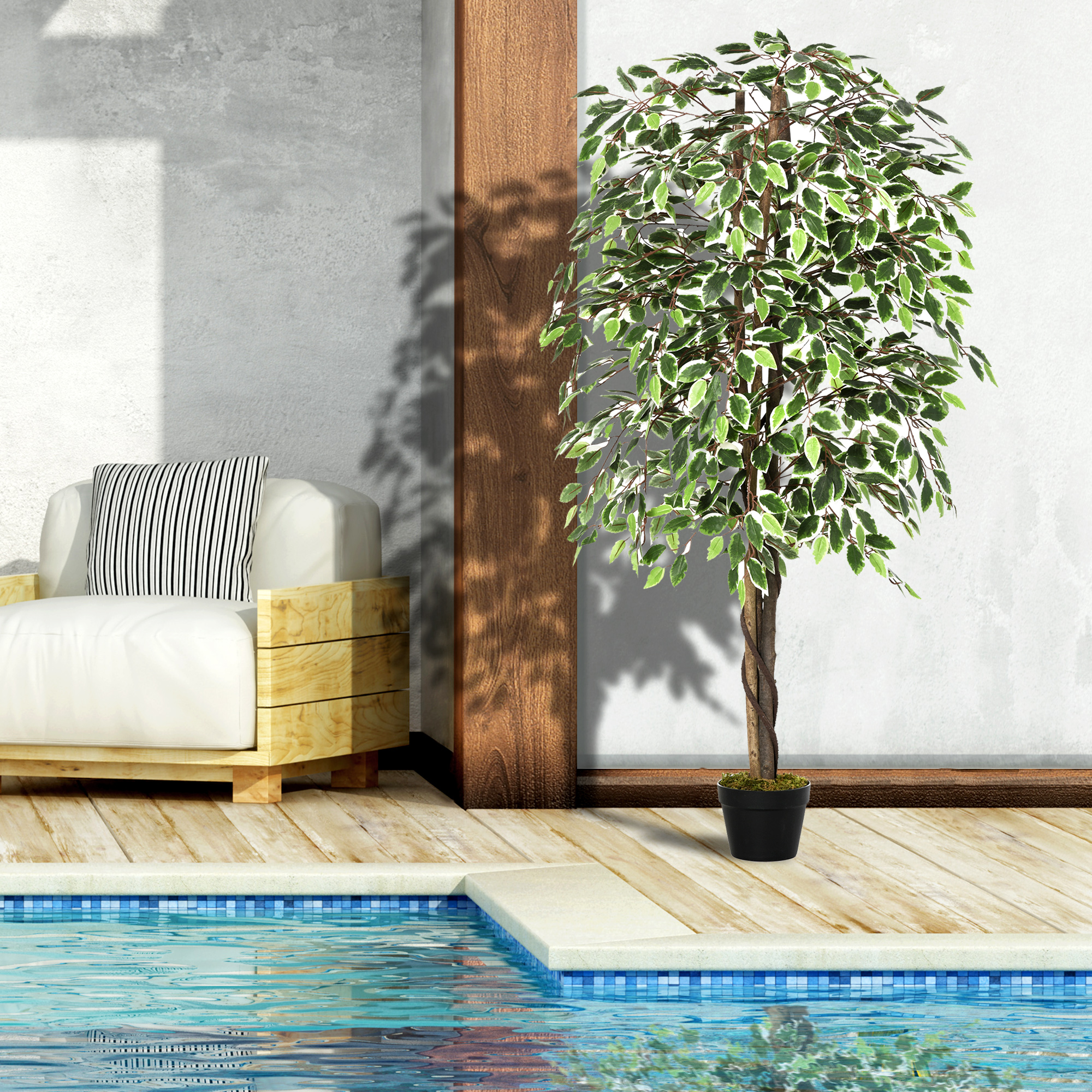
A 105 cm artificial olive tree suits a sideboard or low alcove; a 160 cm ficus is better for a bare corner where you need vertical weight. The common mistake is using plants and ornaments to fix a layout problem. If the sofa is blocking light or the shelf is overloaded, greenery is only camouflage.
Floors, textiles and cleaning kit are part of the design, not chores
Flooring is the background to everything else, so it deserves more attention than a panicked weekend choice. Vinyl plank and laminate often get treated as interchangeable, but they are not. Vinyl plank tends to be more water-resistant and quieter underfoot, useful in kitchens, bathrooms and rented-looking utility corners. Laminate can feel firmer and look convincing at a lower price, but swollen edges from spills are a real risk. Neither saves a room if the colour fights the skirting, doors and furniture legs.
Textiles do the daily comfort work. Towels, throws, curtains and rugs absorb sound in hard new-build rooms and soften the echo that comes with plasterboard and big windows. Cleaning kit sits in this conversation because a beautiful floor that is a nuisance to maintain becomes a resentment. Robot vacuums suit open new-build layouts with few thresholds; cordless vacuums are better for narrow stairs, rugs with fringe, and quick clean-ups after toast crumbs hit the floor at 8:15.
Vinyl plank thickness around 4-6 mm is common for domestic rooms; check wear layer as well as colour.
Laminate rated AC4 is a sensible target for busy family spaces, especially hallways.
Rugs should extend at least under the front sofa legs; a 120 x 170 cm rug is often too small for a full living area.
Cordless vacuums need somewhere to charge near a socket; do not assume the cupboard has one.
The common mistake is choosing the prettiest sample in isolation. Put flooring samples beside your skirting, sofa leg, towel colour or cabinet front in daylight and at night. Some warm oak effects turn orange under 2700K bulbs.
There is a decent argument for instinct. Rooms can become lifeless if every object is measured, costed and justified. The homes people remember usually have something slightly odd in them: a daft lamp from a market, a framed football programme, a book-nook scene made over two wet Sundays, a giant plant that makes no practical sense. Taste is not a spreadsheet.
Still, “buy what you love” works best after the boring limits are known. Love will not make a 45 cm deep console fit a 78 cm hallway. It will not stop a cool-white bulb making your bathroom look like a bus station. It will not make a pressure-fit baby gate safe on an uneven stair opening. The point is not to drain pleasure from decorating; it is to stop expensive mistakes before they reach the kerb for council collection.
Impulse buys are safer below £30.00 and under 30 cm wide; they are easier to move, gift or store.
Large statements need a taped outline on the wall or floor before purchase.
Colour confidence improves with repetition: use one accent two or three times, not everywhere.
Sentimental objects deserve better spacing than filler decor. Give them room to be seen.
The common mistake is confusing personality with quantity. A few specific things say more than a shelf rammed with vaguely stylish bits.
Prioritise lighting, mirrors and storage depth before buying decorative extras. Use warm plug-in lamps, a full-length mirror near the best light, and furniture under 35 cm deep in pinch points. Faux greenery can help if the flat is north-facing, but keep it to one taller plant rather than a windowsill lineup. Avoid floor lamps with huge tripod bases; they eat precious corners and trip you when you are half-awake.
Victorian terrace with awkward rooms
Work with the alcoves and chimney breast instead of pretending the room is a rectangle. Put height in the alcoves with shelves or plants, use wall lights or lamps to pull attention away from the central pendant, and measure every stair turn before ordering mirrors or large frames. For baby gates, check the actual width at top and bottom because old walls can wander by 10-20 mm.
Modern new-build with the opposite problem
New-builds often have enough sockets and flatter walls, but they can feel echoey and bland. Your best buys are larger rugs, curtains with proper fullness, dimmable lamps and textured decor rather than more grey furniture. Robot vacuums make more sense here if thresholds are low and the plan is open. Do not fill every wall just because it is straight; empty space is doing some of the work.
FAQs
What is the best starting point for UK home decor?
Start with light and measurements. Count sockets, note where daylight enters, measure main walkways, and check ceiling height before choosing furniture or statement decor. A room with poor lighting and blocked routes will not feel stylish, even with expensive objects.
How do I make a rented flat look better without drilling?
Use plug-in lamps, freestanding storage, tension rods where appropriate, washable rugs, adhesive hooks on properly cleaned surfaces and better textiles. Keep receipts for anything adhesive and test discreetly. In bathrooms, avoid heavy storage stuck to damp tile unless the surface has been cleaned and dried thoroughly.
Are faux plants acceptable in a stylish UK home?
Yes, if they solve a real problem such as low light, awkward height or a bare corner. Choose fewer, better faux plants with matt leaves and realistic branching. Dust them monthly. A single 150 cm plant usually looks more convincing than six tiny plastic pots.
Should I choose vinyl plank or laminate flooring?
Vinyl plank is usually better for water-prone rooms and quieter everyday use. Laminate can be good value in living rooms and bedrooms, but check the rating and protect it from standing water. Always view samples in your own room under your own bulbs.
How many lamps does a living room need?
Most small to medium UK living rooms benefit from two lamps plus the ceiling light. One lamp should support reading or seating; the other can soften a dark corner or shelf. If the room still feels flat, change bulb warmth before buying another fitting.
What size mirror works in a small hallway?
For a narrow hallway, depth matters more than height. A slim wall mirror or full-length mirror around 150-165 cm tall can work if it does not protrude into the walkway. Avoid chunky frames where the hallway is under 80 cm wide.
How often should towels be replaced for a fresher bathroom?
Replace towels when they feel rough, smell musty after washing, or stay damp too long. In many busy homes that is every two to four years. Mid-weight towels around 500-650 gsm are a practical choice because they dry more readily than very heavy hotel-style ones.
Can a robot vacuum work in an older UK house?
Sometimes, but older houses with thresholds, narrow chair gaps, uneven floors and tight stair landings often suit a cordless vacuum better. Robot vacuums are happiest in open layouts with clear floors. If you have rugs with tassels, expect faff.
What to do next
Before buying anything, do a 20-minute audit. Measure your narrowest hallway, tallest usable wall, main alcove width and ceiling height. Count sockets in the living room and bedroom. Photograph the room at 9am and after dark, because the same corner can be charming in daylight and miserable under a cold bulb. If you are changing a bathroom, identify whether the shower is electric or mixer before choosing storage and textiles around it.
Then pick one problem: dim room, bare wall, tired bathroom, echoey floor, cluttered shelves. Solve that properly before adding more. If you want to browse by category, start with home decor, but keep your tape measure beside you. Style gets much easier once the room stops fighting back.
Villalta Home Editorial is the in-house byline used for buying guides and product roundups on villaltaco.uk. Each guide is written by the editorial team, drawing on the catalogue's measurable data — real dimensions, materials, UK use cases, price bands — and on hands-on research into how products actually perform in UK homes. Every post tagged with this byline is reviewed and approved by Juan Antonio Villalta Pacheco, the founder and editor, before it goes live. See our editorial standards for the full process.