If you’ve searched how often replace towels, the short answer is this: most bath towels need replacing every two to five years, but the real timing depends on how often they’re used, how well they dry between washes, and whether they still do the job hygienically. A towel can look acceptable in the cupboard yet still feel rough, smell musty, or stop absorbing water properly.
In UK homes, where bathrooms are often compact and ventilation can be less than ideal, towels can stay damp for longer than you’d expect. That matters because lingering moisture encourages musty odours and bacterial build-up. In this guide, we’ll cover the hygiene facts, the practical signs it’s time for new ones, and what towel quality markers such as GSM and so-called thread count actually mean. If you’re updating your wider home textiles, it’s worth getting towels right because they’re one of the hardest-working pieces in the house.
We’ll also be honest about the trade-offs: plush towels aren’t always the quickest to dry, cheaper towels aren’t always poor, and “luxury” labels can be misleading. A sensible replacement cycle is less about marketing and more about performance, comfort and cleanliness.
How often should you replace towels?
For most households, these timeframes are realistic:
Bath towels: every 2-5 years
Hand towels: every 1-3 years
Face cloths/flannels: every 1-2 years
Gym or travel towels: every 1-3 years depending on use
Children’s towels: replace when they become rough, thin or persistently musty
That range is broad for a reason. A guest towel used once a month can last far longer than a family bath towel in daily rotation. Likewise, a towel in a well-ventilated airing cupboard or Bathroom with a decent extractor fan will usually age better than one hung in a cold bathroom in winter with little airflow.
What affects towel lifespan?
The biggest factors are frequency of use, washing habits and drying conditions. If you use the same towel every day and wash it every three or four uses, the fibres gradually break down. Fabric conditioner can also coat cotton fibres and reduce absorbency over time. Tumble drying on high heat may make towels feel fluffy at first, but repeated overheating can shorten their life.
In many UK properties, especially terraces, flats and older homes, bathrooms are prone to condensation. If your towel rarely dries fully between uses, you may need to replace it sooner even if the fabric itself still looks intact.
The clearest signs it’s time for new towels
You do not need to wait until a towel is literally falling apart. In practice, towels usually tell you they’re past their best much earlier.
1. They smell musty even after washing
This is one of the strongest signs. If a towel comes out of the wash smelling fine but turns musty again as soon as it gets damp, the fibres may be holding onto residue, detergent build-up or mildew. Sometimes a deep clean with white vinegar or a hotter wash can help, but if the smell keeps returning, replacement is usually the sensible option.
2. They’ve lost absorbency
A towel should dry you, not just push water around your skin. If it feels like it’s smearing moisture rather than absorbing it, the loops may be worn down or coated with product build-up. This is common with overuse of fabric softener, body oils, and some laundry detergents.
3. The fabric feels rough or scratchy
Some people don’t mind a slightly crisp towel, but harsh roughness often means the fibres are breaking down. That is especially noticeable on face cloths and hand towels, which get frequent use and washing. If the towel feels unpleasant against skin, it’s no longer doing its job well.
4. The edges are fraying or the pile is thinning
Look at the hems and the central areas that get the most wear. Loose threads, thinning patches and flattened pile are all signs the towel has reached the end of its useful life. Fraying hems can worsen quickly once they start.
5. Stains no longer lift properly
Make-up, fake tan, hair dye, skincare acids and even hard water can leave lasting marks. A stained towel is not automatically unhygienic, but if it also smells, feels rough or looks worn, replacement makes more sense than endless rescue attempts.
6. They stay damp for too long
If your towel takes ages to dry after use, it may be too dense for your bathroom conditions, or the fibres may no longer be functioning well. In a small UK bathroom without much natural ventilation, quick drying matters more than many people realise.
Expert tip: Keep at least two bath towels per person in regular rotation, and ideally three in homes where drying space is limited. Rotating towels properly reduces wear, gives each one time to dry fully, and helps you spot when performance is slipping.
Hygiene facts: when old towels become less clean
Towels pick up dead skin cells, body oils, soap residue and moisture every time they’re used. None of that is unusual, but problems start when towels stay damp for long periods. Moist environments allow bacteria and mildew to multiply more easily, which is why a towel can develop that familiar stale smell.
For most healthy adults, a towel used only after showering and dried properly is not a major health risk. But hygiene standards matter more if someone in the household has eczema, acne-prone skin, a fungal infection, or a weakened immune system. In those cases, replacing tired towels promptly is a practical step rather than an indulgence.
How often should towels be washed?
As a rule of thumb:
Bath towels: every 3-4 uses
Hand towels: every 2-3 days in busy households
Face cloths: after every use if used on the face
Gym towels: after each use
If your bathroom is cold or humid, wash more frequently. In winter, especially in homes where laundry is dried indoors, towels can hold onto moisture for longer. That makes regular washing and full drying more important.
Can you revive towels instead of replacing them?
Sometimes, yes. If the issue is detergent or softener build-up, washing towels without conditioner and adding white vinegar to the rinse can restore some absorbency. A hot wash suitable for the fabric may also help remove residue. But if the towel is thin, frayed, permanently musty or no longer soft enough to use comfortably, replacement is the better answer.
What thread count actually means for towels
This is where marketing often muddies the waters. Thread count is mainly a bedding term, not a particularly useful way to judge towels. In sheets, thread count refers to the number of threads woven into a square inch of fabric. For towels, the more relevant measure is usually GSM — grams per square metre.
If you see a towel advertised with a high thread count, treat it cautiously. It does not automatically mean the towel will be softer, more absorbent or longer-lasting. In fact, many excellent towels are judged on cotton quality, loop construction, weight, drying speed and finishing rather than thread count.
Focus on GSM instead
GSM gives you a better idea of thickness and feel:
Towel type
Typical GSM
Best for
Trade-offs
Lightweight
300-400 GSM
Gym, travel, children, quick-drying bathrooms
Less plush and less spa-like
Medium weight
400-600 GSM
Most family bathrooms, everyday use
Balanced option, but quality still varies by cotton and weave
Heavyweight
600-900 GSM
Luxury feel, guest bathrooms, colder homes
Slower to dry, bulkier to wash and store
For many UK households, medium-weight towels are the sweet spot. They feel substantial without taking forever to dry on a rail or airer. Heavyweight towels can feel wonderfully indulgent, but in a small bathroom with poor airflow they may stay damp too long.
Other quality indicators that matter more than thread count
100% cotton: usually the best choice for softness and absorbency
Combed or ring-spun cotton: tends to feel smoother and wear better
Zero-twist or low-twist yarns: often softer and more absorbent, though sometimes less durable if poorly made
Strong hems: help prevent fraying after repeated washes
Colour fastness: important if you wash towels hot or often
If you’re refreshing linens across the house, it can help to think of towels as part of a broader home textiles update rather than a one-off purchase. Matching your towel choice to your bathroom conditions is far more useful than chasing buzzwords.
Choosing replacement towels that actually suit your home
For small bathrooms and slower drying spaces
Choose medium or lighter-weight towels that dry quickly and can be rotated easily. In many UK flats and en-suites, storage is limited too, so oversized luxury towels are not always practical. If you need more organisation, a bedroom furniture storage solution or a dedicated bathroom cabinet can make towel rotation easier.
For families
Prioritise durability and easy washing over hotel-style thickness. Towels that are too dense can become a laundry burden, especially if you’re washing several loads a week. Neutral colours often hide fading better, while white towels can be hygienic-looking and easier to sanitise, though they show make-up and rust marks more readily.
For hair care and delicate routines
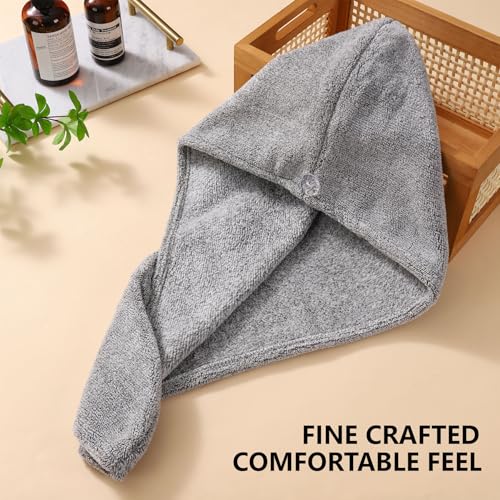
Not every towel needs to be a standard cotton bath towel. For example, a dedicated hair towel can be gentler and lighter than wrapping wet hair in a heavy bath sheet. That is where products such as the microfibre-hair-towel-turban-2-pack can be genuinely useful, particularly if you want faster drying and less weight on the scalp.
For guest use
Guest towels tend to last longer because they’re used less often, but they still need checking for freshness. If they’ve sat in storage for months, wash them before use. A neat stack of fresh hand towels can also make a bathroom feel more considered than one oversized towel hanging for everyone.
How to make towels last longer
Replacing towels regularly is sensible, but good care will help you get full value from them.
Wash towels separately from heavily soiled items where possible
Avoid too much detergent, which can leave fibres coated
Use fabric conditioner sparingly or not at all on absorbent cotton towels
Shake towels out before drying to lift the pile
Dry them fully before folding or rehanging
Don’t leave damp towels scrunched on the floor or bed
Rotate sets rather than using one favourite towel constantly
If you’re replacing smaller pieces first, hand towels are an easy place to start. Something like pack-3-white-coral-fleece-hand-towels may suit a cloakroom or guest bathroom, though it is worth noting that fleece-style hand towels feel different from classic cotton terry and may not offer the same absorbency some people expect.
When to replace towels sooner than usual
Some situations justify a quicker turnover:
After a skin infection or fungal issue, especially for face cloths and hand towels
If towels have been stored damp and developed mildew
After repeated exposure to bleach damage or harsh Cleaning products
When towels are used daily in student lets, rentals or busy family homes
If persistent hard-water stiffness makes them uncomfortable to use
There is also a comfort factor that should not be ignored. A towel is one of the first things you reach for after bathing; if it is scratchy, stale or simply unpleasant, replacing it can make everyday routines feel noticeably better.
Should you throw old towels away?
Not necessarily. If they’re clean but no longer pleasant for bathing, old towels can often be repurposed as cleaning cloths, pet towels, car-drying rags or protective layers during decorating. Just avoid keeping too many “useful old towels” indefinitely; that tends to create clutter rather than a practical backup system.
If you are doing a wider refresh of soft furnishings, towels pair naturally with updates to bedding and other household fabrics. Even something as simple as replacing worn towels alongside a printed-microfiber-single-duvet-cover-set in a guest room can make the overall space feel cleaner and more intentional.
FAQs
How often should you replace bath towels?
Most bath towels should be replaced every two to five years. If they smell musty, stop absorbing properly, feel rough or show fraying and thinning, replace them sooner.
What are the signs that towels need replacing?
The main signs are persistent odour, poor absorbency, rough texture, frayed edges, thinning pile and stains that no longer wash out well. Towels that stay damp for too long are also more likely to need replacing.
Does thread count matter for towels?
Not much. Thread count is mainly used for bedding, while GSM is a better guide for towels. Cotton quality, weave, absorbency and drying speed are more useful indicators than a high thread count claim.
How often should towels be washed in the UK?
Bath towels should usually be washed every three to four uses, hand towels every two to three days, and face cloths after each use. In colder or more humid UK homes, washing a bit more often is sensible because towels dry more slowly.
Can old towels be made absorbent again?
Sometimes. If detergent or fabric conditioner build-up is the problem, washing without softener and using white vinegar in the rinse can help. But if the fibres are worn, frayed or permanently musty, replacement is the better option.
In the end, the best rule is simple: replace towels when they stop being absorbent, fresh and comfortable, not just when they look old. For most homes, choosing practical medium-weight towels and rotating them properly will give you the best balance of hygiene, comfort and value.
Villalta Home Editorial is the in-house byline used for buying guides and product roundups on villaltaco.uk. Each guide is written by the editorial team, drawing on the catalogue's measurable data — real dimensions, materials, UK use cases, price bands — and on hands-on research into how products actually perform in UK homes. Every post tagged with this byline is reviewed and approved by Juan Antonio Villalta Pacheco, the founder and editor, before it goes live. See our editorial standards for the full process.