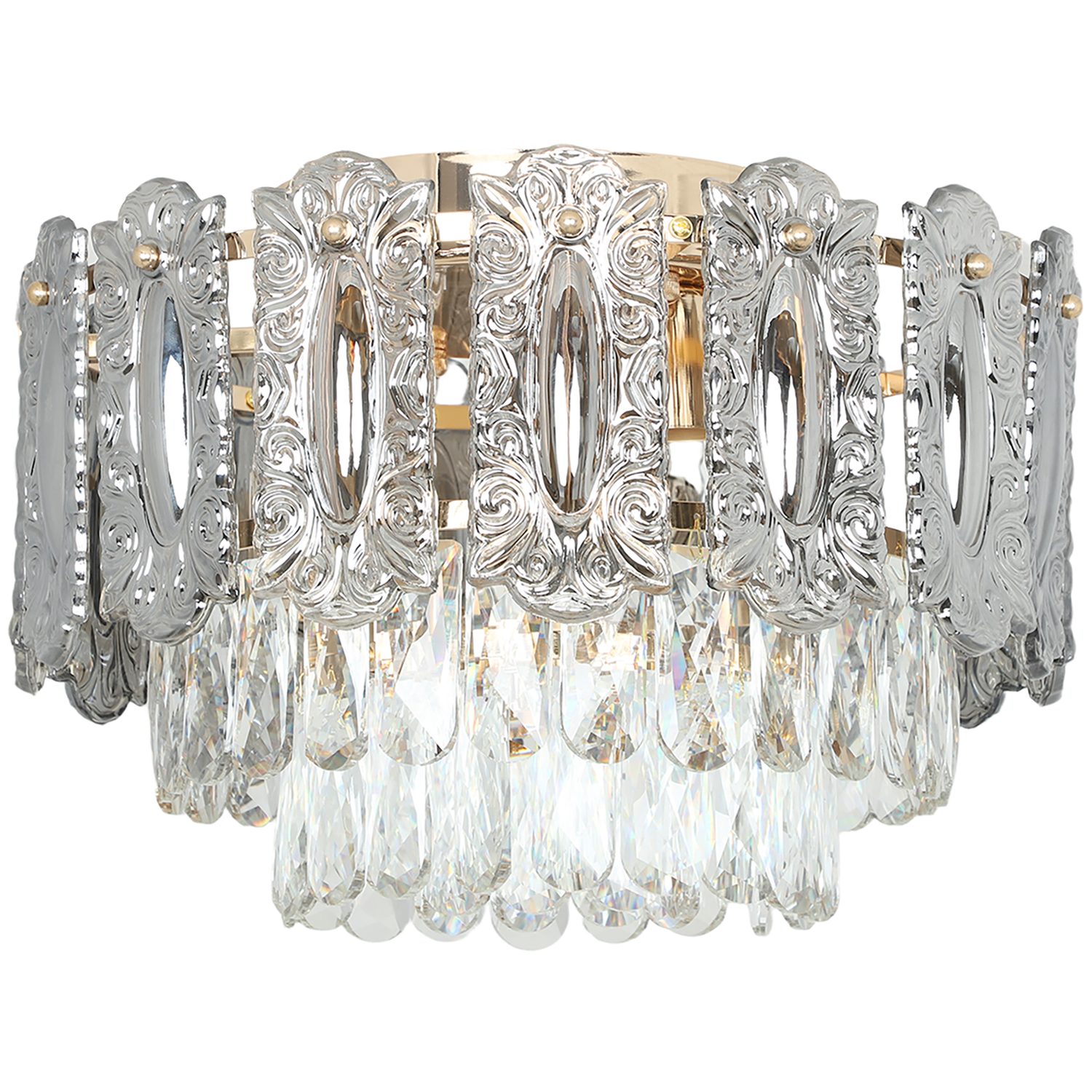
If you are weighing up an LED ceiling light vs pendant light, the right answer usually comes down to four practical questions: how high your ceiling is, how much usable brightness you need, how difficult the fitting will be, and whether your existing UK wiring suits the light you want. Both styles can work beautifully, but they solve different problems. One is typically compact, low-profile and easy to live with; the other can add drama, direction and decorative impact, but asks more from the room.
In most homes, especially standard UK new-builds and post-war properties with ceiling heights around 2.3 to 2.4 metres, that choice matters more than people expect. A pendant that looks elegant in a showroom can feel intrusive over a walkway, while a flush LED fitting can be brilliantly practical yet leave a dining room looking a little flat. Below, we break down where each option shines, where it falls short, and how to choose confidently from the wider lighting category for your room rather than just the trend of the moment.
If you are shopping for a main fitting, it also helps to think beyond style alone. Shade depth, beam spread, integrated LED lifespan, dimmer compatibility and the condition of your ceiling rose all affect the end result. The goal is not simply to pick a pretty fitting, but to get comfortable light at the right height with a sensible installation route.
LED ceiling light vs pendant light at a glance
Feature
LED ceiling light
Pendant light
Best for ceiling height
Low to standard ceilings; ideal from roughly 2.2m to 2.4m
Standard to high ceilings; best where drop can be accommodated
Brightness distribution
Usually broad, even general light
Can be focused downward or diffused, depending on shade
Visual impact
Clean, minimal, practical
Decorative focal point with more character
Installation difficulty
Often straightforward, though integrated units need correct fixing
Can be simple if replacing like-for-like; more involved if shortening cable or relocating position
UK wiring considerations
May need connector block space in base plate; check loop-in wiring space
Works well with existing ceiling rose setups, but weight and cable adjustment matter
Maintenance
Integrated LEDs are low maintenance but not always easily replaceable
Replaceable bulbs are convenient; shades collect dust
Best rooms
Bedrooms, hallways, kitchens, low-ceiling lounges
Dining areas, stairwells, bedrooms, living rooms with enough height
Main drawback
Can feel less decorative or layered
Can obstruct sightlines or feel too low in small rooms
How ceiling height affects your choice
Low ceilings: LED ceiling lights usually win
If your room has a low ceiling, a flush or semi-flush LED ceiling light is usually the safer choice. In many UK homes, especially terraces, converted flats and newer developments, ceiling height is not generous. A fitting that projects only slightly from the ceiling preserves headroom, keeps the room feeling open and avoids that awkward sense of ducking under the light even when there is technically enough clearance.
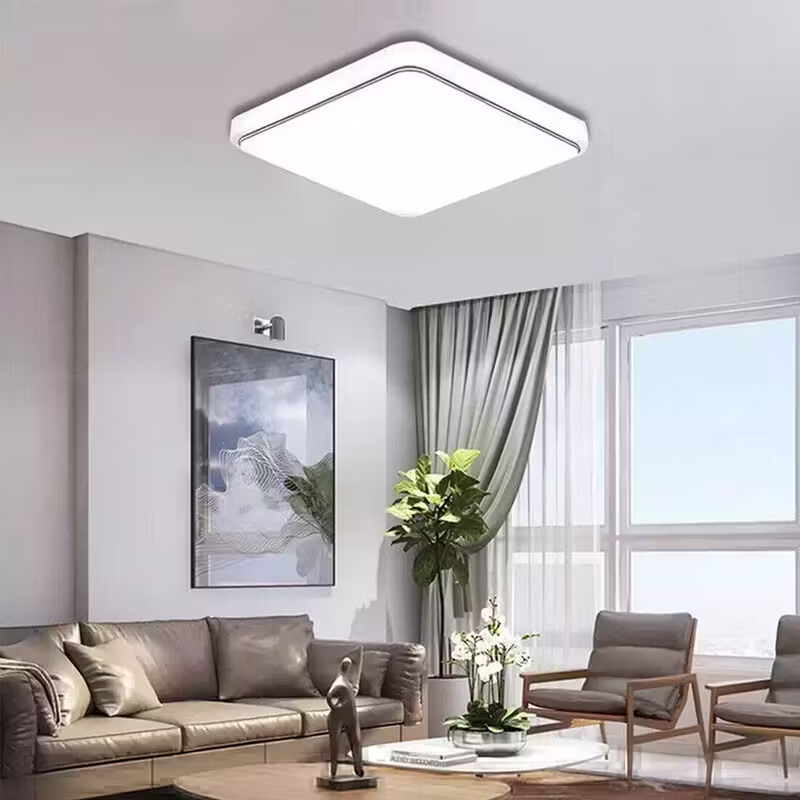
This is where a simple fitting such as a ceiling light with an integrated LED panel can be especially effective. It spreads light across the room without introducing visual clutter. In bedrooms, hallways and box rooms, that matters a great deal. A bulky pendant in a compact room can visually lower the ceiling and make the space feel smaller than it is.
The trade-off is atmosphere. Flush LED fittings can sometimes feel more functional than characterful, particularly in period homes where a decorative centrepiece might suit the architecture better.
Standard ceilings: either can work
With a typical ceiling height of around 2.4 metres, you can usually choose either style, but placement becomes important. A pendant over a dining table or kitchen island is often perfectly practical because the furniture below defines the space and the fitting is not hanging in a circulation route. In the centre of a living room, though, the same pendant may feel too dominant unless the drop is kept short.
An LED ceiling light is more forgiving in these rooms. It works whether the furniture layout changes or not. If you rent, redecorate often or simply prefer flexibility, that can be a real advantage.
High ceilings: pendants come into their own
In rooms with taller ceilings, pendants often look more proportionate. They help bring the light source visually down into the room, making the space feel less cavernous. They also add scale and can stop a large room from feeling under-dressed. Stairwells, entrance halls and older Victorian or Edwardian rooms often benefit from this.
That said, very high ceilings can make maintenance awkward. Changing a bulb or Cleaning a shade may require a proper ladder, and in stairwells it may not be straightforward at all. If easy upkeep matters, a long-life integrated LED fitting can still be worth considering.
Expert tip: Before buying a pendant, mark its proposed drop with masking tape or string from the ceiling. Stand at the doorway and walk through the room. It is one of the quickest ways to tell whether the light will feel elegant or simply in the way.
Brightness comparison: which gives better light?
LED ceiling lights tend to offer more even general illumination
When people ask which is brighter, the more useful question is usually which gives better usable light. Many LED ceiling lights are designed as ambient, room-wide fittings. They spread light broadly and evenly, which makes them excellent for everyday tasks such as dressing, tidying, reading labels, or helping a room feel bright during dark UK afternoons in winter.
If you are choosing a main light for a bedroom, utility room or hallway, this broad spread is often exactly what you need. A modern fitting such as the modern square LED ceiling light 34cm style suits homes where practical brightness matters more than ornament.
The caution here is that not all integrated LED fittings are equal. Some cheaper models have a cool colour temperature that can feel harsh in living spaces, while others may have lower lumen output than expected. Always check the specification rather than assuming LED automatically means bright.
Pendant lights can be softer, moodier or more directional
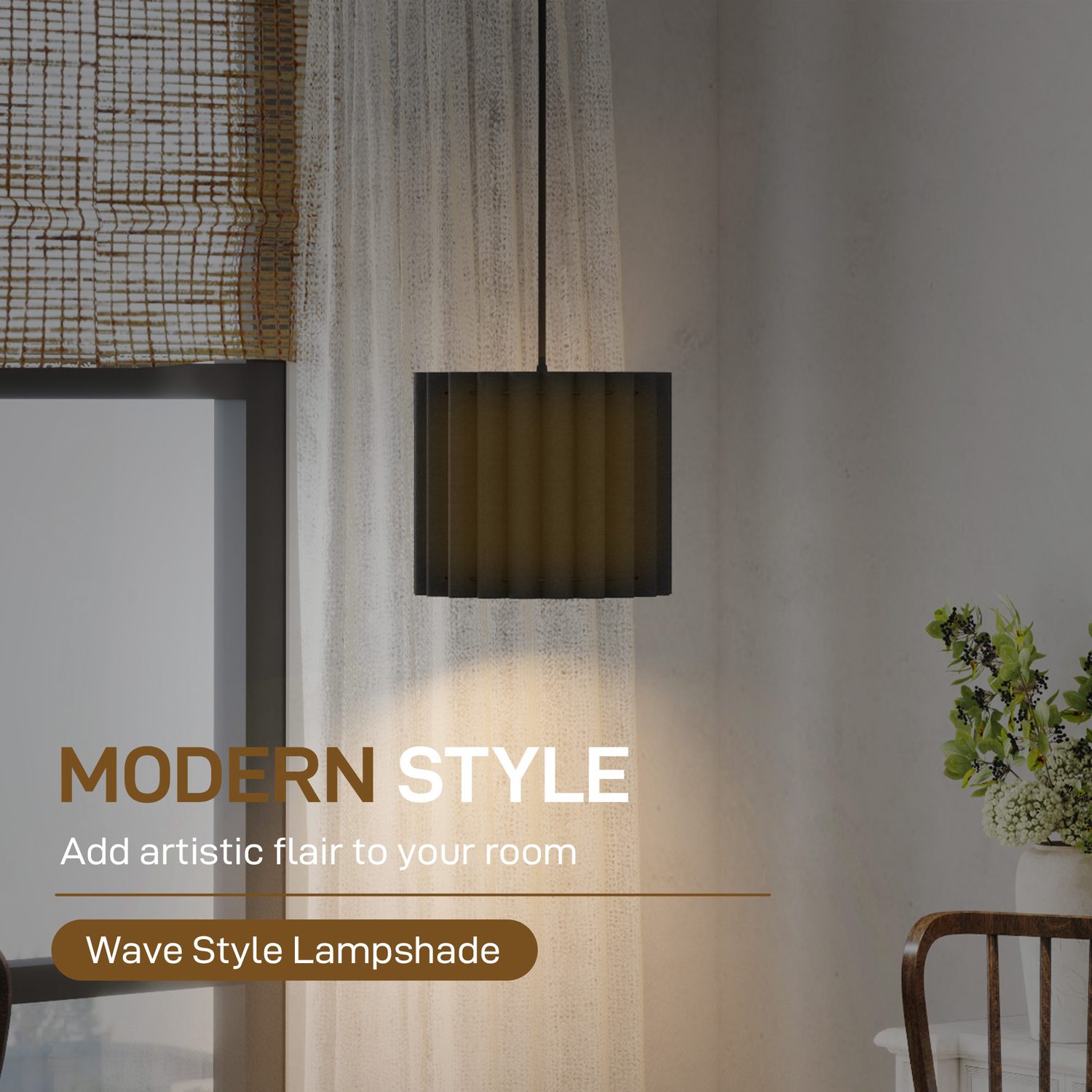
Pendant lights vary much more. A glass globe pendant may cast light in many directions, while a metal shade can throw most of the light downward. That makes pendants especially useful over Dining Tables, Bedside Tables or kitchen prep areas where focused light is desirable. They can create intimacy and zoning in open-plan spaces in a way a central flush fitting rarely does on its own.
But a pendant is not always the best sole source of light. If the shade is opaque or narrow, corners of the room can remain dim. In a living room, that often means you need supplementary lamps or wall Lighting to avoid a gloomy perimeter.
What brightness should you look for?
As a rough guide for UK homes, a bedroom main light might sit around 1,000 to 2,000 lumens depending on size and whether you use bedside lamps. A living room may need 1,500 to 3,000 lumens in total, often layered across multiple light sources. Kitchens and home offices usually need stronger, clearer illumination, especially in winter when natural daylight fades early.
Colour temperature matters too. Around 2700K to 3000K generally feels warm and comfortable for living rooms and bedrooms. Kitchens, bathrooms and utility areas can cope better with 3000K to 4000K, depending on taste. If a fitting is non-dimmable and very cool in tone, it can feel unforgiving in the evening.
Installation difficulty and UK wiring realities
Replacing an existing pendant with another pendant is often simplest
In many UK homes, the existing ceiling setup is designed around a pendant and rose arrangement. If you are swapping one pendant for another, the job can be relatively straightforward for a qualified electrician. The existing switched live, neutral and earth are often already where they need to be, and the ceiling rose may accommodate the wiring loop.
However, the moment you choose a heavier fitting, a much shorter drop, or a different mounting system, the work can become more fiddly. Some decorative pendants have limited space for old-style loop-in wiring, so extra connectors may need to be housed safely above the fitting or in a suitable enclosure. That is not a reason to avoid them, but it is a reason not to assume every swap is a five-minute job.
LED ceiling lights can be neat, but base space matters
Modern integrated LED ceiling lights are often sold as easy upgrades, and sometimes they are. Yet many UK electricians will tell you the practical challenge is not the wiring itself but the lack of room in the fitting base. Older properties often have multiple conductors at the ceiling point, especially where loop-in wiring is present. If the fitting has a slim canopy or shallow back plate, fitting everything neatly and safely can be awkward.
It is also worth checking whether the fitting is suitable for your ceiling type. Plasterboard ceilings may need proper fixings; older lath-and-plaster ceilings can be more delicate. If the fitting is heavier than expected, secure support matters.
Dimmers, drivers and compatibility
One of the most common frustrations with LED fittings is dimmer compatibility. If you have an older dimmer switch, an integrated LED ceiling light may flicker, buzz or fail to dim smoothly unless the switch is replaced with an LED-compatible version. Pendant lights with replaceable LED bulbs can have the same issue, but they are sometimes easier to troubleshoot because you can change the bulb type first.
Integrated LED fittings also contain drivers, and these need ventilation and correct installation. They are efficient and long-lasting, but if the driver fails, you may be replacing more than just a bulb. With a pendant using standard bulbs, maintenance is often simpler and cheaper over time.
Expert tip: In UK homes with older wiring or uncertain ceiling connections, ask your electrician to inspect the ceiling point before you buy a very shallow integrated fitting. It can save you from choosing a light that is lovely in theory but awkward to install neatly.
Which suits each room best?
Living room
If your living room has a low ceiling, an LED ceiling light is usually more practical as the main fitting. It keeps the space open and gives broad light for everyday use. A pendant works well if the room is taller or if you want a decorative centrepiece, but you will often need floor or table lamps as well to create a softer evening scheme.
For many households, the best answer is not either-or but layered lighting: a discreet main ceiling fitting plus accent lighting. If you are building that scheme, products such as an LED strip profile like the kit black aluminium channel LED strip 1m can help add indirect light in shelving or media walls.
Dining room
This is one of the strongest cases for a pendant. Over a dining table, a pendant creates focus, intimacy and a sense of occasion. It also visually anchors the table. Just make sure the bottom of the fitting sits at a comfortable height above the tabletop and does not block sightlines across the room.
If the dining area is part of an open-plan kitchen, a pendant can help zone the space. A flush LED fitting may still be better if the table position changes regularly or if the room doubles as a family circulation area.
Bedroom
Bedrooms are often better with softer, lower-glare lighting. A flush LED ceiling light is practical, especially in smaller rooms where wardrobes and doors already compete for space. Pendants can look lovely in larger bedrooms or over bedside tables, but a central pendant in a compact room can feel oversized surprisingly quickly.
Think about what the room needs at 7am in January and at 10pm in summer. If you need bright, even light for dressing and cleaning, LED ceiling lights are hard to fault. If you want a more boutique-hotel look, a pendant may win on style.
Kitchen and utility
For general kitchen lighting, LED ceiling lights are usually the stronger option. They provide clear, even illumination and suit the practical nature of the room. Pendants work best as secondary task or feature lighting over islands, breakfast bars or dining corners rather than as the only source of light.
Hallway and landing
In narrow hallways with standard ceiling heights, flush LED fittings are often best. They reduce the risk of knocks, brighten the route evenly and tend to suit compact proportions. Pendants can look excellent in larger entrance halls or stairwells with ample vertical space, but in a modest landing they can feel fussy.
Style, maintenance and long-term value
Pendant lights generally offer more decorative personality. They can introduce texture, colour, metal finishes or glass that ties into the rest of your room. If you see lighting as part of your furniture scheme, they often have more emotional pull.
LED ceiling lights tend to win on simplicity. They are easy to live with, often energy-efficient, and usually less visually demanding. In contemporary homes, that clean look can be exactly right.
On long-term value, neither is automatically better. An integrated LED fitting may save energy and need little maintenance for years, but once it fails, replacement can be less straightforward than changing a bulb. A pendant with standard replaceable bulbs may be more flexible and repair-friendly, though shades need cleaning and some finishes date faster than others.
So, which should you choose?
Choose an LED ceiling light if your room has a low or standard ceiling, you want broad practical brightness, and you would rather keep installation and everyday living straightforward. Choose a pendant if you have enough height, want a stronger decorative statement, or need focused light over a table, island or specific zone.
For many UK homes, the most honest answer is this: LED ceiling lights are usually the safer all-rounder, while pendant lights are the more expressive choice when the room can support them. If you are browsing options in the wider lighting collection, start with ceiling height and room function first, then let style narrow the shortlist. That approach almost always leads to a better result than choosing purely by appearance.
FAQs
Are LED ceiling lights better than pendant lights for low ceilings?
Usually, yes. LED ceiling lights sit closer to the ceiling, preserve headroom and make smaller UK rooms feel less cramped. Pendants can work on low ceilings if the drop is very short and the placement is carefully planned, but flush fittings are generally the safer option.
Which is brighter: an LED ceiling light or a pendant light?
It depends on the lumen output and the shade design, but LED ceiling lights often provide more even general illumination across the room. Pendant lights can be just as bright on paper, yet may direct more light downward and leave corners dimmer unless paired with other light sources.
Is it easy to replace a pendant light with an LED ceiling light in the UK?
Sometimes, but not always. Many UK ceiling points have loop-in wiring that takes up space, and some slim LED fittings do not leave much room inside the base. A qualified electrician can usually fit one safely, but it is worth checking the fitting depth and wiring arrangement before you buy.
Do pendant lights need higher ceilings?
In most cases, yes. Pendants look and function best when there is enough clearance for the drop to feel intentional rather than intrusive. They are especially effective over dining tables, islands and in stairwells or rooms with above-average ceiling height.
Are integrated LED ceiling lights harder to maintain?
They are lower maintenance day to day because you are not changing bulbs often, but when a component eventually fails, you may need to replace the whole fitting or driver. A pendant with replaceable bulbs can be simpler and cheaper to maintain over the long term.
If you want one fitting that works in the widest range of rooms, an LED ceiling light is usually the most practical recommendation. But if your room has the height and you want a focal point with more personality, a well-chosen pendant can be worth the extra planning.
Villalta Home Editorial is the in-house byline used for buying guides and product roundups on villaltaco.uk. Each guide is written by the editorial team, drawing on the catalogue's measurable data — real dimensions, materials, UK use cases, price bands — and on hands-on research into how products actually perform in UK homes. Every post tagged with this byline is reviewed and approved by Juan Antonio Villalta Pacheco, the founder and editor, before it goes live. See our editorial standards for the full process.
Most UK rental sitting rooms have one sad ceiling pendant and a corner that swallows all the light. Five tripod floor lamps from about £55, across pleated white, bronze nautical, beige linen, black-and-gold and all-black searchlight — picked for the corner they earn, not just the bulb they hold.