
At 8:15 on a wet Tuesday, I watched a neighbour in a Victorian terrace try to foam-roll his calves in the 72 cm strip between the sofa and the radiator while his Year 6 child hunted for PE kit. He had paid £64.99 for a ridged roller because the smooth £18.00 one looked too gentle. By Thursday he’d made both shins feel bruised and skipped his planned 8K. That is the recovery market in miniature: it keeps selling punishment as proof. Here’s the thesis, plainly: if a recovery tool leaves your marathon-training legs sorer 12 hours later, it has failed, however satisfying it felt at the time.
Mistake 1: Buying the most aggressive foam roller and using it on every sore patch
This regret usually starts with a photo: someone lean, calm and suspiciously un-sweaty rolling a quad on a black cylinder with teeth. Buyers read the texture as seriousness. The trouble is that peak marathon-training soreness is already information, not a dare. Runner’s World’s 16 July 2026 soreness advice included foam rolling and vibrating rollers, but the warning was clear: more pressure and more discomfort do not mean more benefit.
The cost is rarely dramatic enough for a refund story. It is smaller and more annoying: £24.99 to £79.99 spent, a calf that feels tender under jeans, and a missed easy run because walking down the kerb feels dodgy. The check is simple. Before buying, press your thumb into the sore muscle for five seconds. If a 4/10 pressure already makes you flinch, choose a smooth roller and use a phone timer: 60 to 90 seconds per muscle, not a telly-length session of grimacing.
Mistake 2: Treating compression boots as permission to make a silly mileage jump
Compression boots look wonderfully sorted: zip in, press a button, feel the squeeze, convince yourself the legs are being rebuilt. That is exactly why they tempt first-marathon runners at the wrong moment. In a Reddit r/running Q&A on 14 August 2026, a runner wanted to jump from 17K to 30K for mental reassurance; the replies pushed back because traditional plans do not work that way. Boots cannot make a 13K leap sensible.
The financial sting is bigger here. Home compression systems often sit in the £299.00 to £799.00 band, and even cheaper second-hand pairs take up the space of a small vacuum cleaner in a rented flat. The real cost is false confidence. You feel proactive, then the next long run exposes the same tired tissues. Before buying, write down your last four long runs and your weekly mileage. If the problem is a training spike, the recovery tool is not the fix. Cut the spike first; borrow boots later if curiosity survives.
Mistake 3: Putting a massage gun on max speed because low speed feels like nothing
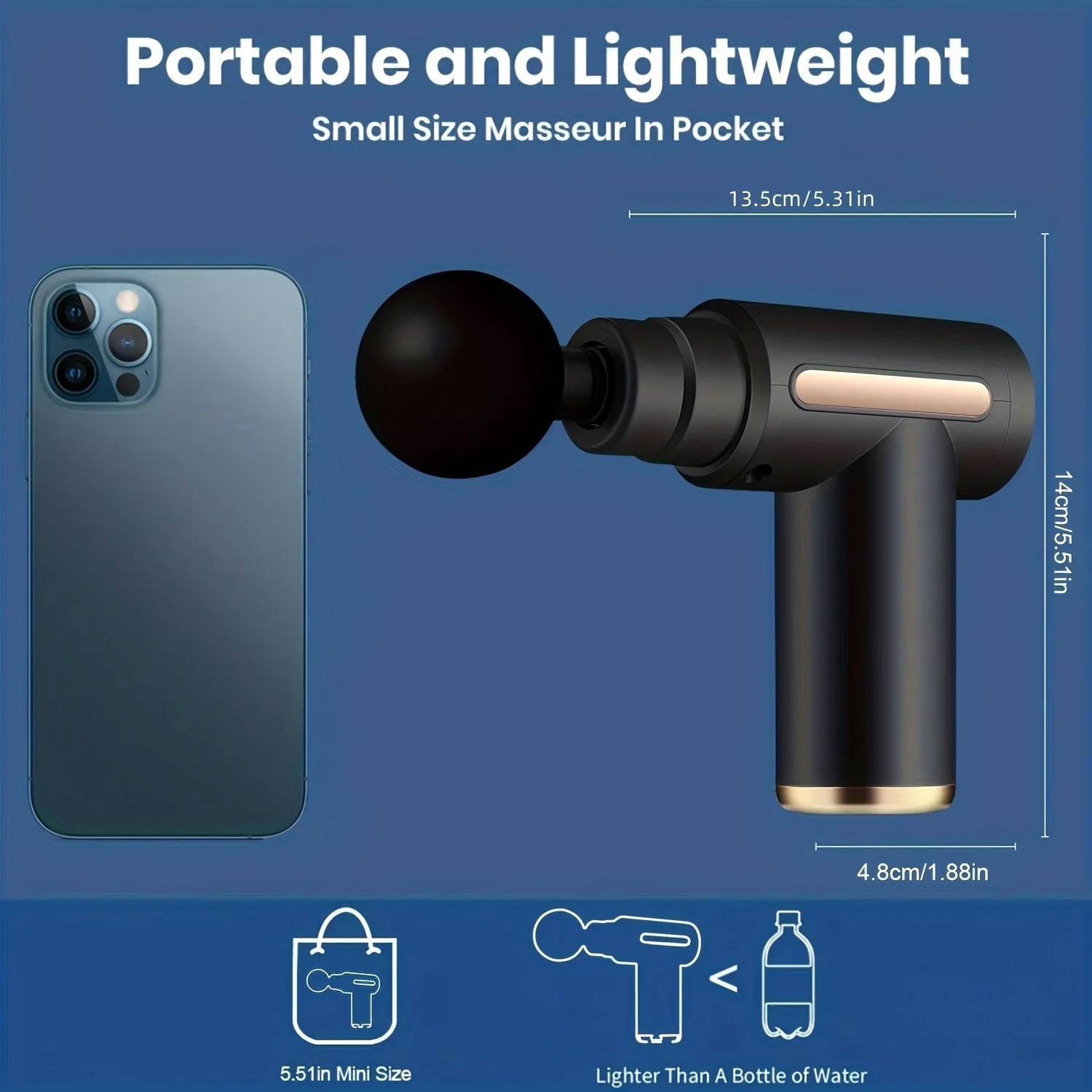
Here is the fair counterargument: percussive massage can feel useful. After a long run, a light pass over heavy quads may reduce the sense of stiffness, and a compact massage gun is easier to store than a full boot system. A product such as an electric massage gun for deep muscle relaxation recovery illustrates the category well enough: targeted, rechargeable, tempting after a hard session. The mistake is assuming the highest setting is the honest one.
Many buyers spend £39.99 to £249.00 and then chase sensation. They hold the head on one tender spot for two minutes, drift towards the knee, or use it late at night and wonder why their legs feel buzzy when they should be getting some kip. Avoid the faff by setting rules before the battery is charged: lowest setting first, 30 to 60 seconds per large muscle, keep away from joints, bruises and sharp pain. If you limp afterwards, that was not recovery. It was overenthusiastic DIY.
Mistake 4: Buying heated and vibrating leg kit without checking the room it has to live in
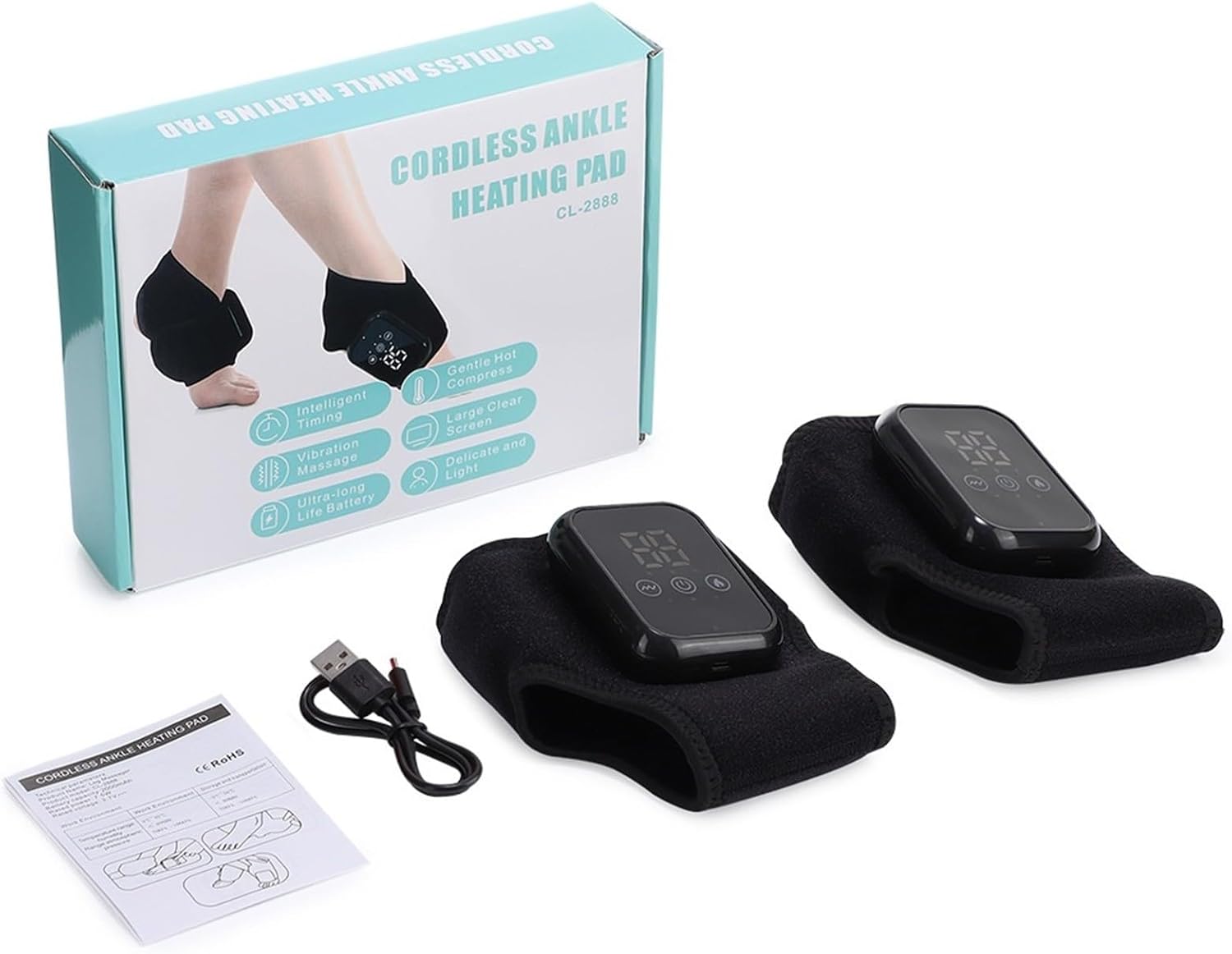
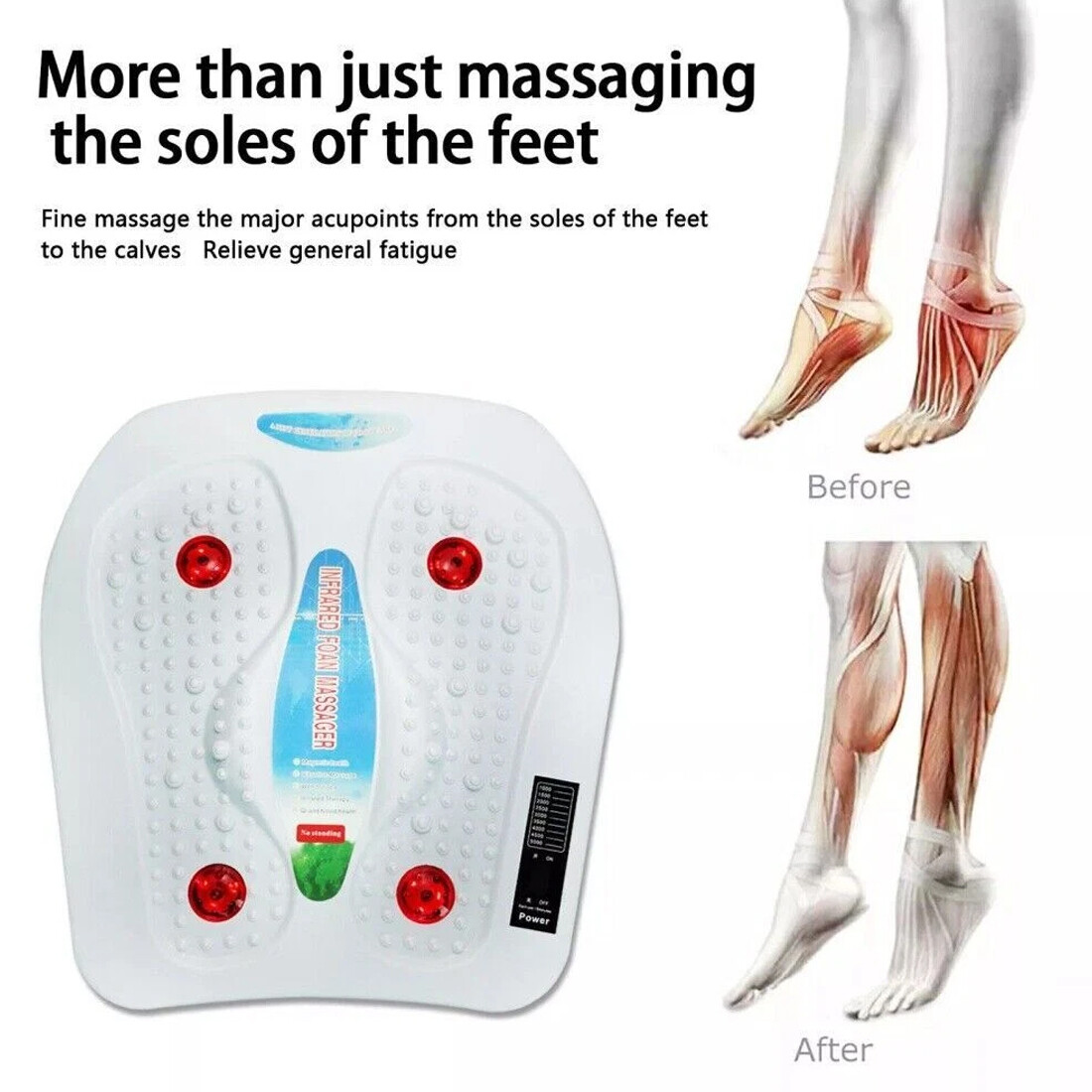
UK homes are not showroom bays. A 500W foot spa, a heated ankle wrap, or a foot and leg vibration massager can sound soothing until you place it in a Manchester new-build lounge with one usable BS 1363 socket, a coffee table you have to shuffle sideways, and nowhere sensible to empty warm water. The regret is not that warmth is useless. Warmth can be lovely. The regret is buying a ritual that your actual room fights every evening.
The costs are boring but real: £53.99 for a gadget used four times, a damp towel permanently assigned to the job, and 12 minutes of set-up before you have even started. Some heated pads also have synthetic linings that feel clammy after 20 minutes; some vibration units hum through laminate in a way downstairs neighbours may notice. Do one check this week: mark out the footprint with newspaper, plug in a lamp where the device would sit, and walk your normal route to the kitchen. If it blocks the room, it will become clutter.
Mistake 5: Using recovery tools to drown out the message that you need an easier week
This is the sneakiest mistake because it feels disciplined. You foam-roll, pull on compression sleeves, use heat, stretch, prod, repeat. Yet the legs keep saying the same thing. Runner’s World’s 4 September 2026 recovery page led with a soreness checklist for judging whether a workout was productive or excessive, which is the more mature framing: recovery is interpretation before it is equipment. Reddit runners discussing taper burnout and down weeks on 7 August 2026 showed the same anxiety in real time.
The cost is a marathon build that becomes joyless. You lose an hour each night to tools, sleep worse, then resent the plan. A decent rule: if soreness changes your gait, makes stairs feel risky, or sits above 5/10 for two mornings, stop adding devices. Remove load. Swap a session for an easy 30-minute walk or a rest day and see what happens. Recovery tools should support a plan, not argue with the evidence from your own legs.
When these 'mistakes' are actually fine
A firmer roller is fine if you already know your tolerance and you are using it briefly, not trying to flatten a calf into submission. Some runners love a sharp-feeling tool and wake up looser; if the 12-hour test says yes, crack on. Compression boots also make more sense if you have the money, the storage and a steady plan already in place. In that case they are comfort, not an alibi for a reckless long run.
Percussive massage is not automatically macho nonsense either. Used lightly, away from joints, it can be a useful nudge after a long day at a desk or a hilly Sunday run. Heated foot and ankle tools can be lovely in winter, especially if you have cold feet after standing on a platform at 7am. The line is not gadget versus no gadget. It is whether the tool calms the system or adds another demand to a body that is already asking for less.
FAQs
What recovery tool is best for sore legs during marathon training?
The best recovery tool for marathon-training sore legs is usually the gentlest one you will use consistently: a smooth foam roller, light massage, warmth, or compression used for short timed sessions. If soreness changes your running form, reduce training load before adding more tools.
Are compression boots worth it for a first marathon?
Compression boots are only worth it for a first marathon if your training plan is already sensible and you have space to store them. They may feel calming, but they do not make sudden mileage jumps safe.
Should foam rolling hurt after a long run?
Foam rolling should feel tolerable, not punishing. Aim for mild to moderate pressure for 60 to 90 seconds per muscle; sharp pain, bruised tenderness or worse soreness the next morning means you overdid it.
Can I use a massage gun on sore calves?
You can use a massage gun lightly on sore calves, but keep it on a low setting and avoid the Achilles tendon, shin bone and knee area. Stop if it causes tingling, sharp pain or limping afterwards.
Is heat or vibration better for tired legs after running?
Heat is often better for comfort and relaxation, while vibration may help some runners feel less stiff. Neither should replace rest if your soreness is heavy, one-sided or affecting stairs.