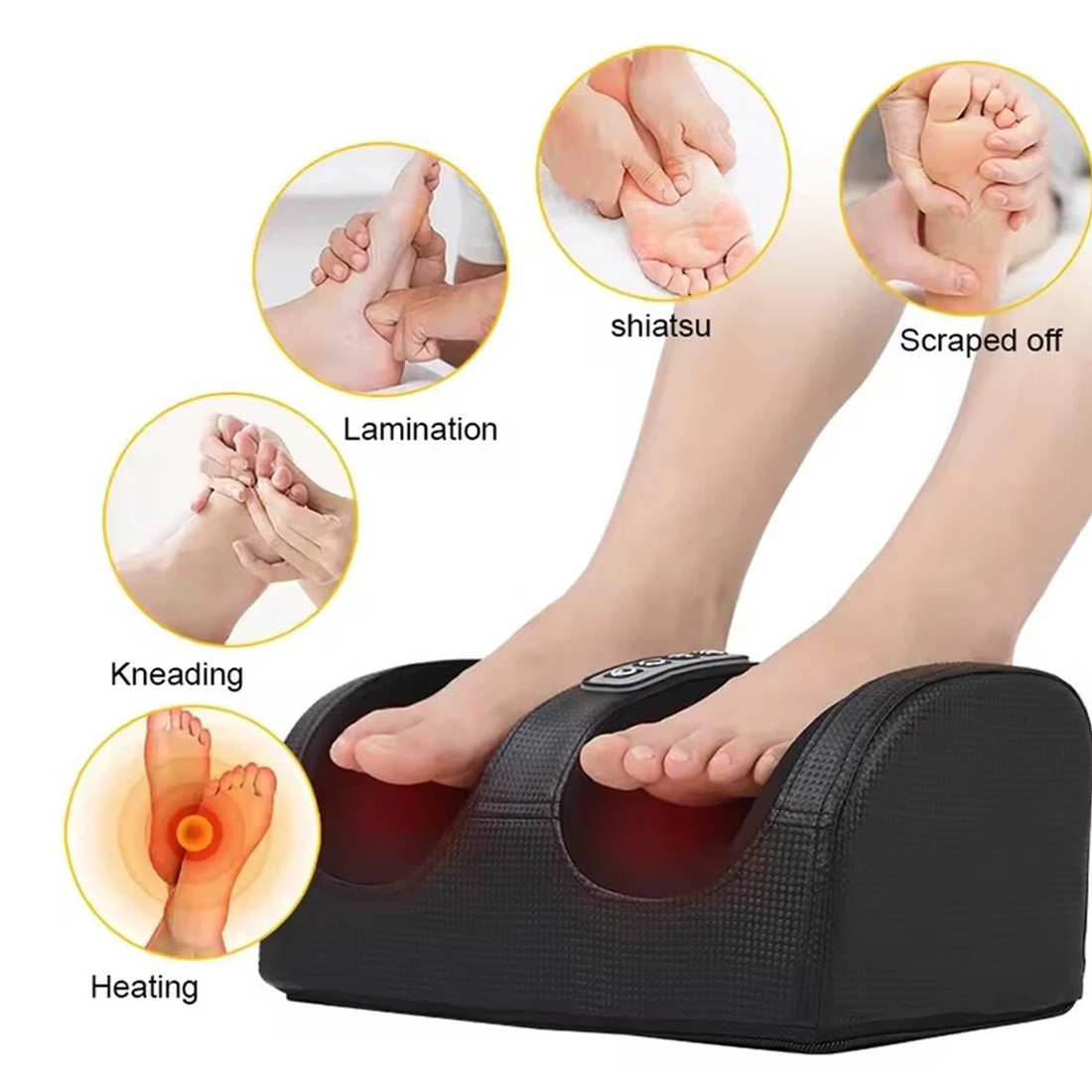

At 8.15 on a damp October morning in a Manchester new-build, there’s a pair of thigh-high compression boots slumped beside the sofa like deflated waders, their BS 1363 plug sharing a four-gang with the lamp and someone’s Garmin charger. That’s the real home setting for this debate: not a clinic, not an elite training camp, but a living room after a 30 km Sunday run. We’re comparing pneumatic compression recovery boots with the duller recovery basics runners already know: sleep, easier days, walking, foam rolling and eating properly. Our thesis is simple enough to argue with: for UK runners trying to reach an autumn start line fresh, recovery basics beat compression boots; boots belong in the comfort-and-routine bucket, not the injury-prevention bucket.
The case for compression boots
Compression boots do have a case, and it isn’t all marketing mist. The better versions use air chambers that inflate in sequences around the calves, knees and thighs, usually for 20 to 45 minutes. Entry-level leg compression massagers often sit around £99.99 to £179.99, while full-length app-led systems can push from £350.00 past £1,000.00. That’s a proper chunk of race budget, especially once you’ve paid for shoes, train fares and a hotel near the start.
The appeal is obvious after a long run. You lie down, zip yourself in, press a button and feel something happening. Tom’s Guide Awards highlighted compression leg massager boots on 18 September 2026 as a recovery tool for reducing stiffness and puffiness after exercise, which shows how quickly the category has moved from physio-room oddity to consumer tech. For swollen-feeling legs after a hilly route, the sensation can be genuinely decent. Some runners also find the ritual useful: 30 minutes in boots means 30 minutes not doing laundry, not standing at the hob, not squeezing in another “easy” 5 km that isn’t really easy.
The fair counterargument is that behaviour matters. If a £499.00 gadget gets a wired runner to sit still, drink water and stop doom-scrolling training plans, it may help indirectly. I’ll give the boots that. In a Victorian terrace where the only quiet window is after the kids are in bed, the forced pause has value.
But that value is not the same as injury insurance. Compression may change how your legs feel. It does not rewrite a badly stacked week of hill reps, tempo work and too little kip.
The case for recovery basics
The recovery basics are boring because they work by removing load rather than adding equipment. Runner’s World argued on 2 September 2026 that post-long-run fatigue depends on training status, recovery habits and sleep, rather than a single gadget. That is the line most amateur marathoners least want to hear, because it points straight back at the diary.
Start with sleep. Seven and a half hours in bed costs £0.00, though anyone in a flat with thin party walls and a neighbour’s 6.30 am blender knows it isn’t always free in practice. Easier days matter too: replacing a 10 km “recovery” run at 5:20/km with a 35-minute walk to the shops changes the stress signal completely. Nutrition is equally unglamorous. A bowl of cereal, yoghurt and a banana after a long run can do more for the next session than an hour plugged into a trouser-shaped machine while under-fuelled.
Then there are cheap tools. A firm foam roller is commonly £12.99 to £34.99 and takes about 15 cm by 45 cm of storage, so it can live behind a door in rented flats without causing a faff. Runner’s World’s recovery page featured foam rollers on 15 September 2026, which tells you runners are still being sold tools during marathon season, but at least this one is low-cost and hard to over-romanticise. A short walk, gentle mobility and a sensible cutback week are less photogenic than boots. They are also harder to skip if you write them into the plan.
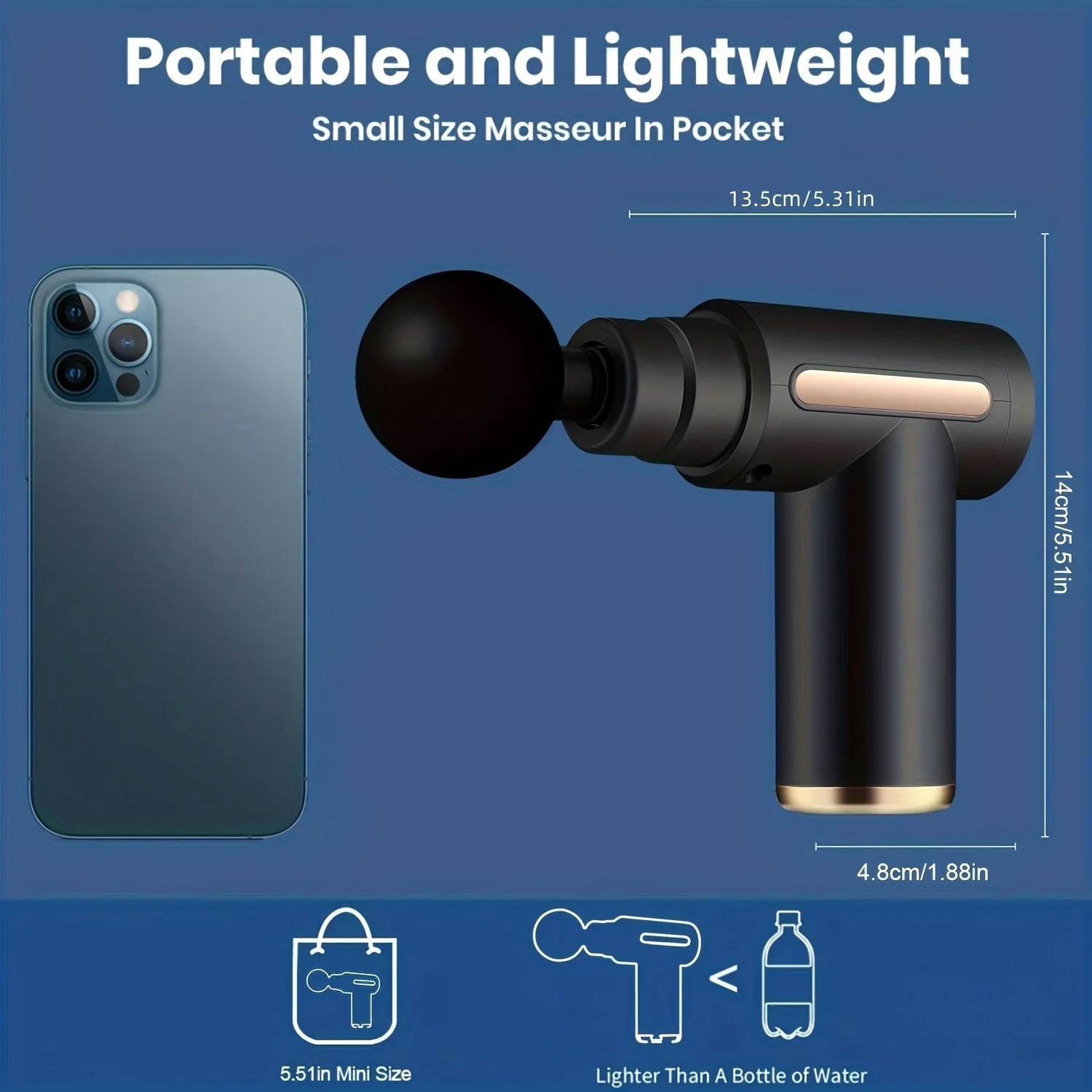
We’d put massage recovery kit, including a basic massage gun or lower-leg vibration massager, in the same supporting-role category: useful for comfort, not a fix for dodgy programming. If you’re browsing massage recovery, the savvy question is not “will this make me faster?” but “will this help me relax without pretending it’s training?”
The honest trade-off
Compression boots win on sensation and compliance. You feel the squeeze, you stay on the sofa, and the session has a start and finish. That matters for runners who struggle to switch off, especially in peak autumn race prep when every twinge starts to feel meaningful. The trade-off is cost, cupboard space and false confidence. Full-length boots can be bulky: a zipped pair plus control unit may need the same storage footprint as a winter duvet, which is not nothing in a 58 m² flat.
Recovery basics win on outcomes that stack up across a training block. The snag is that nobody gets a dopamine hit from going to bed at 10.12 pm or moving Tuesday intervals to Wednesday because their calves feel ropey. Basics require honesty. Boots require a socket.
Compression boots are a pleasant way to sit still; sleep, lighter days and food are the things that stop sofa time becoming a very expensive superstition.
The StrongerByScience Reddit discussion on 15 September 2026 caught this neatly, with one reply arguing that sleep, diet and better programming would likely improve recovery more than boots. That isn’t glamorous. It is probably right.
Which to pick by use case
- First marathon, training four days a week, work stress high: pick recovery basics. Spend the money on proper meals, earlier nights and a plan with real easy days. Boots can wait.
- Experienced runner with consistent sleep and £500.00 spare for comfort: pick compression boots. Treat them as sofa-time recovery, not as permission to add another hard session.
- Rented flat under 60 m² with no spare cupboard: pick recovery basics. A £19.99 foam roller behind the bedroom door beats a bulky boot set fighting for space with the hoover.
- Runner with persistent calf pain or swelling after ordinary runs: pick neither as the main answer. Book a physio or GP appointment. Compression and rolling should not be used to mask a problem that keeps returning.
FAQs
Do compression recovery boots work for runners in the UK?
Compression recovery boots can make runners’ legs feel less stiff or puffy, but they are not strong evidence-based protection against injury or poor race prep. UK runners should treat them as a comfort tool after training, not as a substitute for sleep, sensible mileage and fuelling.
Are compression boots better than foam rolling after a long run?
Compression boots are easier and more relaxing than foam rolling, but they are not clearly better for meaningful recovery. Foam rolling is far cheaper, easier to store in small UK homes, and useful if you like a brief, hands-on mobility routine.
How long should runners use compression boots after a run?
Most runners use compression boots for about 20 to 45 minutes after a run, depending on the device setting and comfort. Longer sessions are not automatically better; if you are using boots because your legs feel wrecked after every session, the training load needs looking at.
Can compression boots prevent running injuries?
Compression boots should not be relied on to prevent running injuries. Injury risk is shaped more by training load, recovery habits, footwear suitability, strength, sleep and previous injury history than by a post-run gadget.
What should I buy before compression boots for marathon recovery?
Before buying compression boots, sort the cheap basics: enough sleep, a realistic plan, post-run food, easy-day discipline and possibly a foam roller. If those are already in place and you still want a relaxing sofa ritual, boots are a luxury rather than a necessity.