
The plug socket in my spare room is 38 cm from the skirting, partly hidden by a drying rack, which is exactly the sort of unglamorous UK detail that matters before you buy a zipped heat blanket. If you’re asking whether infrared sauna blankets are worth it in the UK for recovery, you’re probably weighing winter stiffness, gym soreness and the promise of a spa-ish ritual against another gadget living under the bed. Our view is warm but sceptical.
The short answer
Infrared sauna blankets are worth it for UK recovery only if you’ll use heat as a relaxation habit two or three times a week. They are not worth it if you expect detoxification, athlete-level performance recovery or a home version of a proper sauna. The defensible case is simple: heat can help you unwind and feel looser. The inflated case is where the marketing gets dodgy.
The longer answer
What does an infrared sauna blanket actually do?
An infrared sauna blanket is a heated, wipe-clean sleeping-bag-style wrap, usually plugged into a standard BS 1363 UK socket and used for 30 to 45 minutes. Many UK models claim temperature ranges from roughly 35°C to 75°C and draw about 500W to 650W, so they are more like a dedicated heat appliance than a throw-on blanket. The sensation is cosier than a steam room and less social than a sauna; you’re lying still, zipped in, sweating into a towel. For our broader coverage of sensible heat therapy, the same rule applies: warmth is a tool, not a treatment plan. The caveats are practical. You’ll need floor or bed space, a towel barrier, time to cool down and patience for wiping the thing afterwards. Some smell plasticky at first. That faff decides whether it becomes a habit.
Is there good evidence for recovery benefits?
The honest answer is narrower than the adverts. Heat may support relaxation, perceived muscle ease and sleep readiness for some people, particularly after cold commutes, long desk days or winter training. That is not the same as proving faster muscle repair. Men’s Health’s recovery coverage in late August and September 2026 placed home sauna products beside compression boots, cold plunges and massage guns, which tells you plenty about the recovery marketplace: lots of tools, lots of confidence, not always lots of clean answers. A Reddit fitness50plus thread from 13 September 2026 showed real users mixing hot baths, saunas, cold plunges, supplements, warm-ups and sleep fixes. That messiness is life. If your sleep is poor or your training load is silly, a blanket won’t neatly sort the biology.
What about detox claims?
This is where we’d be blunt. Sweating is not a shortcut detox. Your liver and kidneys do the serious clearance work; sweat is mostly water and salts, with tiny amounts of other substances. A sauna blanket can make you sweat a lot, so you may feel lighter after a session, but that is largely fluid loss. British Vogue’s 2026 sauna blanket guide describes them as an at-home answer to heat therapy and repeats broad benefits such as relaxation and circulation; the breadth of those claims is exactly why expectations need trimming. Glamour UK’s 2 September 2026 wellness-trends piece framed 2026 as a noisy year for wellness experimentation, from clinic-style treatments to everyday electrolyte routines. Sauna blankets sit right in that noise. Pleasant heat? Yes. Medical detox? No.
What is the fair counterargument?
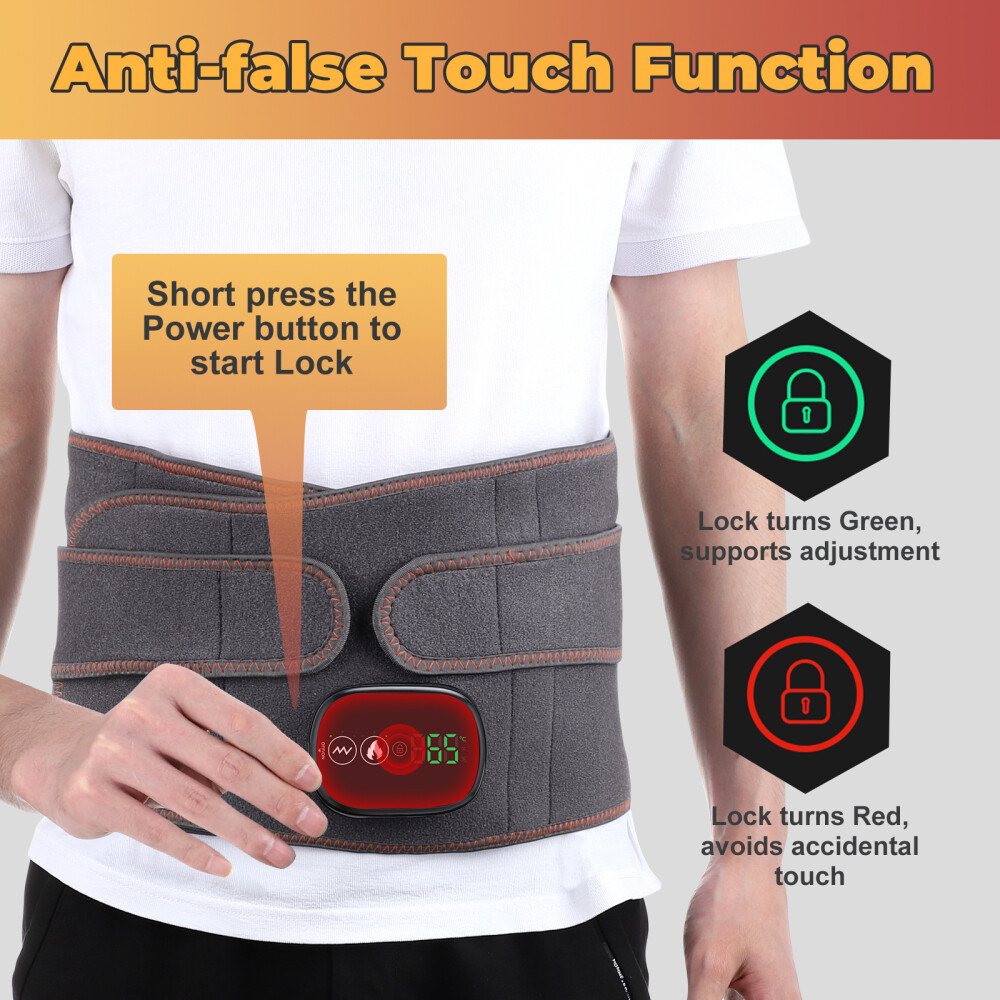
The strongest case for a sauna blanket is behavioural, not mystical. If you live in a Manchester new-build with no bath, or a rented flat where the bathroom is too chilly for a long soak, a controlled heat session in the bedroom can be genuinely useful. It can make recovery feel inviting in January. That matters because people repeat routines that feel decent. There is also a privacy and convenience argument: no gym sauna queue, no shared bench, no winter walk home with damp hair. For targeted warmth, something smaller, such as a heated waist belt with vibration massage, can make more sense for a stiff lower back than heating your whole body. The counterargument wins only if you’re honest: you’re buying comfort and consistency, not clinical-grade results.
Who should be cautious or avoid them?
Anyone with heart disease, uncontrolled blood pressure, fainting episodes, pregnancy, reduced heat sensation or significant illness should speak to a clinician before using intense heat at home. Don’t use one after alcohol, when dehydrated, or as a punishment session after a heavy weekend. Build up slowly: 15 to 20 minutes at a lower setting is more sensible than chasing the maximum temperature on day one. UK bedrooms are often small; in a Victorian terrace with narrow stairs and one spare room doing five jobs, a 180 cm blanket, controller and towels can feel like clutter. If storage is already a battle, the recovery benefit has to be proper convincing.
Related questions
Are infrared sauna blankets safe to use at home in the UK?
Infrared sauna blankets can be safe at home if used as directed, kept flat, monitored and plugged into a suitable UK socket. Avoid using extension leads coiled under furniture, and don’t fall asleep inside one. Heat stress is real, so start low, drink water and stop if you feel dizzy, nauseous or oddly weak.
Do sauna blankets help with gym soreness?
Sauna blankets may help gym soreness feel easier by relaxing you and increasing warmth around tired muscles. They should not be treated as proof of faster recovery. For delayed-onset muscle soreness, sleep, sensible programming, food and time still do the heavy lifting, with heat acting as a comfort layer.
Can an infrared sauna blanket replace a sauna?
An infrared sauna blanket cannot fully replace a traditional sauna because the experience, air temperature and whole-room heat are different. A blanket is more private and easier to use in a flat, but it lacks the space, posture options and ritual of sitting in a proper sauna cabin.
How often should you use a sauna blanket for recovery?
Most healthy users should think in terms of two or three moderate sessions a week, not daily maximal sweating. A 20 to 40 minute session is plenty for many people. If it starts cutting into sleep, hydration or family life around the school run, the routine is running you.
Is a sauna blanket better than a hot bath?
A sauna blanket is not automatically better than a hot bath; it is better only if it fits your home and routine. A bath gives buoyancy and full-body soaking, while a blanket is drier, more controllable and useful where bathrooms are cramped. The best option is the one you’ll use without a palaver.
Do infrared sauna blankets use a lot of electricity?
Infrared sauna blankets usually use less electricity than heating a whole room, but they are still proper electrical appliances. A 600W blanket used for 40 minutes consumes about 0.4 kWh. The running cost depends on your tariff, yet the bigger question is whether it earns its storage space.
So, are infrared sauna blankets worth it for UK recovery? Yes, for the person who wants a repeatable heat ritual and understands the limits. No, for the person buying detox language, dramatic performance promises or a spa-grade experience from a zipped mat in the box room. If warmth helps you slow down, stretch gently and get to bed calmer, that’s a reasonable purchase. Just don’t mistake sweating for science.